
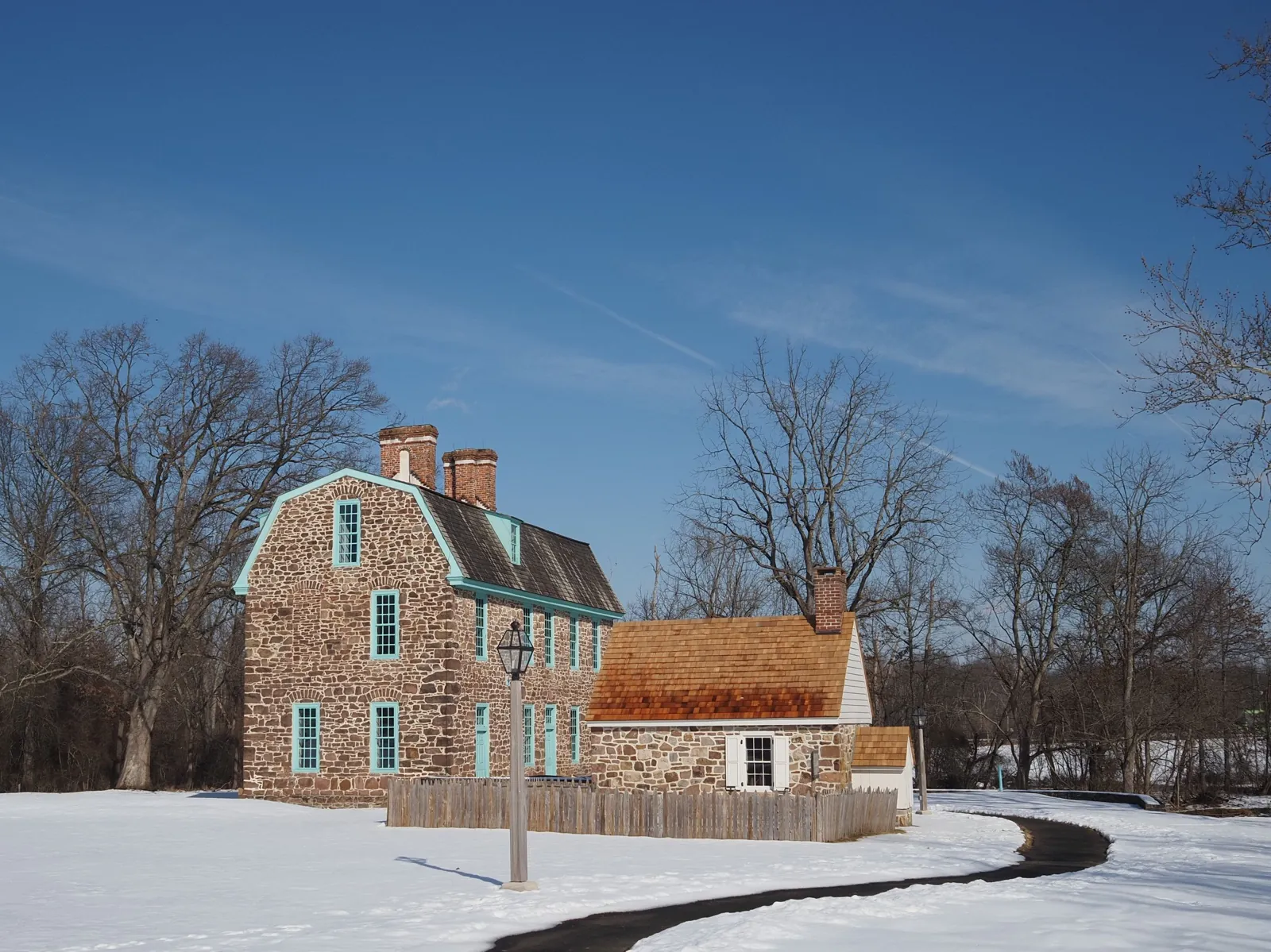
Two very different removals
When people ask about removing a chimney, they usually mean one of two jobs. The first takes away only the stack above the roof, which is the part that leaks, loses bricks and needs a new crown every so often. The second takes the whole chimney out, from the roof down through every floor to the footing in the basement, to free up space inside.
They differ in scale, mess and paperwork. The first is a roofing and masonry job that happens mostly outside. The second is a structural renovation that happens mostly inside, and it touches floors, ceilings, walls and sometimes the house next door.
| Option | What it involves | Makes sense when |
|---|---|---|
| Remove above the roofline | Take brick down below the roof deck, seal the top, frame and roof over the opening | Chimney is unused and the exposed stack leaks or is falling apart |
| Full removal to the basement | Open walls and ceilings on each floor, remove all masonry, frame floor openings, refinish rooms | A gut renovation already has walls and floors open |
| Chimney breast removal on one floor | Remove the projecting masonry in a room and support what remains above | The room needs space and an engineer can design the support |
| Keep and repair | Repoint, rebuild the top, reline the flue, add a crown and cap | The fireplace or a heating flue is still in use, or the stack is shared |
Taking the stack down below the roofline
This is the most common removal on houses in suburban New Jersey, on Long Island and around Philadelphia, where an old fireplace chimney stands unused and the part above the roof keeps letting water in. The crew takes the brick down to a point below the roof deck, carries the debris down, and closes the top of the remaining masonry so rain cannot get in. The opening in the roof is then framed and sheathed, and new roofing is woven in so the spot matches the rest of the roof.
The chimney below the roof stays inside the walls. It still needs to be closed off properly at the top and at any fireplace opening below, so that it does not become a damp, drafty column inside the house or a path for animals.
Expect the crew to protect the roof around the stack, the gutters and the ground below before the first brick comes off, and to lower debris in a controlled way rather than dropping it. On attached houses, the neighbor's roof may need protection too. A roofline removal is usually scheduled for dry weather, because the roof is open for part of the job.
Full removal, floor by floor
Taking a chimney out from top to bottom is a far larger project. Each floor it passes through has to be opened, the masonry removed by hand and carried out, and the openings in the floors and ceilings framed in to carry loads properly. Plaster, flooring, trim and sometimes radiators or pipes nearby all need to be dealt with and finished again. The footing in the basement may stay or come out, depending on the plan.
Because of the disruption, full removal usually makes sense only during a larger renovation, when walls and floors are already open and the space gained can be designed into the new layout.
Chimney breasts and party walls
The chimney breast is the part that projects into the room around the fireplace. Taking it out frees floor space, but any masonry above it still has weight that has to go somewhere. In brownstones, Brooklyn and Queens rowhouses and Philadelphia rowhomes, breasts often sit on the party wall and carry flues that serve the neighbors as well. Removing a breast on one floor without proper support can put the chimney above, and the neighbor's flues, at risk.
Work like this typically calls for an engineer's design and a permit, and on a shared wall it needs the neighbor's agreement. Plan for those before demolition rather than after a crack appears next door.
Everything that still vents into it
Before any chimney comes down, find out exactly what is connected to it. Many homes have a boiler or water heater venting into the chimney from the basement, and owners who have not lit the fireplace in years sometimes forget the chimney is still working every day. Those appliances need a new vent route, installed according to their manufacturers' instructions, in place and working before the old flue is touched.
- Fireplace or wood stove flue on any floor
- Boiler or furnace flue from the basement
- Water heater flue, often sharing the boiler's flue
- An old coal or kitchen flue that may have been reused
- A neighbor's flue running through a shared stack
Closing up after the work
A removal is only as good as the way the house is closed afterward. On a roofline removal, the roof patch needs proper decking, underlayment and flashing into the surrounding roofing, not a piece of sheet metal over the hole. The top of the remaining masonry needs a solid cover, and fireplace openings below should be sealed so the old flue does not draw cold air through the house.
On a full removal, the framing that fills the old floor openings should be sized for the floor loads, and any wall that the chimney supported needs a planned replacement for that support.
Removal or repair: how to decide
Removal tends to win when the chimney serves nothing, keeps leaking and needs major work above the roof, or when a renovation already has the inside open. Repair tends to win when you want to keep using the fireplace, when the chimney still vents the boiler or water heater, or when it is part of a shared stack you cannot remove alone. A chimney that adds character to a period house is also worth weighing, since it cannot be put back cheaply once it is gone.
We price both options side by side in a free written estimate, and the comparison then rests on real scope rather than guesses.
Permits and local rules
Whether a permit is needed depends on the town and on how much of the chimney comes out. Structural work, changes to a party wall, and new vents for gas or oil appliances commonly involve the local building department. Requirements differ between New York City, New Jersey towns, Philadelphia and Delaware, so ask the town or city building office before work starts rather than relying on what a neighbor was told.
Common Questions
Can I remove the chimney below the roof line?
Can I take down a chimney I share with my neighbor?
Does removing a chimney above the roof stop leaks?
What happens to the boiler if the chimney is removed?
Does removing a chimney affect the roof structure?
Need help with this? See our chimney rebuild service, or call (844) 468-2410 for a free written estimate.

