
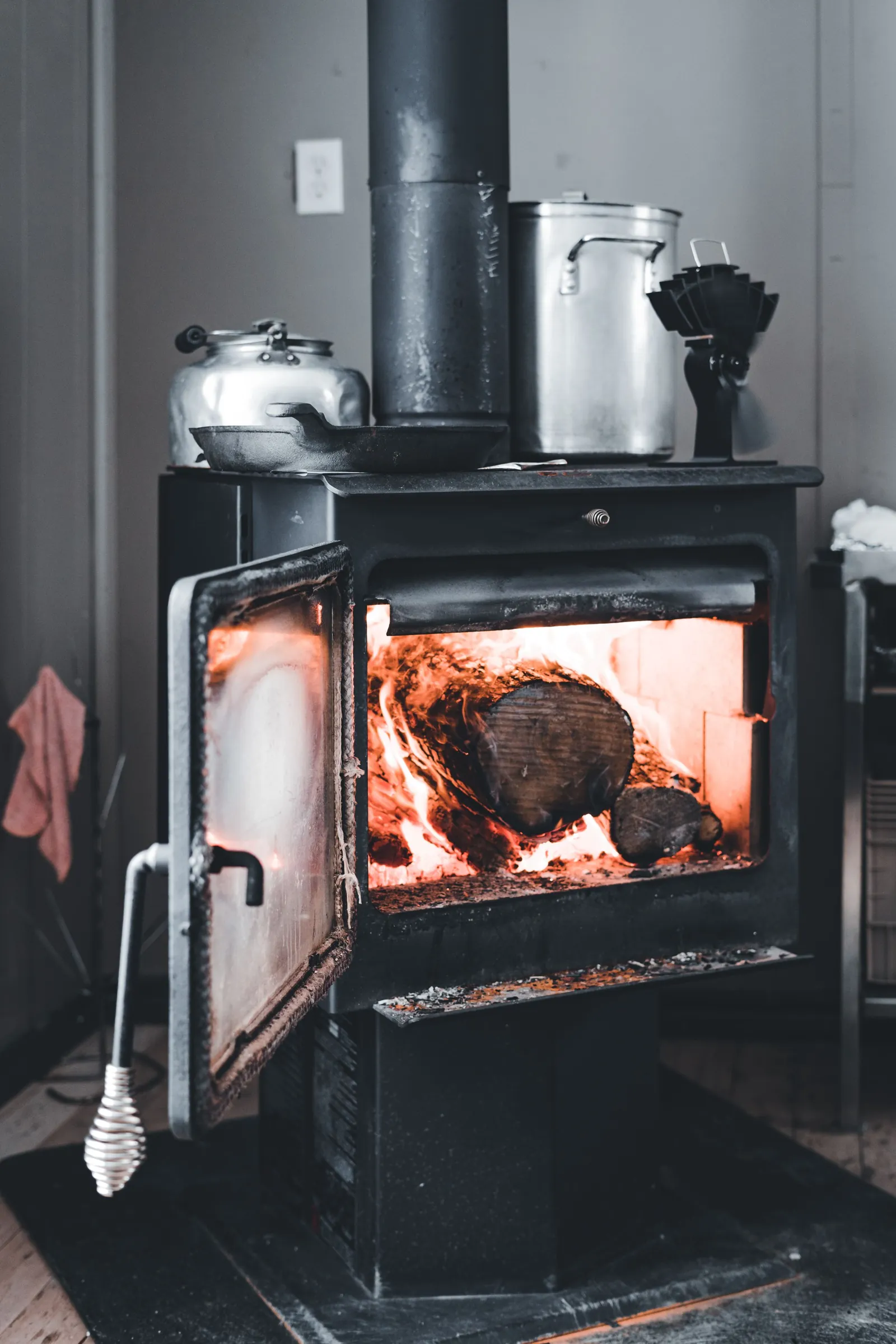
Your Local Wood Stove Installers
A freestanding wood stove can heat a room, a basement or a whole floor, but only if it is set up the way its maker intends. The stove needs a noncombustible floor under and in front of it, room to the walls and furniture, and a flue of its own that runs safely to the top. Our crew plans all three first.
About Wood Stove Installation
A wood stove is a cast iron or steel box that burns wood behind a closed door, with air controls that let the fire burn slower and hotter than in an open fireplace. Heat radiates from the body and rises from the top, and the exhaust leaves through a connector pipe into a chimney. Getting that setup right is what decides whether the stove is a safe, steady heater or a source of smoke and creosote.
Stoves end up in many places: finished basements in New Jersey splits, family rooms on Long Island, old farmhouses in Bucks County, converted garages. Each location raises its own questions. A basement may sit below grade, which makes draft harder. An old masonry chimney may be oversized or shared with a boiler. Some cities restrict new wood-burning appliances, so local rules are checked before a stove is chosen.
A sound installation follows the stove's manual and label closely. The floor under and in front of the stove is protected with a noncombustible hearth pad rated for that stove. Clearances to walls and furniture are measured, or reduced only with the shields the maker allows. The connector pipe runs as short and straight as the layout allows, with the crimped ends pointing down so condensate stays inside. And the stove gets a flue of its own, sized to its outlet, lined or built from listed factory chimney to the top.
What Our Crew Does
- The planned location checked for floor, walls, ceiling and the route out
- Local rules on wood-burning appliances and permits looked up first
- Venting planned: a liner down a masonry chimney or a listed factory-built chimney
- Hearth pad laid to the size and rating in the stove manual
- Stove set at the clearances on its label, with shields only where allowed
- Connector pipe assembled with crimped ends down and each joint fastened
- Chimney capped and the first fire lit together with you
When to Call Us
- You want real wood heat in a room without a fireplace
- An old stove has no liner or a rusted pipe
- The stove sits closer to the wall than its label allows
- You are replacing a stove and want the venting checked
- Smoke leaks from the pipe joints when the stove runs
How the Job Goes
- Pick the spot
We look at the floor, the walls, the ceiling above and the way out for the flue, whether through an existing chimney or a new run.
- Plan the venting
The flue is sized to the stove outlet: a liner down a masonry chimney, or an insulated factory-built chimney through the roof or wall.
- Set it in place
The hearth pad goes down, the stove is set at the clearances in its manual and the connector pipe is joined and fastened.
- First fire together
The top is capped, and we light the first fire with you and go over the air controls and the break-in steps in the manual.
Your Options
A stainless liner sized to the stove outlet runs from a thimble to the top. Uses what the house already has, if the chimney is sound.
An insulated, listed chimney system rising from the stove through the ceiling and roof. Suits rooms with no masonry chimney nearby.
The pipe passes out through a wall thimble and up the outside of the house. Practical in basements and additions.
Catalytic stoves burn smoke in a combustor for long, low burns. Non-catalytic stoves are simpler to run and maintain.
What Affects the Cost
- The venting route and the length of liner or factory chimney
- Hearth pad size and any wall shields
- Moving a heavy stove into a basement or upper floor
- Roof penetration and flashing for a new chimney
- Repairs to an existing masonry chimney
- Permit and inspection fees where required
Every job starts with a free written estimate, so you know the price before we start.
When It Cannot Wait
- Smoke leaking from the connector pipe joints
- The connector pipe glowing or discolored
- A stove placed closer to walls than its label allows
- Cracks in the stove body or a door that will not close
Make It Last
- Burn only dry, seasoned wood that has been split and stored under cover
- Run the stove with enough air for a lively fire before turning it down
- Check the door and glass gaskets each season and replace them when loose
- Have the stove chimney swept when deposits build up, and on a stove that runs daily, check the flue partway through winter
- Keep furniture, firewood and drying clothes outside the clearances on the label
Questions About Wood Stove Installation
How far from the wall does a wood stove have to be?
Can a wood stove share a flue with my boiler?
Do I need a permit?
Can a wood stove go in a basement?
Can I install a used stove?
Why do the pipe sections point a certain way?
Guides From Our Crew
 How Often to Clean a Wood Stove ChimneyA wood stove that heats the house through the winter needs its chimney cleaned at least once a year, and often a second check midway through the season.
 Wood Stove vs Fireplace Insert: How to ChooseA freestanding wood stove usually puts more of its heat into the room, because all of its sides and top are exposed.
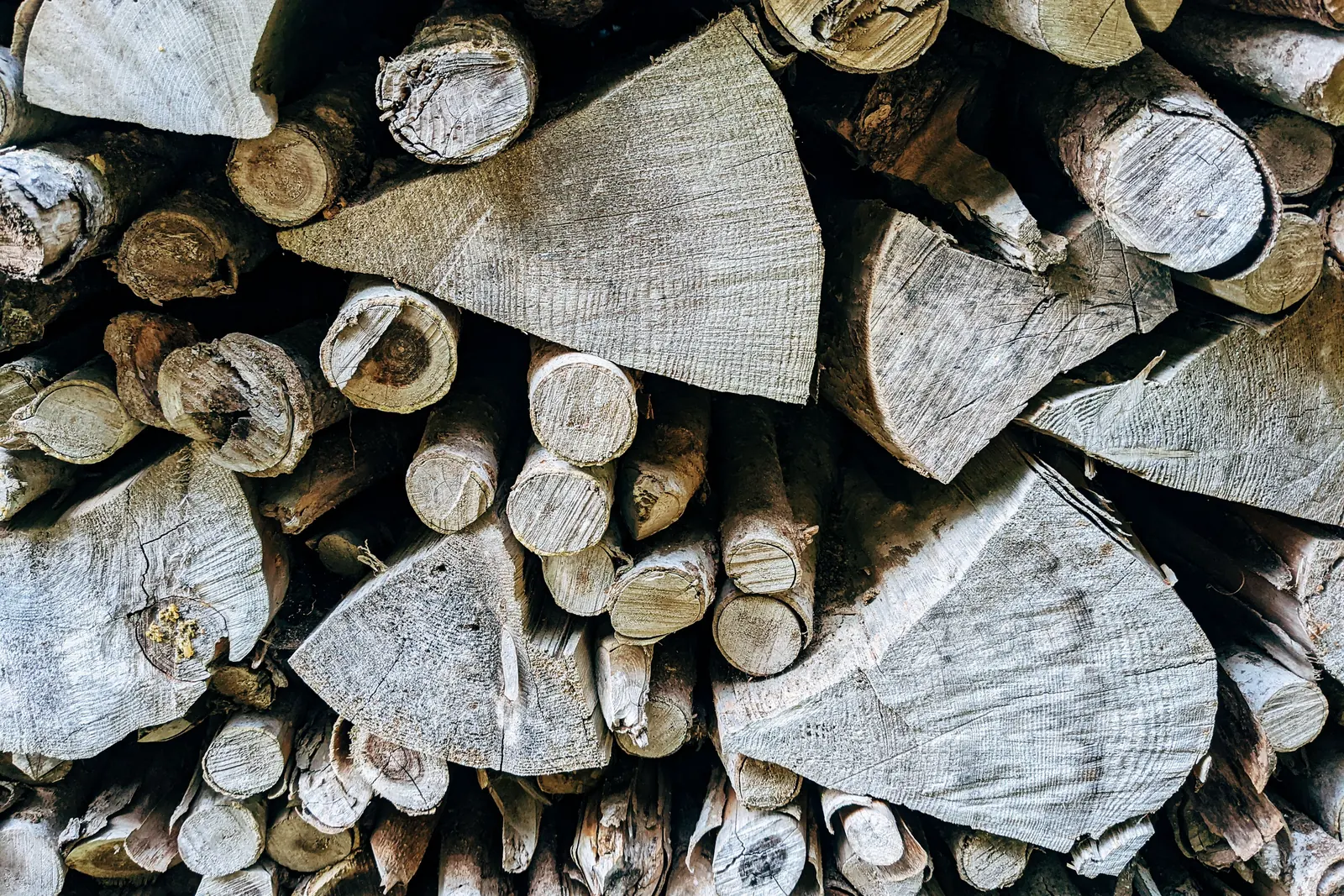 How to Tell If Firewood Is SeasonedSeasoned firewood feels lighter than it looks, has gray, cracked ends and loose bark, and gives a sharp clack when two pieces are knocked together.
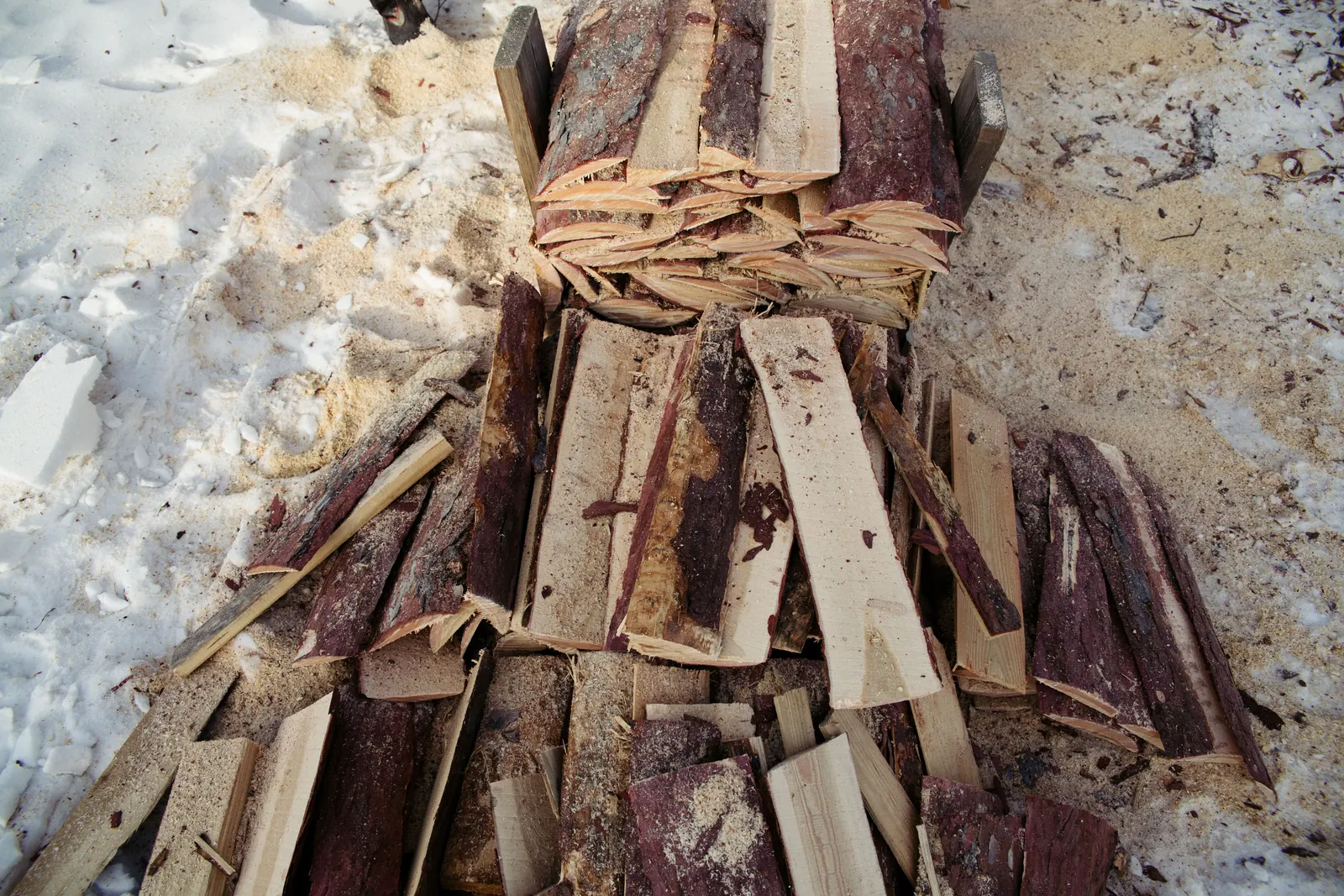 Which Firewood Burns Cleanest in a Fireplace?Dry wood matters more than the species.
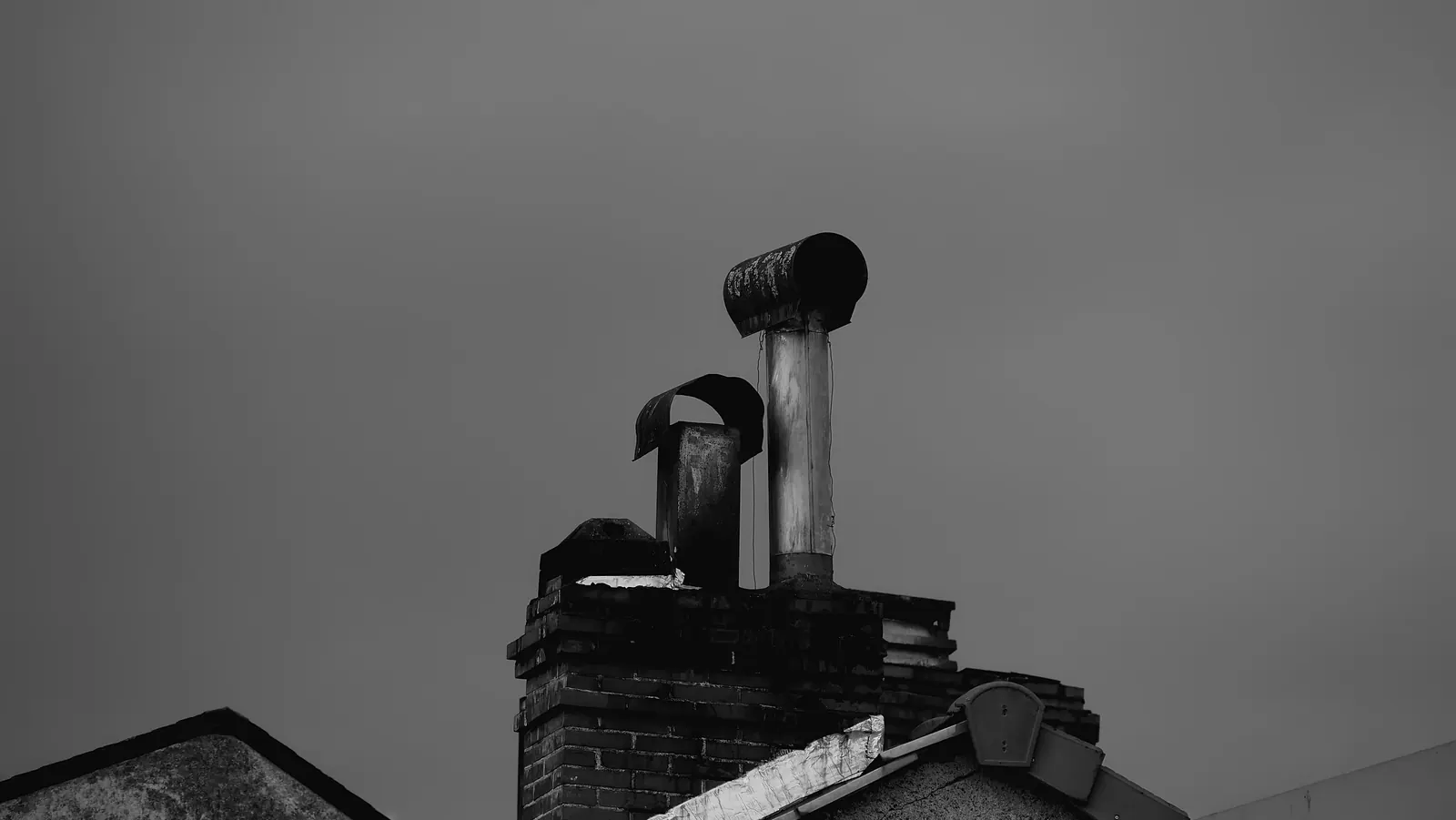 Chimney Flue Size: How Big Should a Flue Be?The right flue size comes from whatever the flue serves.
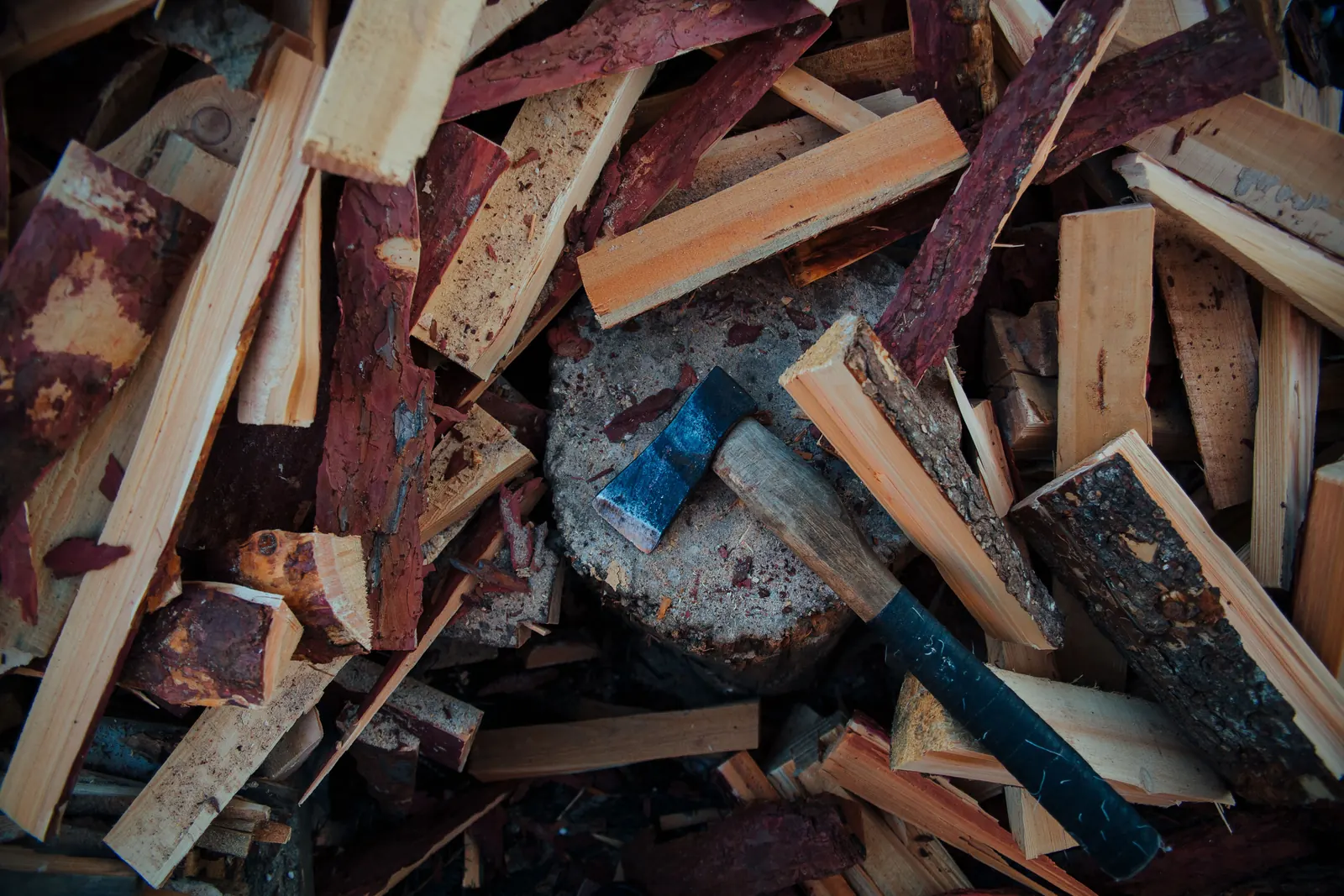 Storing Firewood Next to the House: Is It Safe?Keep the main woodpile away from the house, not stacked against the wall.
Why homeowners call Pro 1
18,000+ Chimney Jobs. One Standard.
15+ years and 18,000+ chimney jobs taught us what homeowners want: a crew that shows up, explains it plainly and leaves the house as clean as they found it.
$500 OFF any chimney service
- Our own local crews
The people at your door work for us and live in the area. We never send subcontractors.
- Licensed and insured
Your home and our crew are covered on every job, from a sweep to a full rebuild.
- Free written estimate
You see what we found and what it takes to fix it, in writing, before any work starts.
- Upfront pricing
The price we write down is the price you pay. No hidden fees and no surprise add-ons.
- Fast response
Open 24 hours Sunday to Friday, with a real person on the phone and same-day visits when we can.
- Clean, careful work
Floors and furniture covered, the roof and yard cleaned up, and a walk-through when we finish.

Limited time offer
$500 OFF
Any chimney service. Mention it when you call or book online.

Simple from the first call
How It Works
- Your callCall, text or book online
Tell us what you see or smell. A real person from our team answers and sets a time that suits you.
- The visitFree chimney inspection
Our own crew arrives in a marked Pro 1 van, covers the floor and inspects the chimney from the firebox to the cap, free of charge.
- The estimateFree written estimate
We walk you through what we found, in plain words, and put any repair in writing before work starts.
- The workThe job, done right
We do the work, clean up the roof, the yard and the room, and walk you through the finished job.
Book before the holidays. Fireplaces get their heaviest use from Thanksgiving to New Year. A free inspection now catches nests, creosote and cracked flue tiles before the first big fire and the family gatherings.
Book My Free InspectionGet a Free Estimate
Leave your details and our local team calls you back to set a time.
