 Burlington County
Local guide
Chimney Care in Burlington County, NJ: What Homeowners Should Know
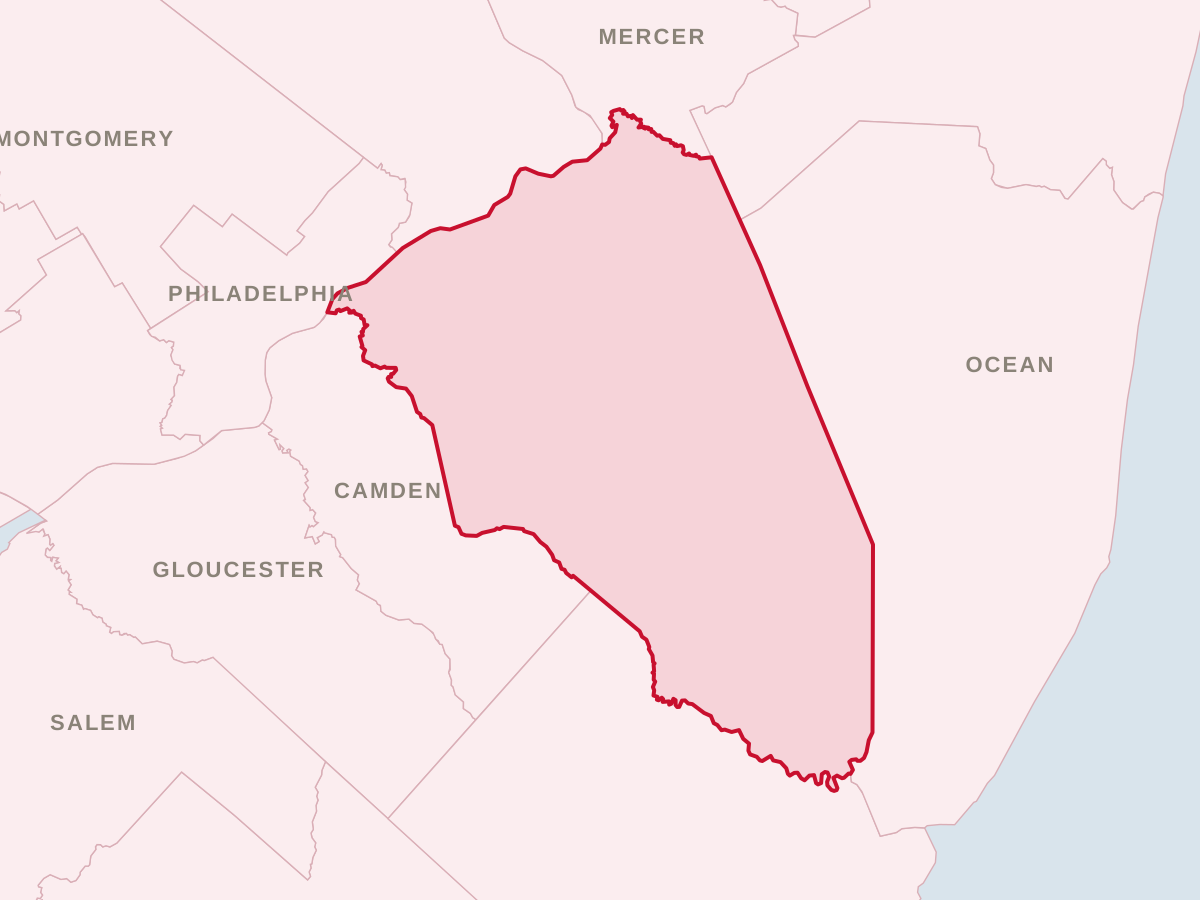
Burlington County stretches from colonial river towns like Burlington City and Moorestown to the Pine Barrens, where clear nights run far colder than the rest of the county. Willingboro, Mount Laurel and Evesham add large postwar suburbs. Gas heats about 70% of homes and electricity a fifth. Inspect yearly, keep crowns and caps tight and ask before working in Olde Marlton.
Pine Barrens cold and South Jersey storms
Burlington is the largest county in New Jersey by land area, and much of it is flat coastal plain laced with creeks and wetlands. The Pine Barrens cover a good part of its southern and eastern side, and the sandy soil there loses heat fast. On clear, dry nights those areas can be 10 to 15 degrees Fahrenheit colder than the land around them, with a shorter frost-free season.
In Mount Holly, the county seat, average January lows are about 22 degrees, and the record low is 25 below zero, set in February 1934. Snowfall averages about 18 to 22 inches across the county, rain falls year round, and severe thunderstorms are common in the warm months.
For chimneys, the Pine Barrens effect means more freeze-thaw cycles than a South Jersey address might suggest. A house in the Pinelands part of Pemberton Township can see a hard frost on a night when towns closer to the river stay above freezing, and wet masonry pays for each of those nights.
Colonial river towns and planned suburbs
Burlington City holds some of the county's oldest buildings. A house first built in 1685 for George Hutchinson was restored in the 1950s, the Friends meeting house on High Street dates from 1783, and both the Burlington and High Street historic districts are on the National Register. The Moorestown Historic District covers buildings from 1720 to 1940, and its Main Street follows a ridge once used by the Lenni Lenape.
In Evesham, the old village of Olde Marlton remains largely intact and is a locally regulated historic district. Medford keeps nearly 30 former workers' homes on Trimble and Mill streets near the site of a glass factory that operated by 1850.
Postwar growth changed the county. Willingboro was built as a planned Levittown community in the 1950s and 1960s, and its first homes were sold in June 1958. Mount Laurel was a small farming town until suburban growth from Philadelphia arrived in the late 1960s. Census estimates for 2024 show the 1970s as the busiest building decade, at about 17%, and about 10% of homes from before 1940.
Heating in Burlington County
Utility gas heats about 70% of occupied homes, by Census estimates for 2024, and electricity about 20%. Fuel oil accounts for about 5% and propane for about 2%. In all-electric homes the chimney may serve only a fireplace, while gas and oil homes often vent a furnace or boiler through masonry.
A fireplace-only chimney can sit idle for months, which invites nests, leaves and moisture. A gas or oil flue works every day in winter, so its liner and the connection from the appliance carry most of the wear.
What to check and when
Chimneys, fireplaces and vents should be inspected at least once a year under NFPA 211, with cleaning when deposits build up. Beyond that yearly visit:
- Homes from the late 1950s and 1960s, like the first houses in Willingboro, are now more than six decades old, so masonry chimneys and original metal flues from that era deserve a close look.
- In Pinelands towns with colder nights, check crowns and mortar for frost damage each spring.
- In colonial and Victorian houses in Burlington City and Moorestown, repoint with a mortar that matches the old brick.
- Before lighting the first fire of the season in an idle fireplace, make sure the flue is clear and the cap is intact.
Historic districts and local rules
Besides Olde Marlton, Burlington City and Moorestown, the county has the Whitesbog Historic District in the Browns Mills area of Pemberton Township. If your home is landmarked or sits in a district the town regulates, changes to a chimney's exterior can need approval from the local historic preservation body. In other cases, check with your town's building department about permits.