
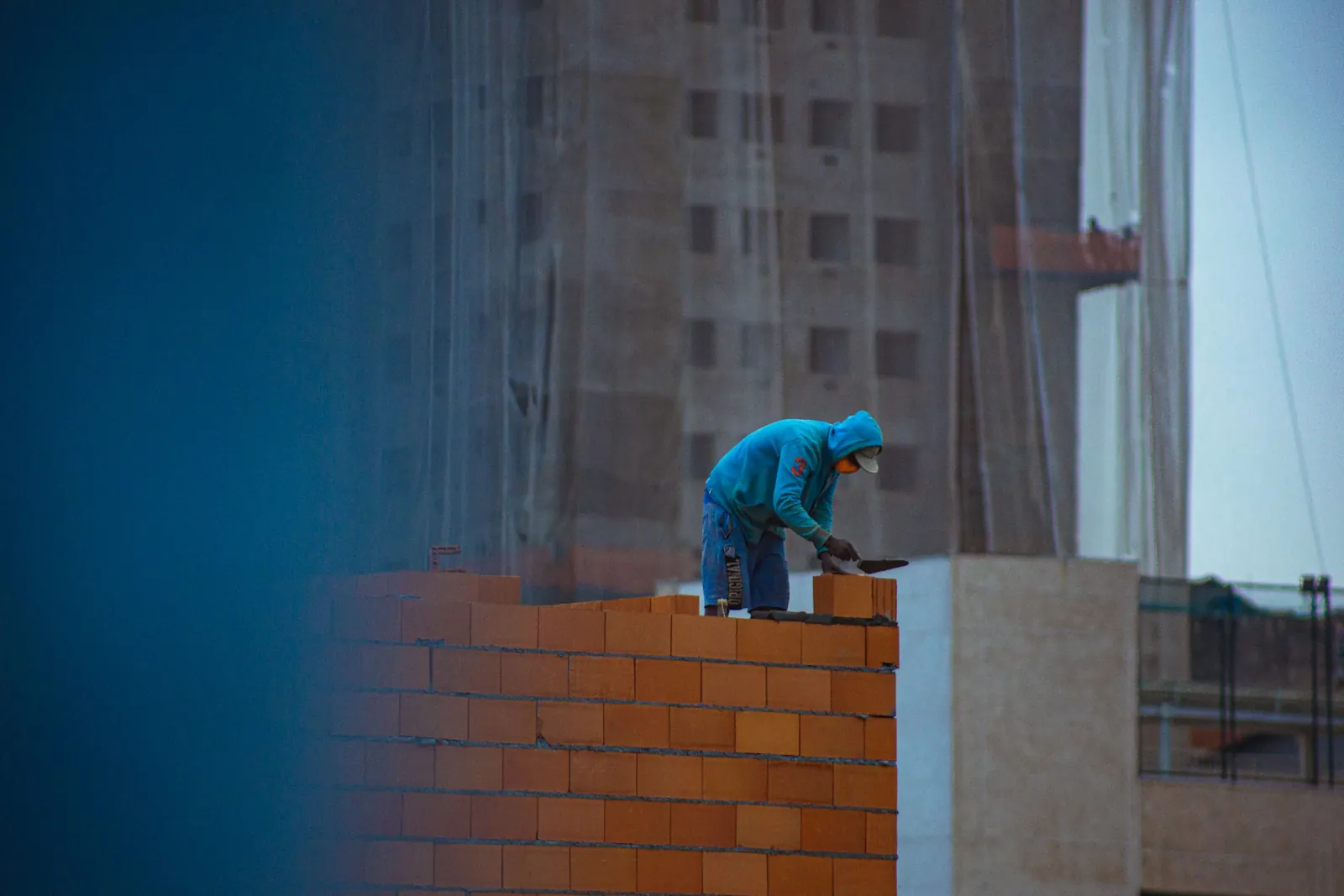
Chimney Removal from a Local, Family-Owned Crew
An old chimney that nobody uses can still leak, shed bricks and need repairs. Taking it down may make more sense than fixing it. Before anything comes down, though, we check what still vents into it, because a boiler or water heater flue in the basement is easy to forget.
About Chimney Removal
Plenty of houses carry a chimney that no longer does anything. The fireplace was boarded up decades ago, the boiler was swapped for a unit with a sidewall vent, or a heat pump replaced the oil burner altogether. An idle chimney still weathers like a working one. Its crown cracks, its joints wash out, its flashing fails, and cold air leaks down a flue nobody uses. At some point, owners reasonably ask whether taking it down beats paying to keep it up.
Removal has to be planned around what the chimney still touches. A forgotten water heater may still vent into it. In brownstones, rowhouses and twin homes, one stack can carry flues for both sides of a party wall, so taking it down affects the neighbor. Partial removals need thought too: masonry that stays below the cut must be capped and kept dry, and any section left hanging above an opened floor needs proper support.
Most jobs take the stack down below the roof line and close the roof over it, which ends the maintenance and the leak risk without opening the house. A full removal down through the floors frees space, but brings in carpentry, plaster, flooring and often a permit. Either way, the brick comes down by hand from the top, and the roof patch is built and covered to match the roof around it.
What Our Crew Does
- Each flue traced to confirm no fireplace, boiler or water heater still uses it
- Party-wall and shared stacks checked with the neighboring house in mind
- Scope agreed in writing: below the roof line, to the attic or full height
- Roof surface, gutters and the yard below protected before demolition
- Brick lowered by hand course by course, not thrown or dropped
- Remaining masonry capped where the cut stops
- Roof opening framed, sheathed and roofed to blend with the existing surface
- Brick and debris hauled away
When to Call Us
- A chimney that no appliance or fireplace uses
- A leaning or crumbling stack you would rather not rebuild
- Leaks around a chimney you have no use for
- A renovation that needs the space
- Loose brick above the roof line
How the Job Goes
- Check what it serves
We confirm no fireplace, boiler or water heater still vents into it, including from next door in an attached home.
- Plan the scope
Down to below the roof, or further down through the house. You get the plan and a free written estimate.
- Take it down
Brick comes down by hand, piece by piece, with the roof and the ground below protected.
- Close the roof
The opening is framed, decked and covered so the roof keeps the weather out again.
Your Options
The exposed stack comes down and the roof is closed over it. The lower part stays hidden inside the house.
Removes the part that crosses the attic, freeing storage or living space, with the masonry below capped.
The whole chimney taken out to the basement. The most work, involving interior walls, floors and structural review.
A cap or cover on top, the damper sealed and the flues closed off, when removal is more than the house needs.
What Affects the Cost
- Height above the roof and how far down the removal goes
- Roofing material for the patch: asphalt, slate, tile or flat membrane
- Interior demolition and finish work for a full removal
- Sidewalk protection, debris chutes and hauling on tight city lots
- Shared chimneys that need coordination with a neighbor
- Permits and any engineer's review the building needs
Every job starts with a free written estimate, so you know the price before we start.
When It Cannot Wait
- Loose bricks above a sidewalk, driveway or neighbor's yard
- A stack that has started to lean away from the house
- A chimney left cracked or loosened after a storm or a fallen limb
- An unused flue that is leaking water into the walls
Make It Last
- Move every appliance off the chimney and have its new venting confirmed before work starts
- Leave a vent or cover on any masonry kept inside the house so moisture can escape
- Look at the roof patch from the attic after the first few heavy rains
- Keep a record of what was removed and what remains for future buyers and inspectors
Questions About Chimney Removal
Do I need a permit?
Can you remove just the part above the roof?
What about a chimney shared with the house next door?
What happens to the fireplace inside if the top comes off?
Can I keep some of the old brick?
How long is the roof left open?
Guides From Our Crew
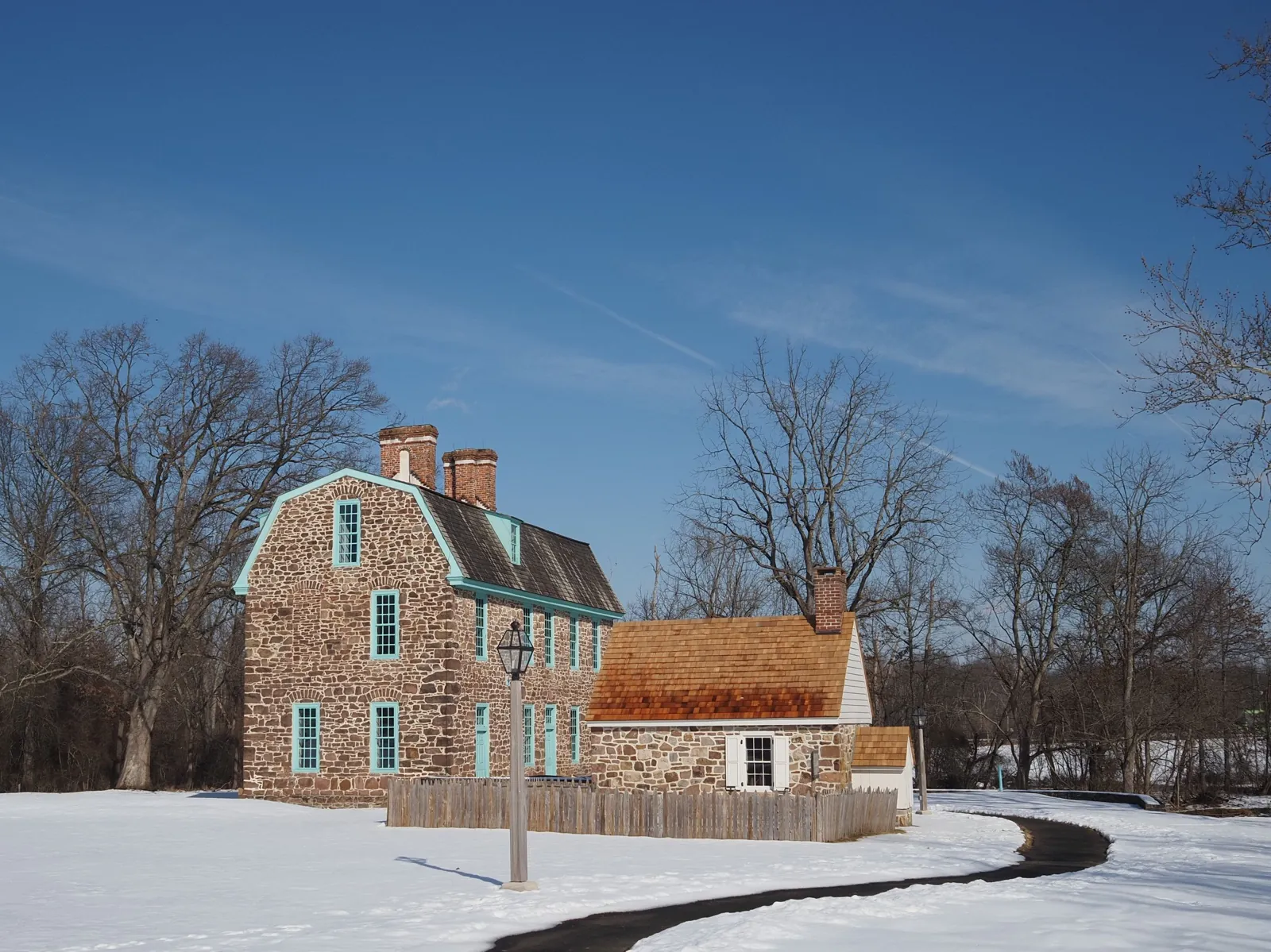 Can a Chimney Be Removed From a House?Most chimneys can be removed, either just the part above the roof or the whole stack down to the basement.
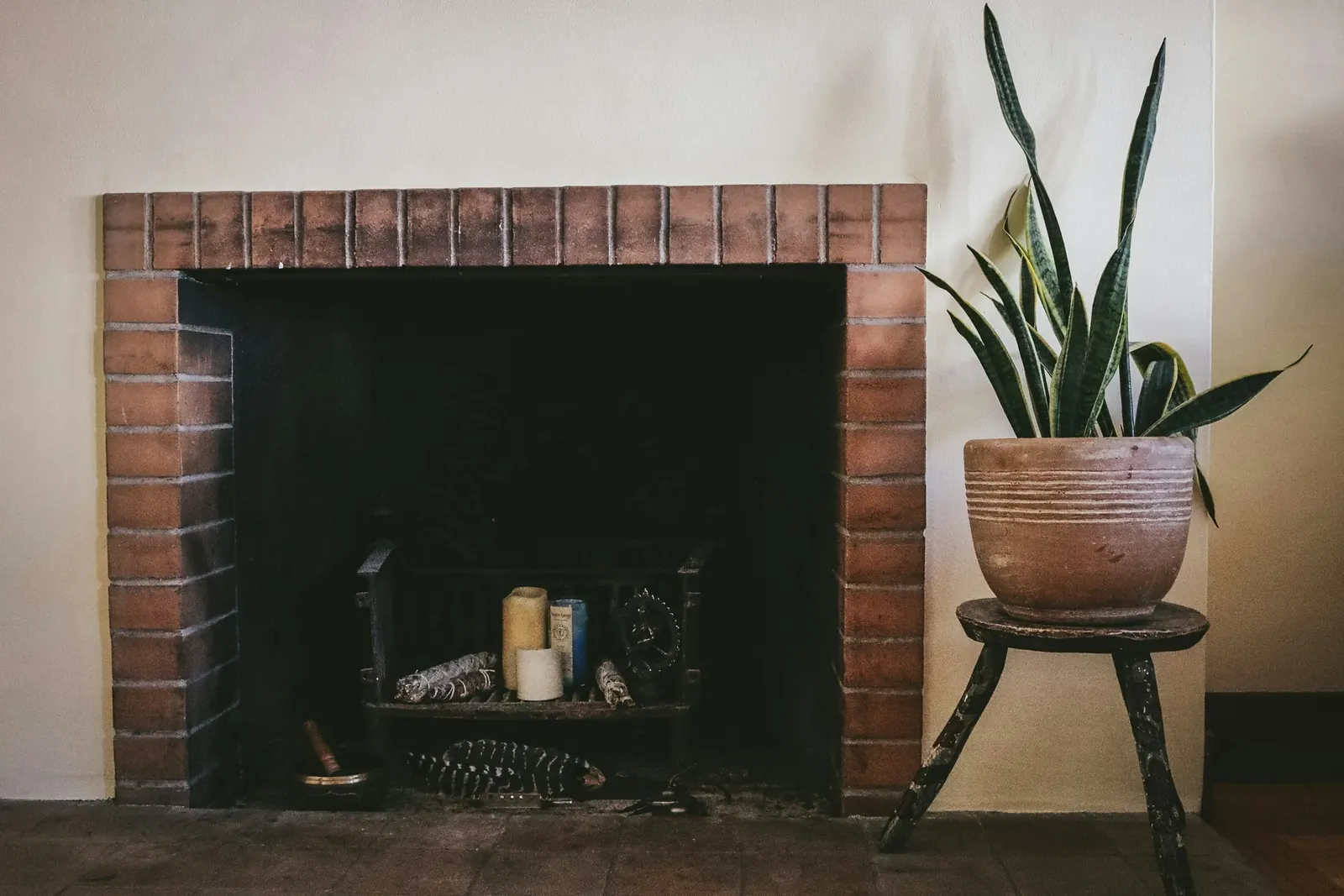 What to Do With a Chimney You No Longer UseAn unused chimney still takes the weather, so it needs a plan.
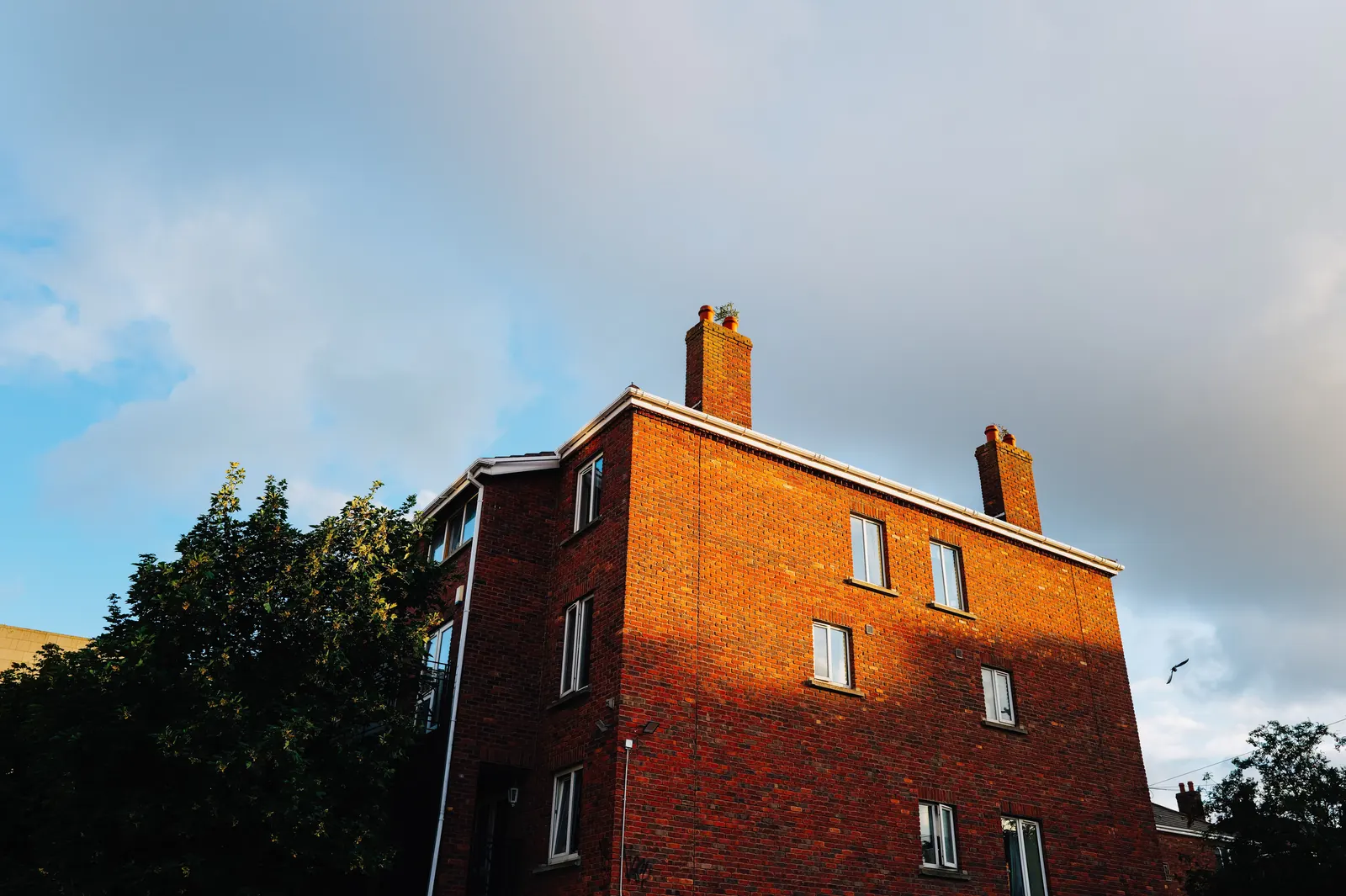 How Much Does Chimney Removal Cost?Chimney removal is priced by scope.
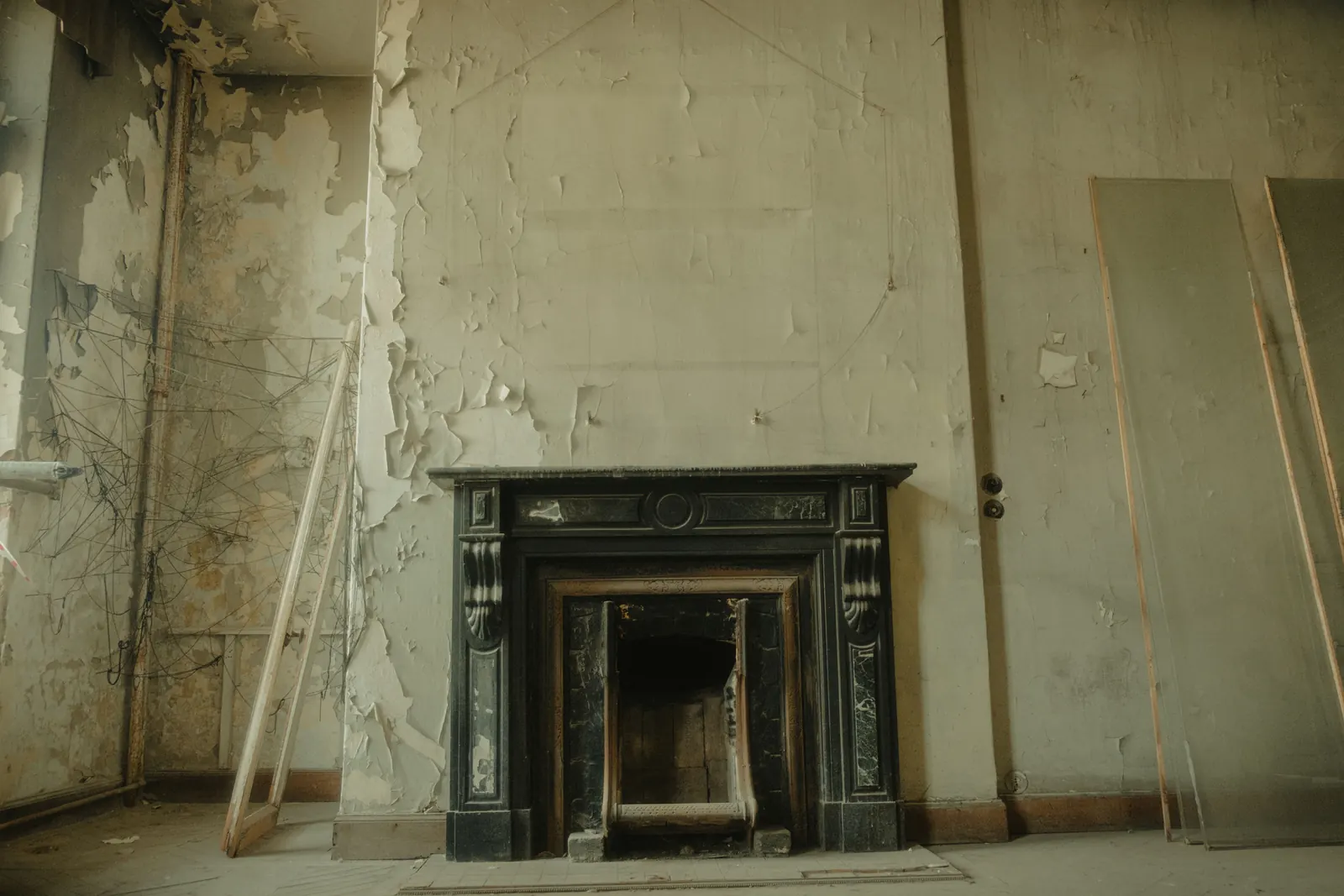 Switched to a Heat Pump? What to Do With the ChimneyA heat pump burns no fuel, so it needs no chimney or flue.
 How Does Repair Work on a Shared Chimney?Repairing a shared chimney means working on one stack that serves two or more homes, so the owners need to agree on the scope, the roof access and how the cost is divided before work starts.
 Why Is My Chimney Leaning Away From the House?A chimney pulls away from the house when its base sinks or its masonry gives out.
Why homeowners call Pro 1
18,000+ Chimney Jobs. One Standard.
15+ years and 18,000+ chimney jobs taught us what homeowners want: a crew that shows up, explains it plainly and leaves the house as clean as they found it.
$500 OFF any chimney service
- Our own local crews
The people at your door work for us and live in the area. We never send subcontractors.
- Licensed and insured
Your home and our crew are covered on every job, from a sweep to a full rebuild.
- Free written estimate
You see what we found and what it takes to fix it, in writing, before any work starts.
- Upfront pricing
The price we write down is the price you pay. No hidden fees and no surprise add-ons.
- Fast response
Open 24 hours Sunday to Friday, with a real person on the phone and same-day visits when we can.
- Clean, careful work
Floors and furniture covered, the roof and yard cleaned up, and a walk-through when we finish.

Limited time offer
$500 OFF
Any chimney service. Mention it when you call or book online.
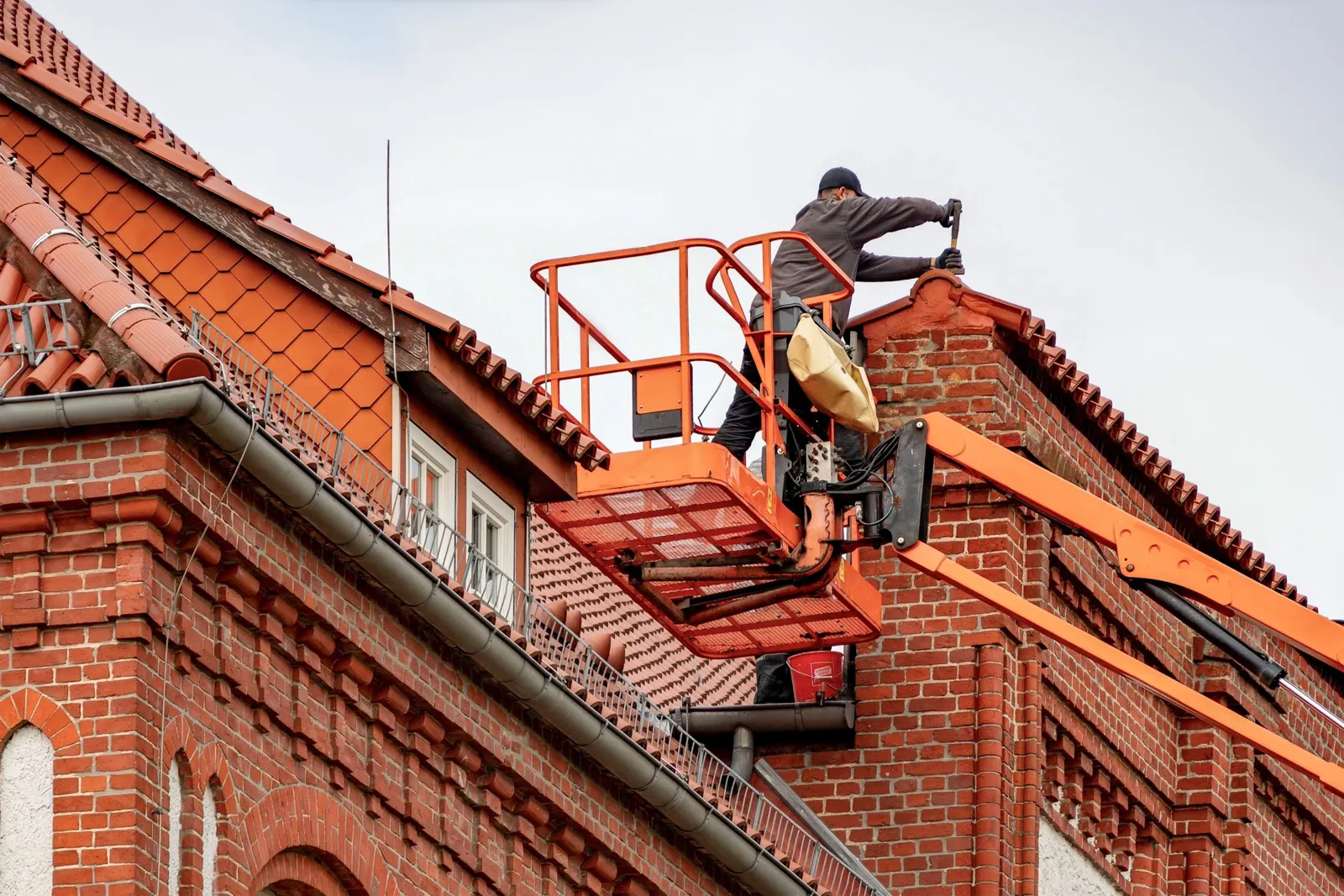
Simple from the first call
How It Works
- Your callCall, text or book online
Tell us what you see or smell. A real person from our team answers and sets a time that suits you.
- The visitFree chimney inspection
Our own crew arrives in a marked Pro 1 van, covers the floor and inspects the chimney from the firebox to the cap, free of charge.
- The estimateFree written estimate
We walk you through what we found, in plain words, and put any repair in writing before work starts.
- The workThe job, done right
We do the work, clean up the roof, the yard and the room, and walk you through the finished job.
Book before the holidays. Fireplaces get their heaviest use from Thanksgiving to New Year. A free inspection now catches nests, creosote and cracked flue tiles before the first big fire and the family gatherings.
Book My Free InspectionGet a Free Estimate
Leave your details and our local team calls you back to set a time.
