
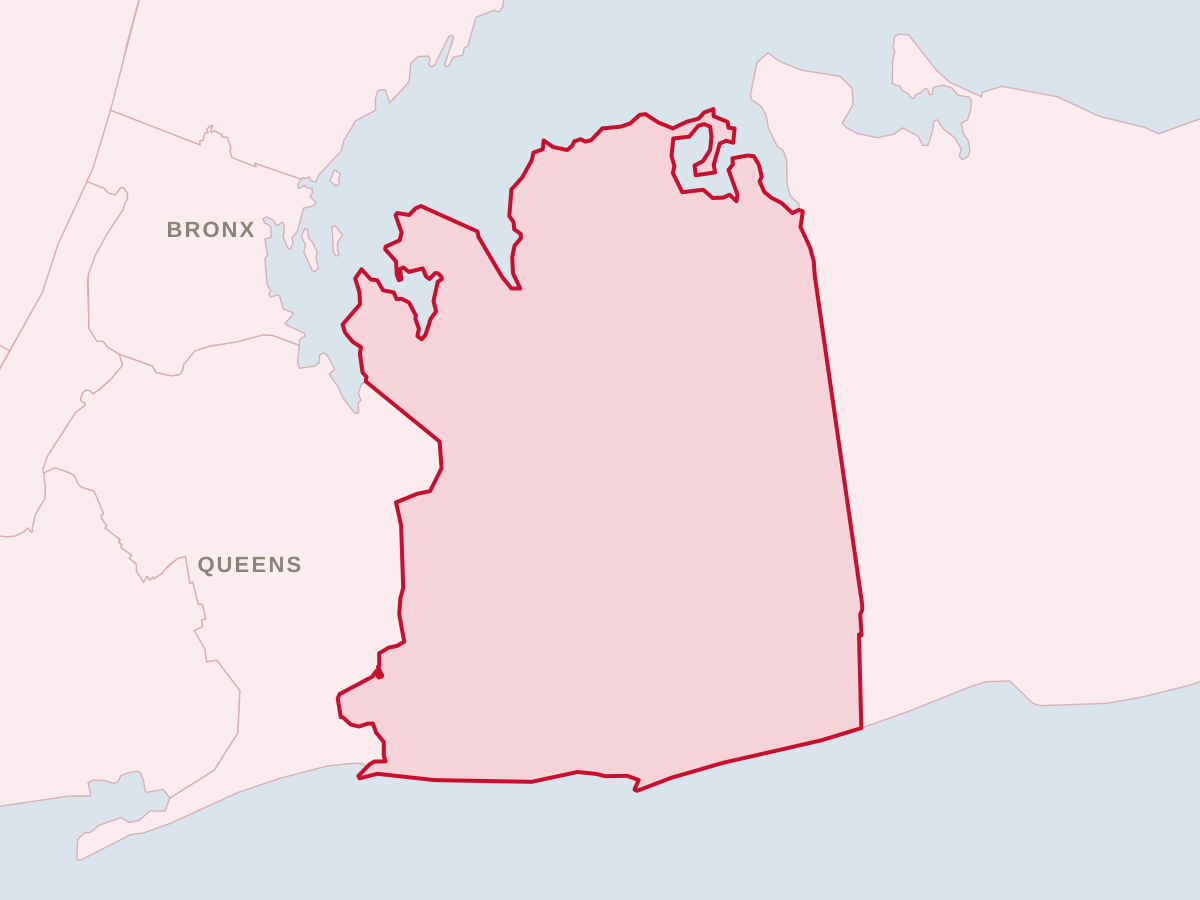
 Nassau County
Local guide
Chimney Care in Nassau County, NY: What Local Homeowners Should Know
Nassau County is mostly postwar housing, with a third of homes built in the 1950s, and about a quarter of households still heat with oil. That puts a lot of wear on boiler flues. Add coastal storms on the South Shore and freeze-thaw winters, and the routine is clear: inspect yearly, clean as needed and keep crowns and caps tight.
Built in the postwar boom
Until World War II most of Nassau County was farmland. Then families poured in from Brooklyn and Queens, and recent Census estimates show about 33% of today's housing units were built in the 1950s alone. Levitt & Sons built Levittown between 1947 and 1951, and Massapequa grew from about 3,500 residents in 1940 to roughly 40,000 by 1960. Elmont filled with tract homes, many of them Cape Cod variations with a brick-veneer first story.
Older pockets remain. Garden City still has Victorian homes near the old hotel grounds and hundreds of 1930s houses, with split-levels and ranches filling the outer parts after the war. Long Beach builders once had to follow a Mediterranean look of white stucco and red clay tile roofs, and the West End has small bungalows on narrow streets.
The commuter villages are older still. Rockville Centre grew in the late 1800s and early 1900s along the Long Island Rail Road, Freeport's Victorian Spite House on Lena Avenue is still lived in, and in Valley Stream developer William R. Gibson began building on 500 acres along Roosevelt Avenue in 1922. Lynbrook had three homes added to the National Register in 2008.
Oil heat is still common here
About 25% of occupied homes in Nassau County heat with fuel oil, according to recent Census estimates, with utility gas at about 64%. That is a much higher oil share than in the city. An oil boiler sends soot and sulfur-bearing exhaust up the chimney, and over the years the deposits can narrow the flue and wear down clay liners and mortar joints.
Many owners are replacing old boilers with high-efficiency or gas units. When that happens, the chimney that worked for the old system may be oversized for the new one, which invites condensation inside the flue. Having the flue evaluated and relined if needed is part of a sound conversion.
Some systems were unusual from the start. The 1949 Levitt ranch sat on a concrete slab and was heated by hot-water radiant pipes, and only a few Levittown houses remain unaltered, so heating and venting in those homes vary widely from one house to the next.
Coastal weather on both shores
Nassau's climate is like other coastal parts of the Northeast, with warm, humid summers and cool, wet winters. Long Island averages roughly 20 to 35 inches of snow a year, with the north shore and western areas getting more than the immediate south shore. Hurricane Sandy did extensive damage to low-lying coastal areas of the county in 2012. Wet brick that freezes cracks a little more each winter, and coastal wind can loosen caps and flashing.
Chimney care for Nassau homes
On a typical Nassau house, these are the habits that pay off:
Many postwar Cape Cods had their attics finished into bedrooms years after they were built. Where a chimney passes through that space, the gap between masonry and wood framing deserves a careful look.
- Schedule an inspection at least once a year, which is what NFPA 211 recommends for chimneys, fireplaces and vents.
- Have oil-heated flues cleaned whenever soot and scale build up.
- On Cape Cods and ranches, check the flashing where a short chimney meets the roof, a frequent leak point.
- Get an inspection after a chimney fire or a storm that may have caused damage.
Villages, hamlets and historic districts
Nassau is a patchwork of incorporated villages and unincorporated hamlets, so who you call depends on the address: the village for places like Garden City, Rockville Centre or Freeport, the town for hamlets such as Levittown or Hicksville. Port Washington has the Main Street, Mill Pond and Port Washington Heights historic districts, and Garden City's A. T. Stewart Era Buildings are on the National Register. Where a home is locally designated, exterior chimney changes can need approval from the local historic preservation body; otherwise, check with your village or town building department.
Hempstead, which incorporated in 1853 as the first community in what was then Queens County to do so, was once a center of Long Island society where families such as the Vanderbilts and the Belmonts built homes.


