 Lehigh County
Local guide
Chimney Care in Lehigh County, PA: What Local Homeowners Should Know
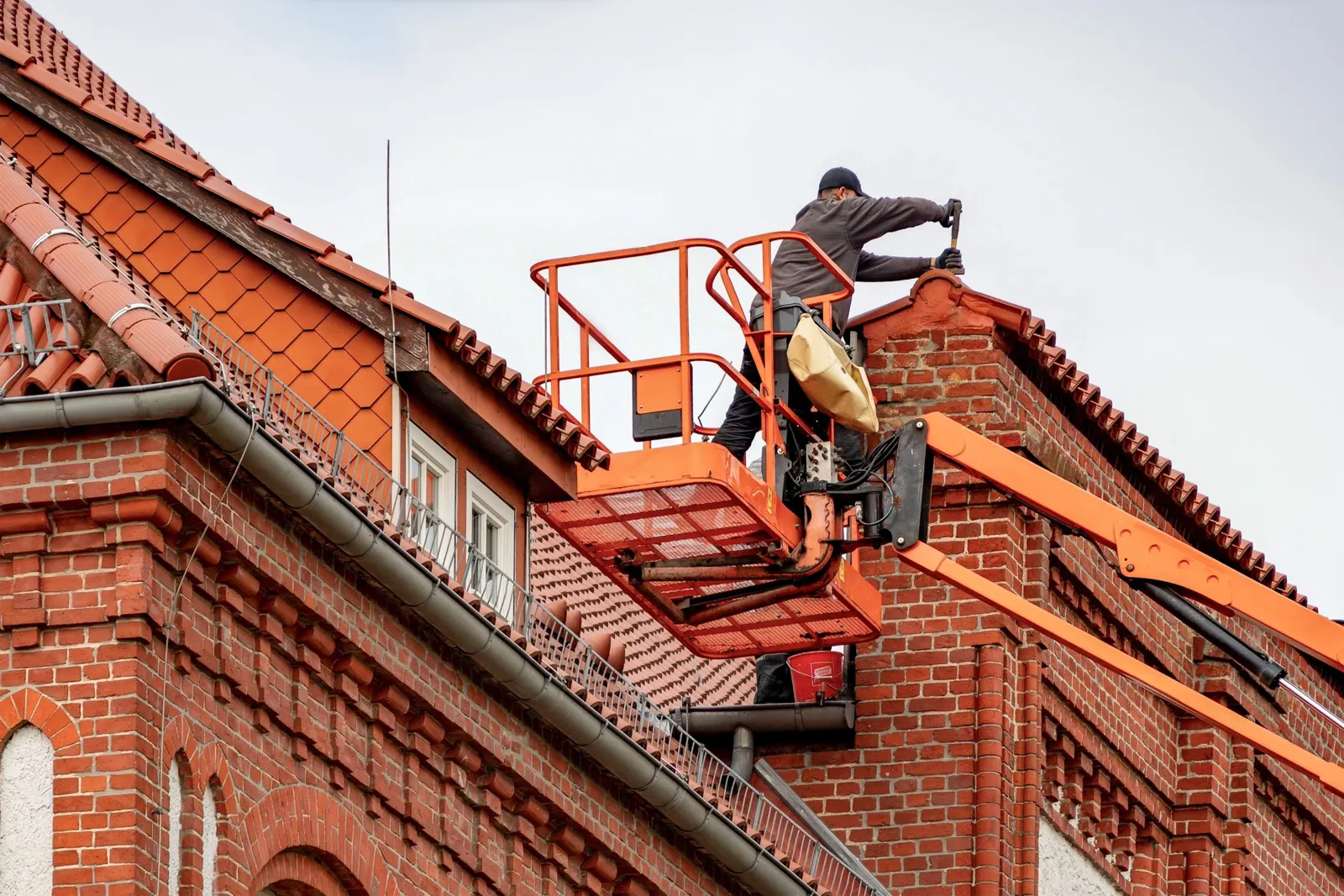
Lehigh County winters are cold and snowy, with Allentown's January days hovering around freezing and about 32 inches of snow a year. Chimneys range from Victorian rowhouses in Center City Allentown to colonial stone in Emmaus and new homes in the Macungie townships. Keep crowns sealed, liners matched to your heating system and every flue inspected yearly.
Between two mountains, a real winter
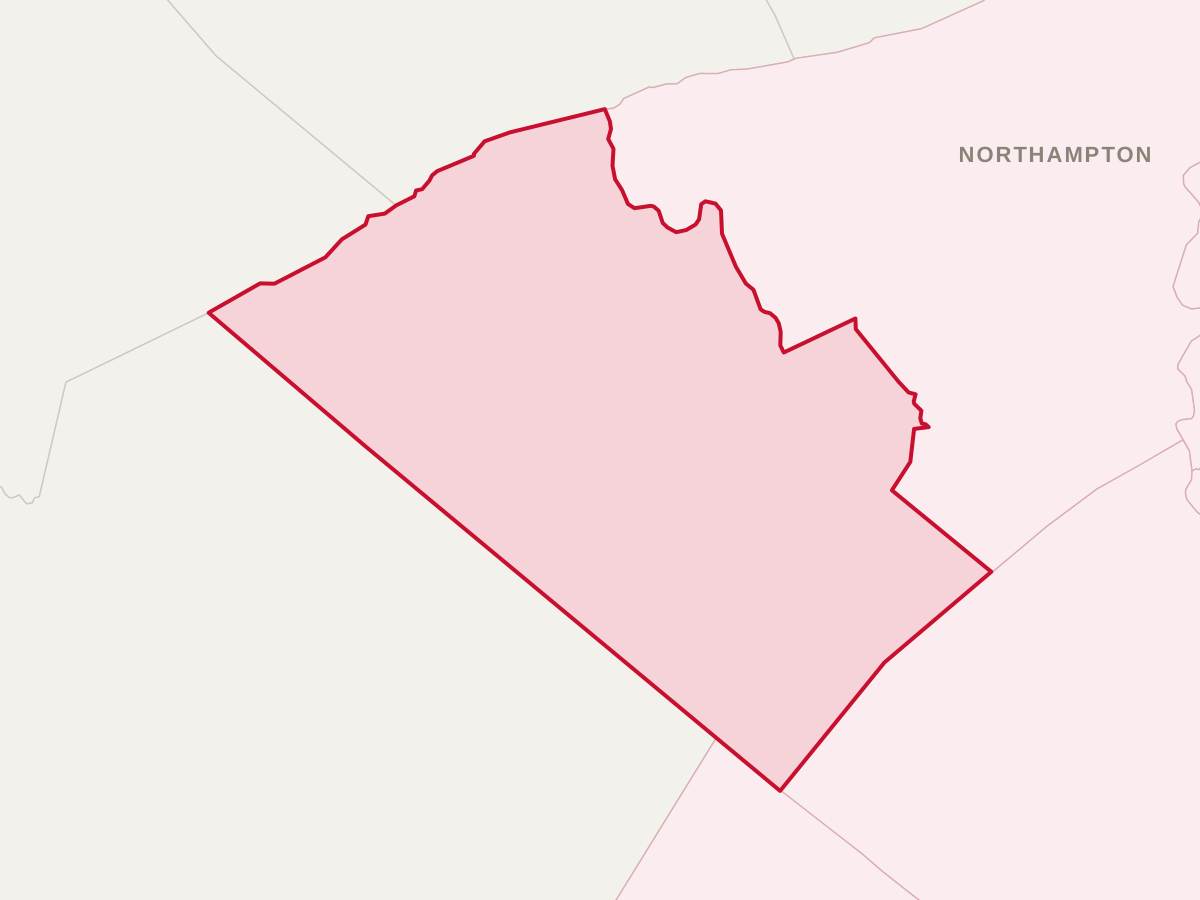
Lehigh County lies between Blue Mountain to the north and South Mountain to the south, with a humid continental climate that has cooler summers on the higher ground. In Allentown, January highs average about 34 degrees and lows about 21, which means daily freezing and thawing through much of the winter. Snow averages 32.4 inches a year, with January and February getting about nine inches each, and some winters bring many significant storms. Wet days come eight to twelve times a month, and rain averages about 43.5 inches a year.
For a chimney, that combination is the main source of wear. The crown and the top few courses of brick stay wet the longest, and they are where freeze damage usually starts. In most of the county the hardiness zone has shifted from 6b to 7a, with 6b holding on in some northern and higher areas.
From Center City rowhouses to new townships
Allentown's housing changes block by block. Center City has Victorian and terraced rowhouses, West Park is mostly Victorian and Craftsman homes, the tree-lined West End was built mostly between the 1920s and 1940s, and the East and South Sides are mainly single and twin homes from the 1940s to the 1960s. Old Allentown, Old Fairgrounds and West Park are historic districts. The city grew as an industrial center after the Lehigh Canal opened in 1827.
Around it, the county keeps much older and much newer houses. Emmaus, settled by German Protestants in the early 1700s, has the Shelter House of 1734, the oldest continuously occupied building in the Lehigh Valley. Whitehall became a bedroom suburb of Allentown after World War II. Lower Macungie, with 32,426 people in 2020, is now the second-largest population center in the county, and Upper Macungie, with villages such as Breinigsville, Fogelsville and Trexlertown, was among the fastest-growing municipalities in Pennsylvania between 2010 and 2020. South Whitehall keeps colonial work such as the Lorenz Guth house near Wehr's Dam, and Salisbury Township is split in two by the Allentown and Emmaus border, with villages such as Farmington and Summit Lawn.
When the furnace changes, check the chimney
In many Allentown twins and singles from the 1940s through the 1960s, the masonry chimney was built to vent a furnace or boiler and a water heater together. When the furnace is replaced with a high-efficiency model that vents out the side of the house through plastic pipe, the water heater can be left alone in a flue far too big for it. Its cooler exhaust may not draft well and can condense inside the chimney, wearing down mortar and tile. A properly sized liner usually solves it.
Oil-fired systems bring a different problem. Soot and scale build up in the flue and can block it over time, and their acidic residue is hard on old mortar and tile. If your house switched from oil to gas, have the old flue cleaned before the new system starts using it.
Historic districts in Allentown and beyond
If your home is in one of Allentown's historic districts or is a designated landmark elsewhere in the county, ask the local historic preservation body whether exterior chimney work needs approval first. Emmaus has three National Register homes from the 1700s and early 1800s, and Whitehall's Helfrich Springs Grist Mill is listed too. For other homes, check with your city, borough or township building department about what a repair or relining requires.
A yearly checklist for Lehigh County chimneys
Pro 1 Chimney is family-owned and sends its own licensed and insured crew to homes across Lehigh County.
- An inspection of every chimney, fireplace and vent once a year, as the NFPA 211 standard calls for
- A cleaning when soot or creosote deposits build up
- A crown free of cracks, and a cap on every flue
- Flashing that is tight and sealed after the snow season
- On older brick, mortar repairs that match the original