
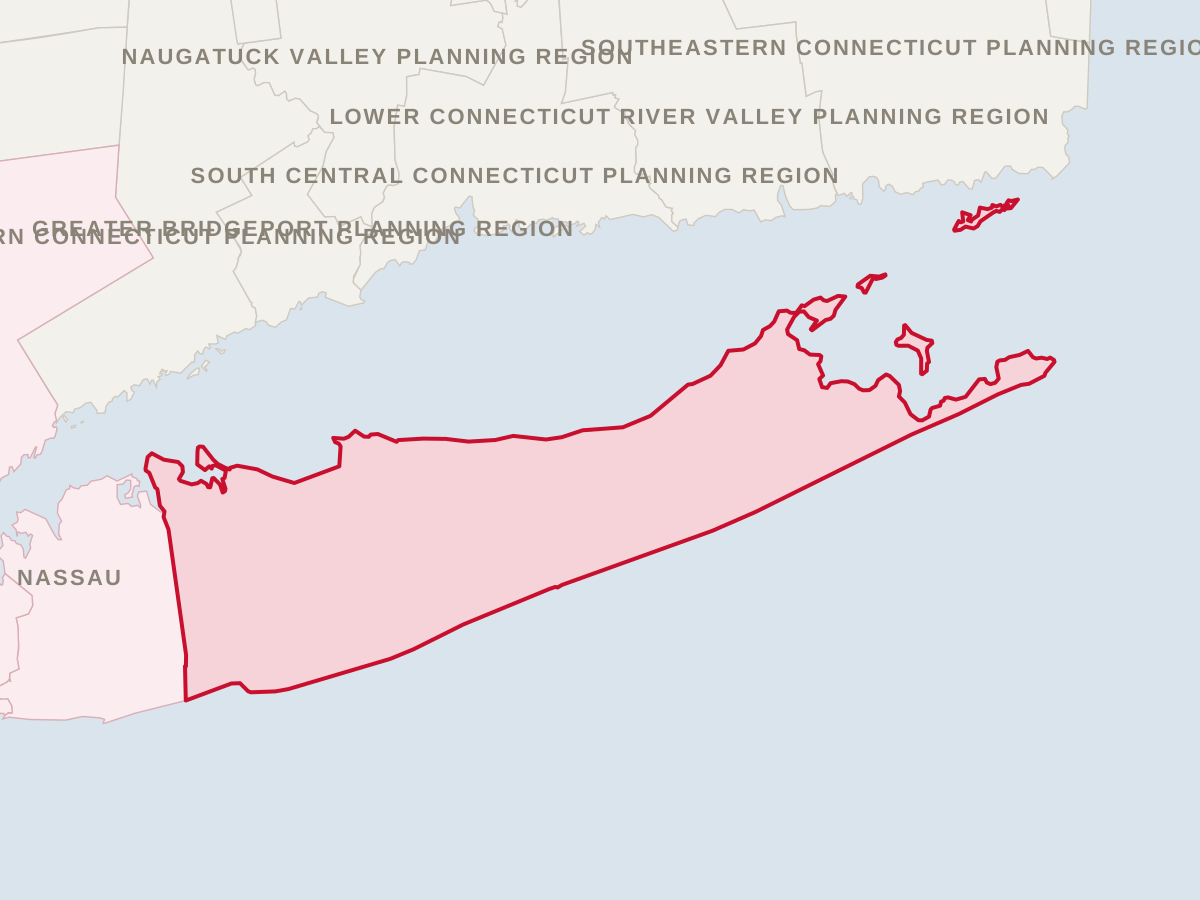
 Suffolk County
Local guide
Chimney Care in Suffolk County, NY: What Local Homeowners Should Know
In Suffolk County, fuel oil heats about as many homes as gas does, so many chimneys carry oil boiler exhaust all winter. Most houses date from the 1950s through the 1970s, and South Shore villages flooded badly in Hurricane Sandy. Yearly inspections, regular cleaning of oil flues and checks after storms are the local priorities.
Where oil heat still rules
Suffolk is one of the most oil-heated counties in the region. Recent Census estimates show fuel oil heating about 42% of occupied homes, about the same share as utility gas, with propane at around 4% and a small number of homes burning wood. For chimney owners, that matters a great deal.
Oil burners leave soot and scale that collect in the flue and can block the base of the chimney. Sulfur in the exhaust mixes with moisture to form acids that wear on clay liners and mortar. A flue that has carried oil exhaust for decades often shows cracked or flaking tiles. Annual inspection and cleaning when deposits build up, both in line with NFPA 211, keep those problems from becoming a blocked or leaking flue.
Propane appliances behave much like natural gas ones in a chimney: little soot, a lot of water vapor. Wood fires leave creosote, which is flammable and has to come out before it builds into a fire risk.
Snowstorms and storm surge
Average January temperatures in Hauppauge sit right around 31 degrees, the edge where wet brick freezes and thaws over and over. Snow can be heavy: on February 23, 2026, Central Islip recorded 31 inches, the largest single-day snowfall on record in the county.
The South Shore faces water as well as cold. Hurricane Sandy flooded more than half of Lindenhurst's streets in 2012, with water up to 6 feet deep south of Montauk Highway, and many homes in Babylon Village had major flood and wind damage. A low-lying coastal geography has pushed the county to plan for sea-level rise. Basements that flood can take boilers and the base of the chimney with them.
Long Island as a whole averages roughly 20 to 35 inches of snow a year, though a single winter can bring far more.
Homes from the postwar decades
Most of Suffolk's housing is relatively young. Census estimates show the largest shares built in the 1950s, 1960s and 1970s, and only about 9% from before 1940. Deer Park was farmland until the postwar boom, and Brentwood grew into the most populous census-designated place on Long Island outside the city. Older survivors stand out: two octagon houses from Brentwood's Modern Times era, Sagtikos Manor in West Bay Shore from around 1697, and Huntington's old village center.
Local history shows up in the details. Before 1940 a firm baked red bricks in West Deer Park, now Wheatley Heights. Bay Shore became known for summer resorts in the late 1800s, Huntington Station grew around its railroad stop, and Patchogue incorporated as a village in 1893. Commack's Methodist church, built in 1789, is the oldest Methodist church building in New York State.
What to stay on top of
With so many oil boilers and so much weather, Suffolk owners should keep a short list in mind:
Oil tanks, burners and chimneys work as one system. A burner out of adjustment makes far more soot, so when a cleaning turns up heavy deposits, it is worth having the burner serviced as well.
- An inspection every year, plus cleaning whenever oil soot or creosote builds up.
- A liner check when an oil boiler is replaced, since a new unit may not match the old flue.
- A look at caps, crowns and flashing after nor'easters and heavy snow.
- An inspection after a chimney fire, flooding or any storm that may have damaged the system.
Historic districts and town offices
Huntington has three National Register historic districts: Old Town Green, Old Town Hall and West Neck Road. Smithtown has the Blydenburgh Park and Wyandanch Club districts. If your house is locally designated, exterior chimney changes can need approval from the local historic preservation body. Otherwise, check with your village or town building department, since Suffolk is split among towns like Huntington, Babylon, Islip, Smithtown and Brookhaven and the villages inside them.


