
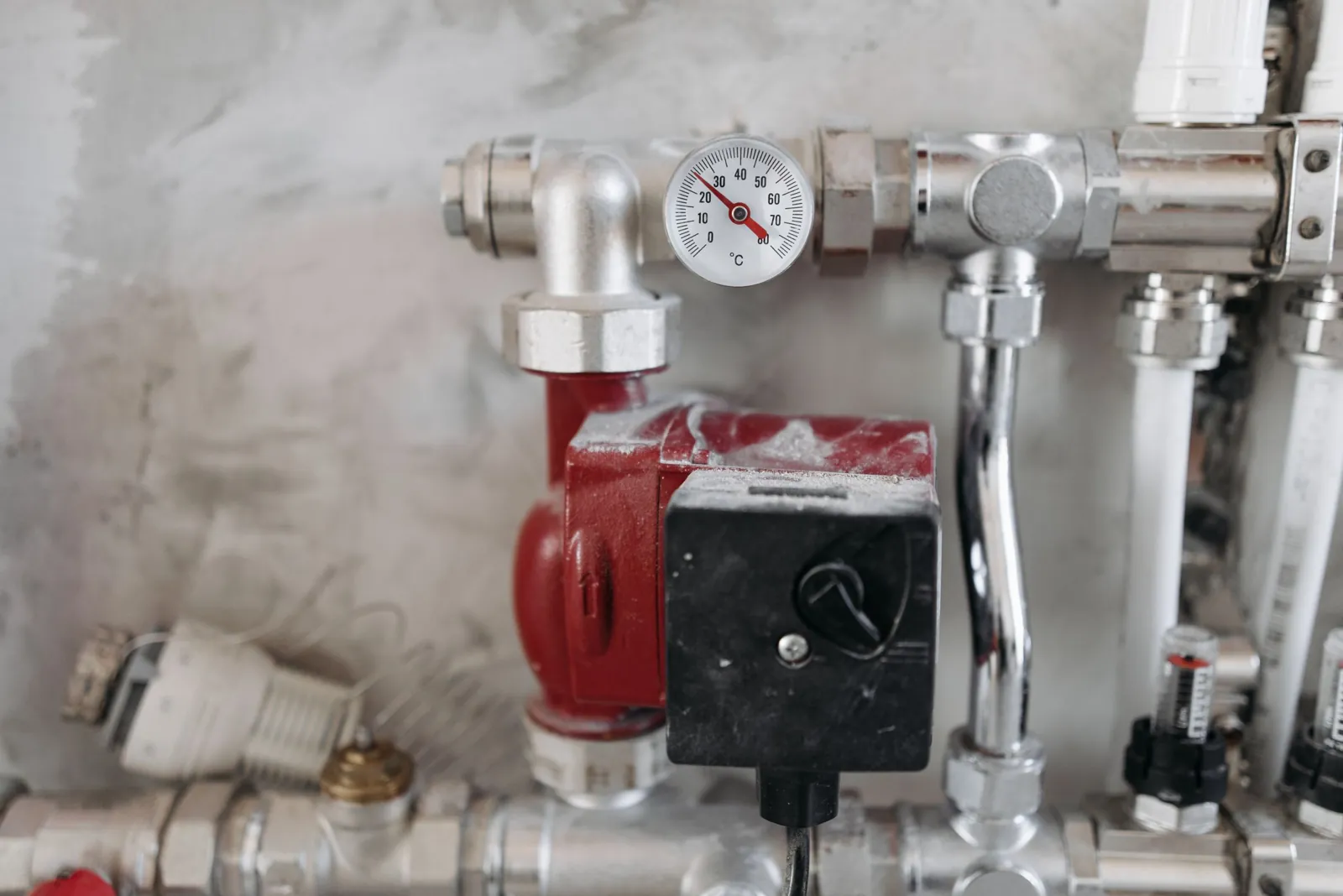
Boiler Chimney Relining for NY, NJ and Philadelphia Homes
In a lot of New York, New Jersey and the Philadelphia area houses, the busiest flue is not the fireplace. It is the one that carries exhaust from the oil or gas boiler and the water heater in the basement, all year round. That exhaust is wet and acidic, and over time it eats into old clay tiles and mortar that were not made for it.
About Boiler Chimney Relining
In many homes, the boiler and water heater flue is the busiest one in the chimney. It carries exhaust every day of the heating season, and the water heater uses it all year. Oil exhaust leaves soot and sulfur; gas exhaust carries large amounts of water vapor. When that vapor cools inside the flue, it condenses into a mildly acidic liquid that attacks the mortar between clay tiles and the tiles themselves.
Heating flues in prewar and midcentury homes were built for appliances that ran hotter and wasted more heat. Today's boilers and water heaters send cooler exhaust up the same large flues, so condensation increases. Conversions from oil to gas, a common change here, make it worse, and so does the swap to a high-efficiency boiler that vents out the wall, which leaves a water heater alone in a flue far too big for it.
A relining job sizes the liner for what will actually vent into it, based on the appliance instructions and venting tables. The liner is usually stainless steel rated for the fuel, sometimes insulated to keep the flue warm. It connects to the appliance vent pipe through a tee with a cleanout at the base, and it is sealed and capped at the top. After installation, the draft is checked with the appliances running.
What Our Crew Does
- Every appliance on the flue listed with its fuel and size
- Flue checked from the cleanout, the vent connection and the roof
- Liner size worked out from the appliance requirements
- Old broken tile cleared if it blocks the new liner
- Stainless liner lowered and insulated where needed
- Tee and cleanout installed at the base, connected to the vent pipe
- Top plate and cap sealed
- Draft tested with the boiler and water heater running
When to Call Us
- Crumbled tile or mortar in the chimney cleanout
- Water or white staining where the vent pipe enters the chimney
- A new boiler or water heater was just installed
- The boiler was switched from oil to gas
- The boiler now vents out the wall and the water heater still uses the chimney
How the Job Goes
- See what vents in
We note every appliance on the flue, its fuel and its size, and check the flue from the cleanout and the roof.
- Size the liner
The liner is sized from the appliance instructions for what actually vents into it, together or on separate liners.
- Run and connect
A stainless steel liner rated for the fuel is run down the flue and connected at the base, with a cleanout.
- Cap and check the draft
The top is capped and sealed, and we confirm the exhaust draws up the flue with the appliances running.
Your Options
Boiler and water heater on their own liners, each sized correctly. Common when the flue is wide enough.
Two appliances sharing one liner through a connector, where the appliance instructions and venting tables allow it.
Wrapped with insulation to keep the flue warm, which reduces condensation on exterior chimneys.
Different alloys and thicknesses suit different fuels. Oil flues need a liner that handles soot and higher temperatures.
What Affects the Cost
- Length of the run from the basement connection to the top, and how many liners it holds
- Liner material and insulation
- Removing old tile or debris
- Bends or offsets in the flue
- The base connection, tee and cleanout
- Coordination with a heating contractor for appliance changes
Every job starts with a free written estimate, so you know the price before we start.
When It Cannot Wait
- Alarms from the carbon monoxide detectors: everyone out, then 911
- Soot or exhaust smell around the boiler or water heater
- Water dripping from the vent pipe or the chimney base
- Debris blocking the base of the flue
Make It Last
- Have the boiler serviced each year so it burns cleanly
- Keep the cleanout door at the base of the chimney closed tightly
- Have the flue checked whenever a heating appliance is replaced
- Watch for water or rust where the vent pipe enters the chimney
Questions About Boiler Chimney Relining
Why do gas appliances wear out chimneys?
My boiler now vents through the wall. Is my water heater okay?
Is this the same as a fireplace liner?
Do you work with my heating contractor?
Will my heat be off during the relining?
Why does my water heater need a liner after the boiler was replaced?
Guides From Our Crew
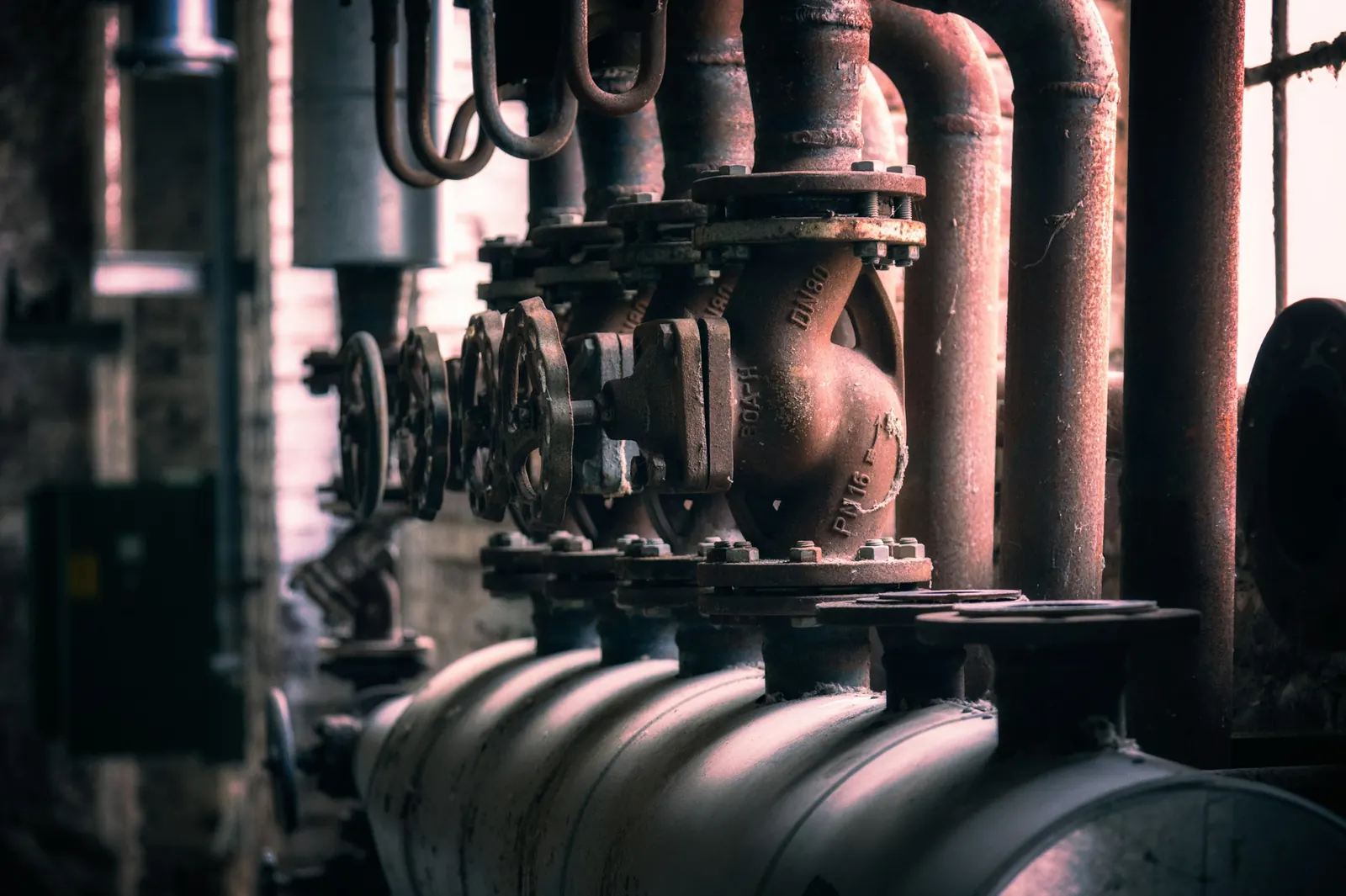 Do You Need a Chimney Liner for an Oil Furnace?An oil furnace or boiler venting into a masonry chimney needs a sound liner sized for the burner.
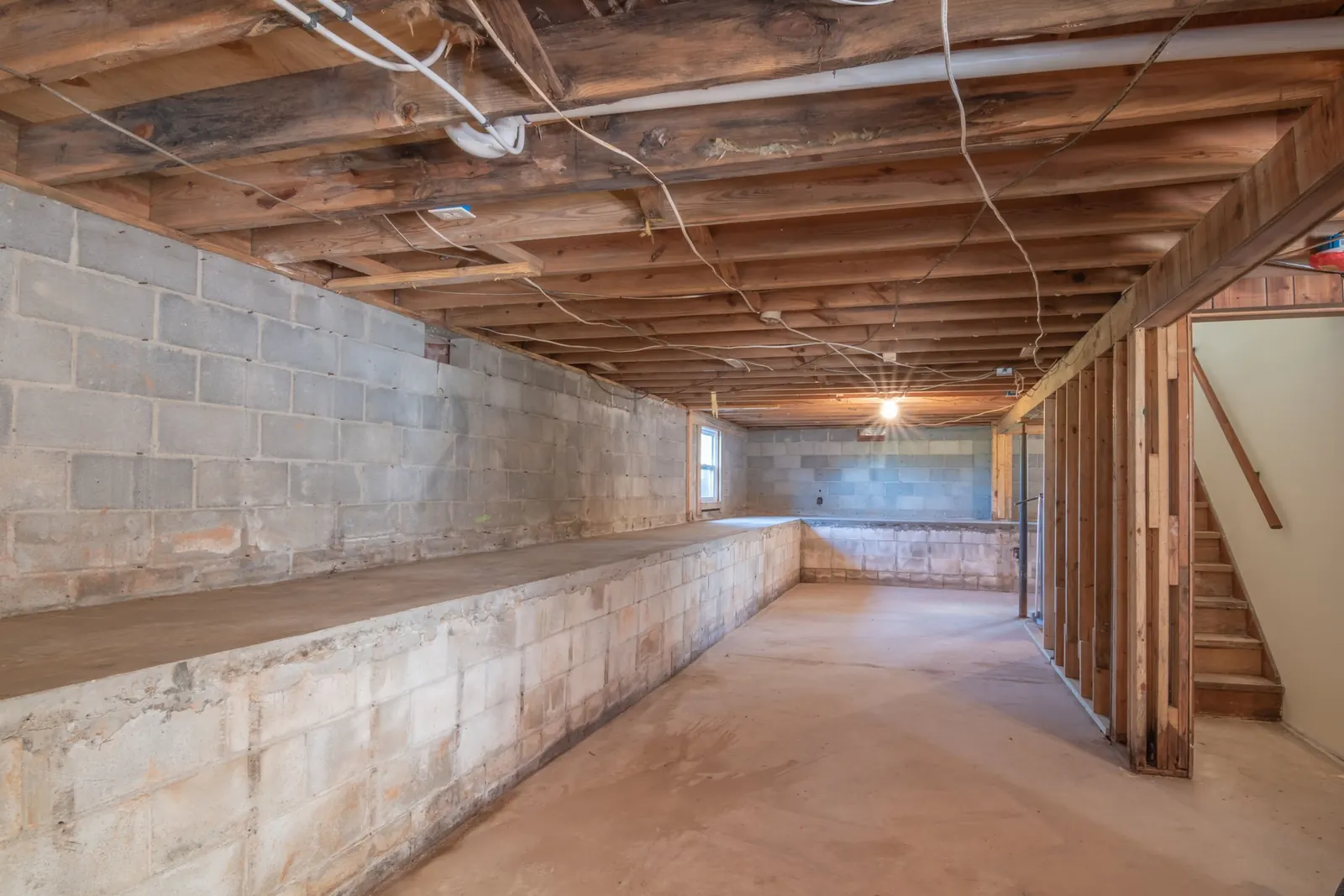 Do You Need a New Liner After an Oil to Gas Conversion?Often you do.
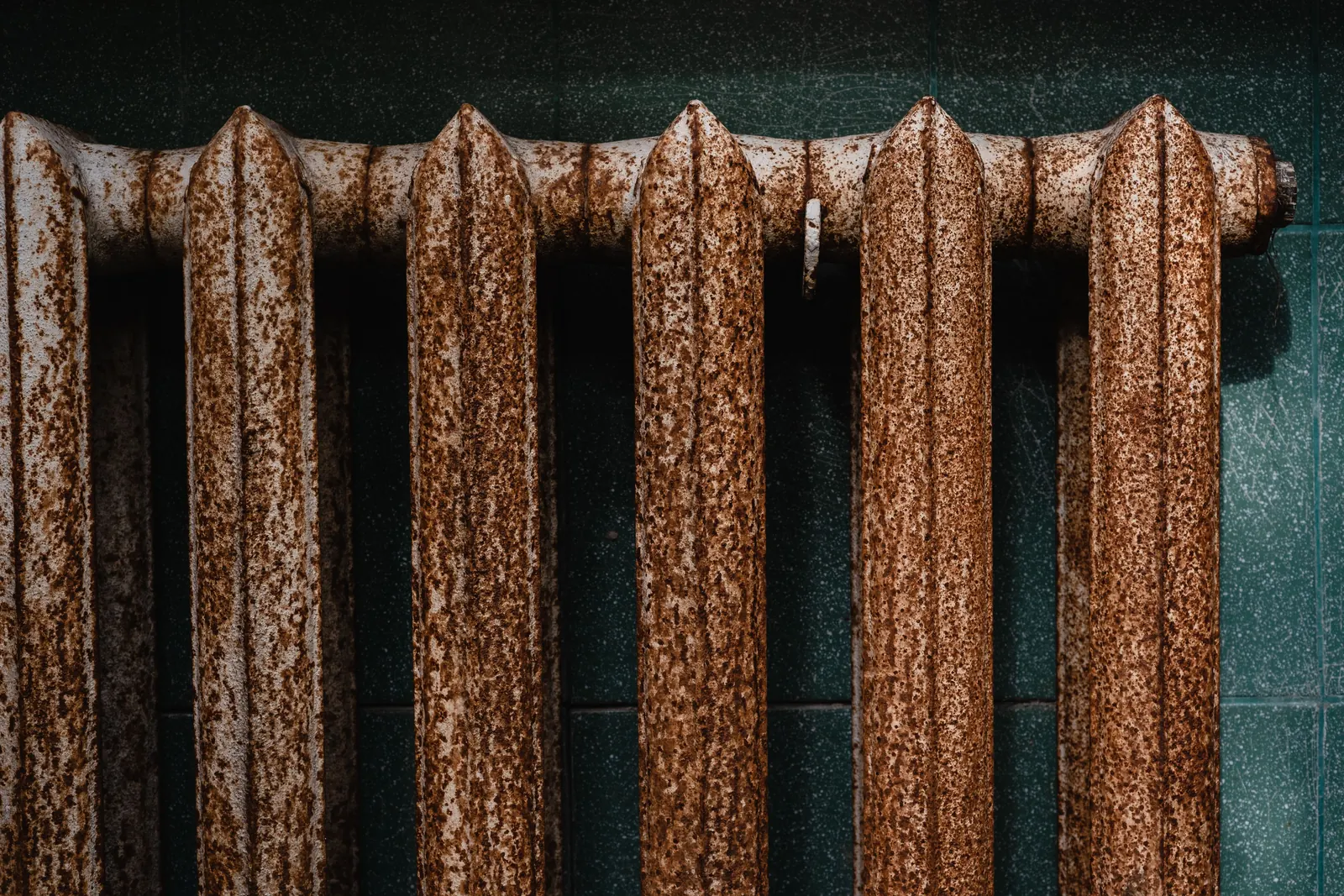 Orphaned Water Heater: Why the Chimney Needs a LookAn orphaned water heater is a gas or oil water heater left venting alone into a chimney after the boiler or furnace that shared it was replaced or removed.
 Does a Gas Water Heater Need a Chimney Liner?A gas water heater that vents into a masonry chimney needs a flue in good condition and sized for it, and in many older houses that means a liner.
 Chimney Condensation: Why the Flue Gets WetChimney condensation is water that forms when warm, moist exhaust from a boiler, furnace or water heater cools inside a cold flue and its vapor turns to liquid.
 Can a High-Efficiency Furnace Vent Into a Chimney?Condensing high-efficiency furnaces and boilers cannot use a masonry chimney flue as their vent.
Why homeowners call Pro 1
18,000+ Chimney Jobs. One Standard.
15+ years and 18,000+ chimney jobs taught us what homeowners want: a crew that shows up, explains it plainly and leaves the house as clean as they found it.
$500 OFF any chimney service
- Our own local crews
The people at your door work for us and live in the area. We never send subcontractors.
- Licensed and insured
Your home and our crew are covered on every job, from a sweep to a full rebuild.
- Free written estimate
You see what we found and what it takes to fix it, in writing, before any work starts.
- Upfront pricing
The price we write down is the price you pay. No hidden fees and no surprise add-ons.
- Fast response
Open 24 hours Sunday to Friday, with a real person on the phone and same-day visits when we can.
- Clean, careful work
Floors and furniture covered, the roof and yard cleaned up, and a walk-through when we finish.

Limited time offer
$500 OFF
Any chimney service. Mention it when you call or book online.

Simple from the first call
How It Works
- Your callCall, text or book online
Tell us what you see or smell. A real person from our team answers and sets a time that suits you.
- The visitFree chimney inspection
Our own crew arrives in a marked Pro 1 van, covers the floor and inspects the chimney from the firebox to the cap, free of charge.
- The estimateFree written estimate
We walk you through what we found, in plain words, and put any repair in writing before work starts.
- The workThe job, done right
We do the work, clean up the roof, the yard and the room, and walk you through the finished job.
Book before the holidays. Fireplaces get their heaviest use from Thanksgiving to New Year. A free inspection now catches nests, creosote and cracked flue tiles before the first big fire and the family gatherings.
Book My Free InspectionGet a Free Estimate
Leave your details and our local team calls you back to set a time.
