
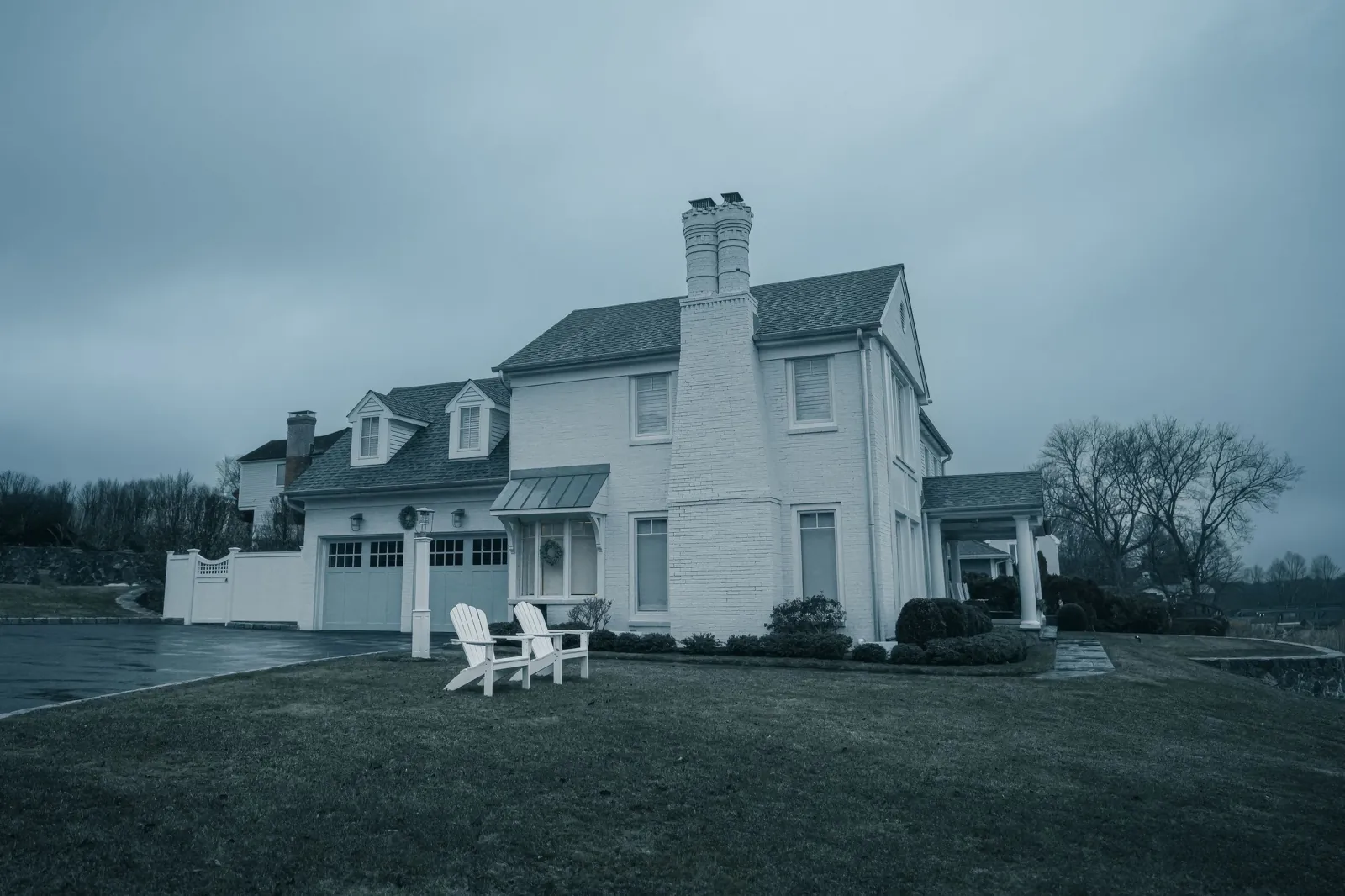
Your Local Chimney Extension Crew
Raising a chimney is often the answer when a new second story, a dormer or a taller house next door leaves the top too low. A short chimney can draft poorly in wind. Building codes set how far a chimney must rise above the roof and anything close to it, and we check your chimney against your local code before we propose a fix.
About Chimney Extension
Height is one of the main forces behind draft. A chimney that rises well clear of the roof sits in steady moving air, and its flue column is tall enough to pull hard. A short chimney ends inside the turbulent pocket that forms where wind rolls over the ridge or off a taller wall nearby, so gusts can press down on the flue and push smoke or exhaust back into the house. Building codes set minimum heights above the roof and above nearby construction for that reason.
Chimneys around the region are often left short by later changes rather than by their builders. A second story is added to a Cape, a dormer goes up beside the stack, a rowhouse next door adds a floor, or trees grow above the roof line. A boiler flue that used to vent clear now ends below a window of the new addition. These are the cases where a chimney that worked for decades suddenly starts smoking in wind or spilling exhaust.
An extension can be built in masonry or in metal. A masonry extension adds courses of matched brick on sound brick, carries the flue tile or liner up inside, and finishes with a new crown and cap. A metal extension adds a section of listed flue pipe above the existing top, braced against wind. Either way, the new height is measured against your local code and the appliance instructions before anything is built.
What Our Crew Does
- Chimney height measured from the roof and against anything close by
- Local code and appliance requirements checked for the minimum height
- Top courses inspected and rebuilt first if loose
- Masonry or metal method chosen with you
- Flue tile or liner carried up through the new section
- New crown and cap fitted, or bracing installed for a metal extension
- Draft confirmed at the new height
When to Call Us
- You added a second story, a dormer or a raised roof
- The fireplace smokes mostly on windy days
- The chimney top sits below a nearby roof ridge or wall
- Smoke stains on the siding or shingles near the top
- A building or roof inspector noted the chimney height
How the Job Goes
- Measure it
We measure the chimney against the roof and anything nearby, and check what your local code and the appliance instructions call for.
- Choose the method
New courses of brick matched to the old, or a metal flue extension where that suits the flue and the house better.
- Build it up
Sound masonry is built up, the flue tile or liner is carried to the new top, and a new crown and cap finish it.
- Test the draft
We check that smoke or exhaust draws well at the new height before we pack up.
Your Options
New courses matched to the existing brick and mortar, with the flue continued up inside. Looks like part of the original chimney.
A listed stainless section that continues the flue above the existing crown, braced to resist wind. Quicker and lighter, but visibly metal.
A tall clay pot set on the crown over the flue. Adds modest height and suits older and historic houses.
Where the chimney is only marginally short, a cap that shields the flue from downdrafts may be enough.
What Affects the Cost
- How much height has to be added
- Brick or metal construction
- Rebuilding loose top courses before new height goes on
- Bracing and roof anchors for a tall extension
- Carrying the flue tile or liner to the new top
- New crown, cap and scaffold or roof access
Every job starts with a free written estimate, so you know the price before we start.
When It Cannot Wait
- Exhaust from a boiler or water heater flue drifting into a window of a new addition
- A metal extension that sways, has loose bracing or has tilted
- Repeated smoke in the room during wind after a neighbor added height
- Carbon monoxide alarms that go off mainly on windy days: get out and call 911
Make It Last
- Look over the extension from the ground after storms for movement or loose braces
- Keep the new crown and cap maintained like any chimney top
- Check a metal extension's joints and bracing during each yearly inspection
- Before any addition or roof change, have the chimney height checked against the new design
Questions About Chimney Extension
How do I know if my chimney is tall enough?
Can you add height to an old chimney?
Will the extension look added on?
Does a chimney extension need a permit?
Will extra height make the chimney too heavy?
Can only one flue be extended?
Guides From Our Crew
 How Tall Should a Chimney Be Above the Roof?A masonry chimney generally has to rise well clear of the roof and of anything nearby.
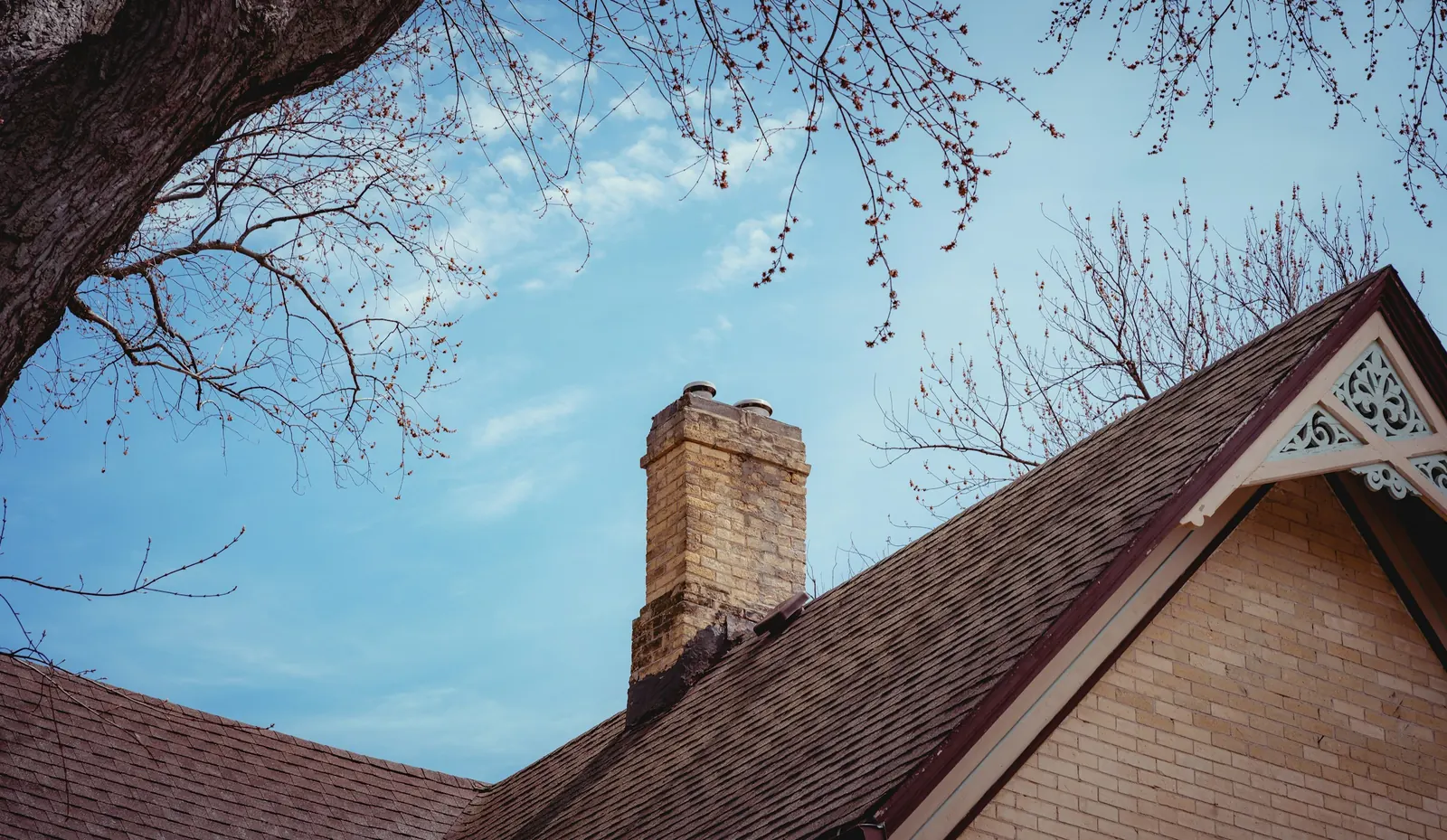 What Causes a Chimney Downdraft?Downdraft is air flowing down the chimney instead of up.
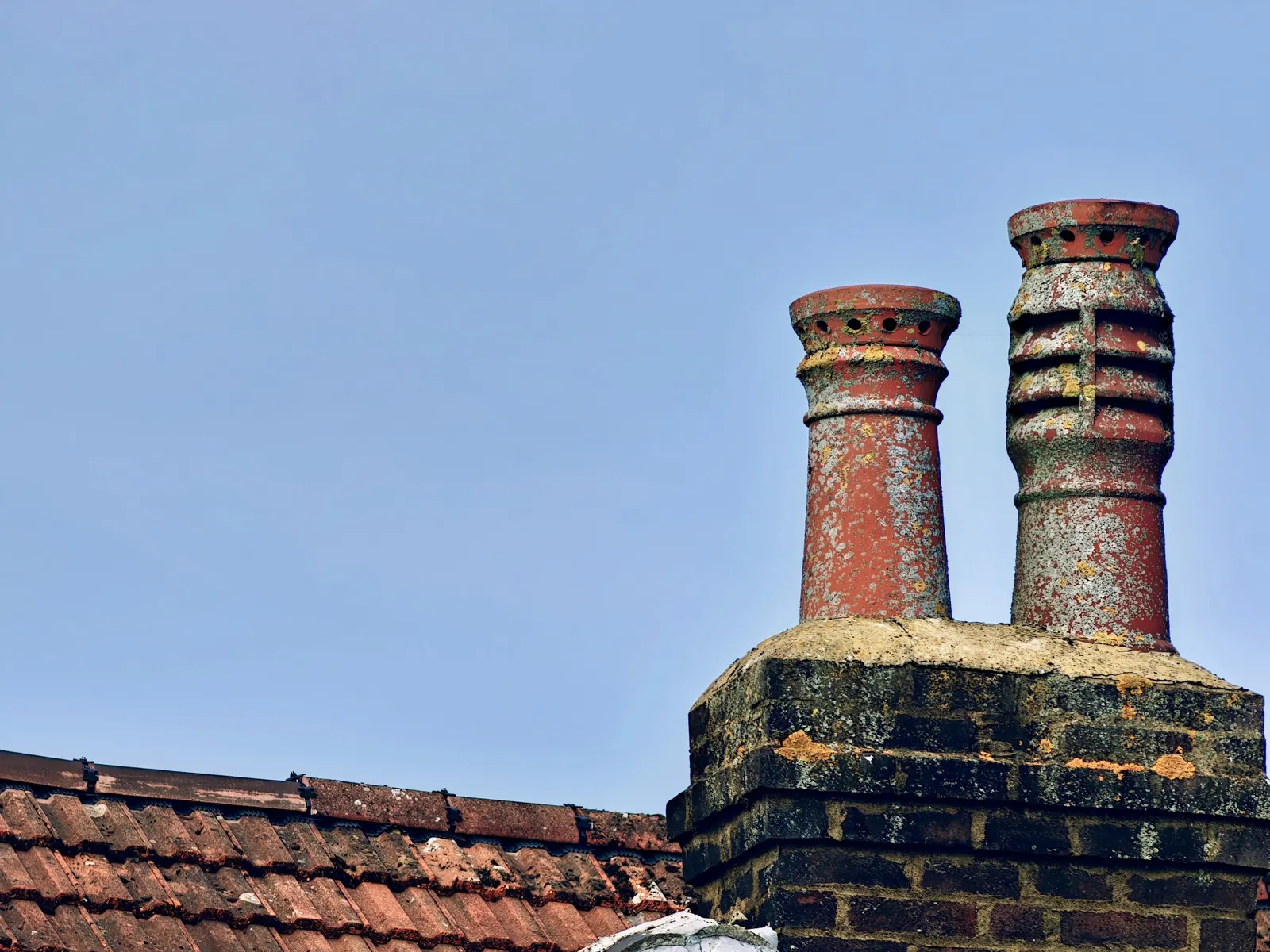 Chimney Pots: What They Do and When to Replace OneA chimney pot is a clay, terra cotta or metal extension set on top of a chimney over a single flue.
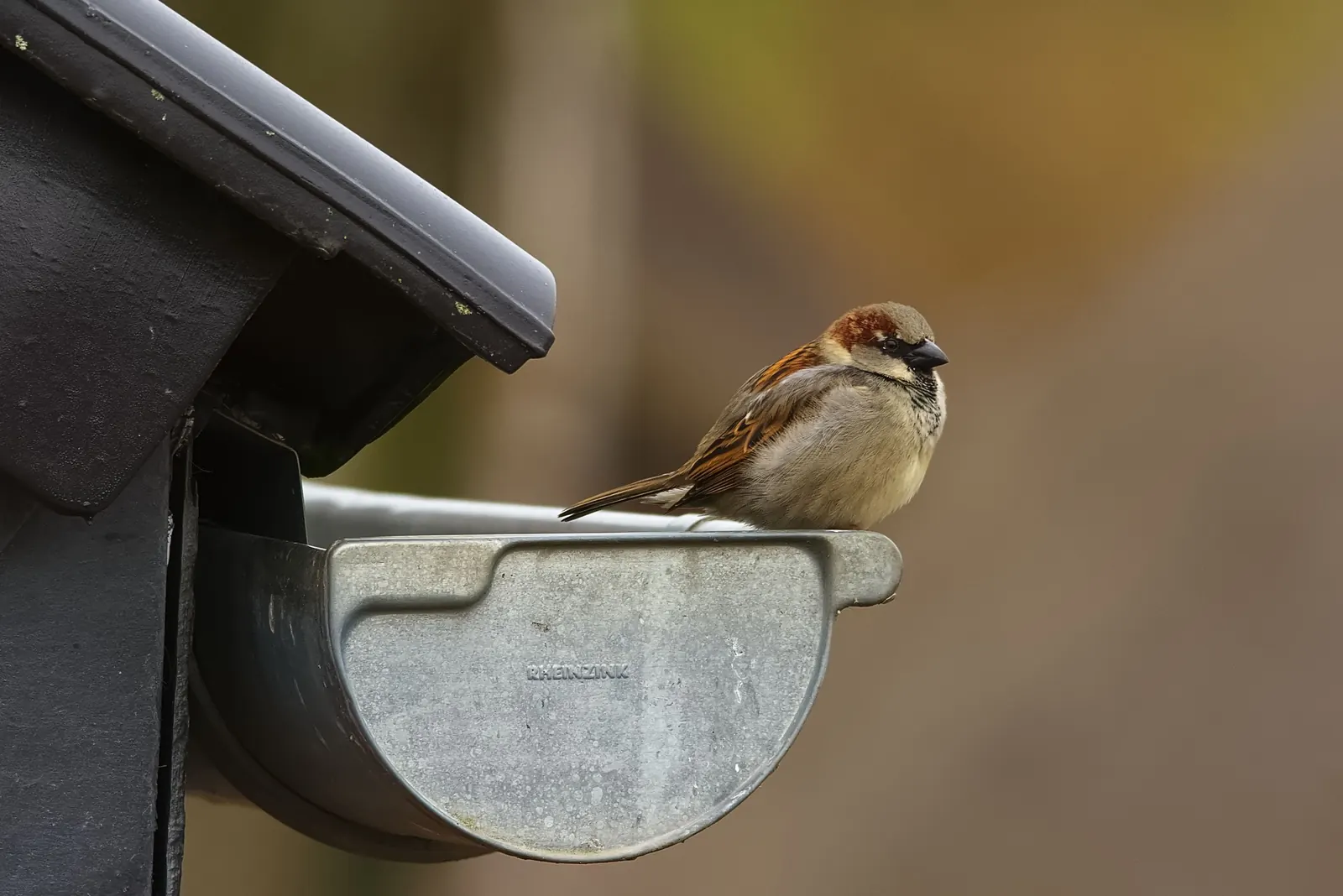 Can a Chimney Cap Cause a Downdraft?A cap can cause downdraft, but only in specific cases: mesh clogged with soot or leaves, a hood set too low over the flue, or a cap too small for the opening.
 Why Is My Chimney Not Drawing Smoke Up?A chimney draws because hot smoke weighs less than the cold air outside, so it rises and pulls room air in behind it.
Why homeowners call Pro 1
18,000+ Chimney Jobs. One Standard.
15+ years and 18,000+ chimney jobs taught us what homeowners want: a crew that shows up, explains it plainly and leaves the house as clean as they found it.
$500 OFF any chimney service
- Our own local crews
The people at your door work for us and live in the area. We never send subcontractors.
- Licensed and insured
Your home and our crew are covered on every job, from a sweep to a full rebuild.
- Free written estimate
You see what we found and what it takes to fix it, in writing, before any work starts.
- Upfront pricing
The price we write down is the price you pay. No hidden fees and no surprise add-ons.
- Fast response
Open 24 hours Sunday to Friday, with a real person on the phone and same-day visits when we can.
- Clean, careful work
Floors and furniture covered, the roof and yard cleaned up, and a walk-through when we finish.

Limited time offer
$500 OFF
Any chimney service. Mention it when you call or book online.

Simple from the first call
How It Works
- Your callCall, text or book online
Tell us what you see or smell. A real person from our team answers and sets a time that suits you.
- The visitFree chimney inspection
Our own crew arrives in a marked Pro 1 van, covers the floor and inspects the chimney from the firebox to the cap, free of charge.
- The estimateFree written estimate
We walk you through what we found, in plain words, and put any repair in writing before work starts.
- The workThe job, done right
We do the work, clean up the roof, the yard and the room, and walk you through the finished job.
Book before the holidays. Fireplaces get their heaviest use from Thanksgiving to New Year. A free inspection now catches nests, creosote and cracked flue tiles before the first big fire and the family gatherings.
Book My Free InspectionGet a Free Estimate
Leave your details and our local team calls you back to set a time.
