
NY, NJ and Philadelphia Chimney Flashing Repair
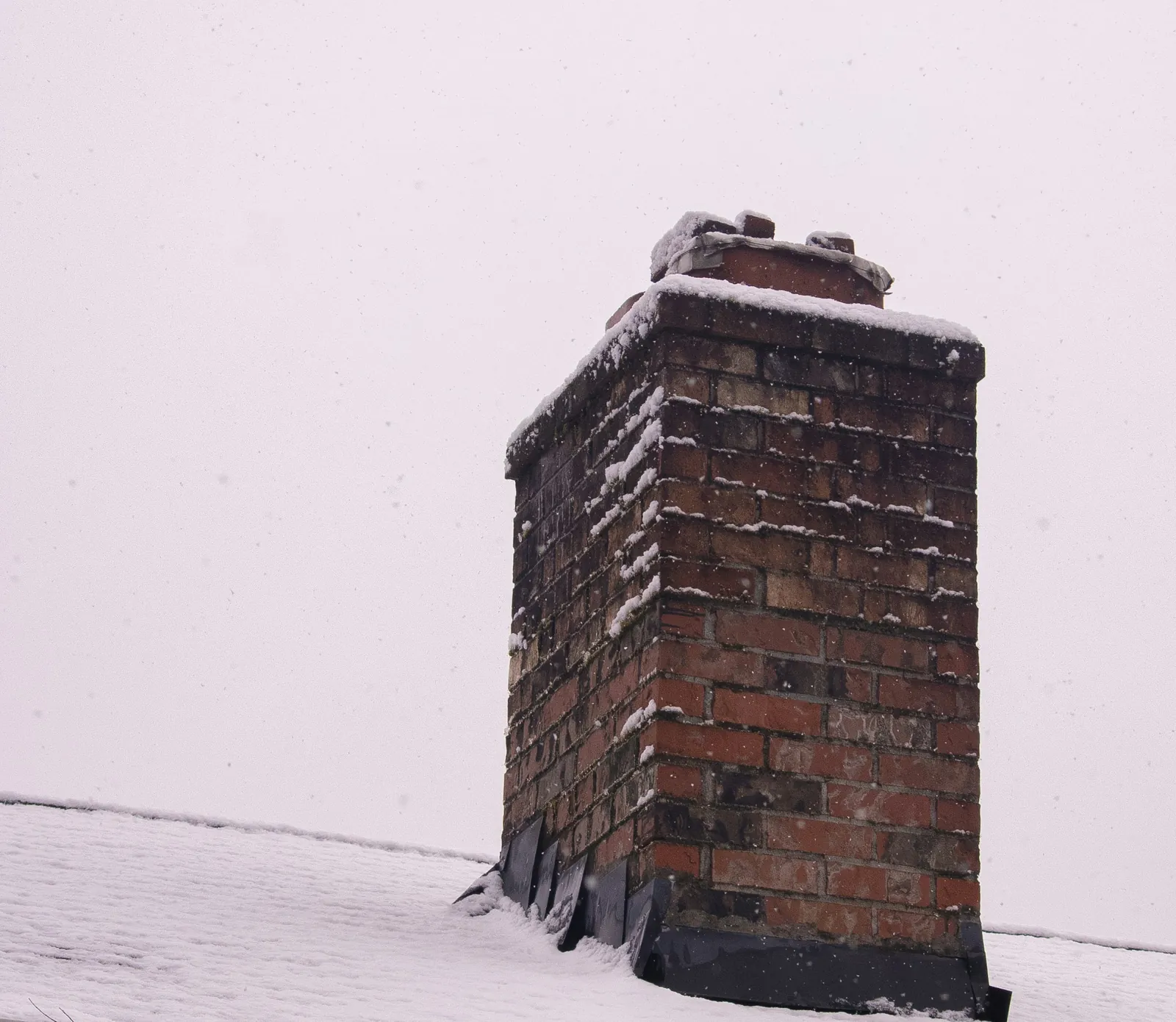
Flashing is the metal that seals the joint where the chimney meets the roof. Done right, it is two layers: base or step flashing tied into the roofing, and counter flashing set into the brick and lapped over it. Tar smeared over the gap holds for a while, then cracks and lets water in behind it.
About Chimney Flashing Repair
Where a chimney passes through the roof, two different structures meet and move independently. The roof deck shifts with the house framing; the masonry stack moves with temperature and settles on its own footing. Flashing seals that joint with metal pieces that overlap without being rigidly joined. Step flashing pieces are woven into each course of shingles along the sides. Counter flashing is let into the mortar joints and folds down over them. At the front sits an apron; at the back, a pan or a cricket.
Roofs in this region add their own wrinkles. Slate roofs on older houses in Westchester, northern New Jersey and the Philadelphia suburbs last a long time, but their flashing is often older than the slate and harder to replace without breaking tiles. Flat roofs on rowhouses depend on a membrane turned up the chimney and covered by counter flashing. And ice that builds up behind wide chimneys after snow can push water up under flashing that would shed rain fine.
A sound flashing job uses metal that will last as long as the roof and will not react with the mortar. Copper, lead-coated copper and stainless steel are common choices; aluminum should not be embedded in mortar, since the lime in mortar corrodes it. The counter flashing goes into a cut joint, not glued to the face of the brick, and the overlaps are set so water runs down and out over each lower piece.
What Our Crew Does
- Every side of the chimney checked where it meets the roof
- Attic sheathing and rafters around the chimney checked for staining or rot
- Old tar, sealant and failed metal removed down to the roofing and brick
- Step flashing woven into the shingle courses along the sides
- Counter flashing set into a cut mortar joint and folded over the step pieces
- Front apron and back pan or cricket fitted to the roof shape
- Flat roof membranes turned up the chimney and covered by counter flashing
- Every overlap checked for direction so water runs out, not in
When to Call Us
- Water stains on the ceiling right beside the chimney
- Thick roofing tar caked around the base
- Flashing edges pulled away from the brick
- Rusted or patched metal at the roof line
- A wet attic or top-floor wall after wind-driven rain
How the Job Goes
- Look at the roof joint
We check the flashing on every side, plus the roofing and mortar right next to it.
- Strip the old metal
Failed flashing and old tar patches come off so we can see the roof and brick underneath.
- Two layers back on
Base or step flashing goes in with the roofing, then counter flashing is let into a cut mortar joint and lapped over it.
- Seal the cut
The joint where the counter flashing enters the brick is sealed, and we check every lap before we leave.
Your Options
Long-lasting and easy to form. Often used on slate and older roofs where flashing should last as long as the roof itself.
Copper with a soft gray finish that blends with masonry and weathers without the green stage.
Strong and corrosion resistant. Suits the counter flashing set into mortar and coastal areas.
A small framed and flashed ridge behind wide chimneys that splits water and snow so it cannot pool.
What Affects the Cost
- Roof material, with slate and tile taking more care than asphalt shingles
- Width of the chimney and whether a cricket is needed
- Flashing metal: aluminum, galvanized, copper or stainless
- Rotted sheathing or framing found under the old flashing
- Brick and mortar repairs needed where the counter flashing sets in
- Roof pitch and height
Every job starts with a free written estimate, so you know the price before we start.
When It Cannot Wait
- Ceiling or wall stains right next to the chimney that grow after rain
- Water dripping in the attic around the chimney during storms
- Flashing pieces torn loose or flapping after high winds
- Soft spots on the roof around the chimney base
Make It Last
- Avoid tar patches; they hide gaps and trap water behind the metal
- Have the sealant at the top of the counter flashing checked each year
- Clear leaves from the area behind the chimney so water can run off
- Keep gutters near the chimney flowing so ice does not build up in winter
Questions About Chimney Flashing Repair
Does it matter if my roof is flat?
Can you just reseal the old flashing?
What is a cricket?
Does a new roof come with new chimney flashing?
Can flashing be repaired on just one side?
Why is my flashing covered in tar?
Guides From Our Crew
 How to Tell If Chimney Flashing Is LeakingLook for water on the outside of the chimney, not inside the flue.
 Step Flashing vs Counter Flashing on a ChimneyStep flashing and counter flashing are two layers of one seal.
 What Is a Chimney Cricket and Do I Need One?A chimney cricket is a small, peaked ridge built on the uphill side of a chimney, where it meets the roof.
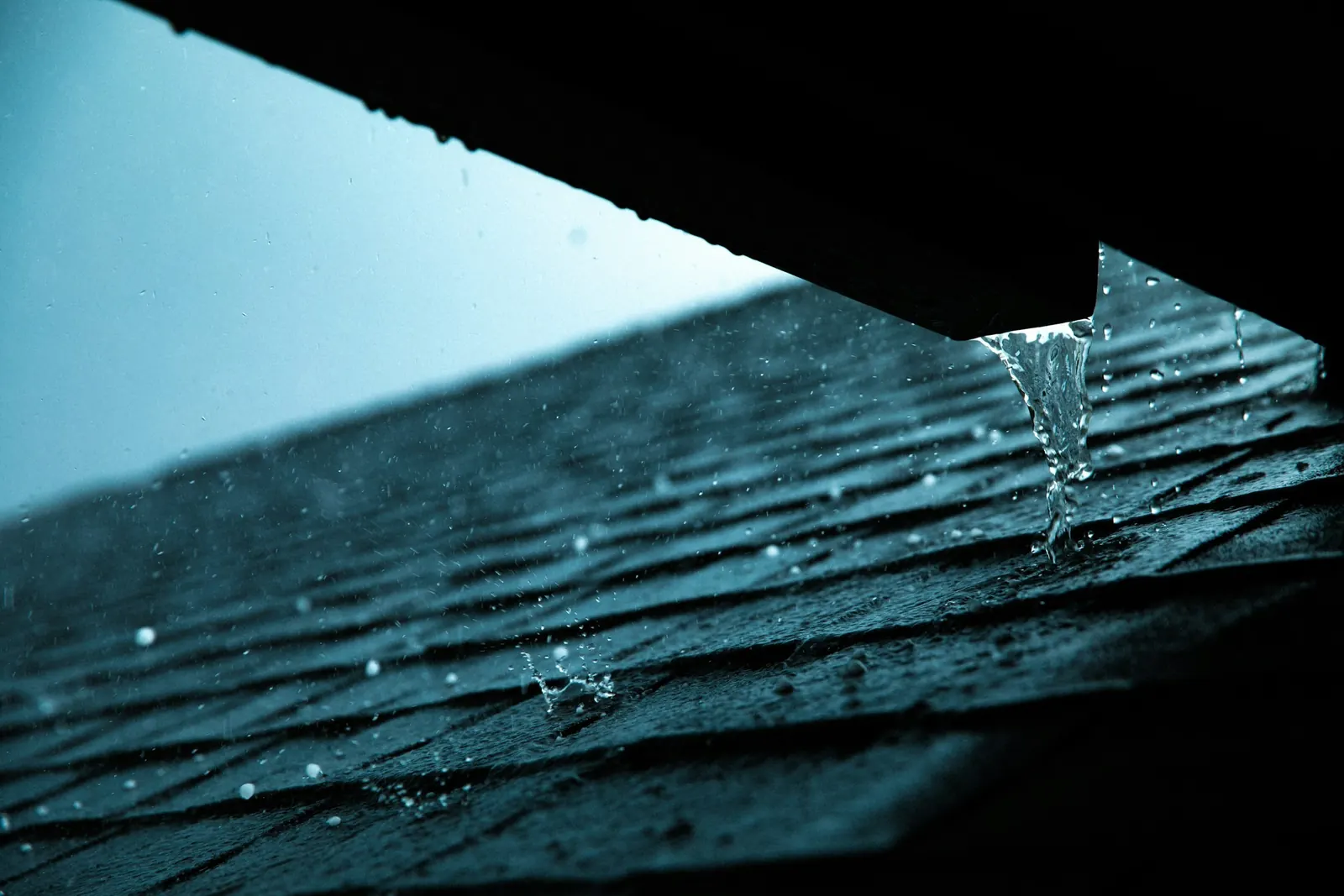 Can a Chimney Cause a Roof Leak?Chimneys cause plenty of leaks that look like roof leaks.
 Why Is Water Running Down My Chimney Breast?Damp on the chimney breast means water is moving through the masonry behind the plaster.
Why homeowners call Pro 1
18,000+ Chimney Jobs. One Standard.
15+ years and 18,000+ chimney jobs taught us what homeowners want: a crew that shows up, explains it plainly and leaves the house as clean as they found it.
$500 OFF any chimney service
- Our own local crews
The people at your door work for us and live in the area. We never send subcontractors.
- Licensed and insured
Your home and our crew are covered on every job, from a sweep to a full rebuild.
- Free written estimate
You see what we found and what it takes to fix it, in writing, before any work starts.
- Upfront pricing
The price we write down is the price you pay. No hidden fees and no surprise add-ons.
- Fast response
Open 24 hours Sunday to Friday, with a real person on the phone and same-day visits when we can.
- Clean, careful work
Floors and furniture covered, the roof and yard cleaned up, and a walk-through when we finish.

Limited time offer
$500 OFF
Any chimney service. Mention it when you call or book online.
Simple from the first call
How It Works
- Your callCall, text or book online
Tell us what you see or smell. A real person from our team answers and sets a time that suits you.
- The visitFree chimney inspection
Our own crew arrives in a marked Pro 1 van, covers the floor and inspects the chimney from the firebox to the cap, free of charge.
- The estimateFree written estimate
We walk you through what we found, in plain words, and put any repair in writing before work starts.
- The workThe job, done right
We do the work, clean up the roof, the yard and the room, and walk you through the finished job.
Book before the holidays. Fireplaces get their heaviest use from Thanksgiving to New Year. A free inspection now catches nests, creosote and cracked flue tiles before the first big fire and the family gatherings.
Book My Free InspectionGet a Free Estimate
Leave your details and our local team calls you back to set a time.
