
Chimney Liners by Your Local Pros
The liner is the inside wall of the flue. It carries smoke and exhaust out of the house and keeps heat and acids off the brick. Cracked clay tiles, a missing liner or a liner the wrong size for the appliance are common in older homes.
About Chimney Liners
A flue liner is the channel that keeps hot gases, sparks and acidic condensate inside the chimney and away from the brick, mortar and framing around it. In many houses built during the twentieth century that channel is clay tile, stacked in sections and joined with mortar. Plenty of older homes in the region have no liner at all, just the inside face of the brick, and others have tiles that cracked in a chimney fire or from years of uneven heating.
Two things go wrong with liners here. Heat shock cracks clay tiles, because the inside of a tile heats much faster than the outside. And modern heating changed what goes up the flue. Efficient gas boilers and water heaters send cooler, wetter exhaust into flues built for coal or oil, the vapor condenses, and the acid slowly eats the tile joints and mortar. A liner can also be the wrong size: too big and the gases cool and stall, too small and they cannot leave fast enough.
Relining fixes all three. The new liner is sized from the appliance's own requirements, run in one continuous piece where possible, connected at the bottom with a tight fitting and finished at the top with a sealed plate and a cap. On an exterior chimney or with a wood stove, insulation around the liner helps keep the flue warm and the draft steady.
What Our Crew Does
- Each flue identified with the appliance that uses it and its fuel
- Flue size and condition checked from the top and from below
- Liner size worked out from the appliance requirements, not just the opening
- Old broken tile cleared where it would block the new liner
- Liner lowered from the top, with insulation wrapped on where the job calls for it
- Bottom connection made to the appliance, damper area or tee and cleanout
- Top plate sealed to the crown and a cap fitted to the new liner
- Draft confirmed with the appliance running or a fire burning
When to Call Us
- Cracked or missing flue tiles
- You are adding a stove or insert
- Your boiler or water heater was replaced
- Pieces of tile in the firebox
- Draft problems you cannot explain
How the Job Goes
- Check the flue
We find the size and condition of the flue and what is venting into it.
- Size the liner
The liner is sized to the appliance it serves, not just to the chimney.
- Install
A stainless steel liner is run from the top and connected at the bottom.
- Cap and test
We cap the top and confirm the draft before we leave.
Your Options
Bends around offsets in the chimney and goes in as one piece. The most common choice for relining older masonry chimneys.
Smooth-walled sections joined end to end. Suits straight flues and gives a slightly smoother surface for sweeping.
A cement-like mix pumped into the old flue around an inflated form. It adds strength to weak masonry but takes longer and needs a straight enough flue.
Practical mainly during a rebuild, when the chimney is open. In a standing chimney, swapping tiles is rarely feasible.
Made only for certain gas appliances whose instructions allow it. It does not suit wood, oil or high-temperature use.
What Affects the Cost
- Chimney height, since liners are measured and priced by length
- Liner diameter and whether an oval shape is needed to fit a tight flue
- Bends and offsets inside the chimney
- Insulation, which wood stoves and exterior chimneys often need
- Removing old tile to make room for the right size
- The number of appliances, each of which may need its own liner
- Connections, tees, cleanouts, top plate and cap
Every job starts with a free written estimate, so you know the price before we start.
When It Cannot Wait
- Pieces of tile falling into the firebox or the cleanout
- An alarm from the carbon monoxide detector near the boiler or water heater: go outside and call 911
- A new stove, insert or boiler hooked up to an unlined or cracked flue
- Any chimney fire, which can crack tiles out of sight
Make It Last
- Sweep a wood-burning liner every year so creosote does not build on its walls
- Have the boiler or furnace serviced so it burns clean and does not soot the liner
- Burn dry wood in stoves and inserts, since wet wood glazes stainless steel quickly
- Ask for the cap screen to be brushed at each sweep so the liner drafts freely
- Tell your chimney company when an appliance is replaced or changes fuel
Questions About Chimney Liners
Why does the liner size matter?
Can you reline an old clay-tile chimney?
Do gas and oil appliances need a liner?
Can one chimney hold two liners?
Will a liner make my flue smaller?
How does a liner get past a bend in the chimney?
Guides From Our Crew
 Do I Need a Chimney Liner?Any chimney that vents a fireplace, wood stove, boiler, furnace or water heater needs a liner in good condition and sized for what it serves.
 Is a Stainless Steel Chimney Liner Worth It?For a cracked, missing or wrongly sized flue, a stainless steel liner is often the most practical repair.
 Flexible vs Rigid Chimney Liner: Which One Fits Your Flue?Choose by the path of the flue first and the appliance second.
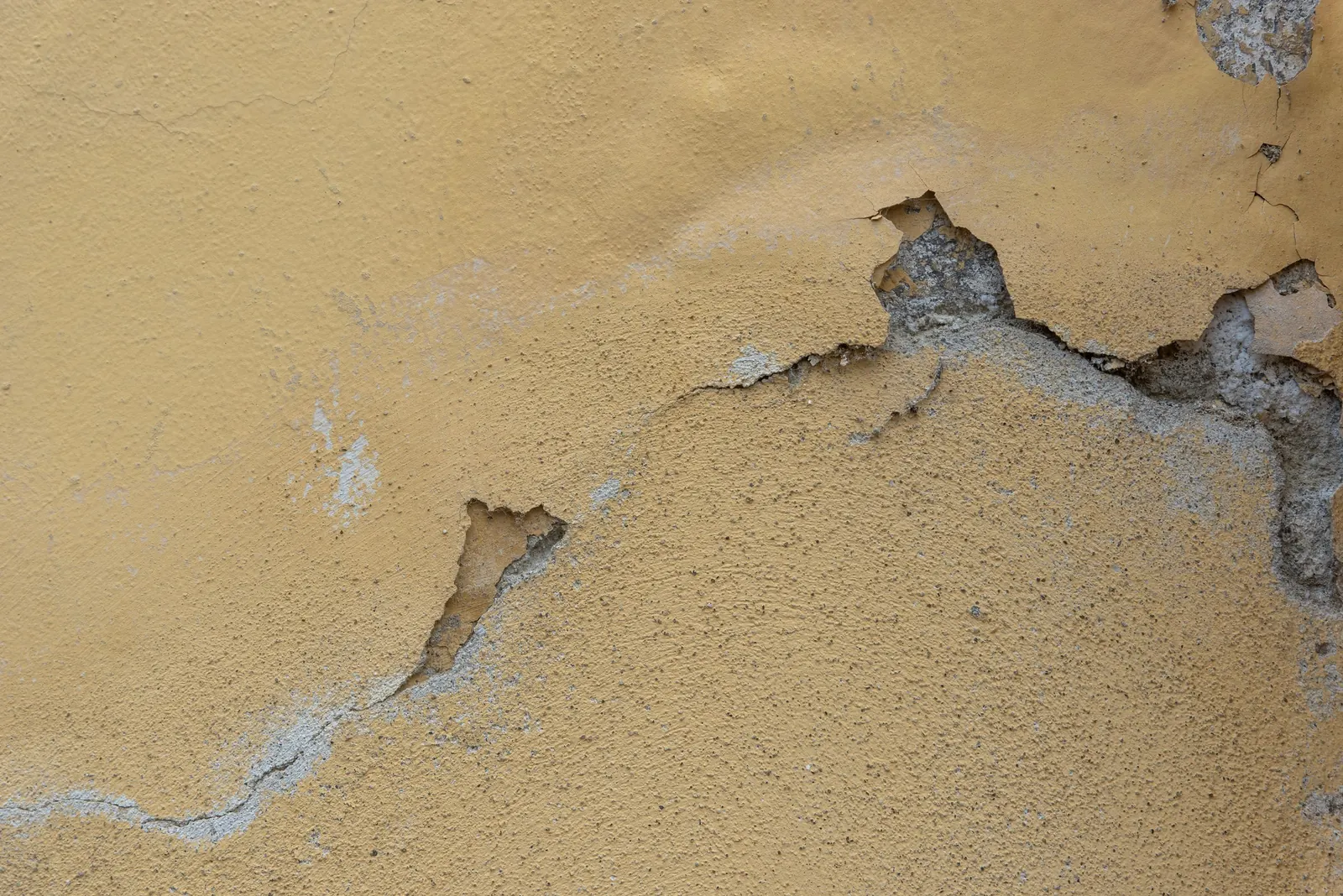 What Happens If a Chimney Flue Tile Is Cracked?A cracked flue tile breaks the inner wall that keeps heat and exhaust inside the chimney.
 Cast-in-Place Chimney Liners: Pros and ConsA cast-in-place liner is a cement-based lining poured around a form inside the existing flue.
 How Much Does a Chimney Liner Cost?Liner pricing is set by the job rather than by the material alone: how tall the flue is, what diameter the appliance needs, the material and alloy, whether insulation is required, how hard the roof is to reach, and how much prep the old flue needs first.
Why homeowners call Pro 1
18,000+ Chimney Jobs. One Standard.
15+ years and 18,000+ chimney jobs taught us what homeowners want: a crew that shows up, explains it plainly and leaves the house as clean as they found it.
$500 OFF any chimney service
- Our own local crews
The people at your door work for us and live in the area. We never send subcontractors.
- Licensed and insured
Your home and our crew are covered on every job, from a sweep to a full rebuild.
- Free written estimate
You see what we found and what it takes to fix it, in writing, before any work starts.
- Upfront pricing
The price we write down is the price you pay. No hidden fees and no surprise add-ons.
- Fast response
Open 24 hours Sunday to Friday, with a real person on the phone and same-day visits when we can.
- Clean, careful work
Floors and furniture covered, the roof and yard cleaned up, and a walk-through when we finish.
Chimney Liners Near You
- Chimney Liners in Brooklyn, NY
- Chimney Liners in Queens, NY
- Chimney Liners in Manhattan, NY
- Chimney Liners in The Bronx, NY
- Chimney Liners in Staten Island, NY
- Chimney Liners in Nassau County, NY
- Chimney Liners in Suffolk County, NY
- Chimney Liners in Westchester County, NY
- Chimney Liners in Bergen County, NJ
- Chimney Liners in Passaic County, NJ
- Chimney Liners in Essex County, NJ
- Chimney Liners in Hudson County, NJ
- Chimney Liners in Union County, NJ
- Chimney Liners in Morris County, NJ
- Chimney Liners in Somerset County, NJ
- Chimney Liners in Middlesex County, NJ
- Chimney Liners in Monmouth County, NJ
- Chimney Liners in Hunterdon County, NJ
- Chimney Liners in Mercer County, NJ
- Chimney Liners in Camden County, NJ
- Chimney Liners in Burlington County, NJ
- Chimney Liners in Gloucester County, NJ
- Chimney Liners in Cumberland County, NJ
- Chimney Liners in Salem County, NJ
- Chimney Liners in Sussex County, NJ
- Chimney Liners in Warren County, NJ
- Chimney Liners in Ocean County, NJ
- Chimney Liners in Atlantic County, NJ
- Chimney Liners in Cape May County, NJ
- Chimney Liners in Philadelphia, PA
- Chimney Liners in Bucks County, PA
- Chimney Liners in Montgomery County, PA
- Chimney Liners in Delaware County, PA
- Chimney Liners in Chester County, PA
- Chimney Liners in Lehigh County, PA
- Chimney Liners in Northampton County, PA
- Chimney Liners in New Castle County, DE

Limited time offer
$500 OFF
Any chimney service. Mention it when you call or book online.

Simple from the first call
How It Works
- Your callCall, text or book online
Tell us what you see or smell. A real person from our team answers and sets a time that suits you.
- The visitFree chimney inspection
Our own crew arrives in a marked Pro 1 van, covers the floor and inspects the chimney from the firebox to the cap, free of charge.
- The estimateFree written estimate
We walk you through what we found, in plain words, and put any repair in writing before work starts.
- The workThe job, done right
We do the work, clean up the roof, the yard and the room, and walk you through the finished job.
Book before the holidays. Fireplaces get their heaviest use from Thanksgiving to New Year. A free inspection now catches nests, creosote and cracked flue tiles before the first big fire and the family gatherings.
Book My Free InspectionGet a Free Estimate
Leave your details and our local team calls you back to set a time.
