
Your Local Boiler Flue Cleaning Crew
Down in the basement, the boiler sends its exhaust into a flue inside the chimney, every day of the heating season. Oil heat leaves soot on the flue walls. Gas heat leaves less soot, but its damp exhaust loosens flakes of tile and mortar that drop to the bottom. Over time that pile can choke the opening where the vent pipe enters.
About Boiler Flue Cleaning
Every time the boiler fires, its exhaust passes through a flue in the chimney, from the first cold night in fall until the heat goes off in spring. Oil-fired exhaust leaves a dry black soot on the flue walls and sulfur compounds that build into a crusty scale. Gas burns with little soot but carries a lot of moisture, which over time loosens flakes of tile and mortar. Whichever fuel you use, debris collects at the base of the flue, below the point where the vent pipe enters.
Oil heat is still common in older homes in New York City, on Long Island, in the Hudson Valley and across parts of New Jersey and Pennsylvania. Many of those boiler flues are original clay tile, some are unlined brick, and plenty have no proper cleanout door at the base. When the debris pile there grows high enough to reach the vent pipe opening, the exhaust has less room to turn upward, draft weakens and the burner can soot up or puff back.
A boiler flue cleaning brushes the walls from top to bottom, empties the base, and checks the seal where the pipe enters the chimney. On oil systems, soot around the barometric damper on the vent pipe is a useful clue about how the flue has been drawing. The burner, nozzle, filters and controls stay with your heating technician, who services the appliance itself.
What Our Crew Does
- Boiler switched off and cooled before any brush goes in
- Basement floor covered between the chimney base and the boiler
- Flue brushed from the roof down with heads sized to its tile or liner
- Soot, scale and fallen tile scooped out through the base cleanout
- Vent pipe joint at the chimney wall checked and resealed if it has opened
- Clean flue walls examined for cracks, gaps and missing mortar
- Boiler back on and the draft confirmed before we leave
When to Call Us
- Soot around the cleanout door or the vent pipe
- The boiler had a puffback and left soot behind
- Your heating technician says the draft is weak
- Tile flakes or grit fall out when the cleanout is opened
- Nobody remembers when the boiler flue was last cleaned
How the Job Goes
- Boiler off and cool
We ask that the boiler is shut off and cooled before we start, and we protect the basement floor around the cleanout.
- Clean top to bottom
Brushes sized to the flue clear soot and scale from the roof down, and the debris at the base comes out through the cleanout.
- Check the connection
We look at the vent pipe, the seal where it enters the chimney and the condition of the flue tile while it is clean.
- Back on and drawing
With the boiler running again, we confirm the exhaust draws up the flue and tell you what we saw.
Your Options
Steel bristles break up oil soot and sulfur scale on clay tile. The standard approach on older lined flues.
Softer bristles sized to the liner diameter so the metal is cleaned without scoring.
A cast iron or steel door set into the base of a flue that has none, so future debris can be emptied without opening the vent pipe.
What Affects the Cost
- Oil or gas, since oil flues usually carry much more soot
- Separate flues for the boiler, the water heater or another appliance
- Whether the top can be reached from a ladder or needs roof equipment
- A base with no cleanout door, or one blocked by stored items
- A vent pipe that is rusted through or poorly supported
- Scale heavy enough to need a second pass
Every job starts with a free written estimate, so you know the price before we start.
When It Cannot Wait
- A puffback that left soot on the boiler, walls or furnishings: leave the boiler off
- CO alarm in the basement or upstairs: leave the house, then call 911 from outside
- A vent pipe sagging or pulled out of the chimney wall
- Black streaks or a sharp exhaust smell spreading from the boiler room
Make It Last
- Have the burner serviced every year so it fires cleanly
- Keep the cleanout door latched; an open door spoils the draft
- Glance at the barometric damper and vent pipe for fresh soot during the season
- Book the flue cleaning ahead of the burner tune-up in late summer
Questions About Boiler Flue Cleaning
How often should a boiler flue be cleaned?
What should I do after a puffback?
Do you service the boiler itself?
Should the flue be cleaned before or after the burner tune-up?
What is the flap on the side of my oil boiler's vent pipe?
Will a clean flue stop my boiler from sooting?
Guides From Our Crew
 How Often Should an Oil Boiler Chimney Be Cleaned?Plan on having an oil boiler or furnace chimney inspected every year and cleaned whenever soot and scale have built up, which with oil heat is often yearly.
 What Is an Oil Burner Puff Back?A puff back is a small explosion inside an oil boiler or furnace.
 Why Is My Oil Burner Sooting Up?An oil burner soots up when it does not burn the oil completely, and that comes down to air, fuel or draft.
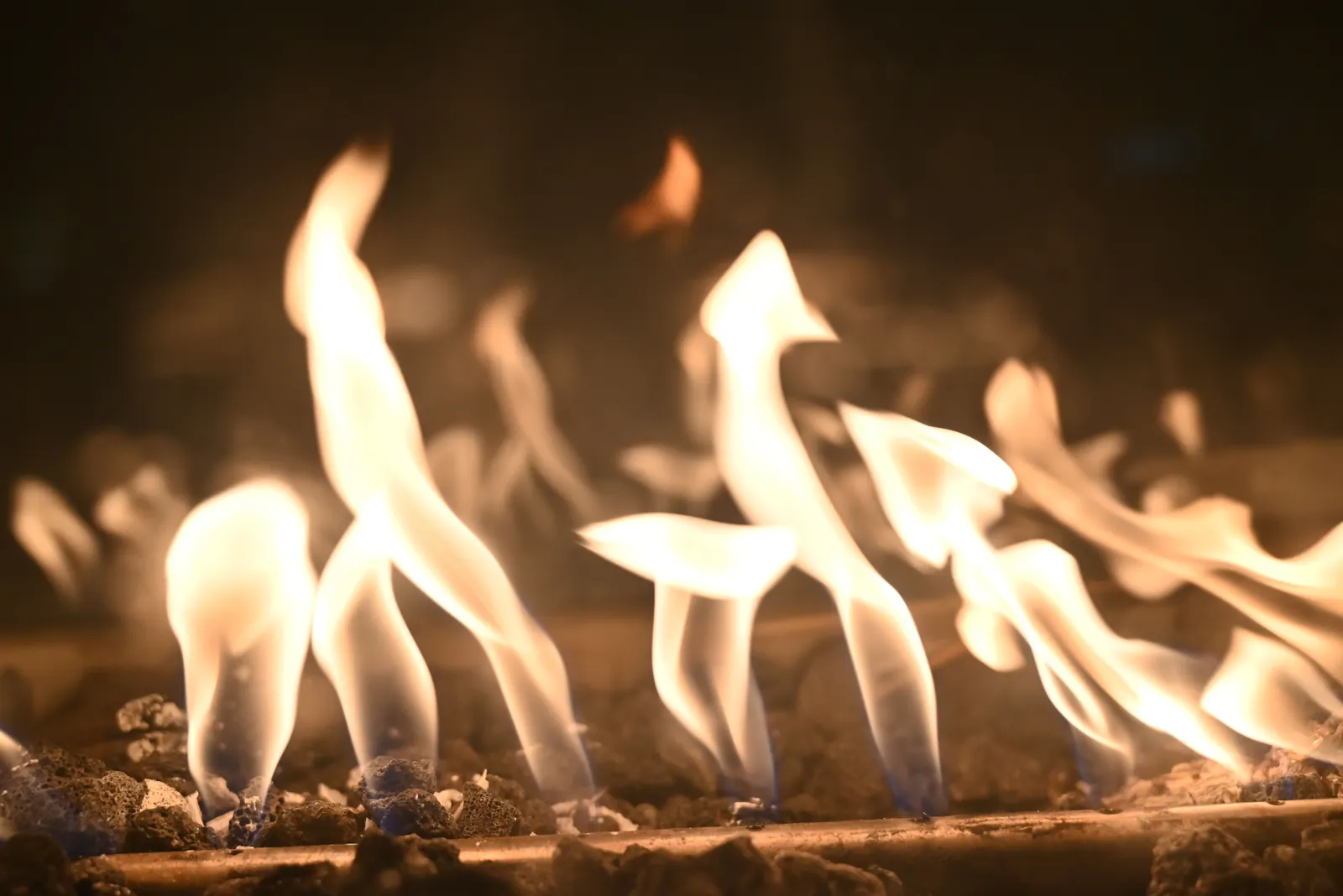 Does a Gas Furnace Chimney Need Cleaning?Gas furnace and boiler chimneys need less brushing than oil or wood flues, yet they still need a yearly inspection and a cleaning whenever debris collects.
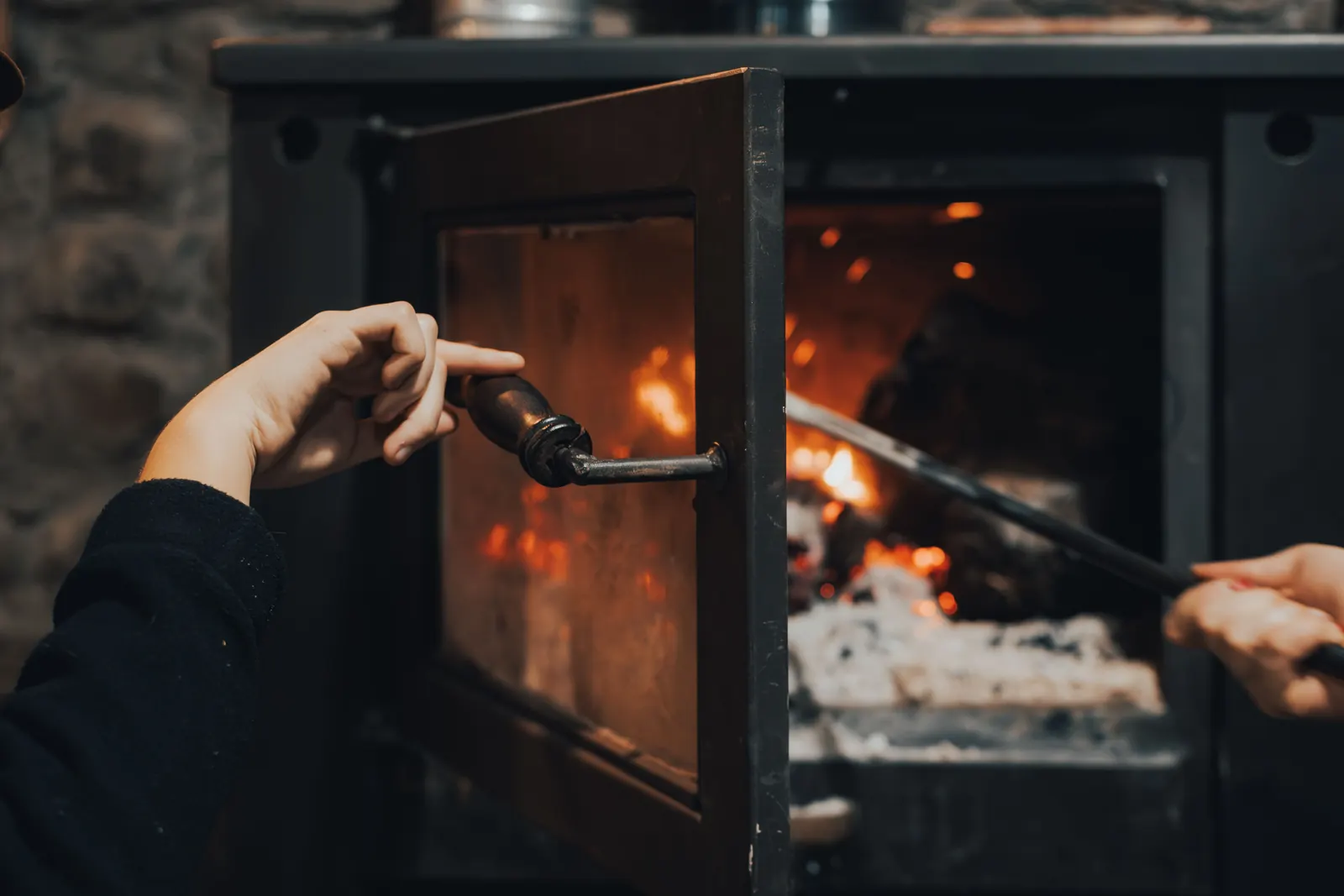 What Is a Chimney Cleanout Door For?The cleanout door is a small metal door near the bottom of a chimney, usually in the basement or outside at ground level.
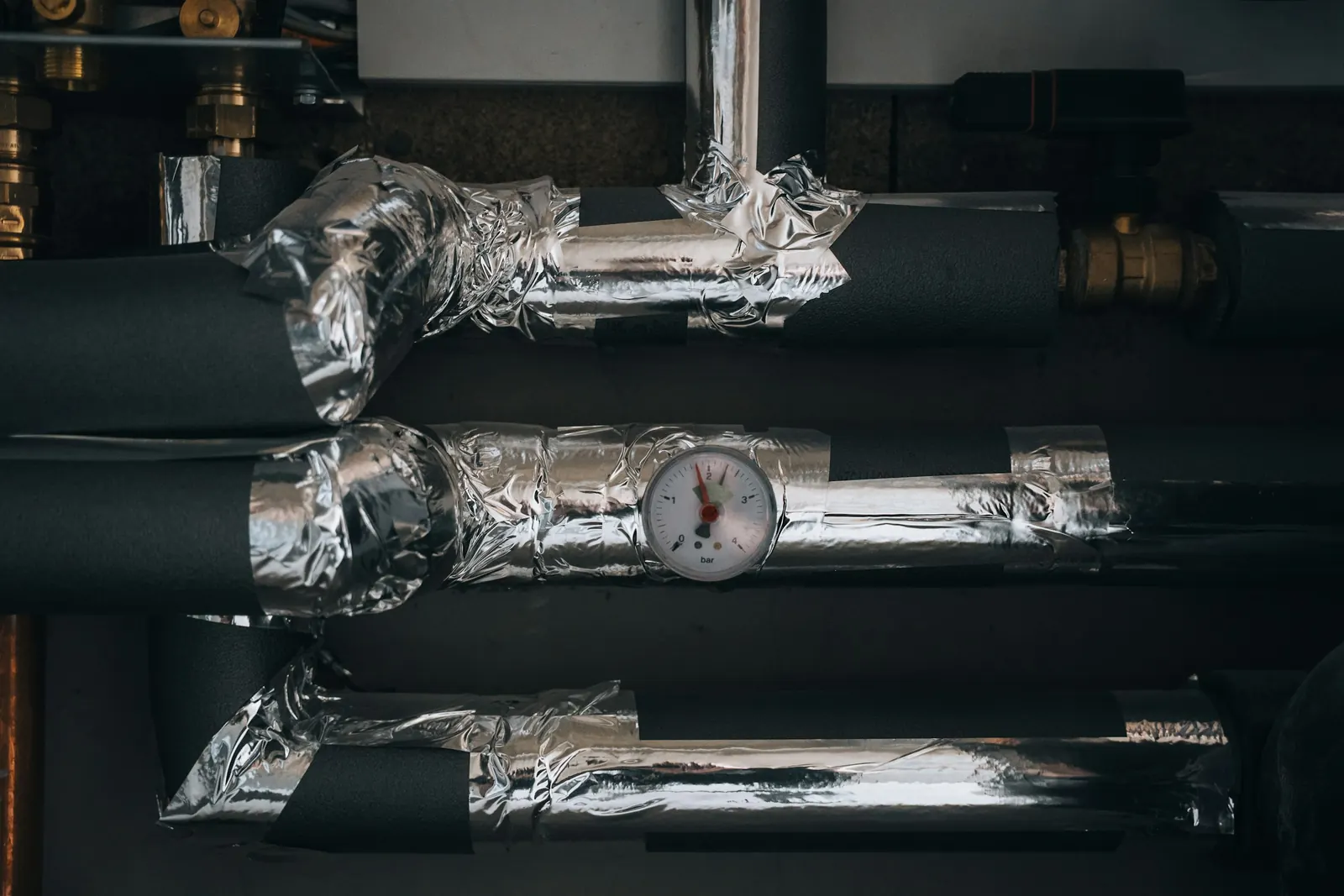 Does a Furnace or Boiler Chimney Need a Cap?A boiler or furnace flue needs a cap at least as much as a fireplace flue, because it vents daily through the heating season and often year round with a water heater.
Why homeowners call Pro 1
18,000+ Chimney Jobs. One Standard.
15+ years and 18,000+ chimney jobs taught us what homeowners want: a crew that shows up, explains it plainly and leaves the house as clean as they found it.
$500 OFF any chimney service
- Our own local crews
The people at your door work for us and live in the area. We never send subcontractors.
- Licensed and insured
Your home and our crew are covered on every job, from a sweep to a full rebuild.
- Free written estimate
You see what we found and what it takes to fix it, in writing, before any work starts.
- Upfront pricing
The price we write down is the price you pay. No hidden fees and no surprise add-ons.
- Fast response
Open 24 hours Sunday to Friday, with a real person on the phone and same-day visits when we can.
- Clean, careful work
Floors and furniture covered, the roof and yard cleaned up, and a walk-through when we finish.

Limited time offer
$500 OFF
Any chimney service. Mention it when you call or book online.
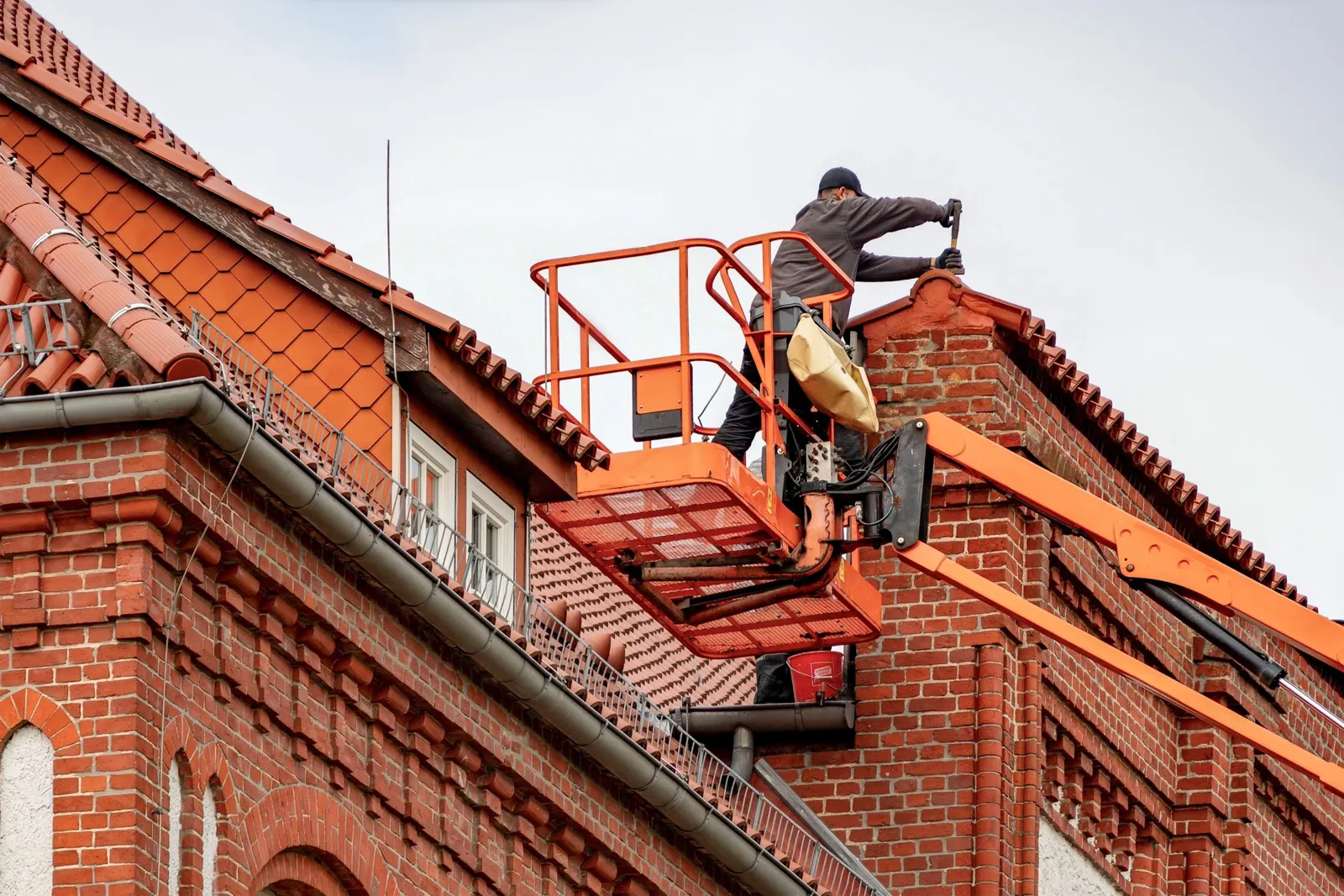
Simple from the first call
How It Works
- Your callCall, text or book online
Tell us what you see or smell. A real person from our team answers and sets a time that suits you.
- The visitFree chimney inspection
Our own crew arrives in a marked Pro 1 van, covers the floor and inspects the chimney from the firebox to the cap, free of charge.
- The estimateFree written estimate
We walk you through what we found, in plain words, and put any repair in writing before work starts.
- The workThe job, done right
We do the work, clean up the roof, the yard and the room, and walk you through the finished job.
Book before the holidays. Fireplaces get their heaviest use from Thanksgiving to New Year. A free inspection now catches nests, creosote and cracked flue tiles before the first big fire and the family gatherings.
Book My Free InspectionGet a Free Estimate
Leave your details and our local team calls you back to set a time.
