

Your Local Gas Fireplace Venting Service
A gas fireplace still makes exhaust, and that exhaust needs a clear path outside. Direct-vent units use a sealed pipe through the wall or roof, while vented logs use the masonry chimney. Our work is on that venting side: pipe, liner, cap and the termination outside. Burner, valve and ignition repairs belong to a gas appliance technician.
About Gas Fireplace Venting
Gas burns cleaner than wood, yet a gas fireplace still produces exhaust: water vapor, carbon dioxide and, when combustion goes wrong, carbon monoxide. How that exhaust leaves depends on the unit. A direct-vent fireplace is sealed from the room, pulling outside air in and pushing exhaust out through a pipe within a pipe, usually through the wall or roof. Natural-draft units rely on a vertical vent or the masonry chimney. Vented gas logs sit in an ordinary fireplace and need the flue open the whole time they burn.
Around the region, most venting trouble starts outdoors. Low wall terminations on ranch houses and split-levels get buried by drifting snow. Wasps, sparrows and mice move into vent caps over the summer. A deck, porch roof or sunroom added after the fireplace went in can box a termination in or put it too near an opening window. And when gas logs are set into an old masonry chimney, all the usual chimney problems, from cracked tile to a missing cap, still apply.
Our side of the job is the path the exhaust takes: pipe joints, liner, cap and the termination outside, checked against the clearances in the fireplace manual. The burner, gas valve, pilot assembly and ignition belong to a gas appliance technician. Keeping those roles separate is what lets each part be done properly, and a working carbon monoxide alarm near the fireplace completes the setup.
What Our Crew Does
- Fireplace type identified: direct-vent, natural-draft or vented logs in masonry
- Vent pipe followed from the unit to its outside end, with reachable joints checked
- Termination cap opened up for nests, insects, rust and crushed sections
- Distances from the cap to windows, doors, decks and soffits compared with the manual
- Masonry flue swept and examined where gas logs burn in an old fireplace
- Damper clamp or stop checked so a vented log set cannot be closed off
- Anything outside our scope, such as the burner or valve, noted for your gas technician
When to Call Us
- A nest or debris in the outside vent cap
- Soot building up on the glass or the logs
- The pilot goes out on windy days
- A rusted or damaged vent cap on the roof or wall
- You switched a wood fireplace to gas logs
How the Job Goes
- Trace the vent
We follow the vent from the unit to where it ends outside and check every joint we can reach.
- Check the termination
The outside cap is checked for nests, damage and blockage, and for the clearances the manufacturer lists.
- Clean the flue
For gas logs in a masonry chimney, we sweep the flue and check the liner and the damper setup.
- Report back
You hear what we found, and any repair comes with a free written estimate first.
Your Options
The shortest route out and the most common on newer installs. The termination must keep the clearances the manufacturer lists from openings and walkways.
Used where a wall termination would sit too close to windows, a deck or a property line. Harder to reach but rarely buried by snow.
Two flexible liners, or a coaxial kit, run down an existing chimney so a sealed gas unit can use it for both intake and exhaust.
A log set burning in a masonry firebox, venting through the open flue. Needs a sound chimney and a damper fixed partly open as the instructions say.
What Affects the Cost
- Which type of venting the fireplace uses and how long the run is
- Vent sections hidden inside walls, chases or ceilings
- How high the termination sits and how it is reached
- Replacement vent parts, which must be the ones listed for that fireplace
- Sweeping and repairs to a masonry flue used for gas logs
- Moving a termination that a later addition has crowded
Every job starts with a free written estimate, so you know the price before we start.
When It Cannot Wait
- A smell of gas: leave the house, then phone the gas utility or 911 once you are outside
- A carbon monoxide alarm sounding: get everyone out and call 911
- Black soot building quickly on the glass, logs or wall above the opening
- A termination buried in snow or packed with a nest while the fireplace is in use
Make It Last
- Clear snow and ice away from a wall termination after every storm
- Keep shrubs, firewood and stored items away from the outside cap
- Watch the glass and logs for soot, which signals a combustion or venting change
- Plan any deck, porch or addition around the termination clearances before building
Questions About Gas Fireplace Venting
Do you repair the burner or the gas valve?
How often should gas venting be checked?
Is fog on the glass a problem?
Can I build a deck or porch around the vent cap?
Does snow piled against the outside vent matter?
Why does my gas fireplace smell when I first turn it on for the season?
Guides From Our Crew
 Does a Gas Fireplace Need a Chimney Sweep?A gas fireplace still needs a chimney sweep, though usually for an inspection more than a heavy cleaning.
 Vented vs Ventless Gas Logs: What Is the Difference?Vented gas logs send their exhaust up the chimney, so they need a working flue and an open damper, and they give tall, yellow, wood-like flames with little heat.
 Direct Vent Gas Fireplace in an Existing ChimneyA direct vent gas insert can usually be vented up an existing masonry chimney using two sealed paths: one liner that brings outside air down to the burner and one that carries exhaust up.
 Why Does My Gas Fireplace Smell Like Gas?A rotten-egg or sulfur smell near a gas fireplace should be treated as a leak.
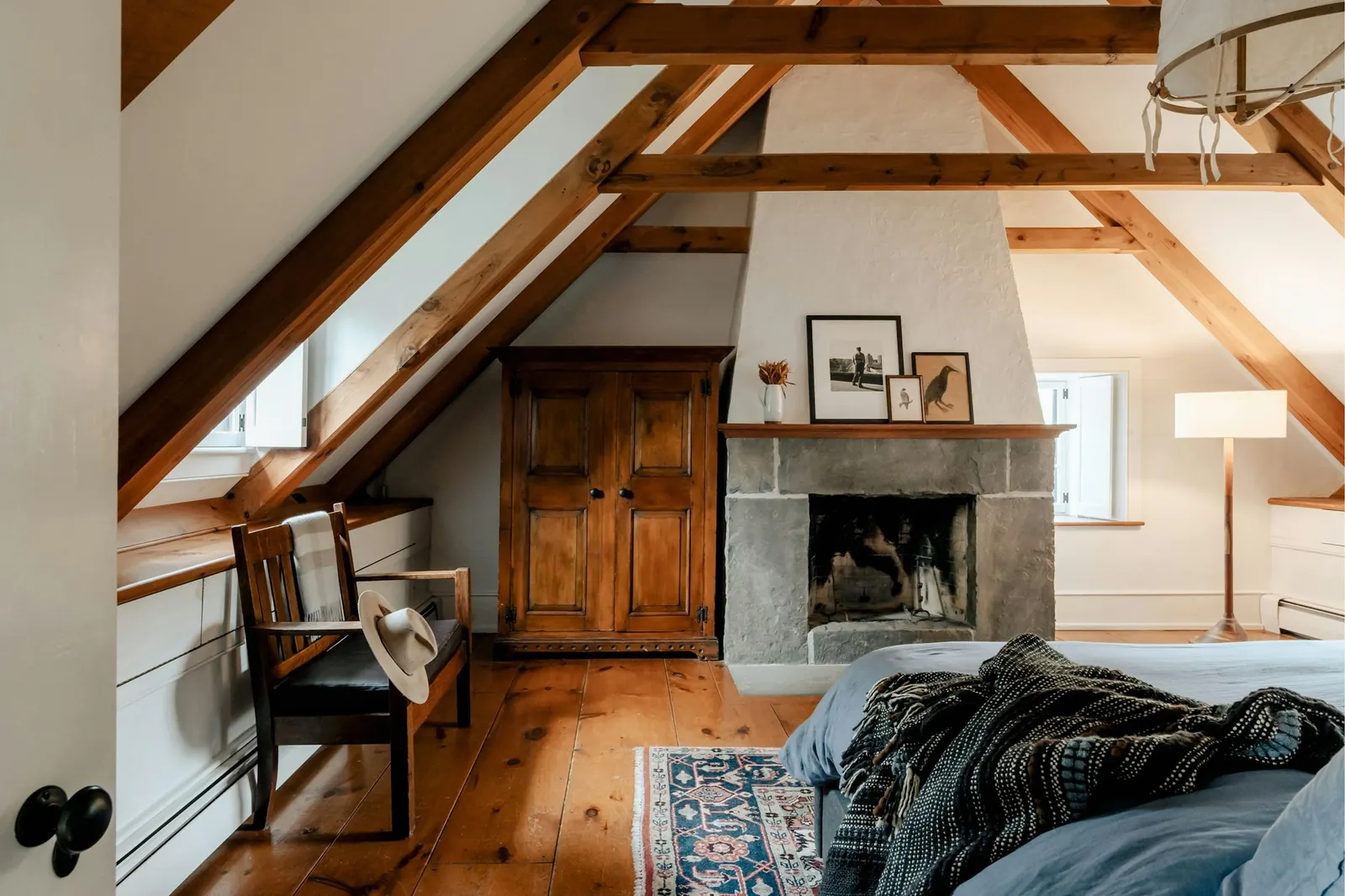 Gas Fireplace Pilot Light Won't Stay LitWhen a gas fireplace pilot goes out as soon as you release the knob, its flame is usually not heating the safety sensor enough.
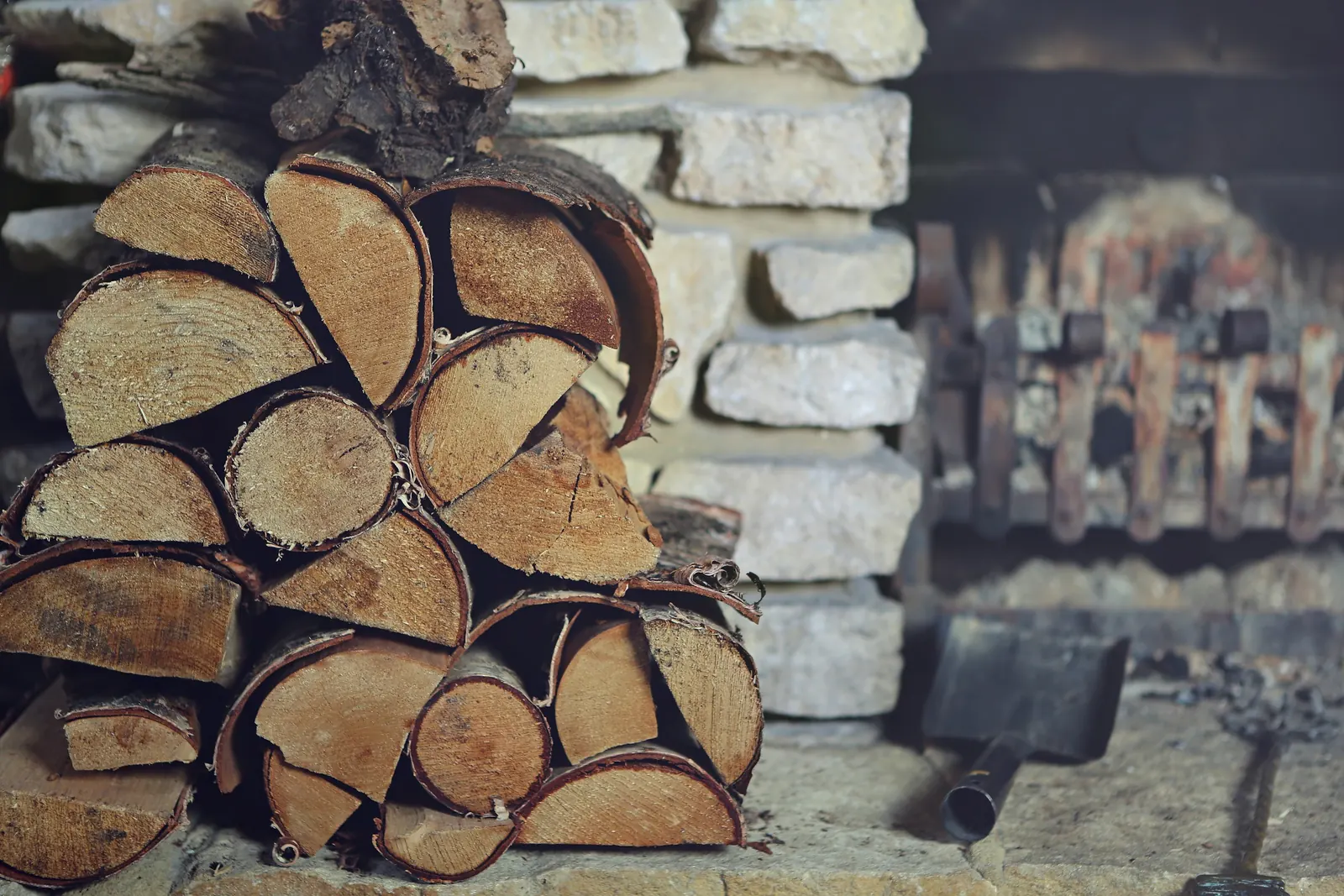 Gas Logs vs Wood Burning: How They CompareGas logs win on convenience: flame from a key or remote, no wood to haul, no ash, and far less soot in the flue.
Why homeowners call Pro 1
18,000+ Chimney Jobs. One Standard.
15+ years and 18,000+ chimney jobs taught us what homeowners want: a crew that shows up, explains it plainly and leaves the house as clean as they found it.
$500 OFF any chimney service
- Our own local crews
The people at your door work for us and live in the area. We never send subcontractors.
- Licensed and insured
Your home and our crew are covered on every job, from a sweep to a full rebuild.
- Free written estimate
You see what we found and what it takes to fix it, in writing, before any work starts.
- Upfront pricing
The price we write down is the price you pay. No hidden fees and no surprise add-ons.
- Fast response
Open 24 hours Sunday to Friday, with a real person on the phone and same-day visits when we can.
- Clean, careful work
Floors and furniture covered, the roof and yard cleaned up, and a walk-through when we finish.

Limited time offer
$500 OFF
Any chimney service. Mention it when you call or book online.
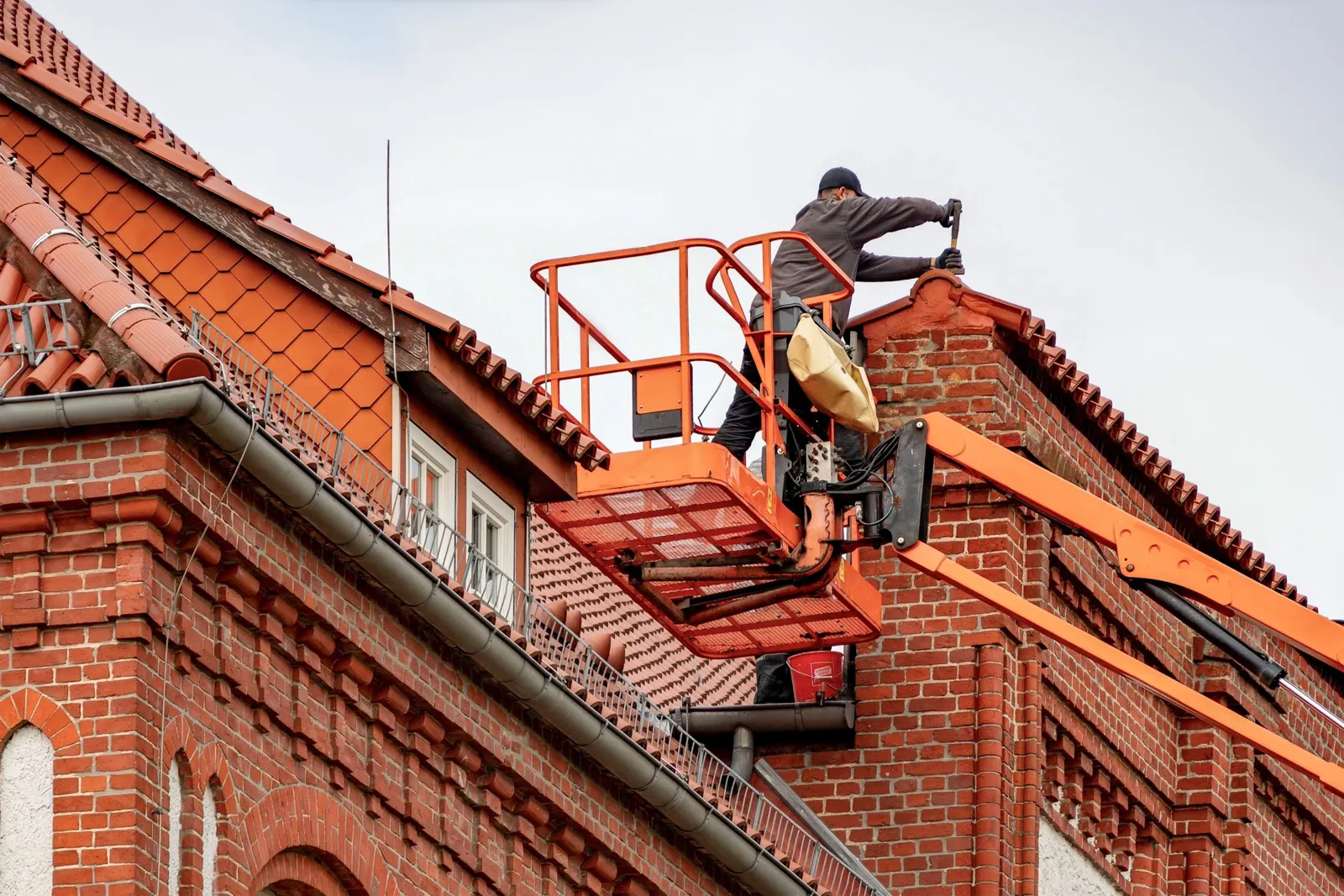
Simple from the first call
How It Works
- Your callCall, text or book online
Tell us what you see or smell. A real person from our team answers and sets a time that suits you.
- The visitFree chimney inspection
Our own crew arrives in a marked Pro 1 van, covers the floor and inspects the chimney from the firebox to the cap, free of charge.
- The estimateFree written estimate
We walk you through what we found, in plain words, and put any repair in writing before work starts.
- The workThe job, done right
We do the work, clean up the roof, the yard and the room, and walk you through the finished job.
Book before the holidays. Fireplaces get their heaviest use from Thanksgiving to New Year. A free inspection now catches nests, creosote and cracked flue tiles before the first big fire and the family gatherings.
Book My Free InspectionGet a Free Estimate
Leave your details and our local team calls you back to set a time.
