 Staten Island
Local guide
Chimney Care in Staten Island, NY: What Local Homeowners Should Know
Staten Island homes range from North Shore Victorians to the South Shore houses built after the Verrazzano-Narrows Bridge opened. Shoreline neighborhoods took heavy damage in Hurricane Sandy, and hilltop houses face strong wind. Most homes heat with gas, so the chimney mainly vents a boiler or furnace and needs a yearly check of its liner, crown and cap.
An island in the path of storms
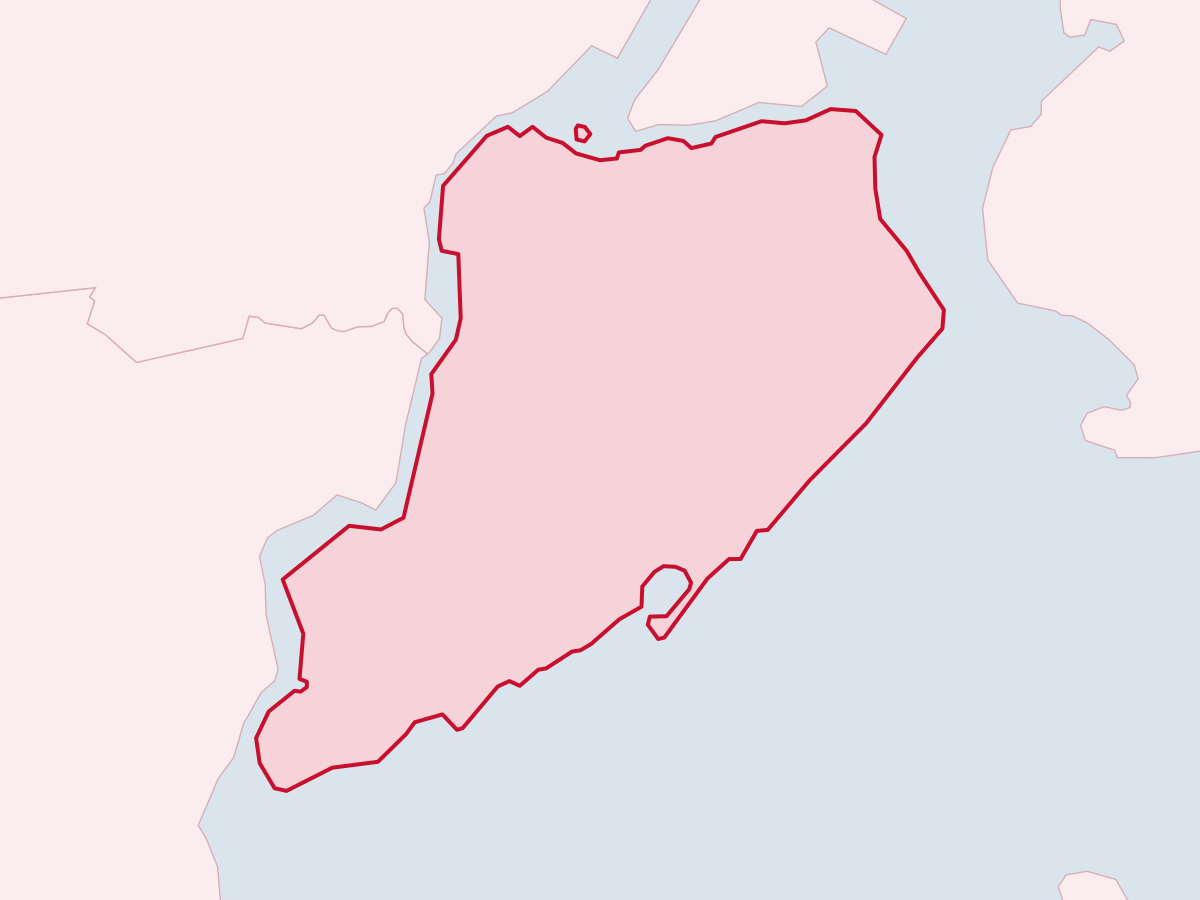
Staten Island sits at the center of the New York Bight, a sharp bend in the shoreline between New Jersey and Long Island, and the region is considered vulnerable to sea-level rise. On October 29, 2012, Hurricane Sandy caused severe damage and loss of life on the island and destroyed many homes. Storm exposure is part of owning a house here.
Height brings its own weather. Todt Hill rises 401 feet, the highest natural point in the five boroughs, and Grymes Hill reaches 374 feet. Chimneys on those slopes stand in steady wind, which can loosen caps and drive rain into the masonry. Through the winter, that water freezes and thaws inside brick and mortar, cracking crowns and opening joints.
Victorian north, suburban south
The North Shore is the island's most urban area, and both the St. George and St. Paul's Avenue-Stapleton Heights historic districts are known for large Victorian houses. The St. George/New Brighton district covers 78 houses in Queen Anne, Shingle, Colonial Revival and Tudor styles. Tottenville at the other end of the island also has many large 1800s homes still standing.
Most of the island is younger. Recent Census estimates show the largest shares of housing units built in the 1960s, 1970s and 1980s, and only about 18% from before 1940. Dongan Hills saw many small one-family homes go up in the 1950s, Great Kills stayed largely rural until heavy building followed the Verrazzano-Narrows Bridge, and Eltingville's farmland gave way to new homes after the bridge opened in 1964. Up on Todt Hill, architect Ernest Flagg designed many houses in the early 1900s.
Some neighborhoods carry their origins in the street plan. Westerleigh grew from Prohibition Park, bought by a temperance group in 1877, and Port Richmond, incorporated as a village in 1866, has a row of old houses on Heberton Avenue. Much of Annadale's woodland was cleared for new homes in the last 30 years of the 1900s.
Huguenot, named for the French Protestants who settled there in the late 1600s and early 1700s, was one of the first permanent settlements on the island.
Gas heat and the chimney
Staten Island is strongly gas-heated: Census estimates put utility gas at about 87% of occupied homes and fuel oil at about 3%. A gas appliance vents cooler, wetter exhaust than wood or oil, and in a masonry flue that is too big or unlined the moisture condenses and slowly breaks down mortar and clay tile. Many postwar chimneys were built for the furnace from day one, so their condition depends heavily on whether the liner still fits the appliance in use.
Fireplaces turn up more often in the island's larger houses, such as the 1920s homes on Grymes Hill built for Manhattan businessmen and the early-1900s Ernest Flagg houses on Todt Hill. Wood fires leave creosote, and it should be cleaned out as it builds up.
Practical chimney care on the island
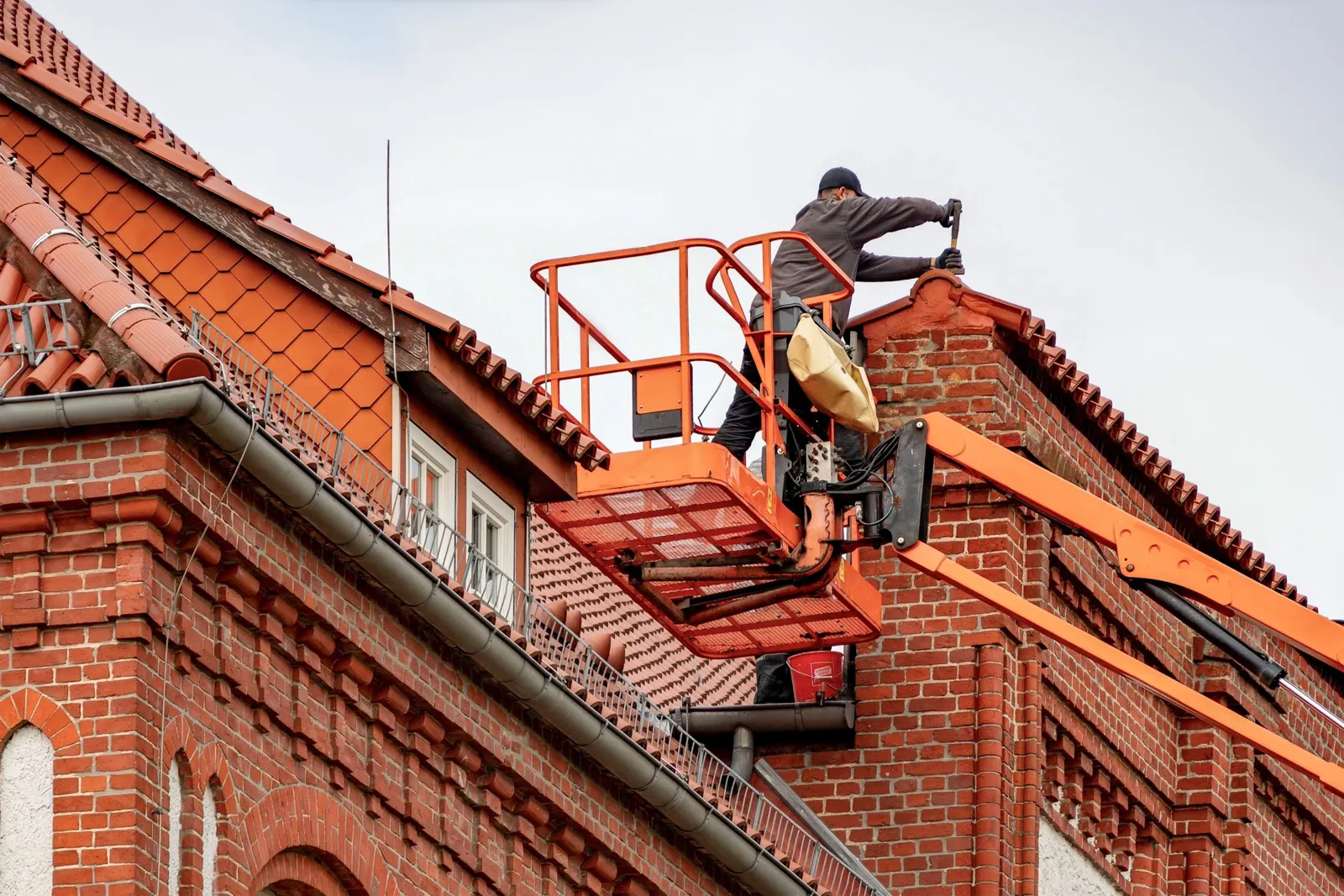
Under NFPA 211, chimneys, fireplaces and vents should be inspected at least once a year and cleaned when deposits build up. Beyond that, Staten Island owners do well to check the cap and flashing after big storms, have the system looked at after a chimney fire or flood, and replace a cracked crown before water reaches the flue. Homes that sat in floodwater in 2012 or since should have their venting checked before the heat goes back on.
Wooded lots near the Greenbelt and Blue Heron Park Preserve drop leaves and twigs on roofs, and an uncapped flue collects them along with nesting birds. A well-fitted cap with screening keeps the flue open.
Landmarks and local approvals
The St. George/New Brighton Historic District was designated by the Landmarks Preservation Commission in 1994, and the island has individual landmarks such as 121 Heberton Avenue in Port Richmond and the former parsonage at 7484 Amboy Road in Tottenville. Exterior work on designated buildings can need the commission's approval. For other homes, check with the city's Department of Buildings about larger masonry repairs.