
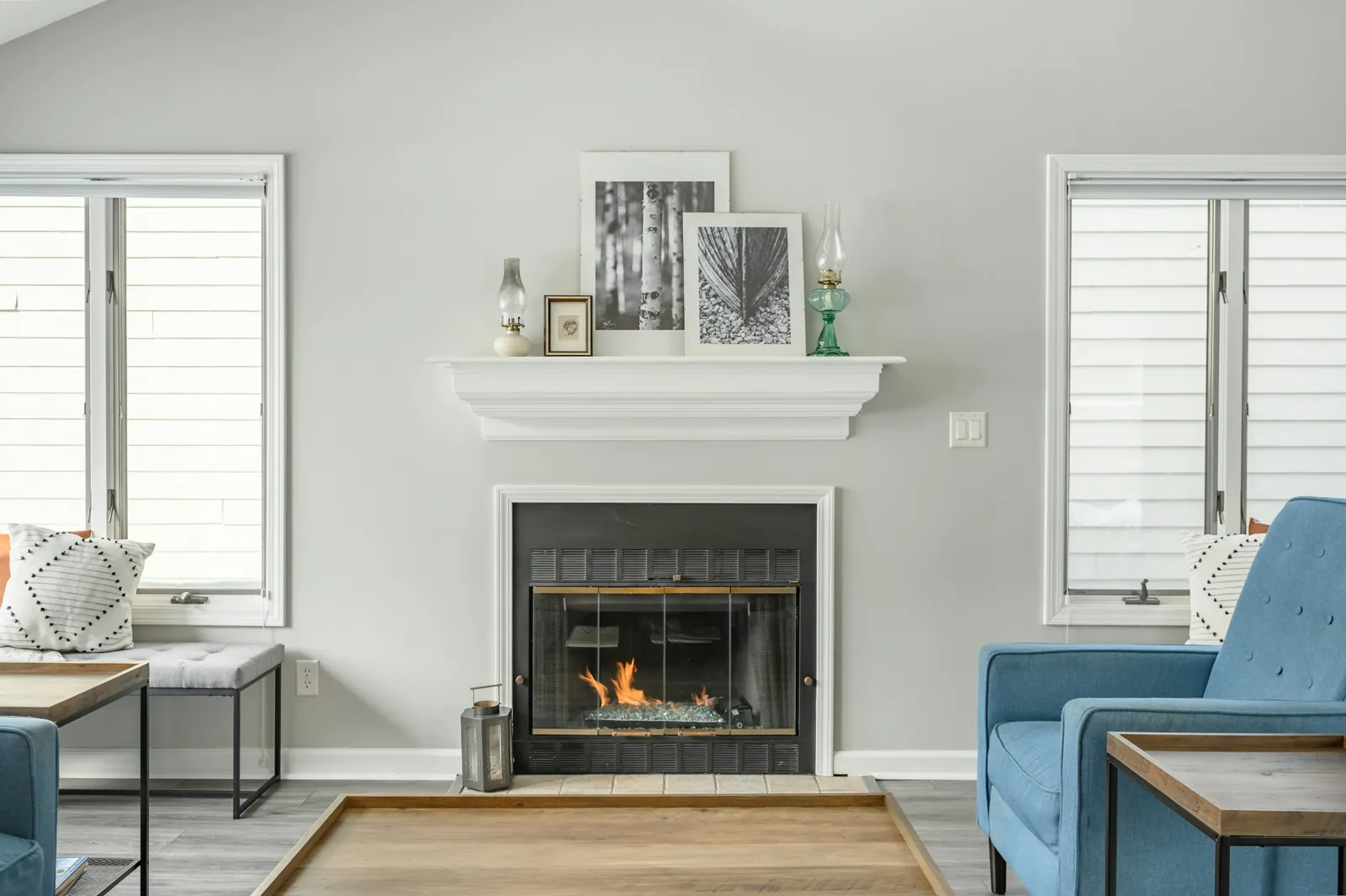
Your Local Help for Chimney Odors
Smells from a fireplace almost always trace back to one of four things: creosote in the flue, water in the masonry, something that died or nested in the chimney, or air being pulled down the flue into the house. Candles and sprays only cover it for a day. We find which one it is and deal with the cause, so the room stops smelling like an old campfire.
About Chimney Odor Removal
Fireplace odors nearly all trace back to four sources: creosote in the flue, water soaking the masonry, an animal or nest in the chimney, or air moving down the flue into the room. Each has its own signature. Creosote smells like a cold campfire or fresh asphalt. Wet masonry and soot together give a musty, basement smell. An animal leaves a sharp, sour or rotten odor. Air flowing down the flue carries whichever of those is present into the house.
Summer brings most of the calls. Humid air reactivates the smell of creosote left over from winter, and when the windows are shut and the air conditioning runs, the house can draw air down the chimney through a damper that does not seal well. Older homes with large open flues and rusted dampers are the usual suspects, but tight, newer homes with strong range hoods, bath fans and dryers can pull air down a flue just as hard.
Odor removal works by matching the fix to the source. Creosote comes out with a thorough sweep of the flue and smoke chamber. Nests and remains are cleared out and the flue is capped. Water entry gets traced and stopped. Air movement gets blocked with a damper that actually seals, often a top-sealing one. A deodorizer can follow as a final step, but on its own it only covers the smell for a while.
What Our Crew Does
- Questions about when the smell peaks: humidity, rain, fans running or certain rooms
- Smoke shelf, damper, smoke chamber and flue checked for deposits and debris
- Creosote swept out of the flue and scraped from the smoke chamber
- Nests, leaves and any animal remains removed and bagged
- Damper closed and checked for gaps along its seal
- Crown, cap and brick looked at for the water that feeds a musty smell
- The cause explained, with any repair beyond cleaning priced in writing
When to Call Us
- A tar-like smoky smell that gets stronger in summer
- A musty, basement-like smell near the fireplace
- The smell shows up when a bathroom fan or range hood runs
- A sharp animal smell from the firebox
- The room smells worse after a heavy rain
How the Job Goes
- Find the source
We ask when the smell is strongest, then look at the flue, the smoke shelf, the damper and the top of the chimney.
- Clean it out
Creosote is swept from the flue and smoke chamber, and any nest, leaves or animal remains come out.
- Stop the air flow
If air is coming down the flue, a better-sealing damper or a top-sealing damper keeps it out when the fireplace is not in use.
- Deal with water
If damp is behind the smell, we show you where water gets in and give you a free written estimate to stop it.
Your Options
The flue and smoke chamber cleaned first, then a treatment that neutralizes what is left in the masonry pores.
A damper with a gasket at the flue top that blocks air from coming down when the fireplace is idle.
Cut the air exchange between the room and the firebox, which reduces how much smell reaches the room.
Crown, cap, flashing or repellent work where damp masonry is behind the musty smell.
What Affects the Cost
- What is actually causing the smell
- How heavy the creosote is in the flue and smoke chamber
- Removing an animal, a nest or remains, and cleaning up after it
- Replacing a damper that no longer seals
- Repairs to stop water getting into the masonry
Every job starts with a free written estimate, so you know the price before we start.
When It Cannot Wait
- An exhaust smell near the boiler or water heater: open windows and check the carbon monoxide alarms
- A rotting animal smell coming from the firebox
- A musty smell with visible mold on walls beside the chimney
- Smoke smell in rooms far from the fireplace while it burns
Make It Last
- Book the sweep at the end of the burning season, not only before the next one
- Close the damper firmly once the fireplace is done for the year
- Keep a capped top so rain and animals stay out of the flue
- Crack a window when strong exhaust fans run in a tightly sealed house
Questions About Chimney Odor Removal
Why does the fireplace smell worse in summer?
Will a deodorizer fix it?
Is the smell dangerous?
Does a spring sweep help with the summer smell?
Can glass doors stop the smell?
Is baking soda or kitty litter in the firebox worth trying?
Guides From Our Crew
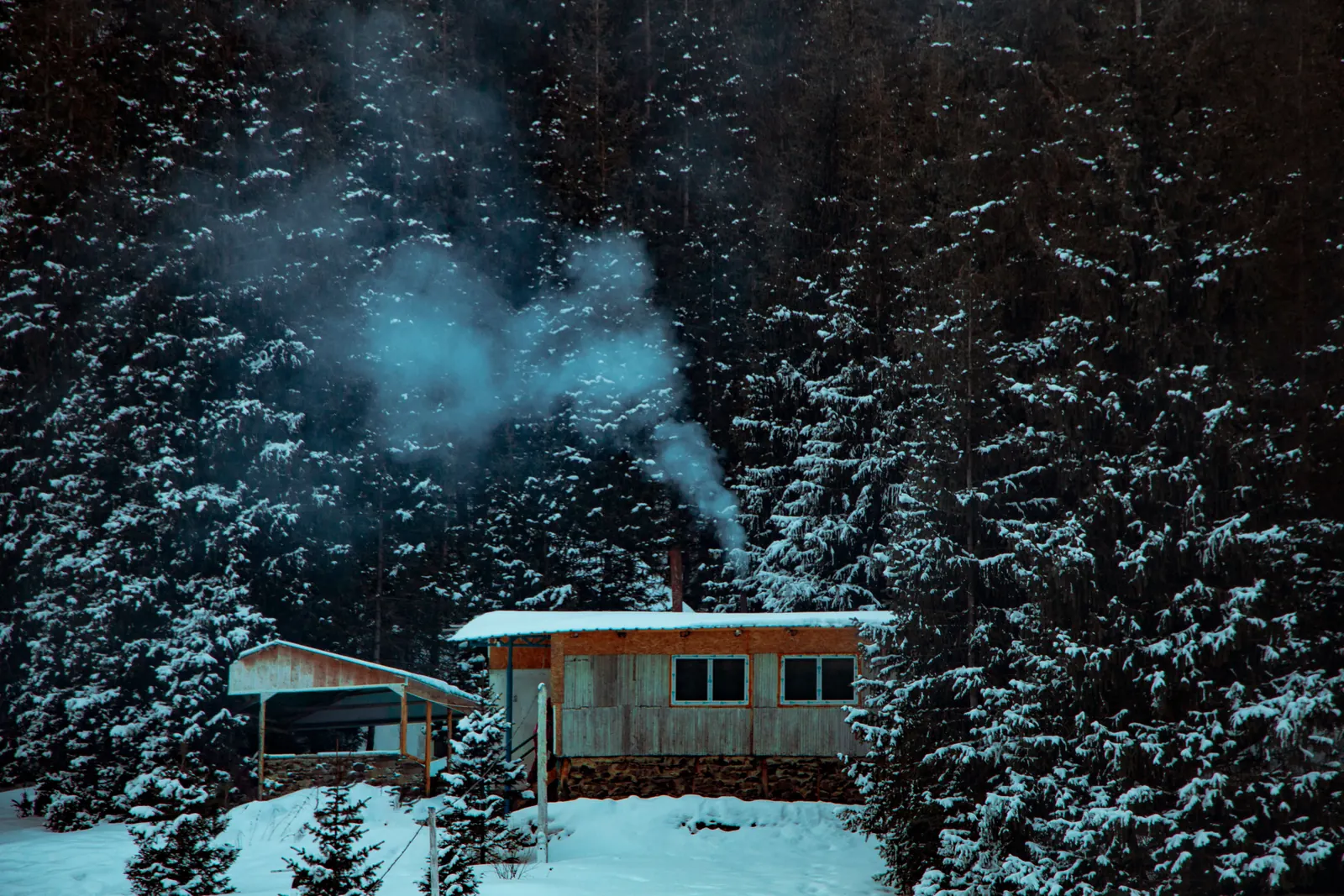 Why Does My Chimney Smell When It Rains?Rain and humidity wake up the creosote and soot on the flue walls.
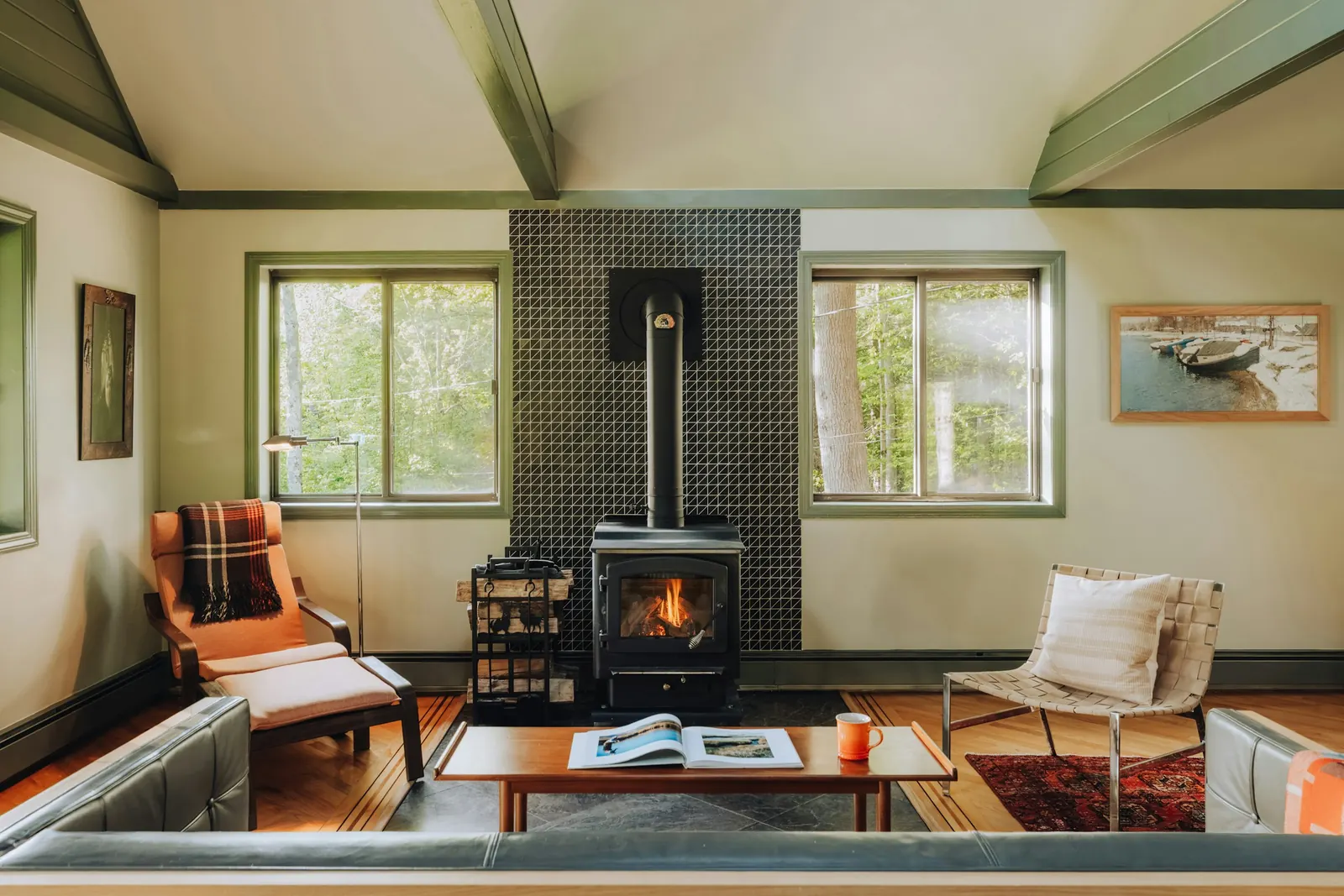 Why Does My Fireplace Smell Like Smoke When Not in Use?When the fireplace sits cold, the house can pull air down the chimney instead of up.
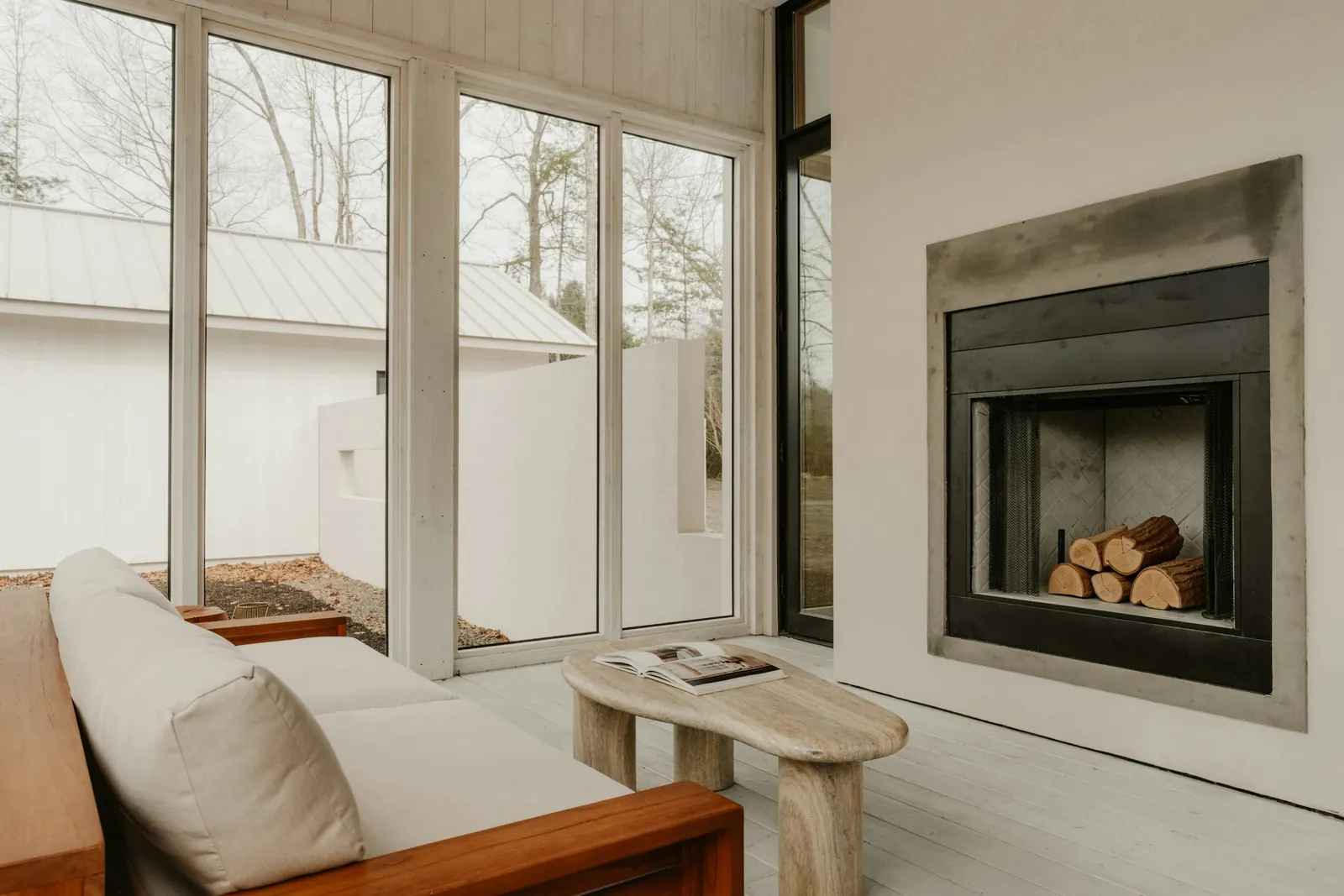 Why Your Fireplace Smells Musty or Like MildewA musty, mildew smell from the fireplace means moisture is sitting somewhere in the chimney.
 Chimney Smells Like a Dead Animal: What to DoThat sweet, rotten smell usually means an animal died somewhere in the chimney: on the smoke shelf, on top of the damper or at the base of a boiler flue behind the cleanout.
 Why the Basement Smells Like the FireplaceA fireplace smell in the basement means smoke or flue air is travelling down instead of up.
 How to Close Up a Fireplace for the SummerClosing a fireplace for summer takes four steps: let the last fire go completely cold, clear out the ash, shut the damper tight, and cover the opening if the damper leaks.
Why homeowners call Pro 1
18,000+ Chimney Jobs. One Standard.
15+ years and 18,000+ chimney jobs taught us what homeowners want: a crew that shows up, explains it plainly and leaves the house as clean as they found it.
$500 OFF any chimney service
- Our own local crews
The people at your door work for us and live in the area. We never send subcontractors.
- Licensed and insured
Your home and our crew are covered on every job, from a sweep to a full rebuild.
- Free written estimate
You see what we found and what it takes to fix it, in writing, before any work starts.
- Upfront pricing
The price we write down is the price you pay. No hidden fees and no surprise add-ons.
- Fast response
Open 24 hours Sunday to Friday, with a real person on the phone and same-day visits when we can.
- Clean, careful work
Floors and furniture covered, the roof and yard cleaned up, and a walk-through when we finish.

Limited time offer
$500 OFF
Any chimney service. Mention it when you call or book online.
Simple from the first call
How It Works
- Your callCall, text or book online
Tell us what you see or smell. A real person from our team answers and sets a time that suits you.
- The visitFree chimney inspection
Our own crew arrives in a marked Pro 1 van, covers the floor and inspects the chimney from the firebox to the cap, free of charge.
- The estimateFree written estimate
We walk you through what we found, in plain words, and put any repair in writing before work starts.
- The workThe job, done right
We do the work, clean up the roof, the yard and the room, and walk you through the finished job.
Book before the holidays. Fireplaces get their heaviest use from Thanksgiving to New Year. A free inspection now catches nests, creosote and cracked flue tiles before the first big fire and the family gatherings.
Book My Free InspectionGet a Free Estimate
Leave your details and our local team calls you back to set a time.
