
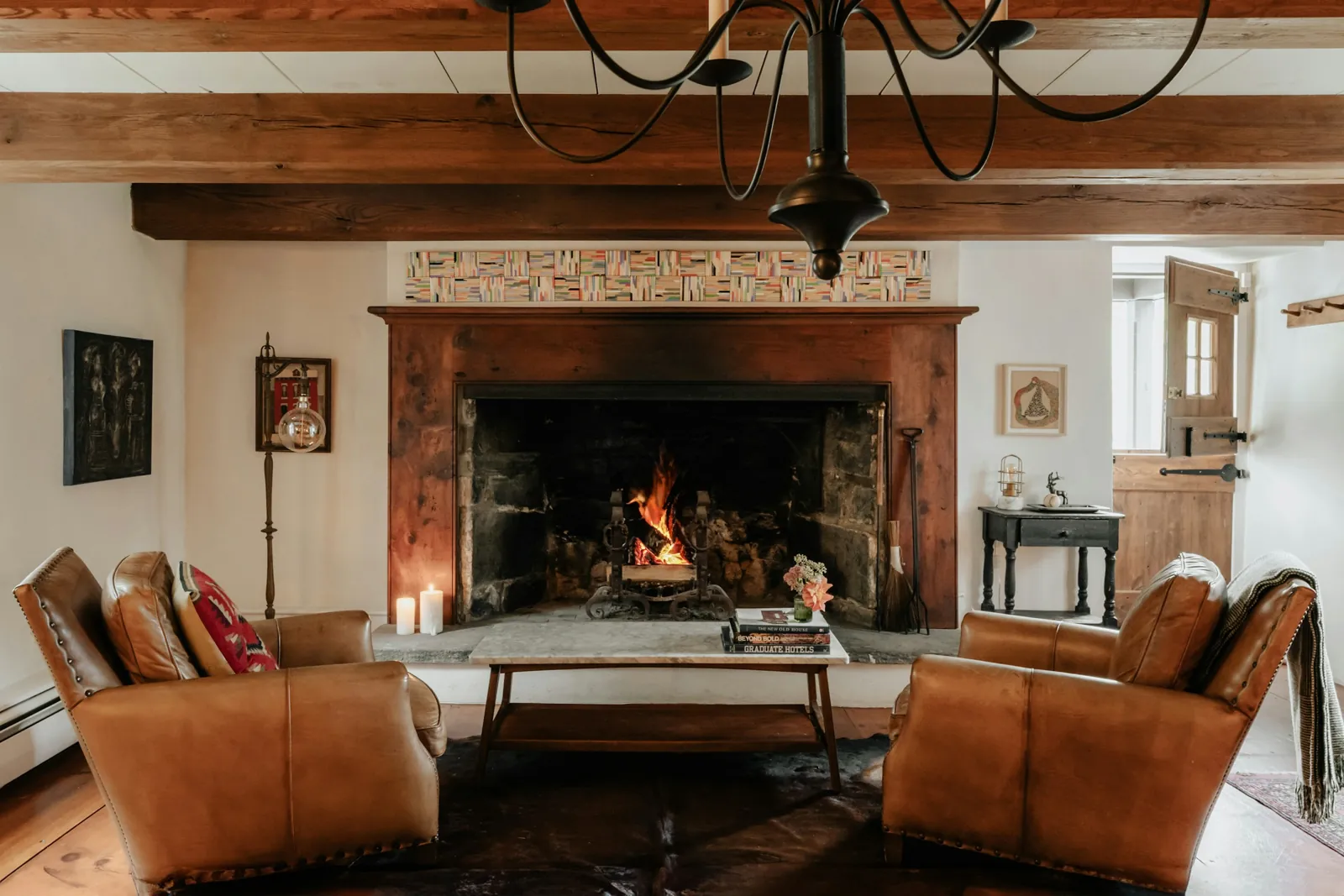
Firebox Repair by Your Local Crew
Inside the fireplace opening, the back wall and sides take direct flame every time you light a fire. Firebrick cracks, joints wash out and the back wall can start to bulge. Regular mortar does not hold up in there, so the repair is made with refractory mortar rated for that heat.
About Firebox Repair
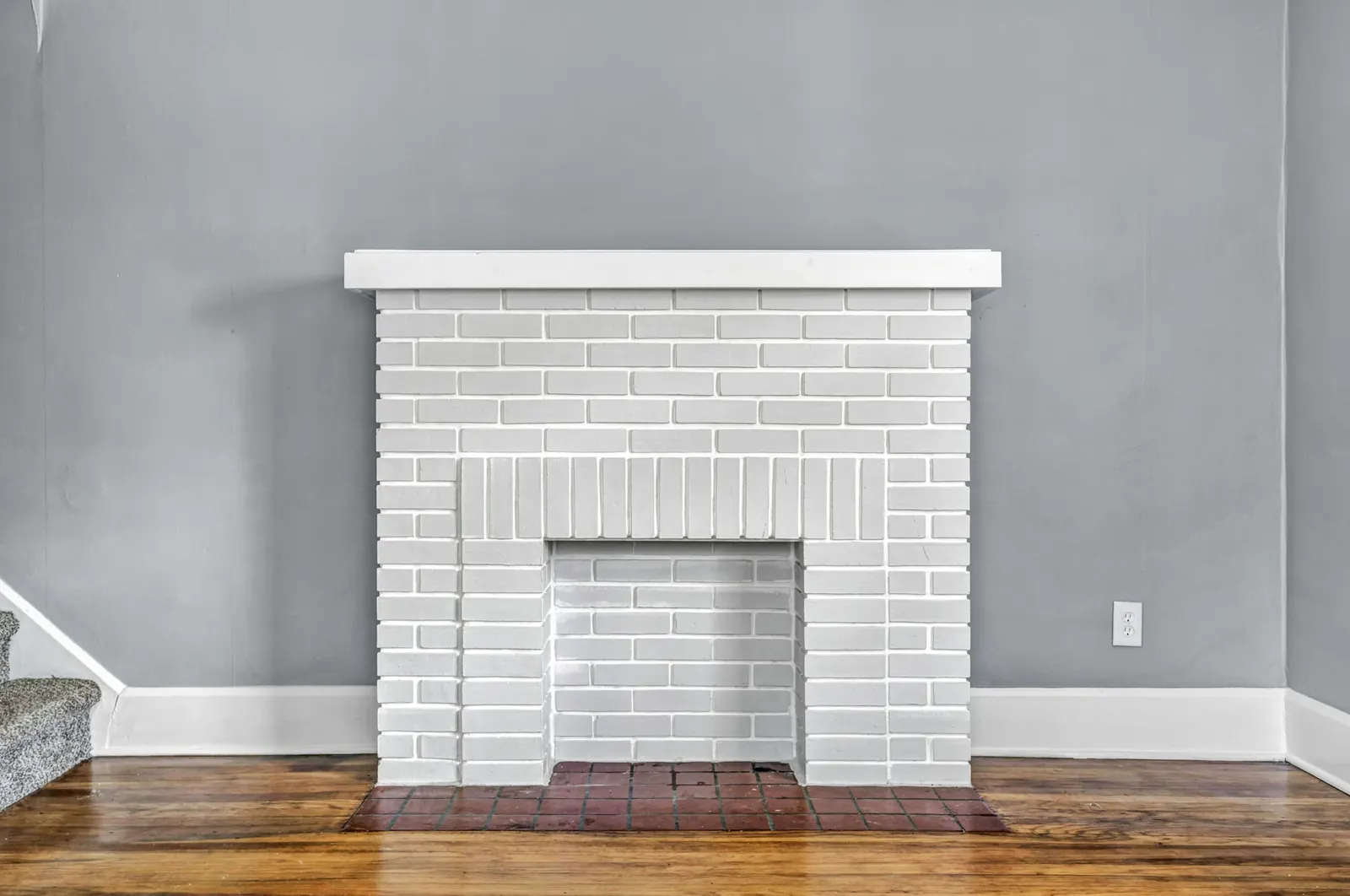
Firebrick is a different material from the red brick in the rest of the chimney. It is denser, fired to resist high heat and laid with joints so thin they look like pencil lines. That thinness is deliberate: mortar is the weak point in any fire-facing wall, so the less of it there is, the better the wall survives. Even so, every fire expands the face of the brick while the back stays cooler, and years of that cycle open joints and split bricks.
In older city homes the firebox was often built for coal, small and shallow, and later burned with wood that is too long for it, so logs press against the back wall. In suburban houses, wide fireboxes may have been repaired in the past with ordinary mortar, which crumbles quickly near a fire. Factory-built fireplaces have no firebrick at all, but molded refractory panels screwed into a metal box, and those panels crack and wear in their own way.
A firebox repair starts by separating cosmetic wear from structural damage. Surface crazing on firebrick is normal. Joints deep enough to catch a fingernail, bricks that are split through or loose, and a back wall pulling forward are not. Repairs use refractory mortar and matched firebrick, set with tight joints, and then cured on a schedule before full-size fires return.
What Our Crew Does
- Back wall, side walls and floor checked brick by brick
- Joint depth measured and loose or hollow-sounding brick marked
- Failed joints raked out and refilled with refractory mortar
- Split or spalled firebrick cut out and replaced with matching brick
- A leaning back wall taken down and relaid where it has pulled forward
- Refractory panels in factory-built units replaced with the listed parts
- A curing plan given for the first fires after the repair
When to Call Us
- Cracks through the firebrick on the back wall
- Joints deep enough to push a key into
- Loose or missing brick in the firebox
- A back wall that leans toward the room
- Cracked panels in a metal fireplace
How the Job Goes
- Check the box
Back wall, sides, floor and the joints between them, plus the hearth in front.
- Repoint or relay
Worn joints are cleaned out and refilled. Cracked or loose firebrick is cut out and laid again.
- Panels in metal units
In a factory-built fireplace, the refractory panels are replaced with the parts its maker specifies.
- Cure before use
We tell you when the first fire can go in and how small to keep it.
Your Options
For a firebox with sound bricks and worn joints. The quickest repair that still lasts.
Split or crumbling bricks removed one at a time and replaced, leaving the rest of the wall in place.
All firebrick removed and laid new. Used when damage is spread across the walls and floor.
For factory-built fireplaces, panels made for that model replace the cracked ones. Generic panels are not a substitute.
What Affects the Cost
- How many joints and bricks need work
- A back wall that has to be taken down and relaid
- Firebrick color and size matching for visible repairs
- Availability of panels for older factory-built models
- Hearth floor repairs inside the firebox
- Time needed for refractory mortar to cure
Every job starts with a free written estimate, so you know the price before we start.
When It Cannot Wait
- A back wall leaning toward the room
- Gaps in the firebox showing framing or the metal shell of a factory-built unit
- Bricks that move or have fallen out
- A refractory panel cracked through in a factory-built fireplace
Make It Last
- Set logs on andirons or a grate so they burn clear of the back wall
- Split wood to a length that fits the firebox
- Let fires burn out on their own instead of dousing them with water
- Avoid building very large fires that overheat the walls
Questions About Firebox Repair
Are hairline cracks in firebrick a problem?
How is firebrick different from regular brick?
Do you work on prefab fireplaces?
What is the difference between air-set and heat-set refractory mortar?
Why is new firebrick a different color from my old firebox?
Can I paint the inside of my firebox?
Guides From Our Crew
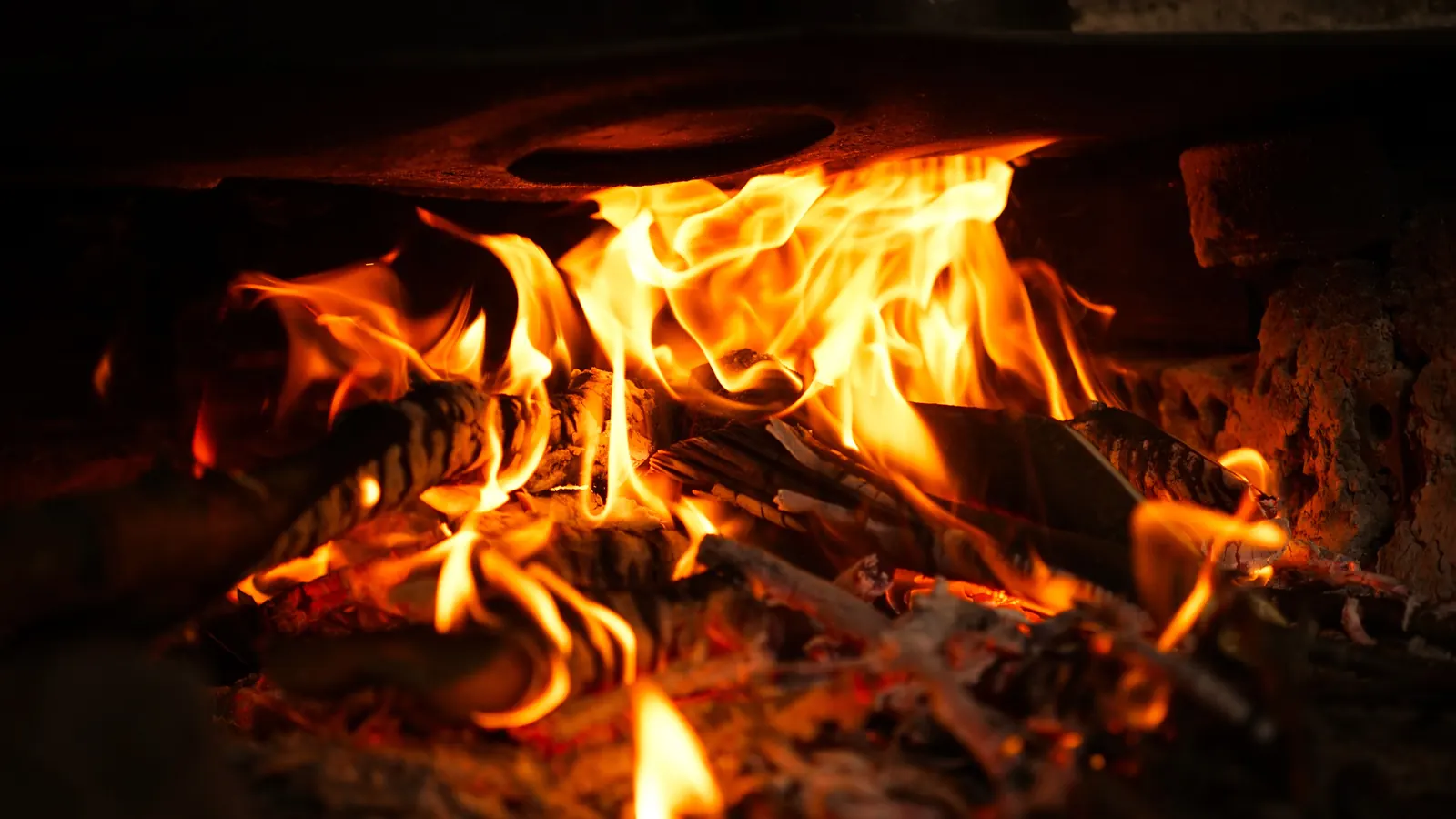 Do Cracked Fire Bricks Need to Be Replaced?Not every cracked fire brick needs replacing.
 How to Tell If Fireplace Mortar Needs RepairFireplace mortar needs repair when the joints between firebricks are sandy, hollow, cracked open or missing, or when bricks begin to loosen.
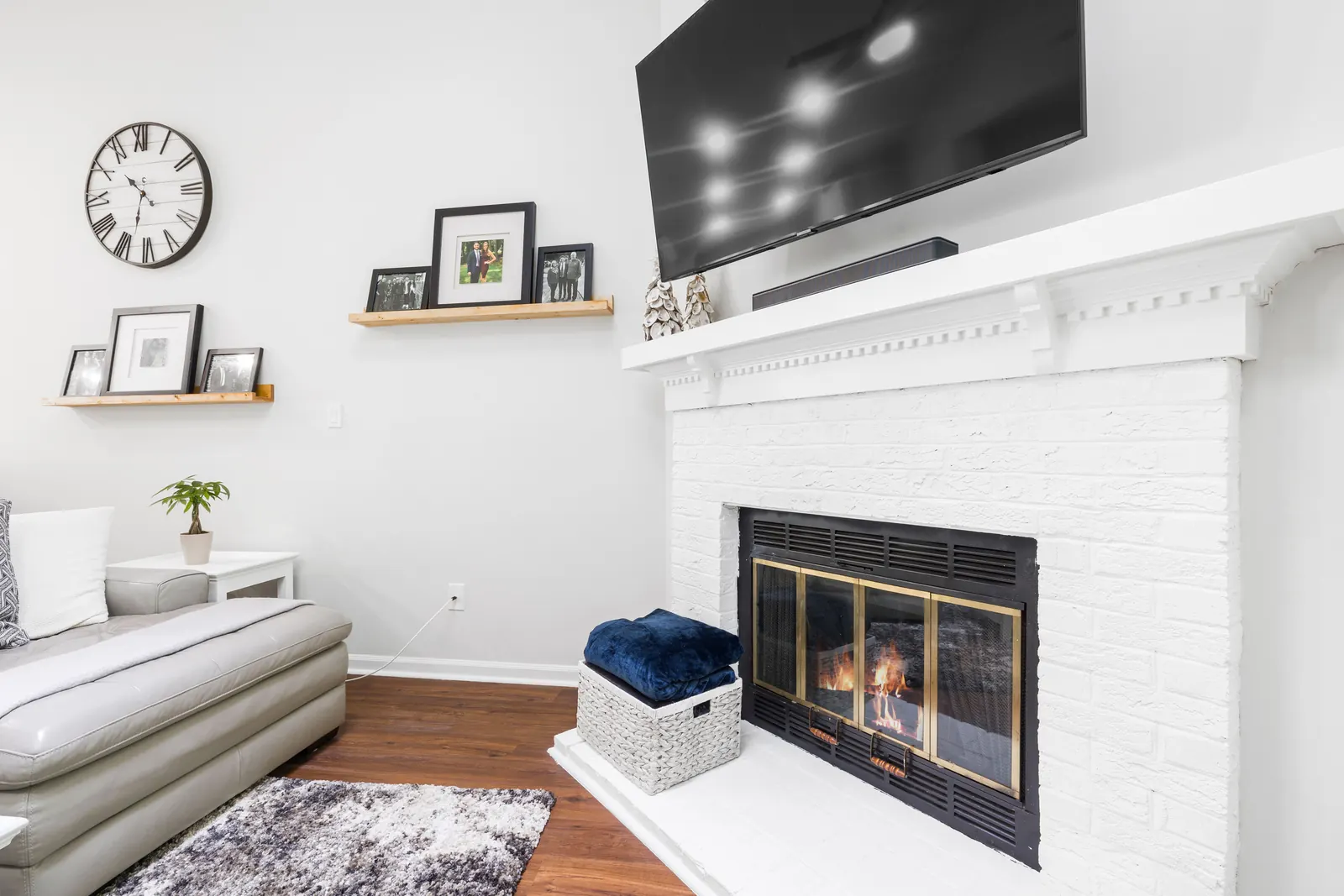 Cracked Fireplace Refractory Panels: When to ReplaceReplace refractory panels when cracks open wide, pieces break away, the surface turns soft or sandy, or any metal behind a panel shows through.
 Zero-Clearance vs Masonry Fireplace: How to TellA zero-clearance fireplace is a factory-built metal unit, made to sit close to wood framing and vent through a metal chimney pipe.
 How to Put Out a Fire in a FireplaceThe safest way to put out a fireplace fire is to let it burn low, spread the logs and embers apart with a poker, and smother them with a layer of ash, dry sand or baking soda.
Why homeowners call Pro 1
18,000+ Chimney Jobs. One Standard.
15+ years and 18,000+ chimney jobs taught us what homeowners want: a crew that shows up, explains it plainly and leaves the house as clean as they found it.
$500 OFF any chimney service
- Our own local crews
The people at your door work for us and live in the area. We never send subcontractors.
- Licensed and insured
Your home and our crew are covered on every job, from a sweep to a full rebuild.
- Free written estimate
You see what we found and what it takes to fix it, in writing, before any work starts.
- Upfront pricing
The price we write down is the price you pay. No hidden fees and no surprise add-ons.
- Fast response
Open 24 hours Sunday to Friday, with a real person on the phone and same-day visits when we can.
- Clean, careful work
Floors and furniture covered, the roof and yard cleaned up, and a walk-through when we finish.

Limited time offer
$500 OFF
Any chimney service. Mention it when you call or book online.

Simple from the first call
How It Works
- Your callCall, text or book online
Tell us what you see or smell. A real person from our team answers and sets a time that suits you.
- The visitFree chimney inspection
Our own crew arrives in a marked Pro 1 van, covers the floor and inspects the chimney from the firebox to the cap, free of charge.
- The estimateFree written estimate
We walk you through what we found, in plain words, and put any repair in writing before work starts.
- The workThe job, done right
We do the work, clean up the roof, the yard and the room, and walk you through the finished job.
Book before the holidays. Fireplaces get their heaviest use from Thanksgiving to New Year. A free inspection now catches nests, creosote and cracked flue tiles before the first big fire and the family gatherings.
Book My Free InspectionGet a Free Estimate
Leave your details and our local team calls you back to set a time.
