
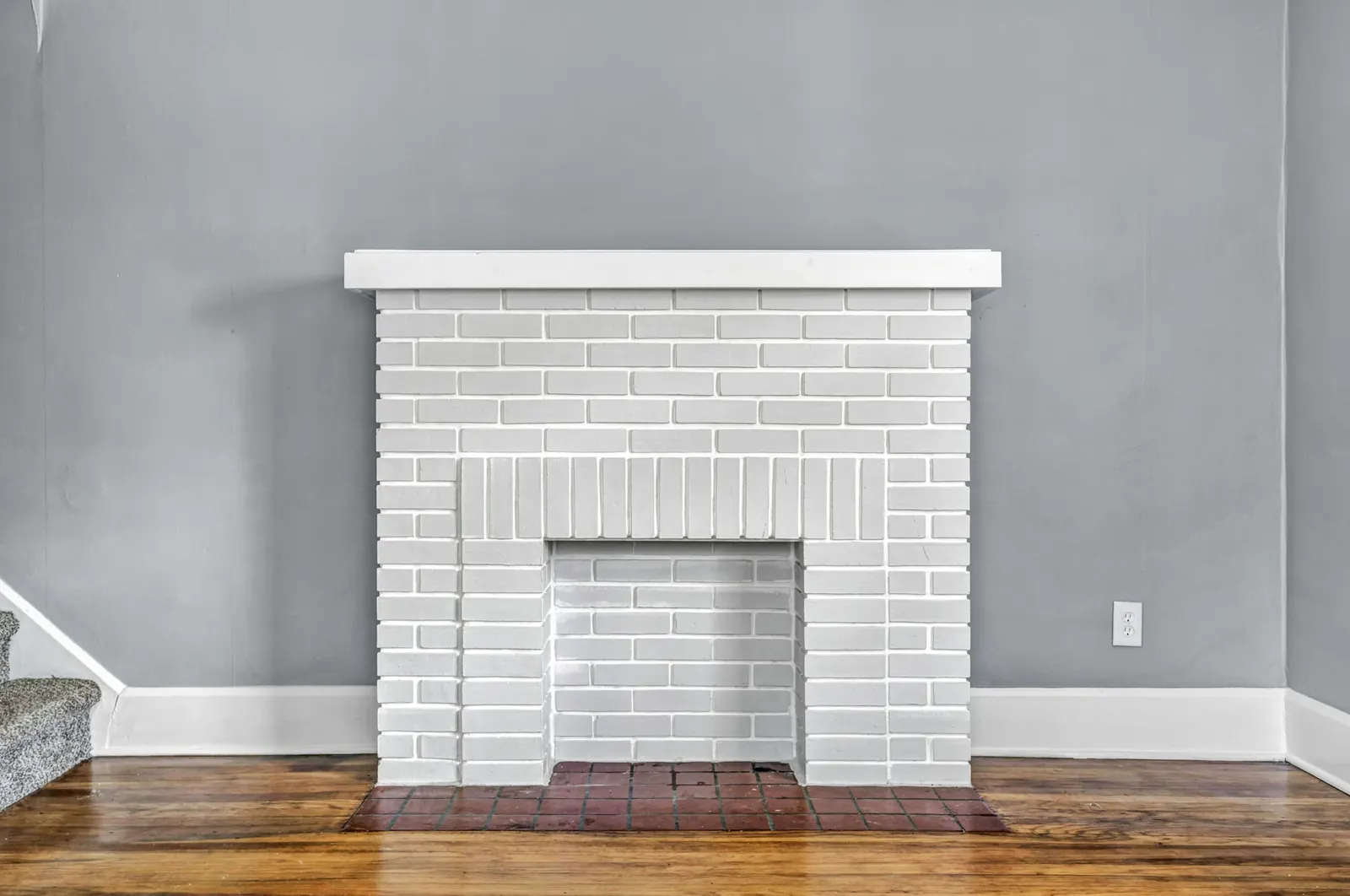
Plan the end of the fire
The easiest fire to put out is a small one. About an hour before you want the fireplace out, stop adding wood. Let the logs burn down to coals, and push any unburned ends into the center with a poker so they finish. A fire that has already burned low needs very little to put out completely.
This is also the cleanest way to burn. Logs that are smothered half-burned leave more charred wood, more smoke during the smothering and more residue in the flue. If you have to leave or go to bed sooner, the steps below still work; they just take longer with larger logs.
If smoke rolls into the room while you work, or the fire flares when you spread it, the chimney may not be drawing well. A partly closed damper, a cold flue, a blockage or heavy creosote can all cause that, and so can wet wood that smolders instead of burning. If this happens regularly, have the chimney inspected and swept; NFPA 211 calls for a yearly inspection and cleaning when deposits build up. A fire that refuses to die down is often one that never drew properly in the first place.
Step by step
Have the tools ready before you start: a poker, a metal shovel, a metal ash bucket with a lid, and a box of baking soda or a pail of dry sand.
- Spread the logs and embers apart so they lose heat and stop feeding each other
- Stand any large, still-burning log on end at the back of the firebox, away from the others
- Cover the embers with ash from the floor of the firebox, or with sand or baking soda
- Stir gently with the poker and cover again until no glow shows
- Leave the damper open and close the screen or glass doors
- Check again before leaving the room, and keep the fireplace off-limits until it is cold
Smothering methods compared
Fire needs heat, fuel and air. Spreading the embers removes heat; covering them removes air. These are the common options and how they behave in a fireplace.
- Letting it burn down: the most complete and least messy, but it takes time and planning
- Ash from the firebox floor: good for small coals, if there is enough of it
- Dry sand: smothers well, but adds grit to clean out later
- Baking soda: smothers well and gives off a gas that helps; a real fire needs a full box
- Water: puts it out, at the cost of steam, flying ash, sludge and a risk of cracking hot firebrick or glass
Why water is a poor choice
Water does put out fire, but in a fireplace it causes other problems. It turns to steam instantly and blows hot ash and soot out into the room. It leaves a wet, acidic sludge of ash and soot that stains brick and smells for days. And cold water on hot firebrick, a cast iron grate or glass doors can crack them, turning a quiet evening into a repair.
A spray bottle for a stray ember on the hearth is fine. Buckets of water into a burning firebox are not.
Why the damper stays open
Flames going out does not mean the fire is finished. Smoldering coals keep producing smoke and carbon monoxide for hours, and the open damper is what carries those gases up the chimney instead of into the house. Closing the damper on warm ashes is one of the more common ways CO ends up in a living room. Leave it open until the ashes are cold to the touch, which is often the next morning.
A home with a fireplace needs CO alarms that work. If one sounds, outside first, then 911.
Glass doors, inserts and stoves
Glass doors on an open fireplace can usually be closed to keep embers in once the fire is low, but follow the fireplace or door manufacturer's instructions, since some doors are meant to be open during a full fire. A wood stove or insert is different: closing the door and the air control starves the fire, which is how stoves are normally shut down. The coals will smolder out on their own inside the closed stove. Do not throw water into a hot stove; it can warp or crack the firebox.
Turning off a gas fireplace
Gas units are switched off at the wall switch, remote or control knob, and the flames should die within a few seconds. Many units keep a small standing pilot burning afterward, which is normal. The glass stays hot for a long time, so keep children and pets away from it.
If the flames do not go out when the unit is switched off, or you smell gas, do not try to smother anything. Turn the fireplace's gas shutoff valve off if you can reach it safely, leave the house, and call the gas company or 911 from outside. Have the valve and controls serviced before the fireplace is used again.
Before bed
An open wood fire should not be left burning while everyone sleeps. Start winding it down well before bedtime so you can smother the last coals and confirm they are out. Even then, ash and embers stay hot for a long time, so the damper must stay open and the screen or doors closed. Make sure the smoke and CO alarms are working.
Leave the ashes in the firebox overnight rather than carrying them out late. The next morning, stir them with the poker: if any warmth or glow remains, cover it again and wait. Once they are cold, move them to a lidded metal bucket stored outdoors on a nonflammable surface, and leave the bucket there for several days before emptying it.
When it is not just a fireplace fire
Some situations are beyond smothering. A loud roaring or rushing sound from the chimney, popping and cracking above the damper, dense smoke pouring from the top or flames shooting out of the cap mean a chimney fire. Anything burning outside the firebox, like a rug, a mantel or a nearby wall, is a house fire. In either case, get everyone out, close doors behind you, and call 911 from outside. A home extinguisher is for a small fire that has escaped the hearth, used only if you have a clear way out.
Common Questions
How do I put out a wood fire in a fireplace quickly?
Can I close the damper once the flames are gone?
Is it safe to use a fire extinguisher in a fireplace?
Can I put out a fireplace fire with salt?
Is it okay to let a fireplace fire burn out on its own?
Need help with this? See our fireplace repair service, or call (844) 468-2410 for a free written estimate.

