The question an insurer starts with
When a chimney claim comes in, the first thing most insurers want to establish is how the damage happened and when. A chimney top knocked off in a windstorm happened at a moment in time. Mortar washed out over twenty winters did not. Many policies are written around that distinction between sudden, accidental loss and wear, tear and deterioration.
The wording varies a great deal from one policy to the next, and between carriers. What a neighbor was told about their claim tells you little about yours. Before calling anyone, find the policy's declarations page and the sections on covered perils and exclusions, and read the parts that mention wind, lightning, falling objects, water damage, wear and tear, and maintenance.
If the chimney is unsafe right now
Paperwork comes second when masonry is loose. A chimney that has lost its top courses, cracked through after a lightning strike or started to lean can drop brick onto a sidewalk, a car or a neighbor's roof. Keep people and vehicles away from the fall zone below it, and do not climb up to look.
Damage that reaches the flue raises a different risk. If the chimney vents a boiler, furnace or water heater, broken tile or fallen brick can block the exhaust and push it back into the house. Shut the appliance off if you can do so safely, make sure the CO alarms work, and if one sounds, leave and phone 911 or the utility from outside. A chimney crew can often make the top safe or cap a damaged flue temporarily so the situation does not get worse while the claim is being reviewed, and the record of that work becomes part of the file.
Tell your insurer about any emergency steps taken, and keep the invoices, pictures and removed pieces.
Events that are sudden by nature
Some kinds of chimney damage come from a single event that can be dated. These are the situations most often discussed as sudden damage, though whether yours is covered still depends on the policy:
- A lightning strike that cracks or blows apart part of the stack
- High wind or a nor'easter that topples the top courses or tears off a cap
- A tree or large limb falling onto the chimney
- Hail or wind-driven debris that damages a crown, cap or flashing
- A chimney fire that cracks the liner or damages surrounding framing
Damage that develops slowly
Most chimney repairs in older homes around the region are driven by gradual causes: freeze-thaw cycles that spall brick faces and open mortar joints, crowns that crack over several winters, flashing that rusts or pulls loose, acidic boiler exhaust that erodes a flue from the inside, and water soaking into soft brick year after year. Insurers commonly treat this kind of deterioration as maintenance rather than a sudden loss.
Settling and leaning raise their own questions. A chimney pulling away from the house often traces back to its footing or the soil under it, and many policies handle earth movement under separate terms. Again, the answer sits in your policy's language, not in a general rule.
Why leaks are the gray area
Water damage inside the house is where many chimney claims get complicated. A ceiling stain that appears the morning after a storm tore off the flashing is a different story from a stain that has been growing for two seasons because the counter-flashing failed. Insurers often ask how long the leak has been going on and what let the water in, and mold, rot and stained plaster from a long-running leak are frequently viewed the same way as the leak itself.
That is one more reason to deal with a stain by the chimney promptly. Note the date you first saw it, move belongings out of the way, catch drips where it is safe to, and have the source traced rather than painted over.
How fresh damage is told apart from old
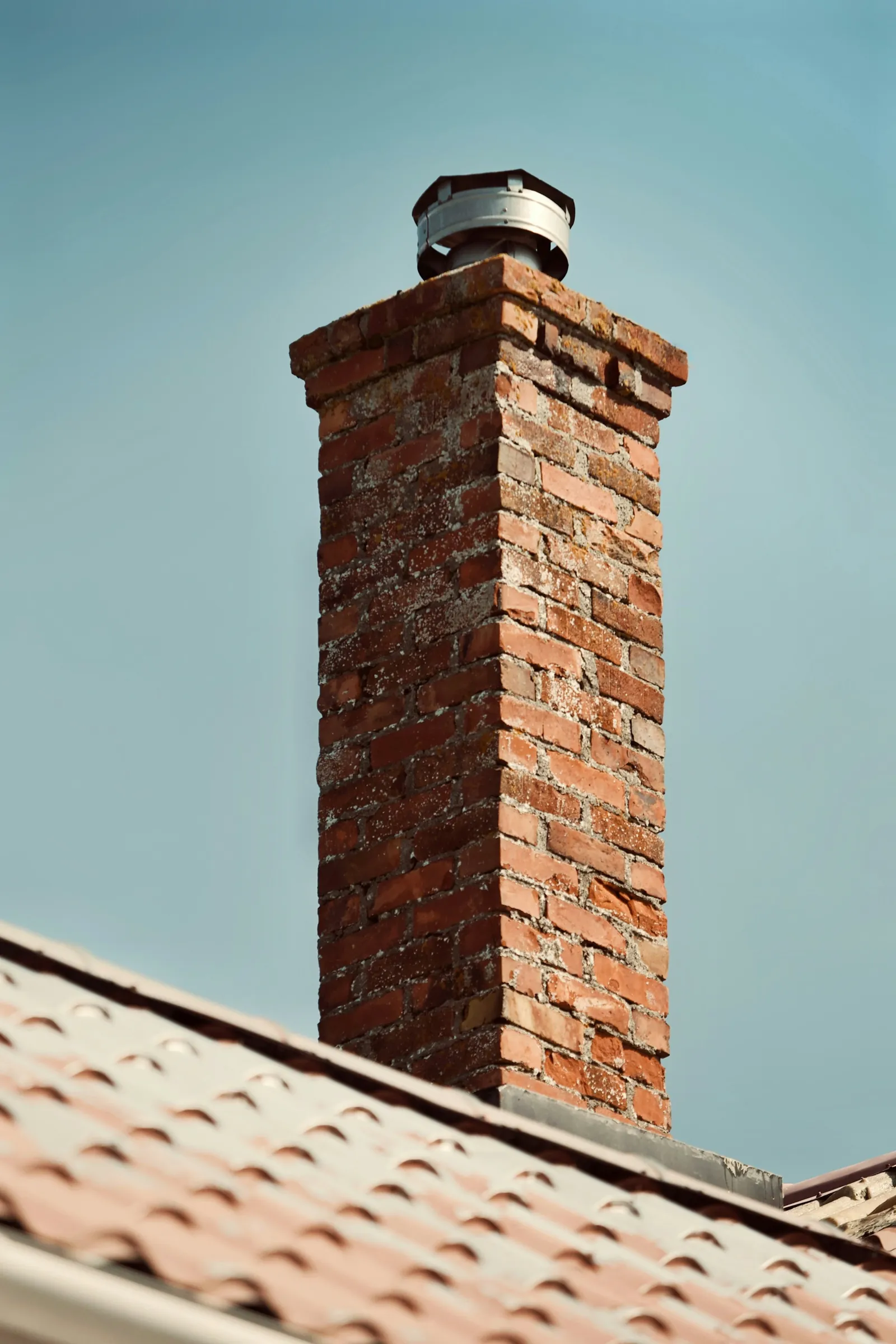
When a technician writes up storm or impact damage, the details that matter are physical. A fresh break in brick or mortar shows clean, sharp, light-colored faces. Old cracks are dirty, weathered and rounded at the edges, often with moss, staining or efflorescence along them. Fallen bricks with clean mortar on their backs, a cap with bent fresh metal, or a crown with a crisp new fracture all read differently from long-standing wear.
A written report that describes what was seen, with pictures and the location of each item, gives the adjuster something concrete to review. It describes conditions and repairs; it does not decide coverage.
Documenting chimney damage
Good records make every conversation with an insurer easier, and they are simplest to gather right away.
- Write down the date, the time and what happened, such as the storm or the noise you heard
- Take pictures from the ground and inside: fallen brick, stains, debris in the firebox
- Keep pieces of fallen masonry or a blown-off cap if they can be picked up safely
- Stop using the fireplace or appliance on that chimney until it has been checked
- Keep receipts for any temporary protection, such as a tarp or a roofer's emergency patch
- Get a written condition report and repair scope from a chimney company
Working through a claim
Call your agent or insurer, describe what happened, and ask how they want the damage reported and whether they want an adjuster to see it before repairs. Policies commonly ask owners to protect the property from further damage, so if loose brick could fall onto a walkway or a neighbor's roof, ask what temporary measures they expect and keep everyone clear of the area.
In attached houses, a damaged chimney may be shared with the house next door, or debris may land on a neighbor's roof. Tell your insurer about any shared wall or stack, and let the neighbor know; their insurer may need to be involved as well. We can inspect the chimney, describe what we found and what likely caused it, and write up the repair scope. What the policy pays is between you and your insurer.
Maintenance records work in your favor
A yearly inspection, which NFPA 211 calls for, catches small problems before they turn into large ones, and the paperwork shows the chimney was looked after. Keep inspection reports, sweep invoices and repair records together with your policy documents.
The repairs that prevent most claims are not glamorous: a cap on every flue, a crown that sheds water, sound flashing and solid mortar joints. Fixing a cracked crown or soft joints early is far simpler than repairing water damage in a ceiling later.
Common Questions
Does homeowners insurance cover chimney damage from a storm?
Is chimney damage from old age covered by insurance?
Will you talk to my insurance adjuster?
Is a chimney cap that blew off covered?
Should I repair the chimney before the adjuster comes?
Need help with this? See our chimney repair service, or call (844) 468-2410 for a free written estimate.