
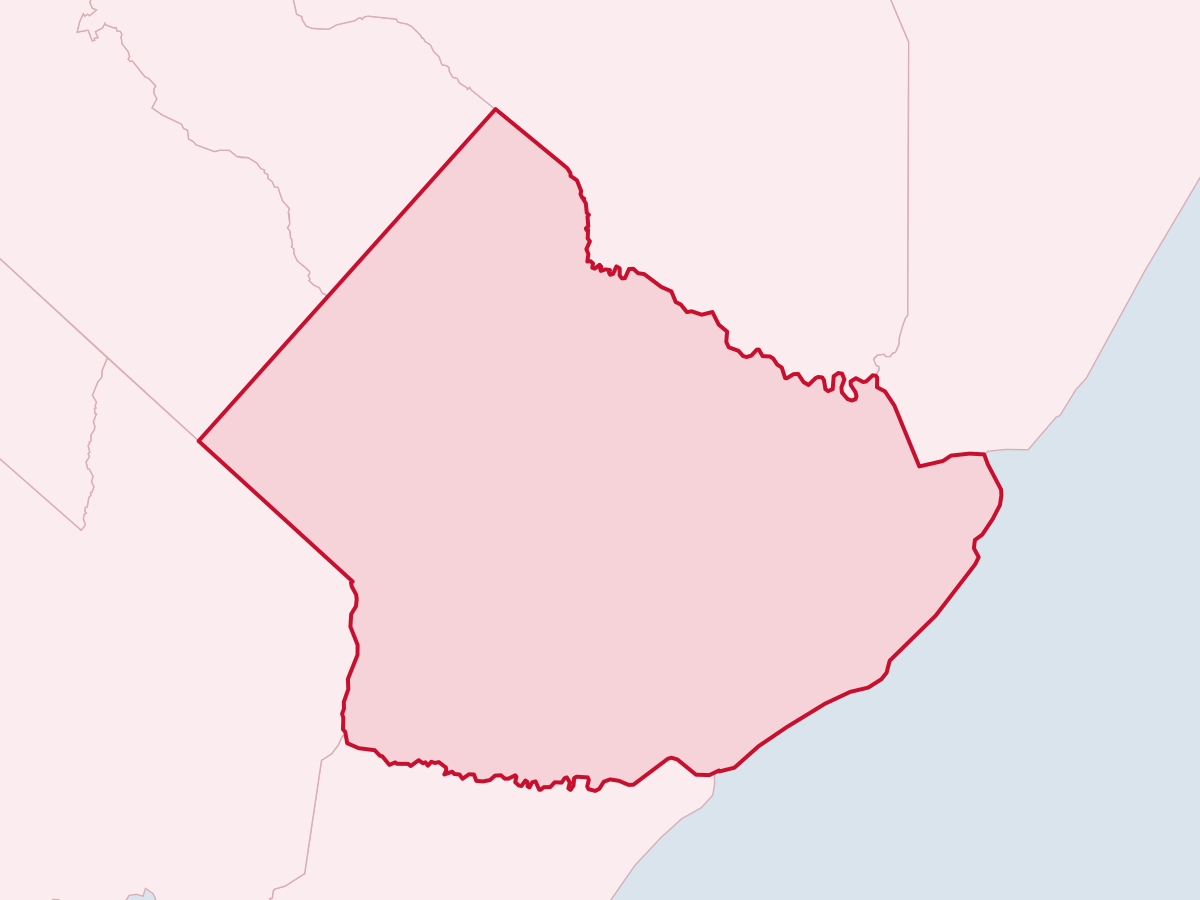
 Atlantic County
Local guide
Chimney Care in Atlantic County, NJ: What Homeowners Should Know
Atlantic County has two kinds of chimney country. On Absecon Island, wind, salt and storm tides are the main enemies of caps, crowns and flashing. On the mainland, in Galloway, Egg Harbor Township and Hammonton, many homes sit near Pinelands woods, so a sound cap with spark mesh matters as much as a clean flue.
From boardwalk boarding houses to mainland subdivisions
Atlantic City was built for visitors. Its first boardwalk went up in 1870 so hotel owners could keep sand out of their lobbies, and many small boarding houses along it later gave way to large hotels such as the Queen Anne style Marlborough House of 1902. Ventnor City, named in 1889 for an English seaside resort and incorporated in 1903, carries the boardwalk the length of its beachfront and has the John Stafford Historic District.
After the 1950s, as the resort declined, the county's growth moved to the mainland. Egg Harbor Township is now the most populous place in the county, and Galloway, home to Smithville, Pomona, Oceanville and Leeds Point, is the largest municipality in New Jersey by total area. Older houses survive too: Somers Mansion, built between 1720 and 1726, is the oldest home still standing in the county, and Absecon has National Register houses such as the Dr. Jonathan Pitney House.
Hammonton, often called the Blueberry Capital of the World, has a compact downtown along Bellevue Avenue, Central Avenue and Front Street, with the train station at its center, and the William L. Black House there joined the National Register in 1993. Egg Harbor Township was once far larger: since 1837, ten municipalities have split from it, including Atlantic City in 1854 and Absecon in 1872.
Living next to the Pine Barrens
The interior of Atlantic County is part of the Pine Barrens, and the county's own history notes that these woods are prone to forest fires. Galloway is one of the South Jersey towns inside the Pinelands National Reserve. For a house with a wood fireplace or stove near the trees, the chimney cap does more than keep rain out. A cap with intact mesh helps stop embers from leaving the flue, and it also keeps out the birds and squirrels that like to nest in wooded areas.
Burning only dry, seasoned wood keeps creosote down and reduces sparks. Clear leaves and pine needles from the roof near the chimney, and have the flue cleaned when deposits build up.
Nor'easters, record tides and winter wind
The county has a humid subtropical climate, but the weather still finds chimneys. In central Atlantic City, January averages about 33.9 degrees, while Mays Landing, the county seat, averages a January low near 24, cold enough to freeze water trapped in brick. February is usually the snowiest month on the island and the peak of nor'easter season, and winter cold snaps can push wind chills below zero. At Atlantic City's beach the hardiness zone is 8a, with an average yearly extreme low of about 11 degrees.
Storms leave the biggest marks. A December 1992 nor'easter set Atlantic City's highest tide on record, 9.0 feet, and Sandy brought gusts of 91 miles an hour to the city in 2012. Wind of that force can loosen caps, crack crowns and lift flashing, and wind-driven rain then soaks into mortar joints.
A yearly routine that fits the island and the mainland
The NFPA 211 standard asks for a yearly inspection of chimneys, fireplaces and vents, and an inspection after any event that may have caused damage. On Absecon Island, a major nor'easter qualifies.
- Island homes: look first at the cap, chase cover and flashing, since salt air speeds up rust
- Mainland homes near woods: confirm the spark mesh is whole and the flue is clean
- Every home: check the crown for cracks and the mortar joints for gaps
- After a big storm: have the chimney checked before the next fire
Historic homes and local rules
Atlantic City's National Register listings include the Absecon Lighthouse and the Northside Institutional Historic District, listed in 2021. If your home is a landmark or sits in a historic district, ask the local historic preservation body before changing visible chimney masonry. Otherwise, your town's building department can tell you what a repair or relining requires. Pro 1 Chimney is a family-owned company with its own licensed and insured crew.


