
Chimney Blog & Guides
236 plain guides from our crew to the questions homeowners search most, plus a local guide for every area we serve.
Chimney Sweeping
Chimney Sweeping Guides
 Are Duraflame and Other Fire Logs Safe for a Chimney?Manufactured fire logs are generally safe in a sound, working open fireplace when you follow the wrapper.Read the guide
 Can I Clean My Own Chimney?You can brush a simple, straight wood-burning flue yourself if you have rods and a brush sized to the liner, but cleaning is only half of a sweep.Read the guide
 Can You Burn Cardboard or Paper in a Fireplace?Plain newspaper, a few loosely twisted sheets under the kindling, is fine for starting a fire.Read the guide
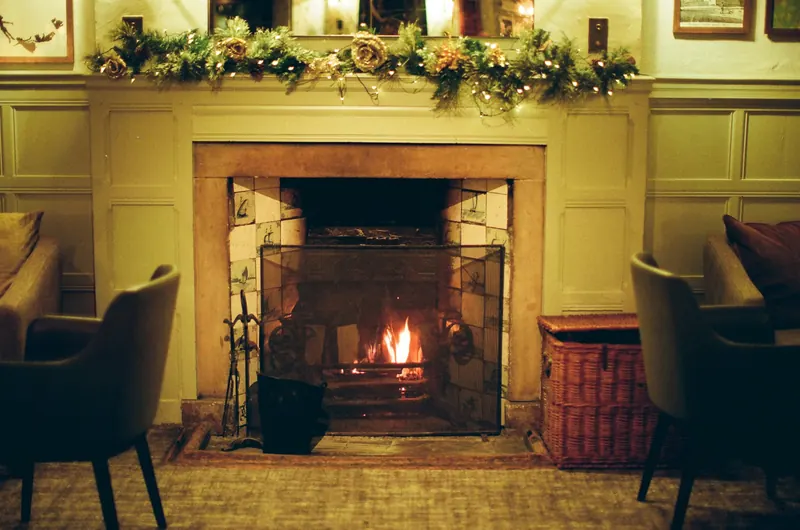 Can You Burn Driftwood in a Fireplace?Ocean driftwood should not go in a fireplace or wood stove.Read the guide
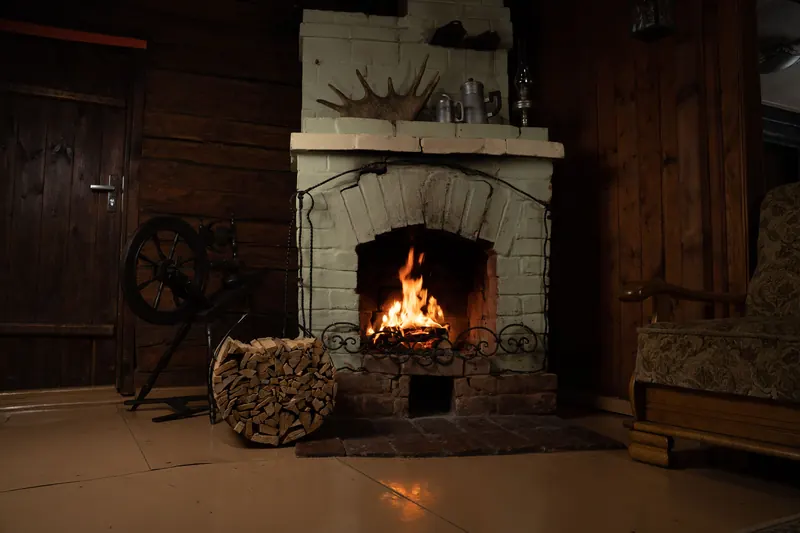 Can You Burn Pine in a Fireplace?Pine is fine to burn once it is properly dry.Read the guide
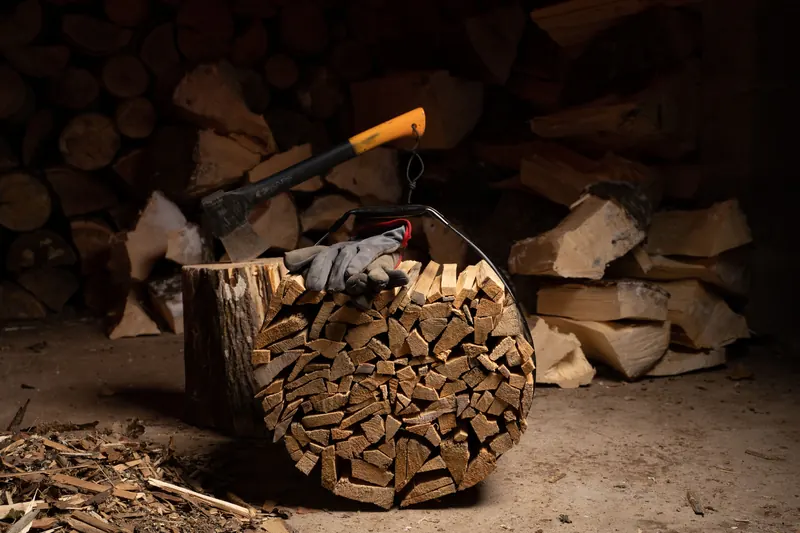 Can You Burn Treated Wood in a Fireplace?Treated lumber should stay out of a fireplace or wood stove.Read the guide
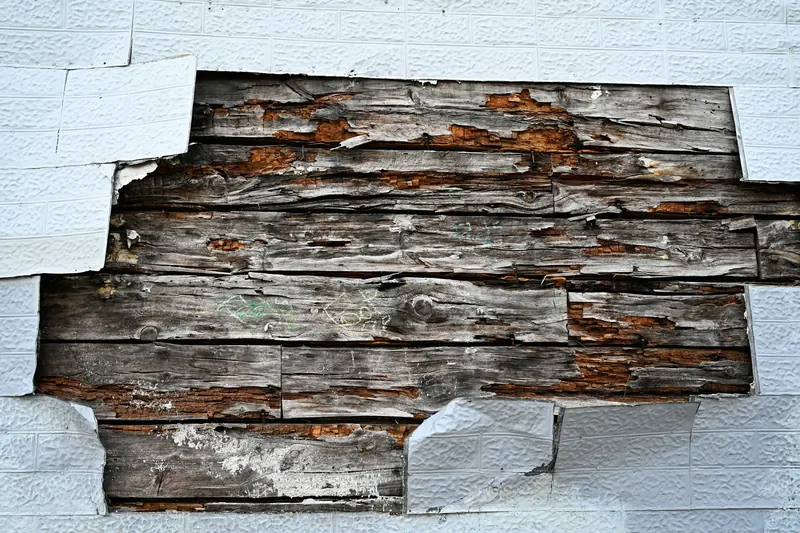 Can You Burn Wet Wood in a Fireplace?Wet wood will burn, but poorly, and the chimney pays for it.Read the guide
 Chimney Smells Like a Dead Animal: What to DoThat sweet, rotten smell usually means an animal died somewhere in the chimney: on the smoke shelf, on top of the damper or at the base of a boiler flue behind the cleanout.Read the guide
 Chimney Sweep Scams and How to Spot ThemMost chimney sweep scams run on the same script: a very low price for a cleaning, a frightening repair discovered mid-visit, and pressure to approve it on the spot.Read the guide
 Do Creosote Sweeping Logs Work?They do something, but less than the name suggests.Read the guide
 Do Potato Peels Clean a Chimney?Potato peels do not clean a chimney.Read the guide
 Does a Gas Fireplace Need a Chimney Sweep?A gas fireplace still needs a chimney sweep, though usually for an inspection more than a heavy cleaning.Read the guide
 Does a Gas Furnace Chimney Need Cleaning?Gas furnace and boiler chimneys need less brushing than oil or wood flues, yet they still need a yearly inspection and a cleaning whenever debris collects.Read the guide
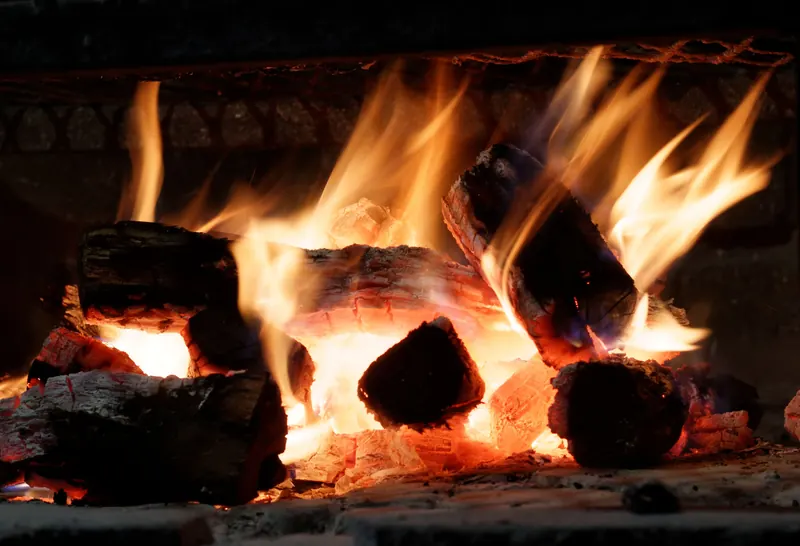 Face Cord vs Full Cord of FirewoodA full cord is a legal unit: 128 cubic feet of wood stacked tightly, such as a pile 4 feet high, 4 feet deep and 8 feet long.Read the guide
 How Much Does a Chimney Sweep Cost?Sweeping is priced by the job, not by a single rate.Read the guide
 How Often Should a Chimney Be Swept?Sweep the chimney whenever the yearly inspection finds soot or creosote building up, which is how NFPA 211 frames it.Read the guide
 How Often Should an Oil Boiler Chimney Be Cleaned?Plan on having an oil boiler or furnace chimney inspected every year and cleaned whenever soot and scale have built up, which with oil heat is often yearly.Read the guide
 How Often to Clean a Wood Stove ChimneyA wood stove that heats the house through the winter needs its chimney cleaned at least once a year, and often a second check midway through the season.Read the guide
 How to Dispose of Fireplace Ashes SafelyShovel fireplace ashes into a metal bucket with a tight metal lid, carry it outside right away, and set it on concrete or bare ground well away from the house, deck and woodpile.Read the guide
 How to Prepare for a Chimney Sweep VisitLet the fireplace or stove go cold for at least a full day, clear the hearth and a path from the door, and move rugs, screens and anything fragile out of the way.Read the guide
 How to Prevent Chimney FiresChimney fires are prevented by keeping creosote from building up and keeping the flue sound enough to contain heat.Read the guide
 How to Start a Fire in a FireplaceOpen the damper fully, warm the flue with a lit roll of newspaper held up toward it, then build the fire top-down: dry split logs on the grate, smaller pieces across them, kindling above that and paper or a natural fire starter on top.Read the guide
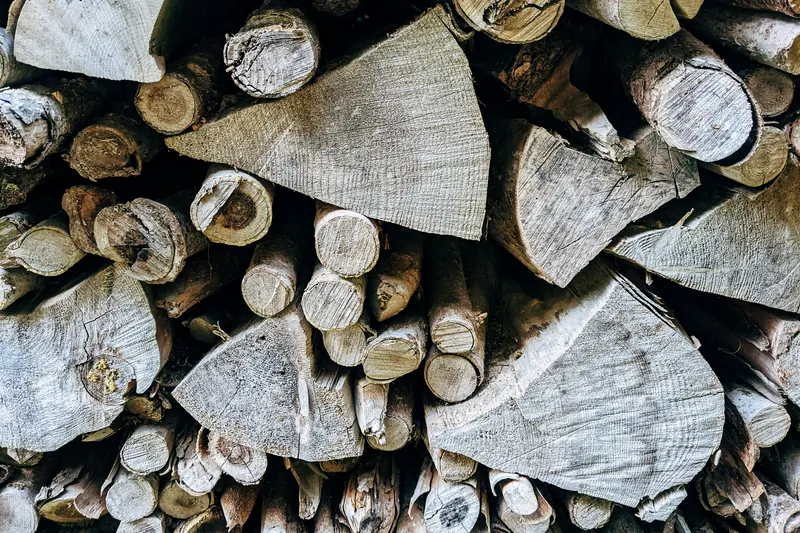 How to Tell If Firewood Is SeasonedSeasoned firewood feels lighter than it looks, has gray, cracked ends and loose bark, and gives a sharp clack when two pieces are knocked together.Read the guide
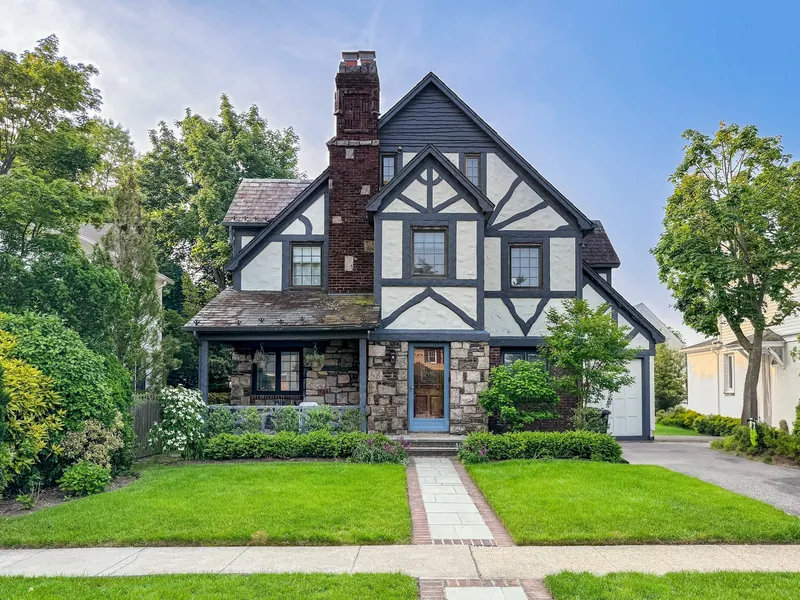 How to Tell If Your Chimney Needs CleaningBlack flakes falling into the firebox, a strong sour campfire smell, fires that start slowly or smoke into the room and dark staining above the opening are the usual signs.Read the guide
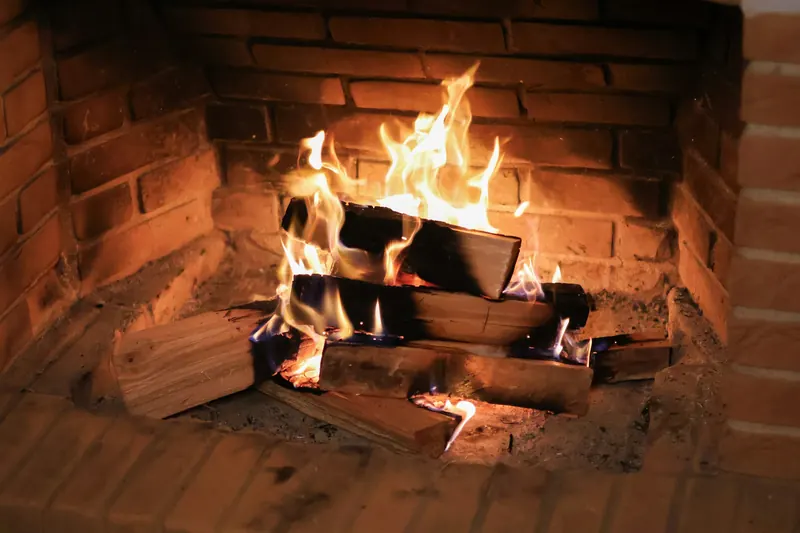 Kiln-Dried vs Seasoned Firewood: Which to BuyBoth can burn cleanly.Read the guide
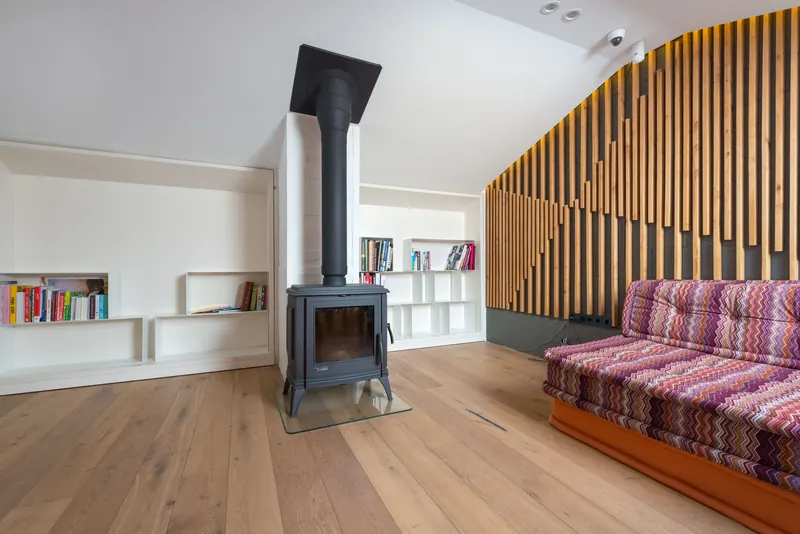 Pellet Stove Maintenance: What to Clean and How OftenA pellet stove needs light cleaning often and a full cleaning once a year.Read the guide
 Questions to Ask a Chimney Sweep Before You BookAsk who will actually do the work, what the visit includes, whether the price is written down before they start, how they protect the room, and what happens if they find a problem.Read the guide
 Storing Firewood Next to the House: Is It Safe?Keep the main woodpile away from the house, not stacked against the wall.Read the guide
 The 3 Stages of Creosote, Including Glazed CreosoteSweeps sort creosote into three stages by how it looks and how hard it is to remove.Read the guide
 The First Fire of the Season: What to Check FirstBefore the first fire of the season, open the damper, shine a light up the flue for nests or fallen tile, and test your smoke and CO alarms.Read the guide
 What Does a Chimney Sweep Do?A chimney sweep cleans soot, creosote and debris out of the flue, the smoke chamber, the damper and the firebox, then checks the chimney's condition and tells you what was found.Read the guide
 What Is a Chimney Cleanout Door For?The cleanout door is a small metal door near the bottom of a chimney, usually in the basement or outside at ground level.Read the guide
 What Is an Oil Burner Puff Back?A puff back is a small explosion inside an oil boiler or furnace.Read the guide
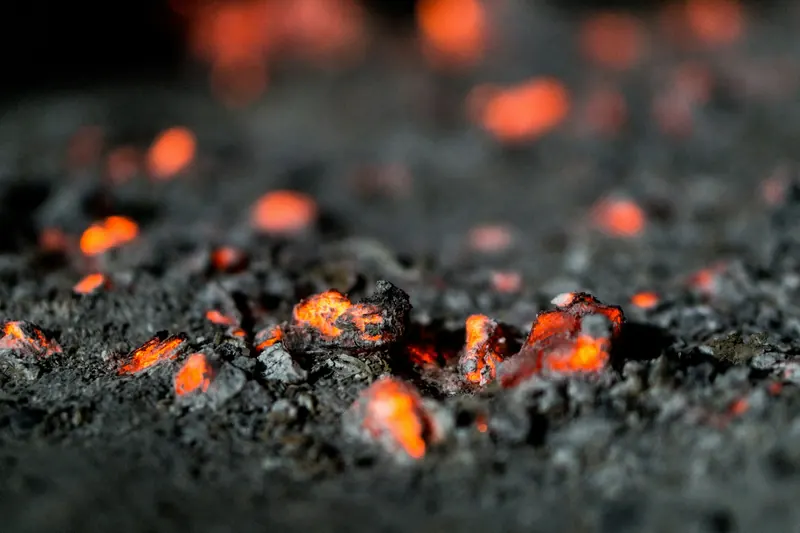 What Is Creosote Buildup in a Chimney?Creosote is the dark, tarry residue that forms when wood smoke cools on the inside of a chimney.Read the guide
 What Is the Difference Between Soot and Creosote?Soot is a fine, dry black powder: carbon left when any fuel burns incompletely.Read the guide
 What Time of Year Should You Have a Chimney Swept?Late spring through early fall is the easiest window for a fireplace sweep.Read the guide
 Which Firewood Burns Cleanest in a Fireplace?Dry wood matters more than the species.Read the guide
 Why Does My Chimney Smell When It Rains?Rain and humidity wake up the creosote and soot on the flue walls.Read the guide
 Why Does My Fireplace Smell Like Smoke When Not in Use?When the fireplace sits cold, the house can pull air down the chimney instead of up.Read the guide
 Why Does Wood Stove Glass Turn Black?Wood stove glass turns black when smoke cools against it before it can burn off.Read the guide
 Why Is My Chimney Smoking So Much?Heavy smoke from a chimney usually means the fire is not burning completely.Read the guide
 Why Is My Oil Burner Sooting Up?An oil burner soots up when it does not burn the oil completely, and that comes down to air, fuel or draft.Read the guide
Chimney Inspection
Chimney Inspection Guides
 Black Stains on a Brick Chimney: What They MeanBlack stains on chimney brick come from one of three places: soot carried out of the flue and washed down the face, mildew or algae growing on brick that stays damp, or creosote and flue moisture seeping out through the masonry.Read the guide
 Can a Chimney Cause Carbon Monoxide in the House?A chimney lets carbon monoxide into a house when it stops carrying exhaust out the top.Read the guide
 Can You Have a Wood-Burning Fireplace in NYC?New York City allows solid fuel fireplaces within limits.Read the guide
 Can You Leave a Fireplace Burning Overnight?An open wood fire should not be left burning while everyone sleeps.Read the guide
 Carbon Monoxide Detector Going Off: What to DoTreat a sounding carbon monoxide alarm as real: get everyone out, pets included, and call 911 from outside, or the gas utility if the home burns gas.Read the guide
 Chimney Fire: What to Do Right NowLeave the house first, then call 911 from outside and say you think the chimney is on fire.Read the guide
 Chimney Inspections Requested by an InsurerInsurers sometimes ask for a chimney inspection when you buy a house with a fireplace, add a wood stove or insert, renew a policy or file a claim.Read the guide
 Chimney Smoke Test: What It Shows and When You Need OneA chimney smoke test fills a flue with dense, harmless test smoke while the top is sealed, then watches where the smoke escapes: through cracks into rooms, the attic, behind walls or into a neighboring flue.Read the guide
 Do You Need a Chimney Inspection When Buying a House?Buying a house with a chimney is a strong reason to book a chimney inspection of its own.Read the guide
 Does Homeowners Insurance Cover a Chimney Fire?A chimney fire is a sudden event, and many homeowners policies include fire coverage, but whether yours pays for chimney fire damage depends on its wording and on the insurer's review.Read the guide
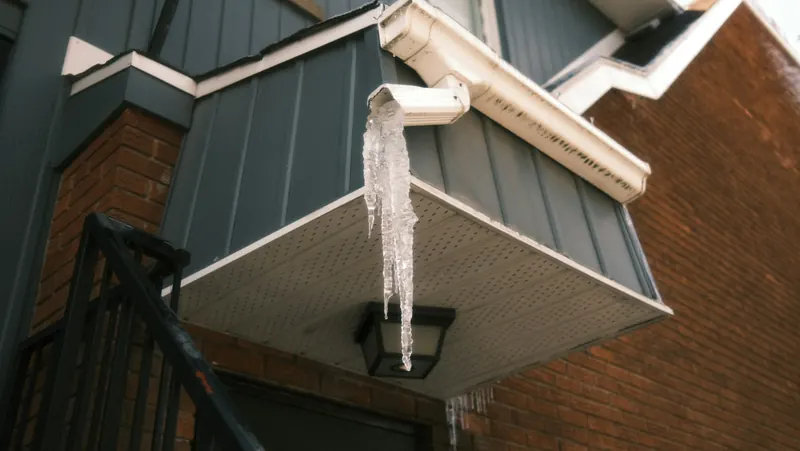 Furnace Exhaust Pipe Frozen or Blocked by Snow: What to DoHigh-efficiency furnaces and boilers vent through plastic exhaust and intake pipes, usually out a side wall.Read the guide
 How Do You Know If Your Chimney Is on Fire?A loud roar like a freight train or low-flying plane, sharp popping and cracking, thick dark smoke, and sparks or flames shooting from the top are the classic signs of a chimney fire.Read the guide
 How Does a Chimney Work?Hot exhaust is lighter than outdoor air, so it rises through the flue, a sealed passage that carries it above the roof.Read the guide
 How Hot Does a Chimney Get?Chimney temperatures run hottest at the bottom and fall toward the outlet.Read the guide
 How Long Do Carbon Monoxide Detectors Last?A carbon monoxide detector lasts as long as its manufacturer rates it for, and that limit is printed on the unit or in its manual, often as a manufacture date or a replace-by date on the back.Read the guide
 How Much Does a Chimney Inspection Cost?What a chimney inspection costs comes down to how much chimney there is to examine and how awkward it is to get to.Read the guide
 How Often Should a Chimney Be Inspected?Every year.Read the guide
 How to Get Your Fireplace Ready for WinterStart with the yearly chimney inspection, booked in late summer or early fall so there is time to fix whatever it finds.Read the guide
 How to Tell If Your Chimney Is Safe to UseYou can rule out the obvious problems yourself: a damper that opens fully, firebrick without wide cracks, no tile chips or nest debris on the hearth, and a cap visible on each flue from the yard.Read the guide
 NJ Carbon Monoxide Detector Rules: A Plain GuideIn New Jersey, a one- or two-family home needs carbon monoxide alarms near the bedrooms if it has a fuel-burning appliance, such as a gas or oil boiler, furnace, water heater, range, fireplace or stove, or an attached garage.Read the guide
 NJ Chimney Certification and Verification Forms, ExplainedWhat people call the NJ chimney certification is the state's Chimney Verification for Replacement of Fuel-Fired Equipment, form F370.Read the guide
 NYC Carbon Monoxide Detector Rules: A Plain GuideBuilding owners in New York City must install at least one approved carbon monoxide detector in each apartment, within 15 feet of the main entrance to each bedroom, and tenants keep it maintained.Read the guide
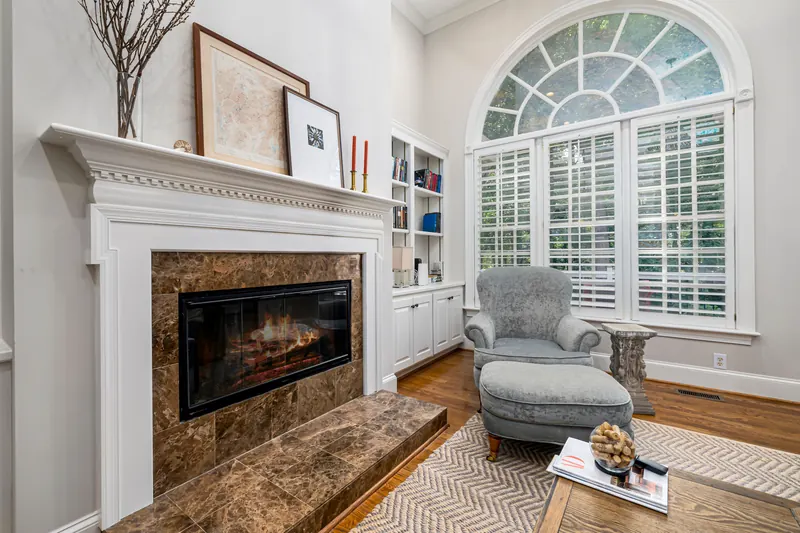 Using the Fireplace in Your Apartment: What to CheckAsk your landlord, board or managing agent before the first fire whether the fireplace is meant to be used.Read the guide
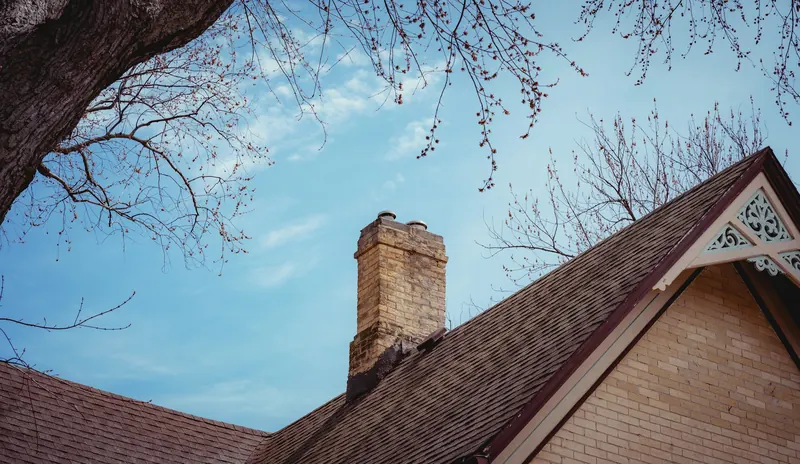 What Causes a Chimney Downdraft?Downdraft is air flowing down the chimney instead of up.Read the guide
 What Happens During a Chimney Inspection?An inspector starts at the fireplace, checking the firebox, damper and smoke chamber and looking up the flue with a strong light and a mirror.Read the guide
 Where to Put Carbon Monoxide Detectors at HomePut a carbon monoxide alarm outside each sleeping area and on each floor of the house, basement included, where the boiler or furnace usually sits.Read the guide
 Why Does My Neighbor's Chimney Smoke Get Into My House?Smoke from next door usually enters through your own chimney.Read the guide
 Why Is My Chimney Not Drawing Smoke Up?A chimney draws because hot smoke weighs less than the cold air outside, so it rises and pulls room air in behind it.Read the guide
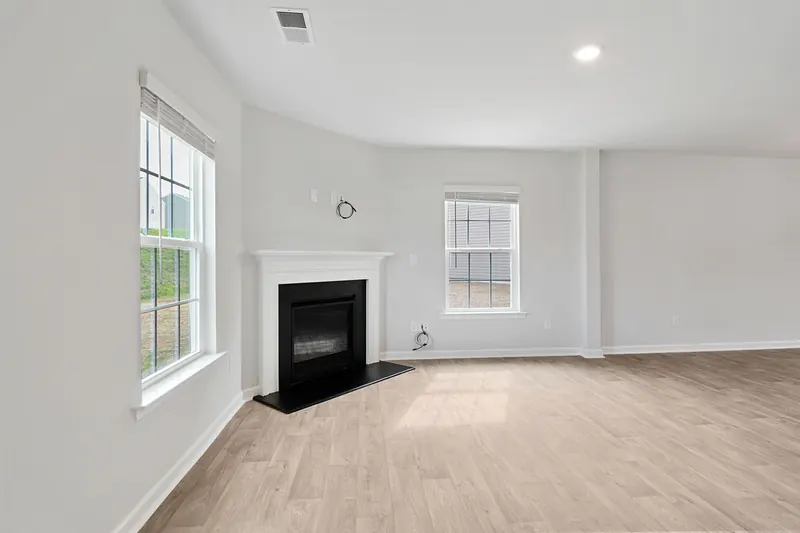 Why Is There Soot on the Walls Near My Fireplace?Soot on the walls near a fireplace means smoke is coming into the room instead of going up the chimney.Read the guide
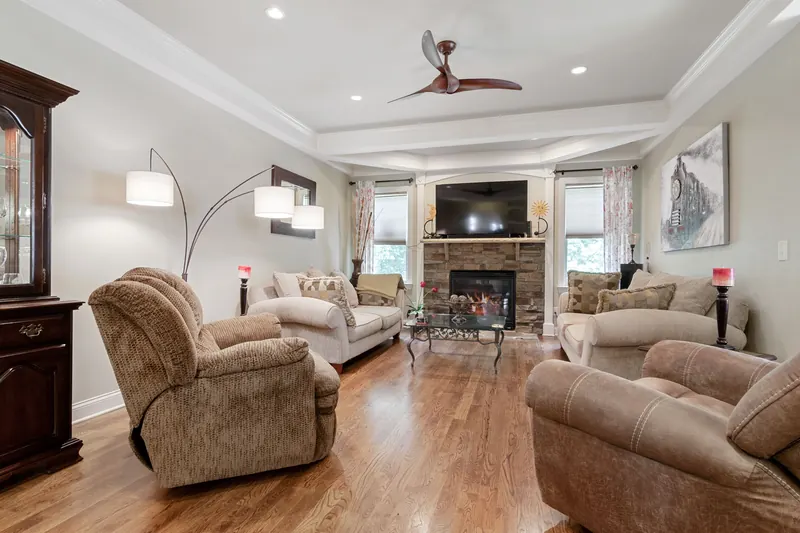 Why the Basement Smells Like the FireplaceA fireplace smell in the basement means smoke or flue air is travelling down instead of up.Read the guide
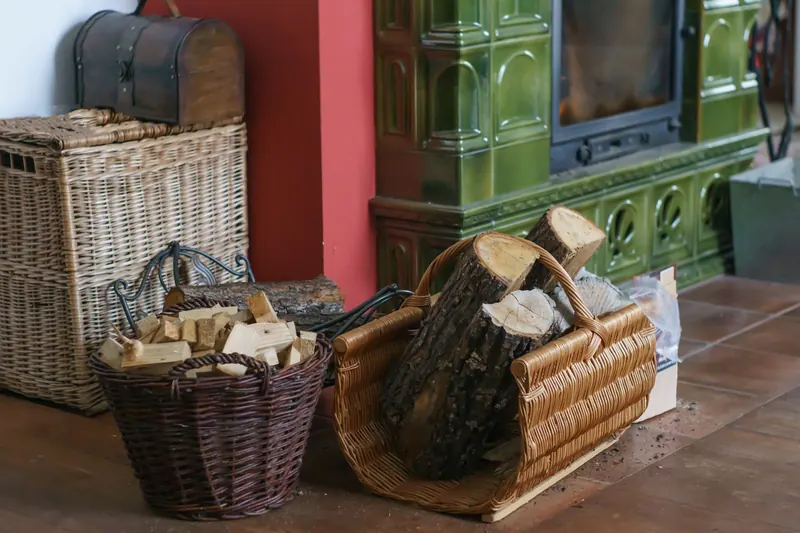 Why the Smoke Alarm Goes Off When the Fireplace Is OnA smoke alarm that sounds when the fireplace runs is usually picking up real smoke or fumes.Read the guide
 Why Won't My Fire Stay Lit in the Fireplace?A fire that keeps dying is usually missing one of three things: dry fuel, air or draft.Read the guide
Chimney Repair
Chimney Repair Guides
 Chimney Fans for Fireplaces: When They HelpA chimney fan earns its place when a fireplace smokes because the chimney cannot make enough draft by itself: a short chimney, a taller building next door, or an opening too big for its flue.Read the guide
 Do You Need a Permit for Chimney Work in NYC?It depends on the job.Read the guide
 Does Homeowners Insurance Cover Chimney Repair?That depends on what caused the damage and on the wording of your own policy.Read the guide
 How Does Repair Work on a Shared Chimney?Repairing a shared chimney means working on one stack that serves two or more homes, so the owners need to agree on the scope, the roof access and how the cost is divided before work starts.Read the guide
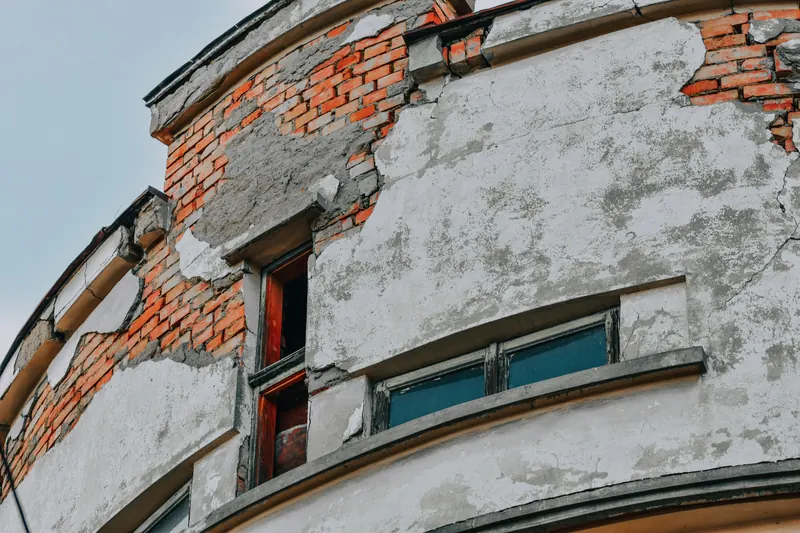 How Much Does Chimney Repair Cost?Chimney repair cost comes down to what is broken and how hard it is to reach.Read the guide
 Philadelphia Chimney Permits: What Homeowners AskIn Philadelphia, the Department of Licenses and Inspections requires a building permit for work that changes a structure's exterior or goes beyond routine maintenance.Read the guide
 Philadelphia Row House Chimneys: Common ProblemsPhiladelphia row house chimneys tend to fail in the same few ways: worn mortar on short stacks above flat roofs, leaks where the roof coating meets the brick, unlined flues serving a boiler or water heater, and stacks left too short when the house next door adds a floor.Read the guide
 What Do Cracks in a Chimney Mean?Chimney cracks mean different things depending on where they are, which way they run and whether they are growing.Read the guide
 What Is a Chimney Thimble?A chimney thimble is the sleeve built into the chimney wall where a stovepipe or boiler vent pipe enters the flue.Read the guide
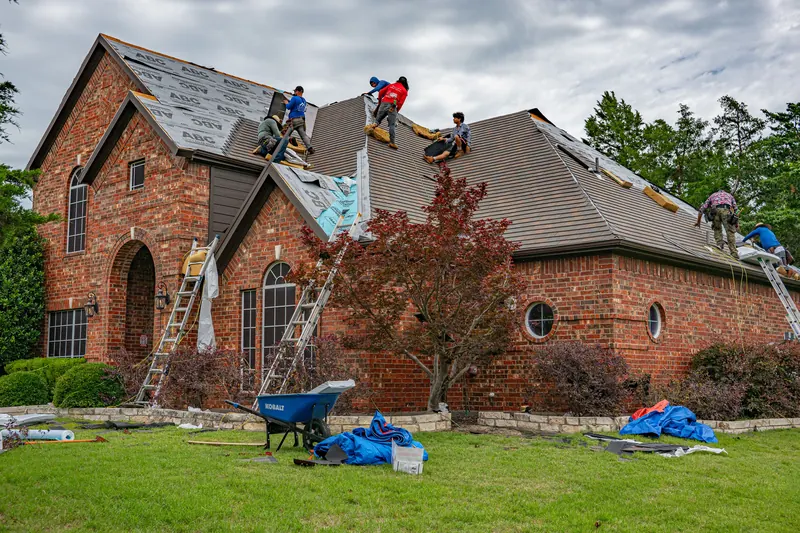 Who Is Responsible for Chimney Repair?The owner of the building is usually responsible for the chimney itself, since it is part of the structure.Read the guide
Chimney Rebuild
Chimney Rebuild Guides
 Can a Chimney Be Removed From a House?Most chimneys can be removed, either just the part above the roof or the whole stack down to the basement.Read the guide
 How Much Does Chimney Removal Cost?Chimney removal is priced by scope.Read the guide
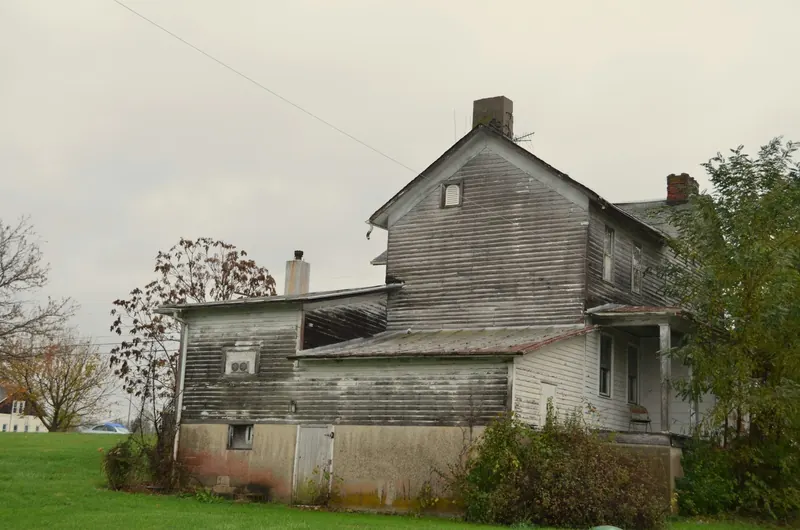 How Much Does It Cost to Rebuild a Chimney?There is no standard price for a chimney rebuild, because the cost is set by how much of the chimney comes down, how tall it is, how hard it is to reach and what turns up once the old brick is opened.Read the guide
 How Tall Should a Chimney Be Above the Roof?A masonry chimney generally has to rise well clear of the roof and of anything nearby.Read the guide
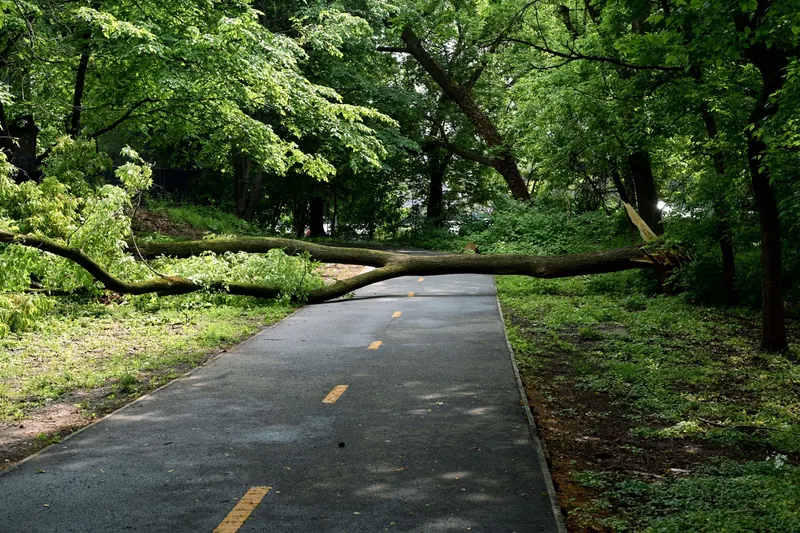 Lightning or a Storm Hit the Chimney: What to CheckAfter lightning hits a chimney, check first for fire: smoke, a burning smell, scorch marks or a wall warm to the touch mean leave and call 911.Read the guide
 Why Do Old Brick Chimneys Collapse?Brick chimneys come down when the mortar holding them together wears away.Read the guide
 Why Is My Chimney Leaning Away From the House?A chimney pulls away from the house when its base sinks or its masonry gives out.Read the guide
Caps & Crowns
Caps & Crowns Guides
 Bats in the Chimney: What to Do and WhenLeave bats in the chimney alone for now: keep the damper and fireplace doors shut, and do not touch a bat with bare hands.Read the guide
 Bees in the Chimney: What to DoHold off on any fire, because heat melts the comb, honey and wax soak into the masonry, and angry bees head into the house.Read the guide
 Can a Chimney Cap Cause a Downdraft?A cap can cause downdraft, but only in specific cases: mesh clogged with soot or leaves, a hood set too low over the flue, or a cap too small for the opening.Read the guide
 Chimney Chase Covers: Rust, Leaks and ReplacementA chase cover, also called a chase pan or chase top, is the metal sheet that closes the top of a framed chimney chase around a factory-built fireplace flue.Read the guide
 Chimney Crown vs Cap: What Is the Difference?The crown is the concrete or mortar slab covering the top of the chimney around the flue tiles.Read the guide
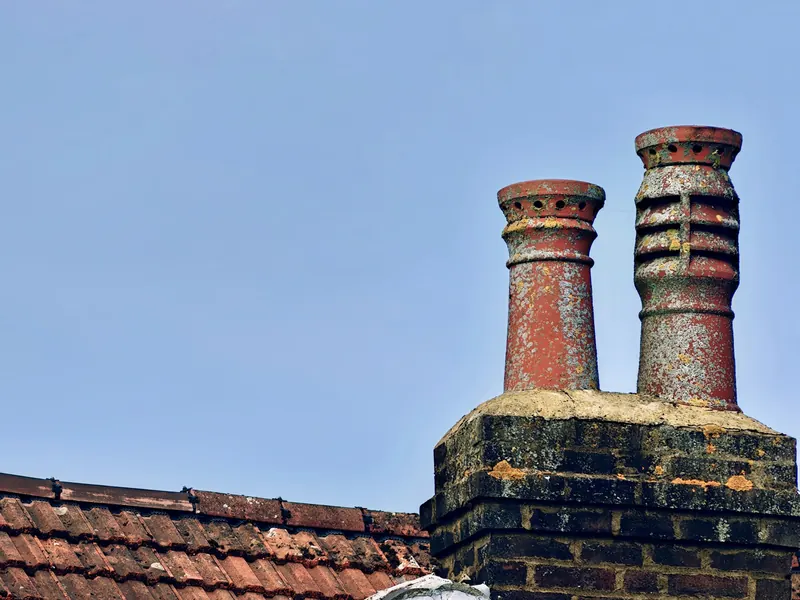 Chimney Pots: What They Do and When to Replace OneA chimney pot is a clay, terra cotta or metal extension set on top of a chimney over a single flue.Read the guide
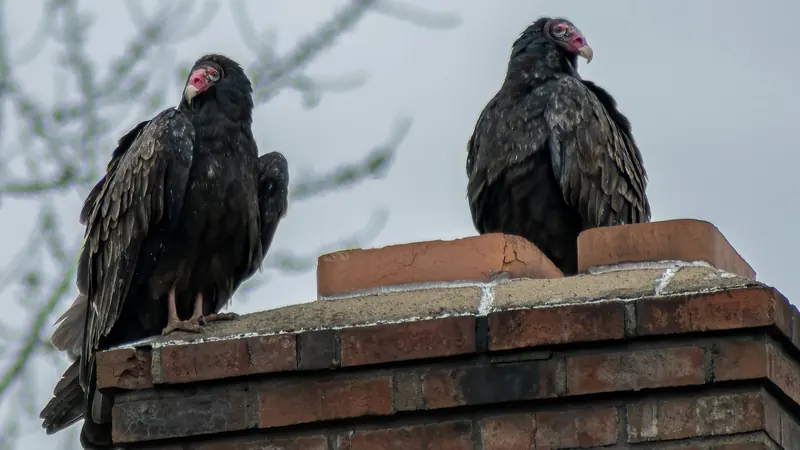 Chimney Swifts in Your Chimney: What to KnowChimney swifts stay for one nesting season, roughly late spring to late summer.Read the guide
 Copper vs Stainless Steel Chimney CapsBoth metals make a long-lasting chimney cap, so the choice usually comes down to looks, the fuel in the flue and what sits below the chimney.Read the guide
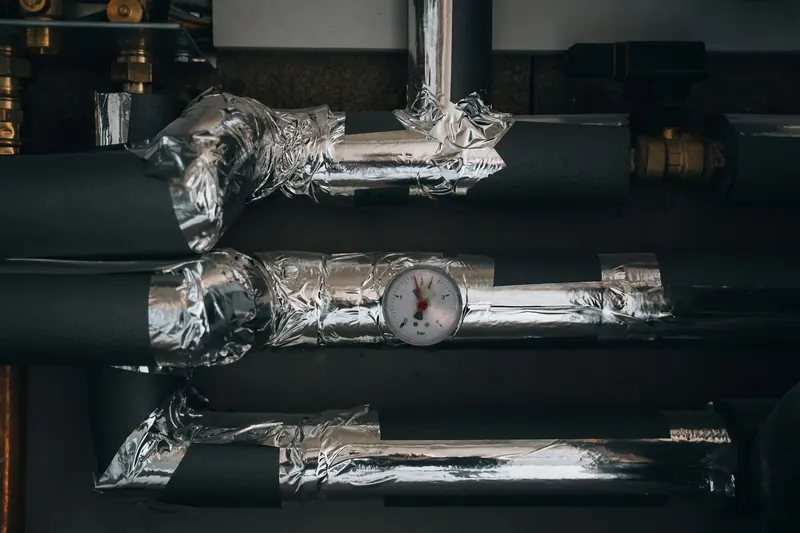 Does a Furnace or Boiler Chimney Need a Cap?A boiler or furnace flue needs a cap at least as much as a fireplace flue, because it vents daily through the heating season and often year round with a water heater.Read the guide
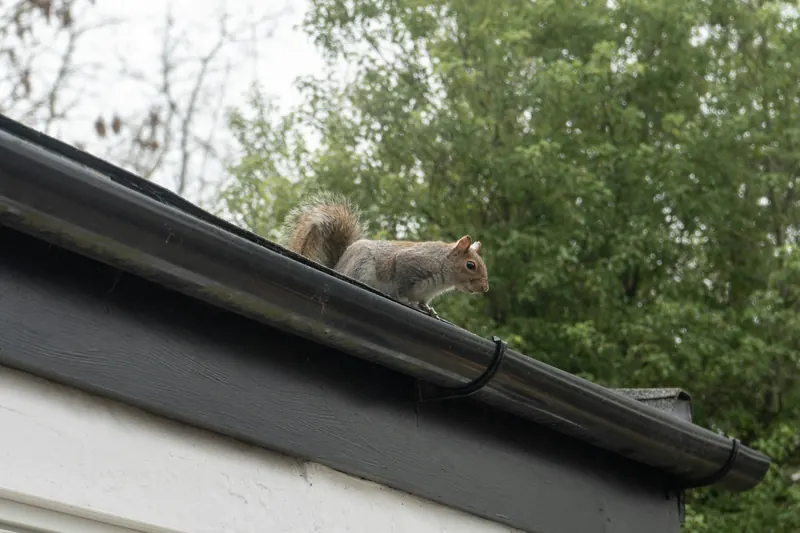 Does My Chimney Need a Cap?Almost every working flue benefits from a cap.Read the guide
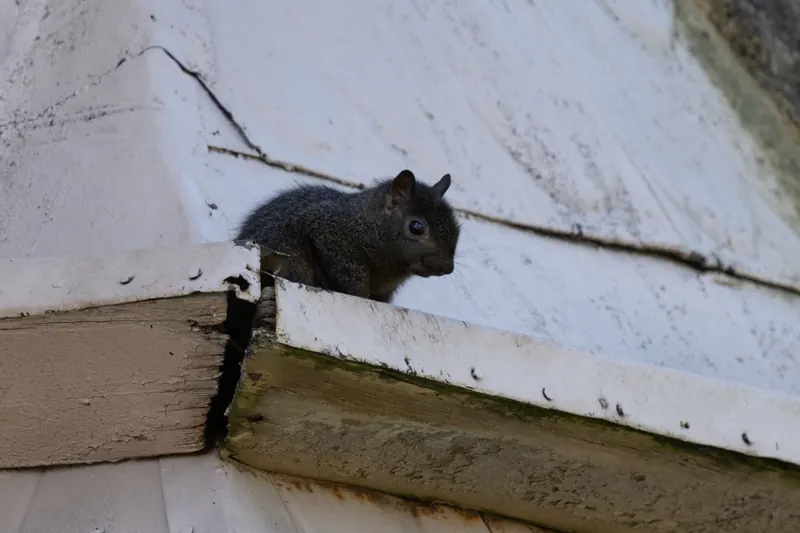 How Much Does Chimney Cap Replacement Cost?Four things set the price of a new chimney cap: the size and shape of the flue, how many flues need covering, the metal, and how hard the chimney is to reach.Read the guide
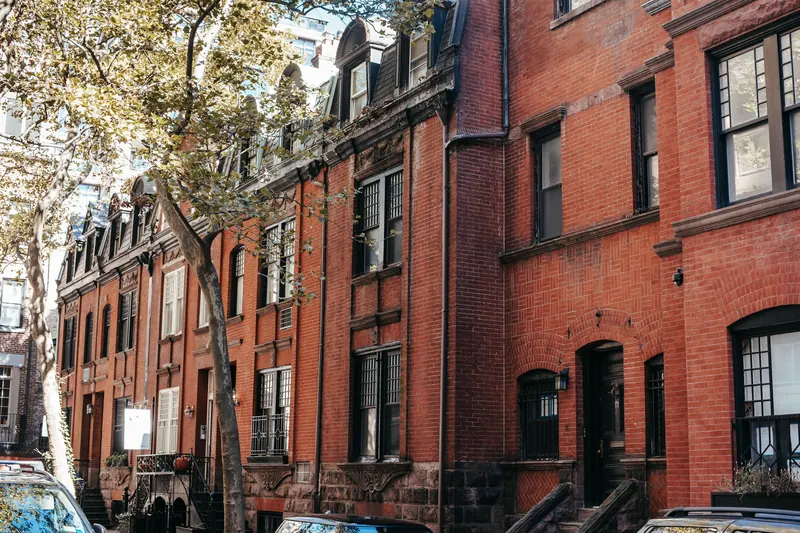 How Much Does Chimney Crown Repair Cost?Crown repair cost turns mostly on one question: can the crown be sealed, or does it have to be replaced? Sealing fine cracks on a sound crown is a short job.Read the guide
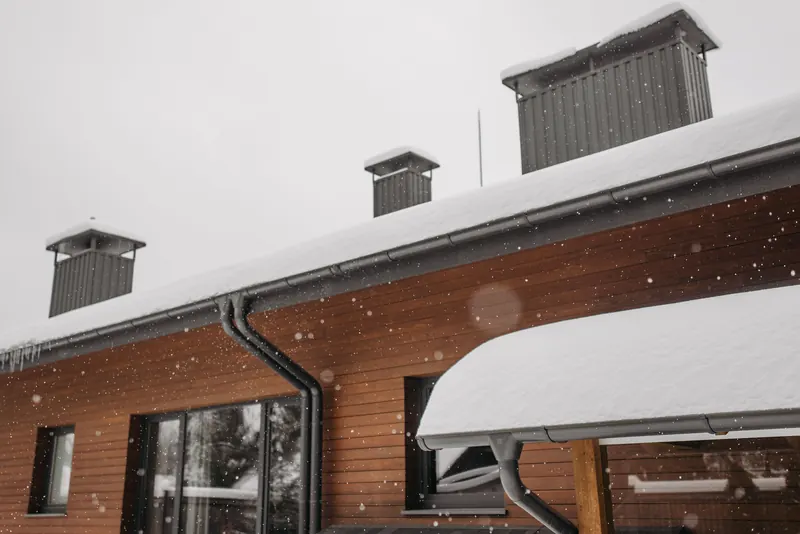 How to Keep Birds Out of a ChimneyA fastened stainless steel cap with mesh on every side, over every flue, is what keeps birds out.Read the guide
 Is It Normal for Sparks to Come Out of a Chimney?A few small sparks when you light paper, cardboard or dry kindling can happen, and they usually burn out within a second or two.Read the guide
 Multi-Flue Chimney Caps: When One Cap Covers AllA multi-flue chimney cap is a single wide cover over the whole top of a chimney with two or more flues.Read the guide
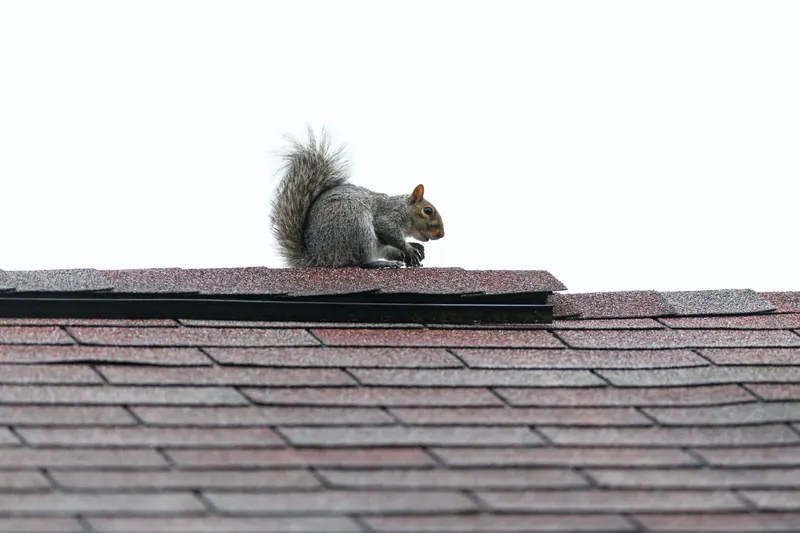
 Squirrel in the Chimney: What to DoA squirrel in the chimney has usually either fallen in and cannot climb the smooth flue, or it is a mother nesting on the smoke shelf.Read the guide
 Switched to a Heat Pump? What to Do With the ChimneyA heat pump burns no fuel, so it needs no chimney or flue.Read the guide
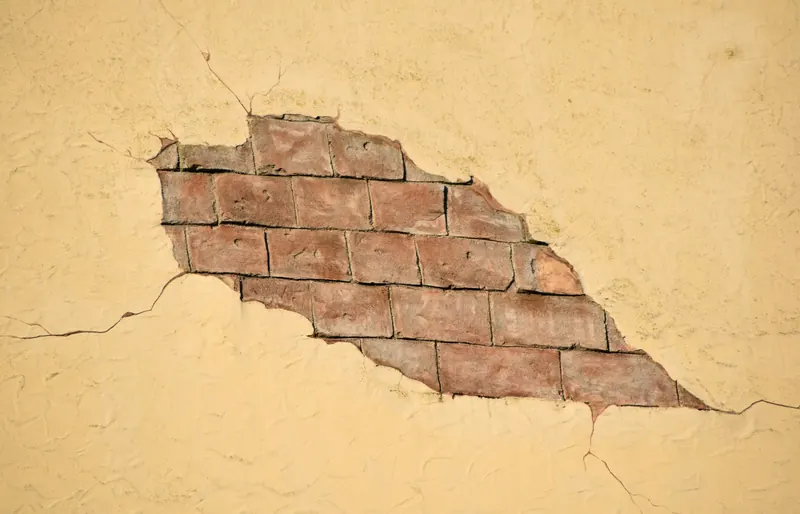 What Should You Do About a Cracked Chimney Crown?Deal with a cracked crown before the next winter.Read the guide
 What Should You Do If an Animal Is in Your Chimney?Shut the damper and the fireplace doors first, so whatever is in the flue stays there and not in your living room.Read the guide
 What to Do About a Raccoon in Your ChimneyDo not smoke it out, light a fire or open the damper to look.Read the guide
 What to Do If Your Chimney Cap Blew OffStay off the roof, and pick up the cap only if it landed somewhere safe to reach.Read the guide
 What to Do With a Chimney You No Longer UseAn unused chimney still takes the weather, so it needs a plan.Read the guide
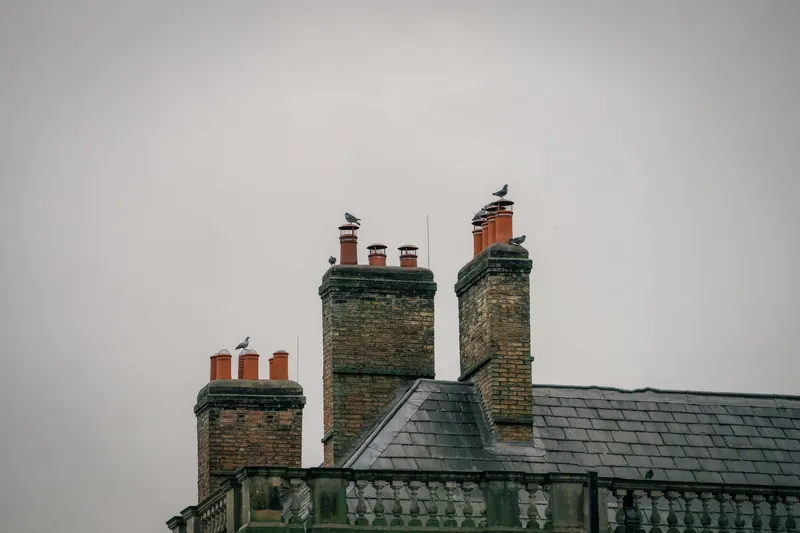 Why Is My Chimney Making Noise When It Is Windy?Wind noise in a chimney usually starts at the top.Read the guide
Chimney Liners
Chimney Liners Guides
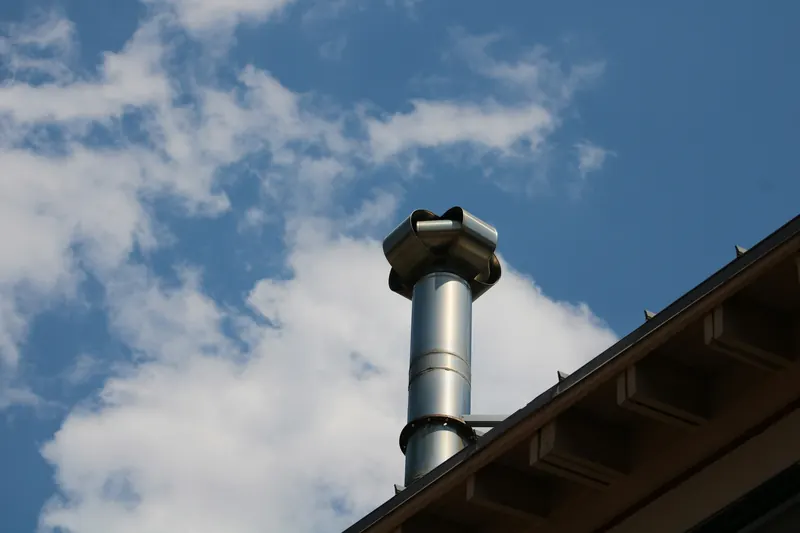 Can a Chimney Liner Be Repaired?Repair works when the damage is limited and the rest of the flue is sound and correctly sized.Read the guide
 Can a High-Efficiency Furnace Vent Into a Chimney?Condensing high-efficiency furnaces and boilers cannot use a masonry chimney flue as their vent.Read the guide
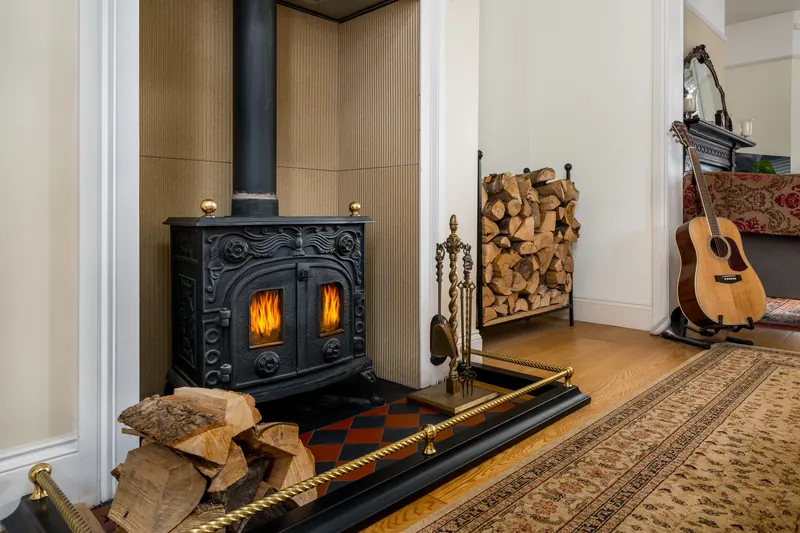 Cast-in-Place Chimney Liners: Pros and ConsA cast-in-place liner is a cement-based lining poured around a form inside the existing flue.Read the guide
 Chimney Condensation: Why the Flue Gets WetChimney condensation is water that forms when warm, moist exhaust from a boiler, furnace or water heater cools inside a cold flue and its vapor turns to liquid.Read the guide
 Chimney Flue Size: How Big Should a Flue Be?The right flue size comes from whatever the flue serves.Read the guide
 Chimney Liner for a Wood Stove InsertEvery wood stove insert needs a stainless steel liner connected directly to its flue collar and run the full height of the chimney, sized to the insert's outlet.Read the guide
 Chimney Liner for an Open Wood Fireplace: What WorksAn open wood-burning fireplace can be relined, but it needs a much larger liner than a stove or insert, because the flue has to carry all the air and smoke drawn through a wide opening.Read the guide
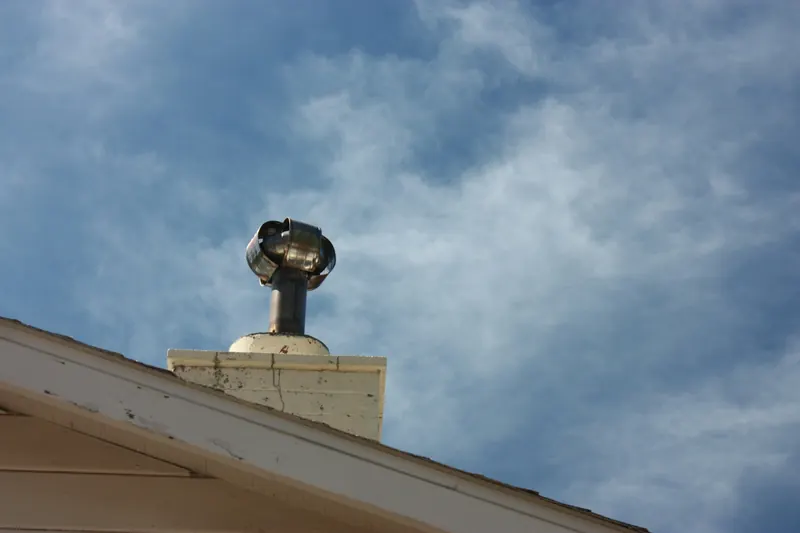 Chimney Liner Insulation: Is It Needed?Insulation around a chimney liner is required whenever the liner's listing and the manufacturer's instructions call for it, which is common with wood stoves and inserts and where brick sits tight against wood framing.Read the guide
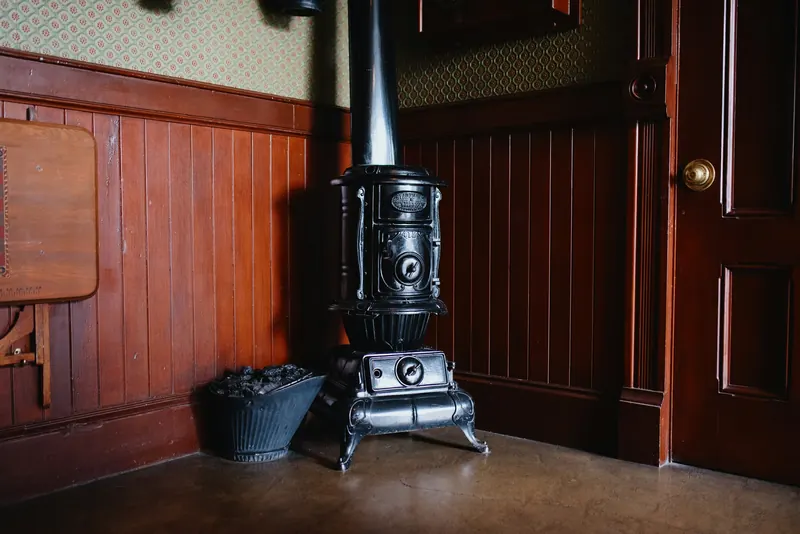 Coal Stove Chimney Requirements: Liners, Draft and CareA coal stove needs a sound, properly sized flue that is lined for coal: a clay tile liner in good condition or a stainless steel liner whose listing includes coal.Read the guide
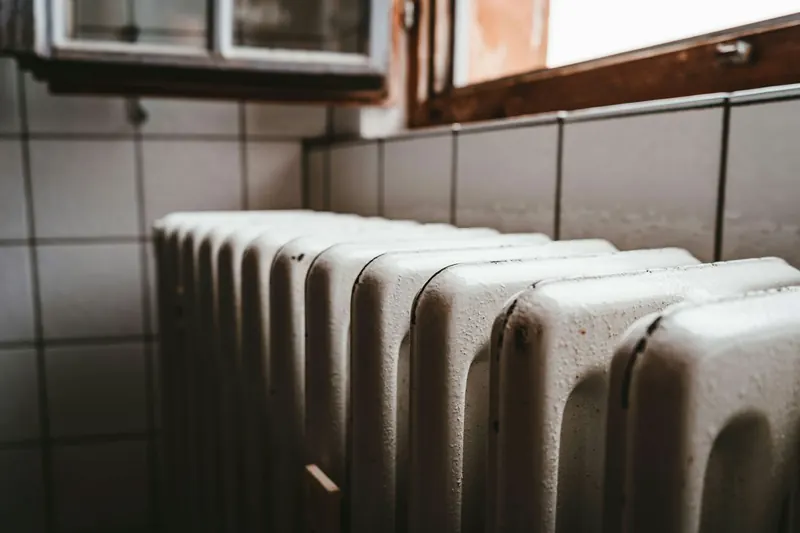 Direct Vent Gas Fireplace in an Existing ChimneyA direct vent gas insert can usually be vented up an existing masonry chimney using two sealed paths: one liner that brings outside air down to the burner and one that carries exhaust up.Read the guide
 Do I Need a Chimney Liner?Any chimney that vents a fireplace, wood stove, boiler, furnace or water heater needs a liner in good condition and sized for what it serves.Read the guide
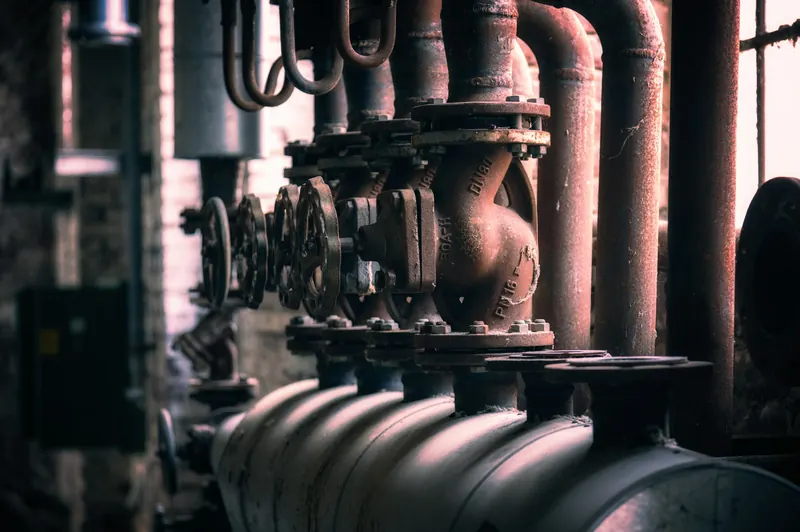 Do You Need a Chimney Liner for an Oil Furnace?An oil furnace or boiler venting into a masonry chimney needs a sound liner sized for the burner.Read the guide
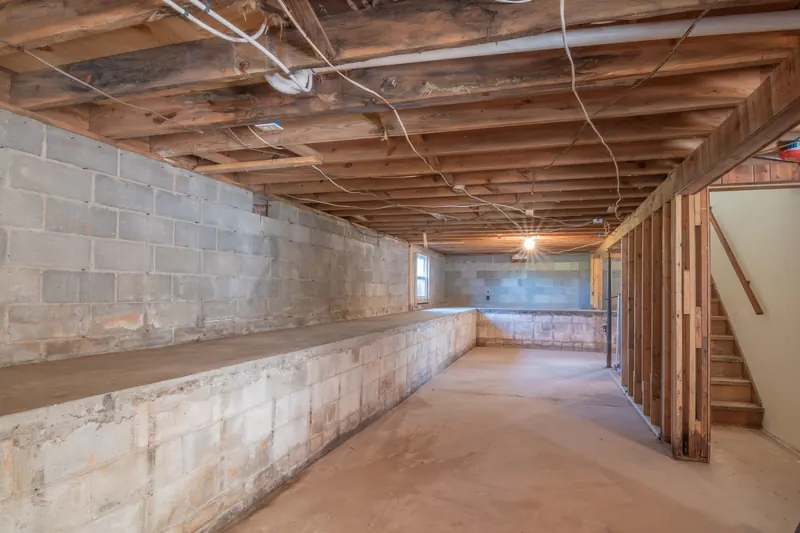 Do You Need a New Liner After an Oil to Gas Conversion?Often you do.Read the guide
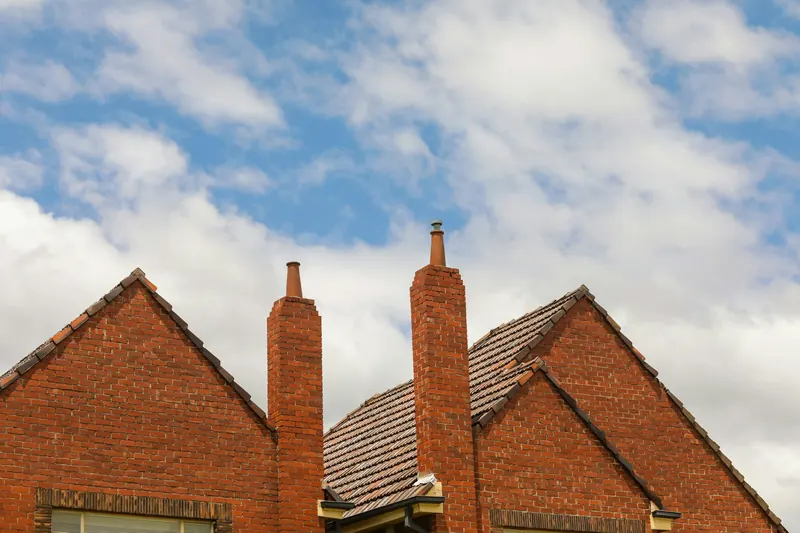 Do You Need a Permit for a Chimney Liner?Often, yes, but it depends on where you live and why the liner is going in.Read the guide
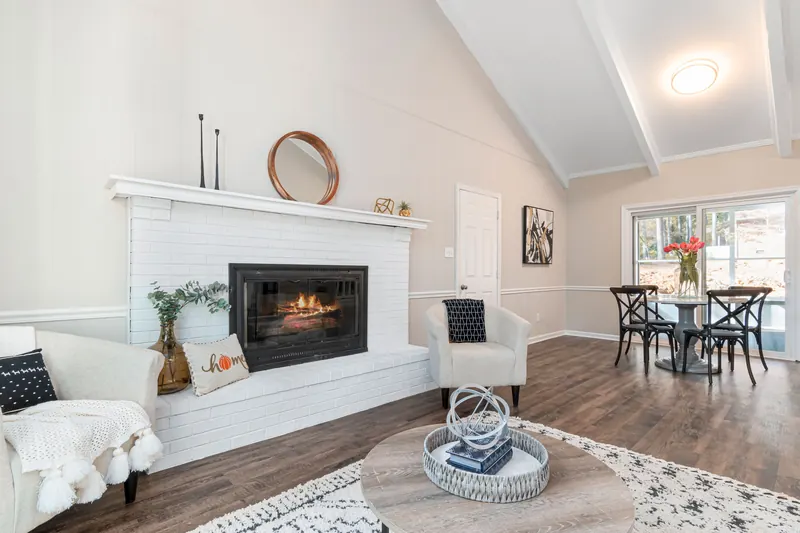 Does a Gas Water Heater Need a Chimney Liner?A gas water heater that vents into a masonry chimney needs a flue in good condition and sized for it, and in many older houses that means a liner.Read the guide
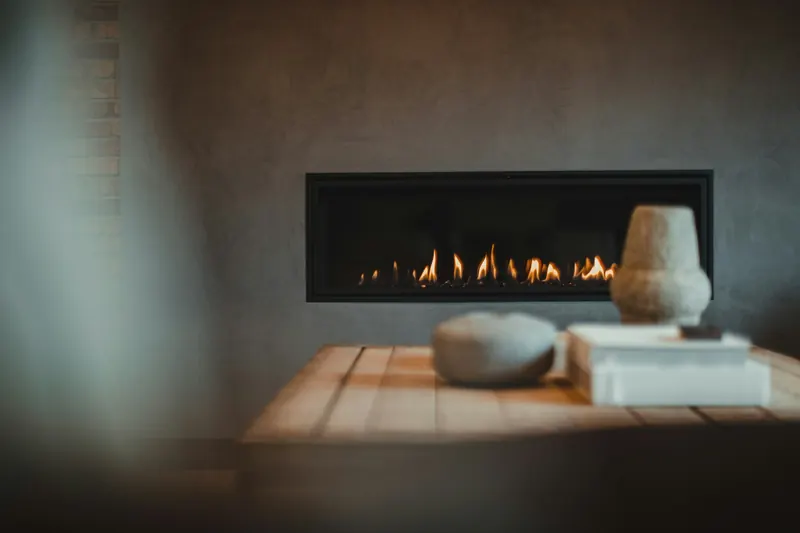 Flexible vs Rigid Chimney Liner: Which One Fits Your Flue?Choose by the path of the flue first and the appliance second.Read the guide
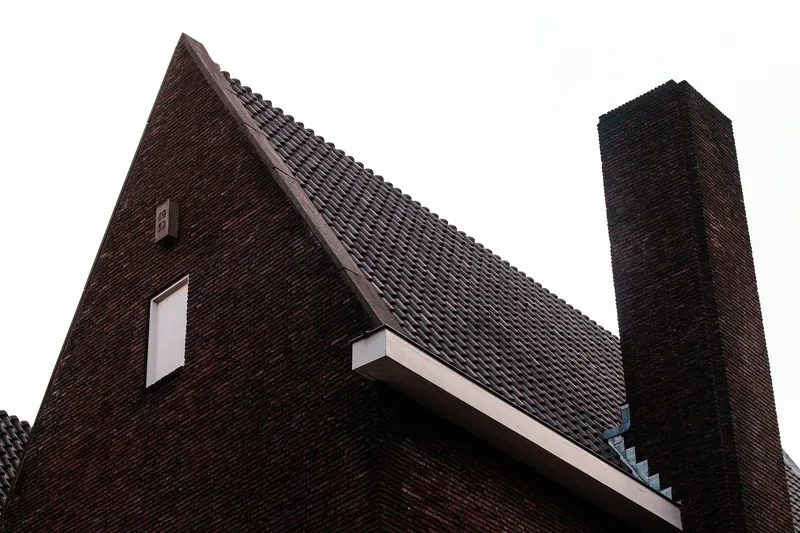 How Is a Chimney Liner Installed?A chimney liner is installed by first inspecting and sizing the flue for the appliance, sweeping it, and clearing anything in the way.Read the guide
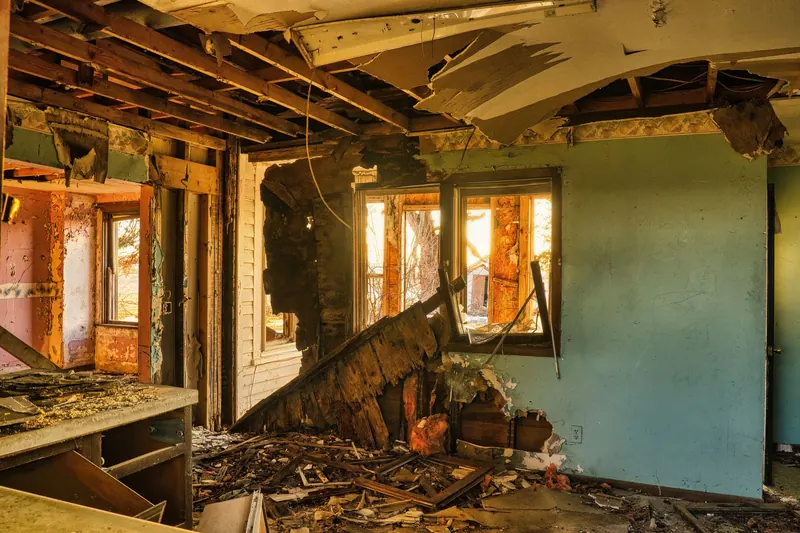 How Long Does a Chimney Liner Last? What Wears It OutNo honest single number fits every chimney liner.Read the guide
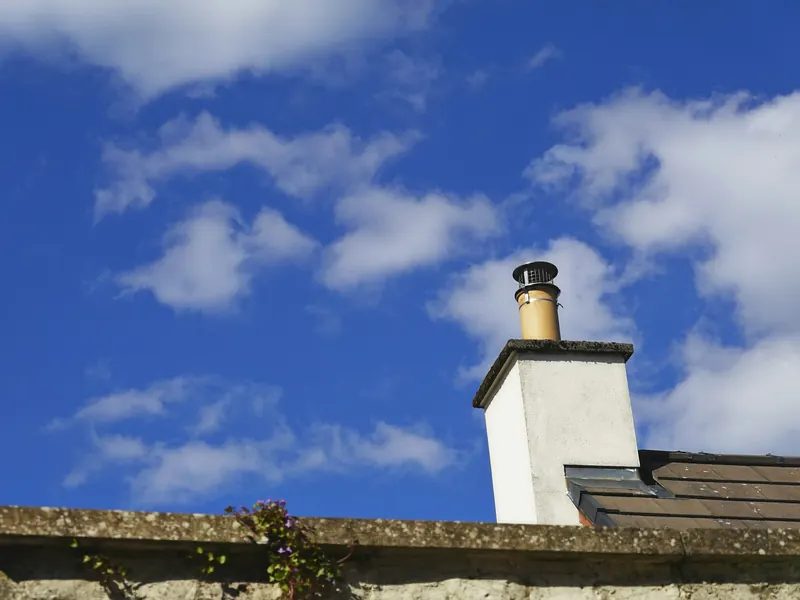 How Much Does a Chimney Liner Cost?Liner pricing is set by the job rather than by the material alone: how tall the flue is, what diameter the appliance needs, the material and alloy, whether insulation is required, how hard the roof is to reach, and how much prep the old flue needs first.Read the guide
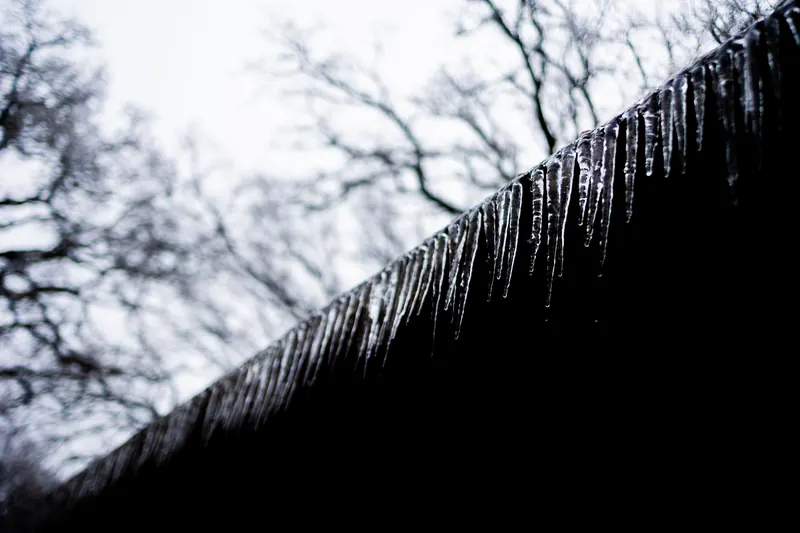 Icicles on the Chimney Cap: What They MeanIcicles on a chimney cap usually form when warm, moist exhaust from a gas boiler, furnace or water heater reaches the cold cap, condenses and freezes.Read the guide
 Is a Stainless Steel Chimney Liner Worth It?For a cracked, missing or wrongly sized flue, a stainless steel liner is often the most practical repair.Read the guide
 Is an Aluminum Chimney Liner Good Enough?Aluminum is good enough only for a narrow job: venting the gas water heaters, furnaces and boilers its maker lists it for, in a flue sized to that appliance.Read the guide
 Orphaned Water Heater: Why the Chimney Needs a LookAn orphaned water heater is a gas or oil water heater left venting alone into a chimney after the boiler or furnace that shared it was replaced or removed.Read the guide
 Pellet Stove Chimney Requirements ExplainedPellet stoves vent differently from wood stoves.Read the guide
 What Happens If a Chimney Flue Tile Is Cracked?A cracked flue tile breaks the inner wall that keeps heat and exhaust inside the chimney.Read the guide
 What Is a Clay Flue Liner?A clay flue liner is a stack of fired terra cotta tiles set inside a brick chimney, each resting on the one below with a mortar joint between.Read the guide
 Why Does My Chimney Have Two Flues?Each flue serves one fireplace or appliance.Read the guide
 Wood Stove vs Fireplace Insert: How to ChooseA freestanding wood stove usually puts more of its heat into the room, because all of its sides and top are exposed.Read the guide
Masonry & Tuckpointing
Masonry & Tuckpointing Guides
 Cracks in a Stucco or Parged ChimneyRain gets in behind a stucco or parged chimney through its cracks, and water trapped there freezes, swells and pushes the coat off the brick.Read the guide
 Does My Chimney Need Repointing?Soft, sandy mortar is the clearest sign.Read the guide
 How Much Does Brick Repointing Cost?Three things set the price of repointing: how much mortar has to come out, how hard the wall is to reach, and how many bricks need replacing along the way.Read the guide
 How to Clean Stains Off Chimney Brick, GentlyClean chimney brick with the gentlest method that lifts the stain: a dry soot sponge or a stiff nylon brush first, then clean water and a masonry cleaner matched to the stain.Read the guide
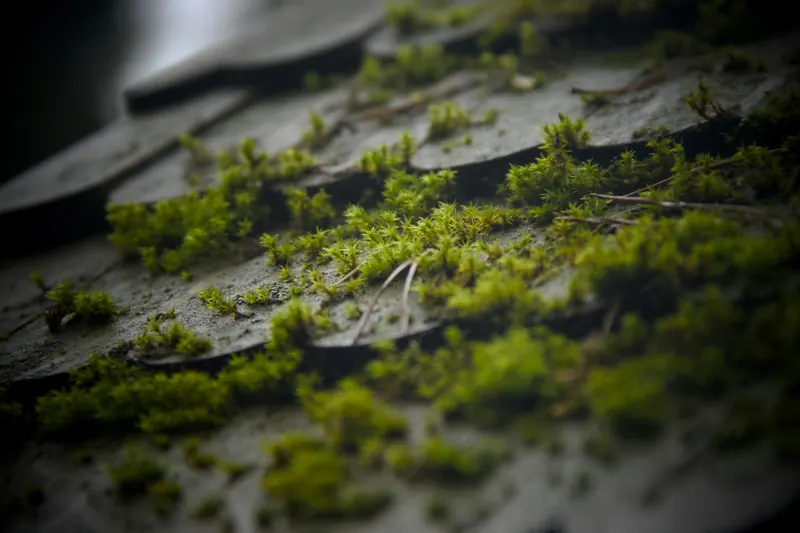 Moss or Ivy on the Chimney: Harmless or Not?Moss and ivy look charming, but neither is harmless on a chimney.Read the guide
 Repairing a Chimney on a Historic or Landmarked HomeHistoric chimney repair keeps as much original masonry as possible and matches whatever has to be replaced: brick size and color, a mortar softer than the old brick, joint width and profile, and the shape of the top.Read the guide
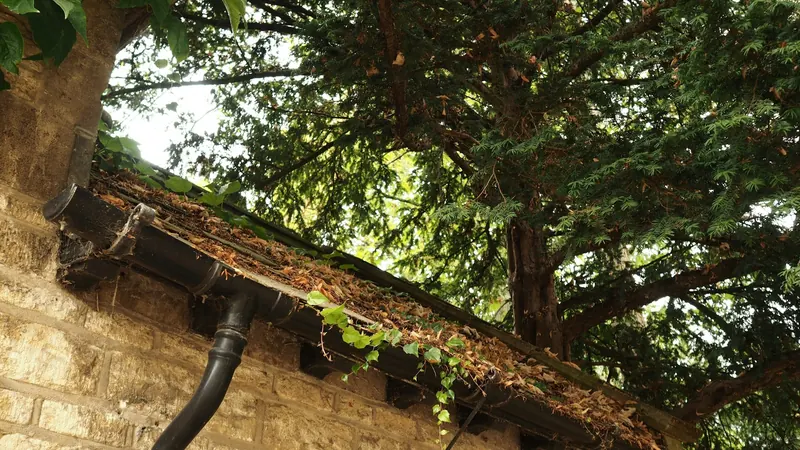 Stone Chimney Repair: How It Differs From BrickStone chimney repair is mostly mortar work.Read the guide
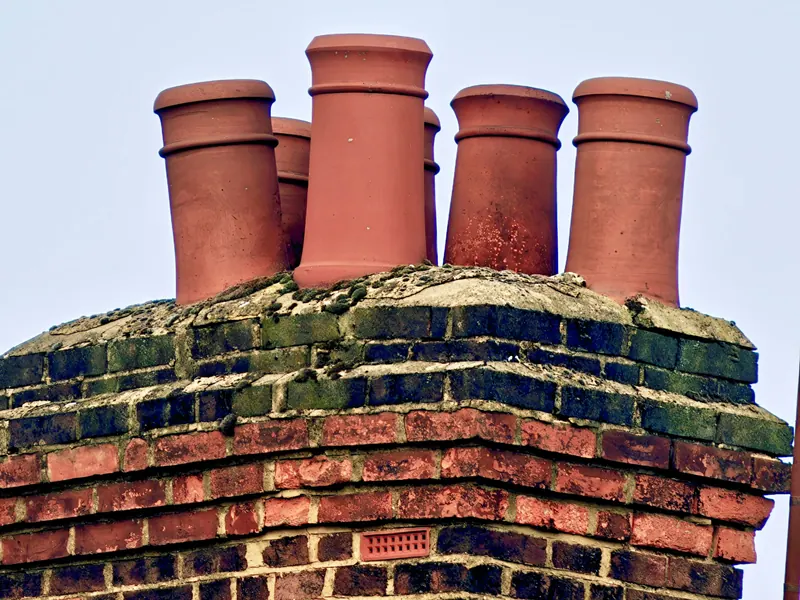 Tuckpointing vs Repointing: What Is the Difference?Repointing is the repair: worn mortar is ground or raked out of the joints and fresh mortar is packed in.Read the guide
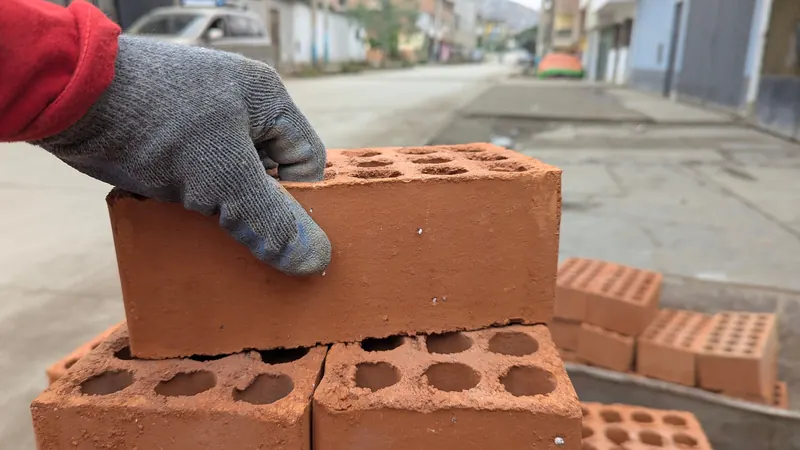 What Causes Chimney Bricks to Crumble and Fall?Chimney bricks crumble and come loose when the mortar holding them wears away and water works into the masonry.Read the guide
 What Is the White Residue on My Brick Chimney?That white, chalky powder is efflorescence.Read the guide
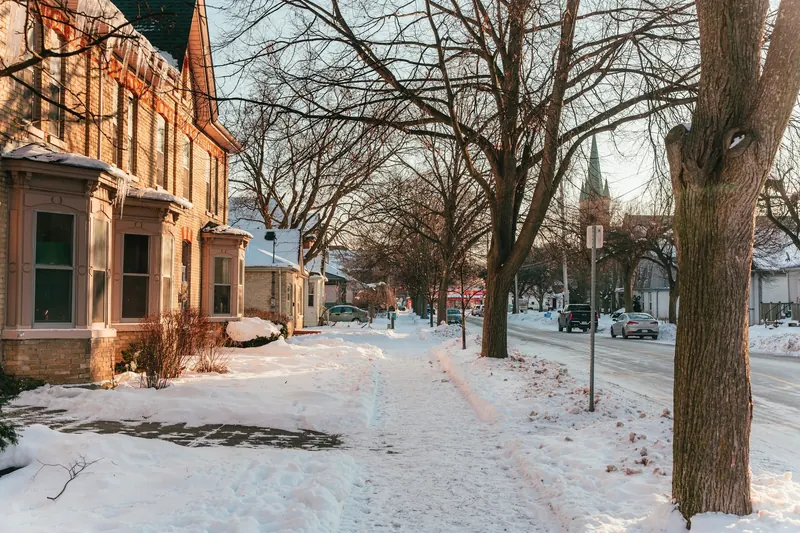 What Kind of Mortar Is Used on a Chimney?Above the roof, brick chimneys are usually repointed with a Type N or Type S masonry mortar, picked so it is softer than the brick around it.Read the guide
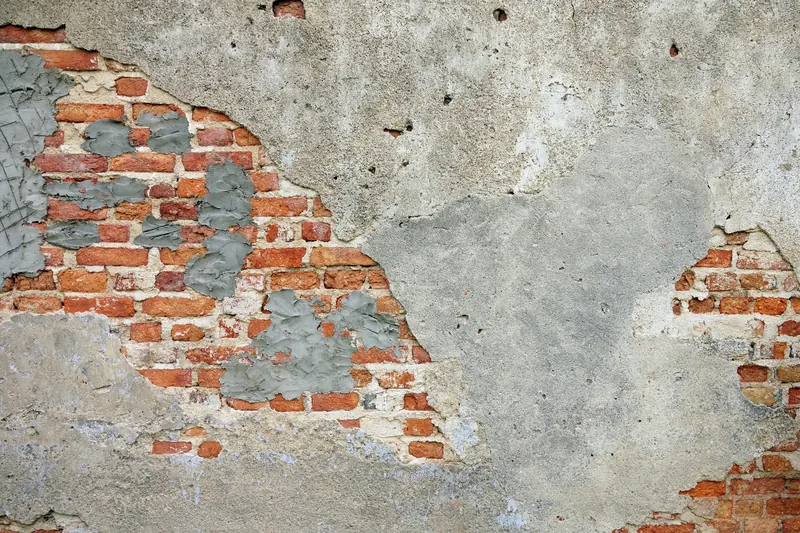 Why Are the Bricks on My Chimney Spalling?Spalling means the outer face of a brick is flaking, peeling or popping off in chips.Read the guide
Leak Repair
Leak Repair Guides
 Can a Chimney Cause a Roof Leak?Chimneys cause plenty of leaks that look like roof leaks.Read the guide
 How to Tell If Chimney Flashing Is LeakingLook for water on the outside of the chimney, not inside the flue.Read the guide
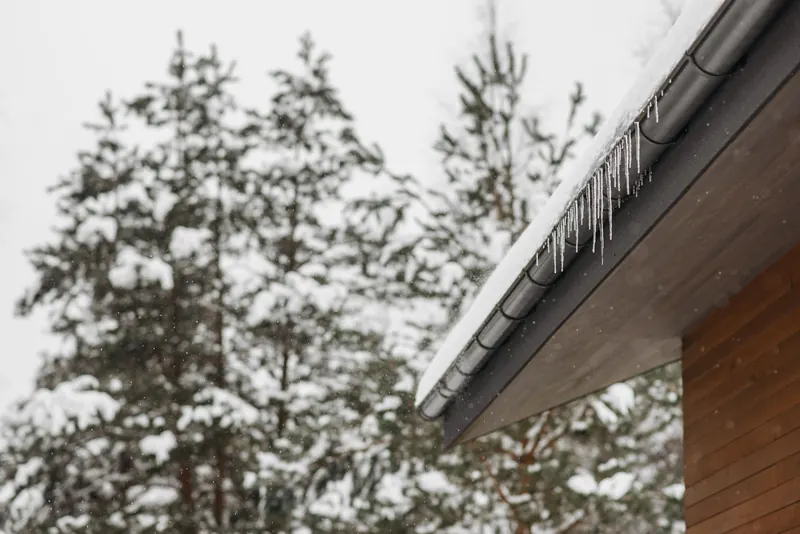 Ice Dam Around the Chimney: Why It Leaks and What HelpsAn ice dam around a chimney forms when snow on the roof melts, runs down to the cold corner behind or beside the chimney and refreezes there.Read the guide
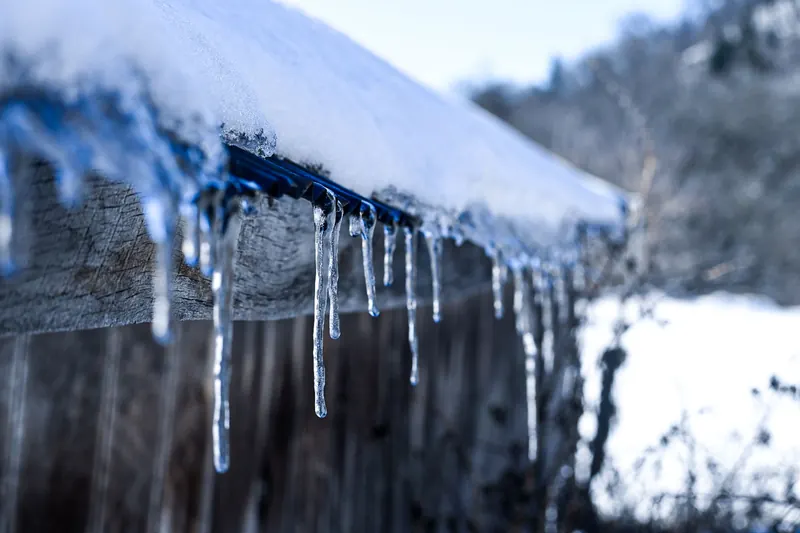 Step Flashing vs Counter Flashing on a ChimneyStep flashing and counter flashing are two layers of one seal.Read the guide
 What Is a Chimney Cricket and Do I Need One?A chimney cricket is a small, peaked ridge built on the uphill side of a chimney, where it meets the roof.Read the guide
 Why Does My Chimney Leak When It Rains?Most chimney leaks come from one of four places: the flashing where the chimney meets the roof, a cracked crown on top, an open flue with no cap, or brick and mortar that soak up rain.Read the guide
 Why Is My Chimney Leaking Black Liquid?That black liquid is water that has dissolved soot and creosote on its way down the flue.Read the guide
 Why Is My Chimney Leaking Into the Basement?Water at the base of a chimney in the basement usually comes from one of three places: rain falling down a flue with no cap or a cracked crown, condensation from a boiler or water heater venting into an unlined or oversized masonry flue, or groundwater at the foundation.Read the guide
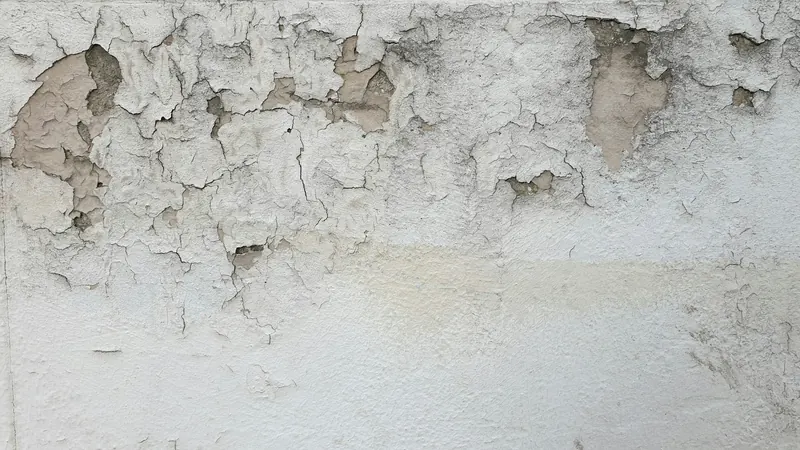 Why Is Water Dripping Into My Fireplace?Rain that ends up in the firebox is coming down the inside of the chimney.Read the guide
 Why Is Water Running Down My Chimney Breast?Damp on the chimney breast means water is moving through the masonry behind the plaster.Read the guide
 Why Your Fireplace Smells Musty or Like MildewA musty, mildew smell from the fireplace means moisture is sitting somewhere in the chimney.Read the guide
Fireplace Repair
Fireplace Repair Guides
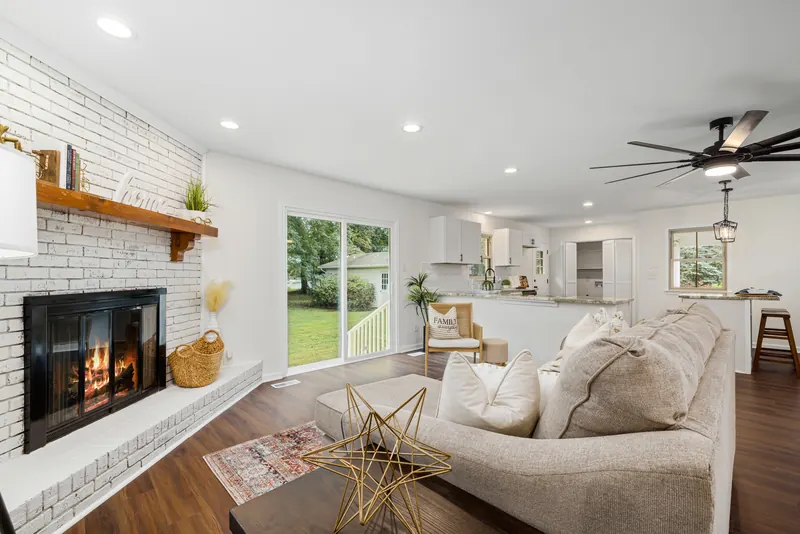 Can a Non Functional Fireplace Be Made Usable Again?Many non functional fireplaces can be brought back, but it depends on why they stopped working.Read the guide
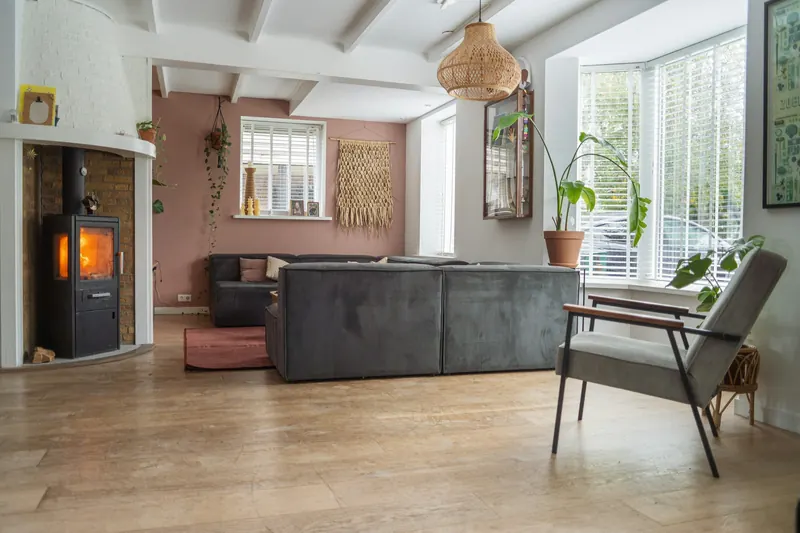 Can You Burn Wood in a Gas Fireplace?Only if the fireplace was built for wood in the first place.Read the guide
 Can You Convert a Wood Fireplace to Gas?In most cases a wood-burning masonry fireplace can be converted to gas, provided the chimney is sound and a gas line can reach it.Read the guide
 Can You Paint Fireplace Brick? What to Know FirstThe brick face around a fireplace can be painted, as long as it is clean, dry and sound and the paint near the opening is rated for the heat.Read the guide
 Chimney Balloons and Draft Stoppers: Do They Work?Inflatable chimney balloons, foam chimney pillows and fireplace plugs do cut drafts from an unused fireplace when they fit snugly, and many households feel the difference in the first cold snap.Read the guide
 Cracked Fireplace Glass: Is It Safe to Use?Stop using the fireplace until cracked glass is replaced.Read the guide
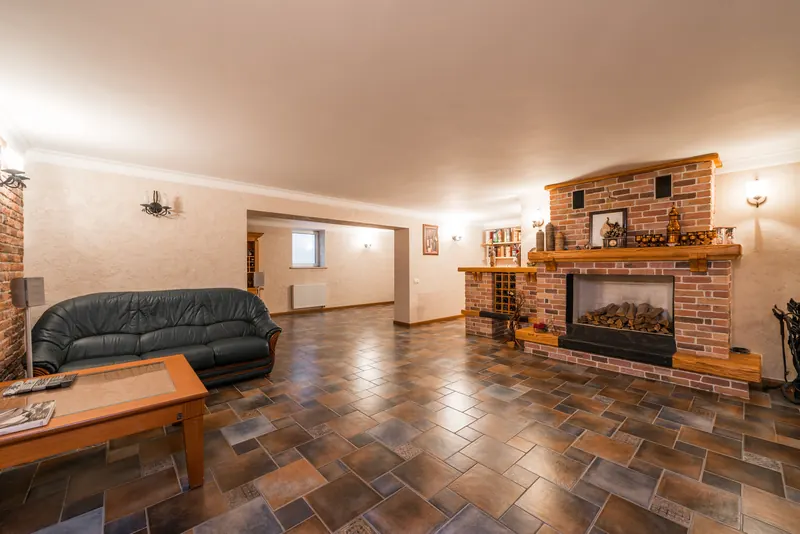 Cracked Fireplace Hearth: Cosmetic or a Problem?Plenty of hearth cracks are cosmetic: a fine line across a slate, granite or marble slab, or cracked grout between tiles.Read the guide
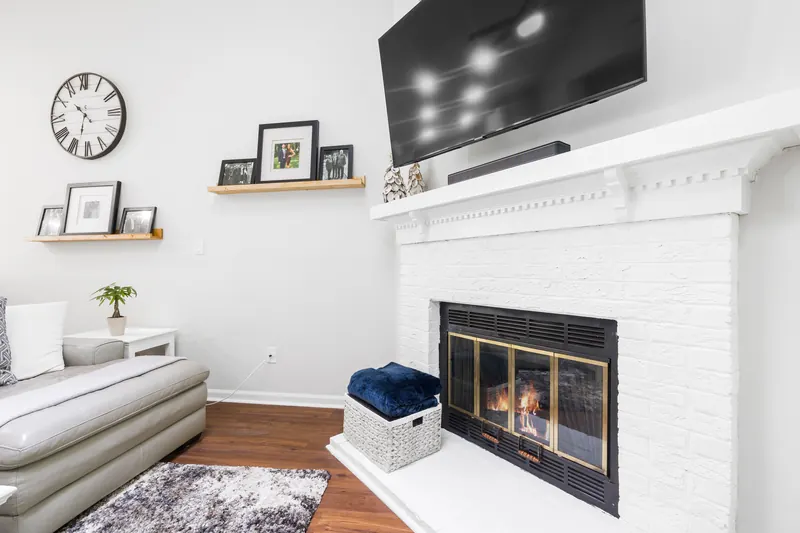 Cracked Fireplace Refractory Panels: When to ReplaceReplace refractory panels when cracks open wide, pieces break away, the surface turns soft or sandy, or any metal behind a panel shows through.Read the guide
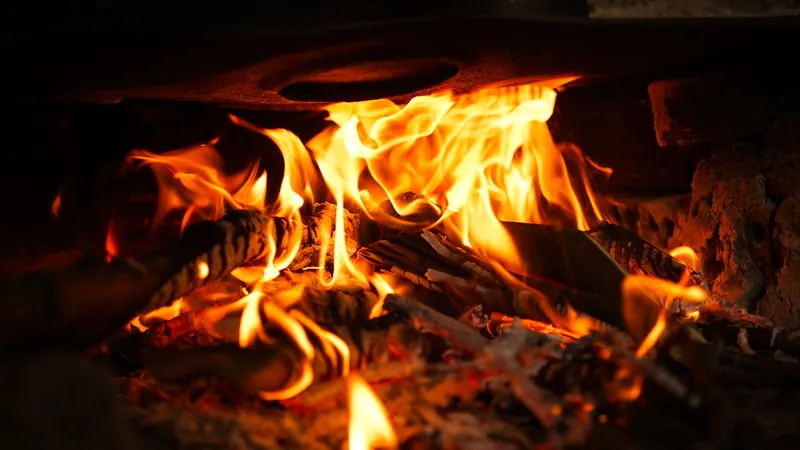 Do Cracked Fire Bricks Need to Be Replaced?Not every cracked fire brick needs replacing.Read the guide
 Does a Fireplace Actually Heat the House?An open fireplace warms the people sitting in front of it, but it rarely heats a house.Read the guide
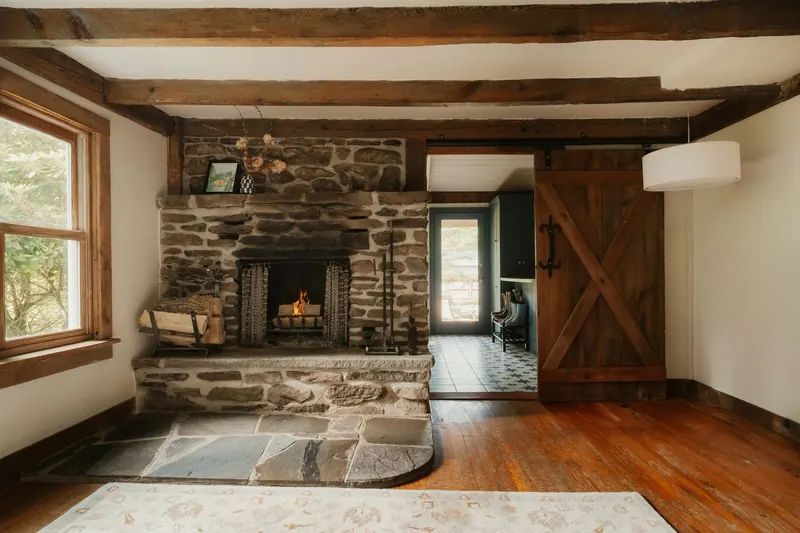 Fireplace Damper Stuck Open or Closed: What to DoA damper that will not budge is usually held by rust, built-up soot, a warped plate or a broken handle or linkage.Read the guide
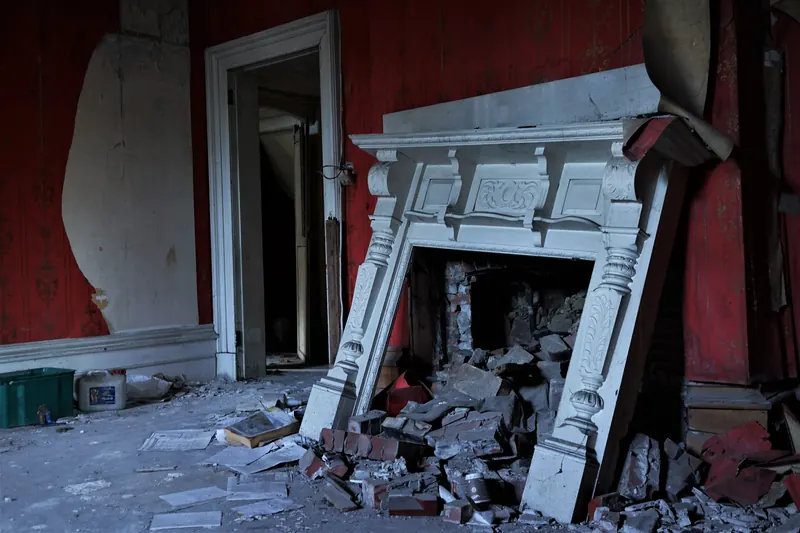 Fireplace Damper Types: Throat, Top-Mount and MoreFireplace dampers come in two main kinds: a throat damper, a metal plate just above the firebox, and a top-mount or top-sealing damper, a lid on the chimney top worked by a cable.Read the guide
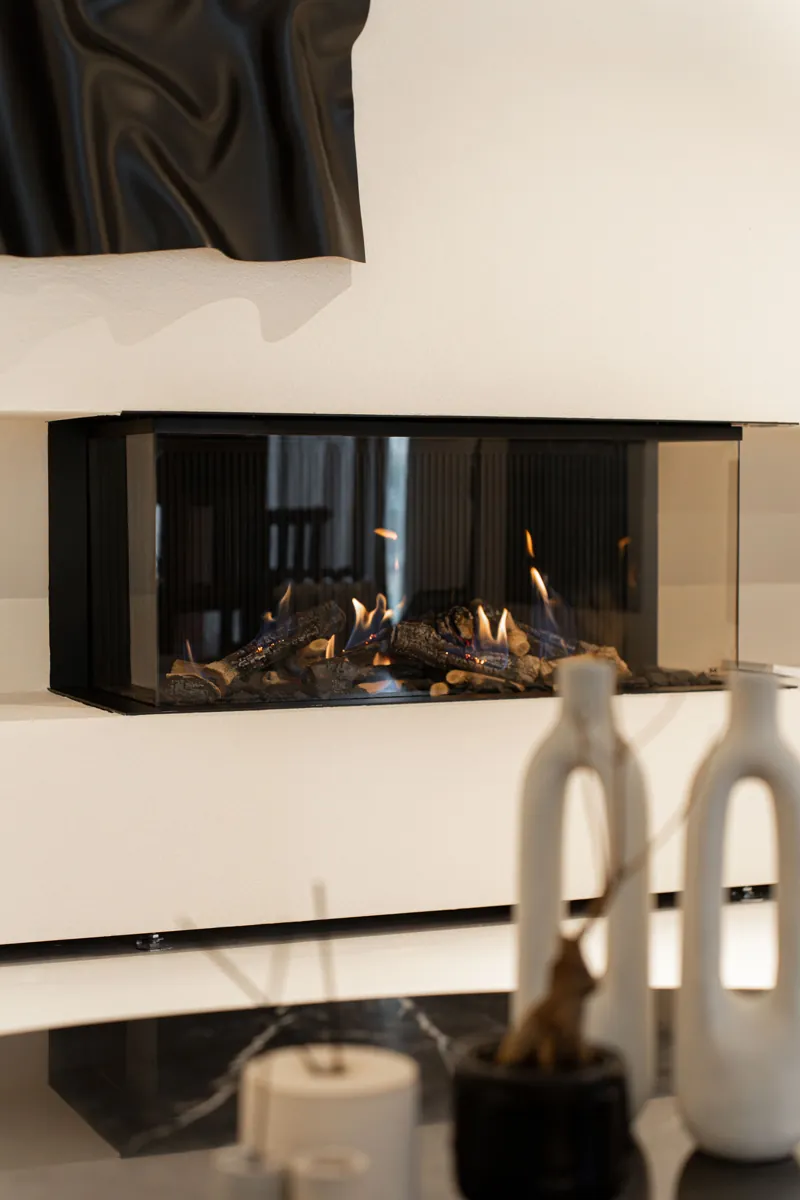 Fireplace Screen vs Glass Doors: Which Fits Your Home?Screens and glass doors solve different problems.Read the guide
 Gas Fireplace Pilot Light Won't Stay LitWhen a gas fireplace pilot goes out as soon as you release the knob, its flame is usually not heating the safety sensor enough.Read the guide
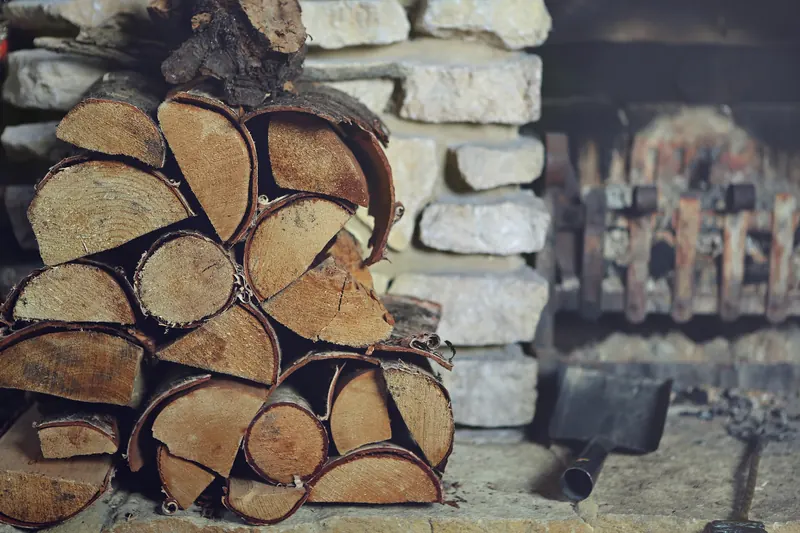 Gas Logs vs Wood Burning: How They CompareGas logs win on convenience: flame from a key or remote, no wood to haul, no ash, and far less soot in the flue.Read the guide
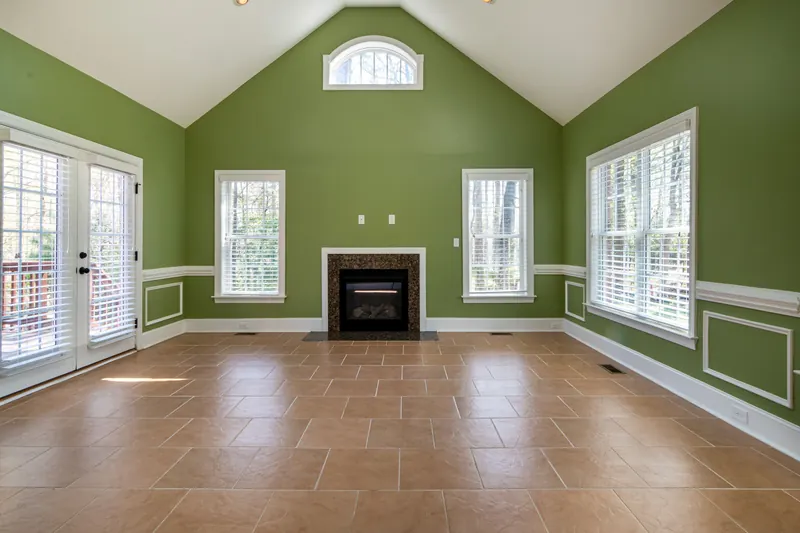 Hearth Extension Requirements in Plain TermsA hearth extension is the noncombustible floor in front of and beside a fireplace opening that catches sparks and rolling embers.Read the guide
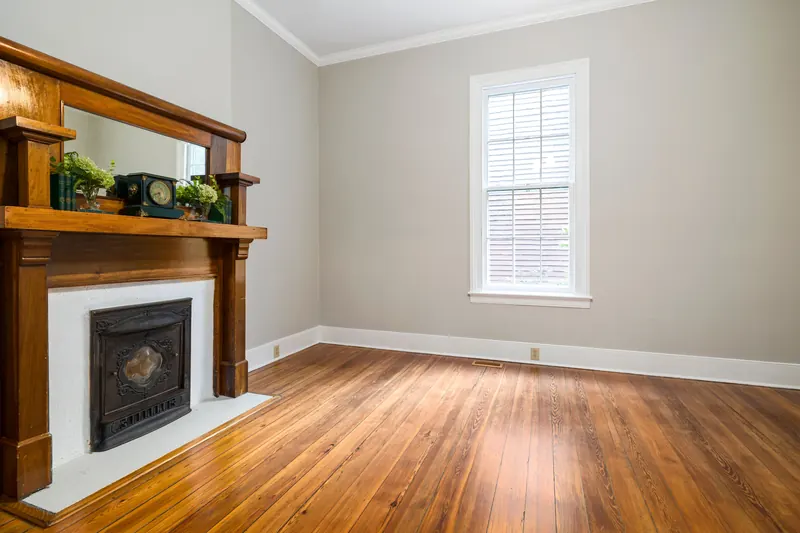 How Far Should a Mantel Be From the Fireplace?A mantel has to sit far enough from the opening that heat cannot scorch it, and the exact distance comes from two places.Read the guide
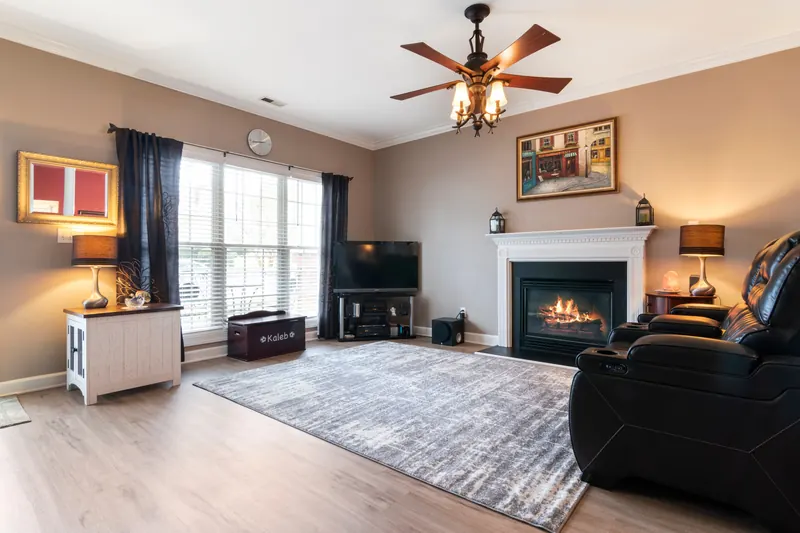 How to Baby-Proof a FireplaceBlock access, pad the hearth and remove what little hands can grab.Read the guide
 How to Close Up a Fireplace for the SummerClosing a fireplace for summer takes four steps: let the last fire go completely cold, clear out the ash, shut the damper tight, and cover the opening if the damper leaks.Read the guide
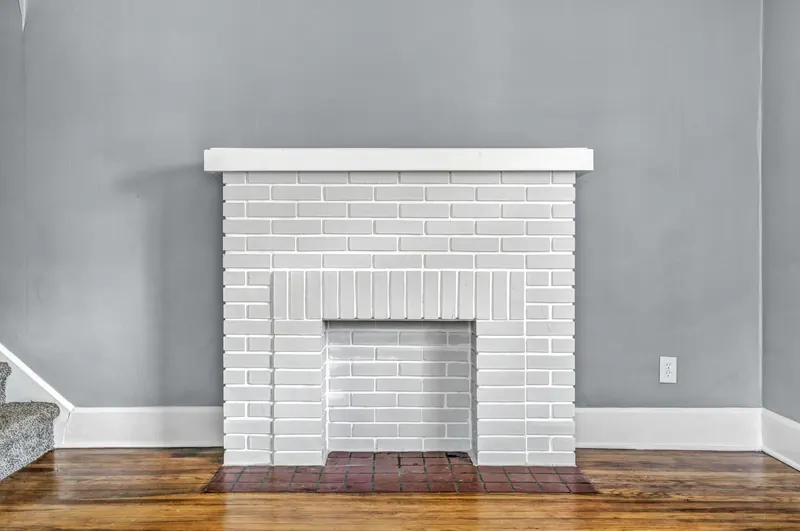 How to Put Out a Fire in a FireplaceThe safest way to put out a fireplace fire is to let it burn low, spread the logs and embers apart with a poker, and smother them with a layer of ash, dry sand or baking soda.Read the guide
 How to Stop Cold Air Coming From the FireplaceCold air pours out of a fireplace when the flue is open to the outside and nothing seals it.Read the guide
 How to Tell If Fireplace Mortar Needs RepairFireplace mortar needs repair when the joints between firebricks are sandy, hollow, cracked open or missing, or when bricks begin to loosen.Read the guide
 Is a Fireplace Insert Better Than an Open Fireplace?For heating a room, an insert is far more effective than an open fireplace.Read the guide
 Mounting a Mantel on a Brick Fireplace SafelyA mantel goes onto a brick fireplace with masonry anchors or steel rods set into solid brick, at a height and depth the code or the fireplace manual allows.Read the guide
 NYC Brownstone Fireplaces: Can You Use Yours?Many brownstone fireplaces can be brought back into use, but plenty were built small and shallow for coal, then sealed up decades later with no liner and no damper.Read the guide
 Old Coal-Burning Fireplaces: Can You Burn Wood?Most coal fireplaces handle wood poorly as built.Read the guide
 Putting an Electric Fireplace in an Existing FireplaceAn electric insert or log set can go into an existing masonry fireplace, and it needs no venting.Read the guide
 Refacing a Brick Fireplace: Tile, Stone or VeneerYou can tile or stone over a brick fireplace when the brick is solid, clean and flat enough to bond to, and when everything close to the opening is noncombustible and rated for the heat.Read the guide
 Should Fireplace Glass Doors Be Open or Closed?The answer changes with the type of fireplace and what its instructions say.Read the guide
 Should the Fireplace Damper Be Open or Closed?Keep the damper open whenever there is a fire, and leave it open until the last embers are out and the ashes are cold.Read the guide
 Should You Turn Off the Gas Fireplace Pilot in Summer?Turning the pilot off for summer is usually fine and saves the gas a standing pilot burns around the clock.Read the guide
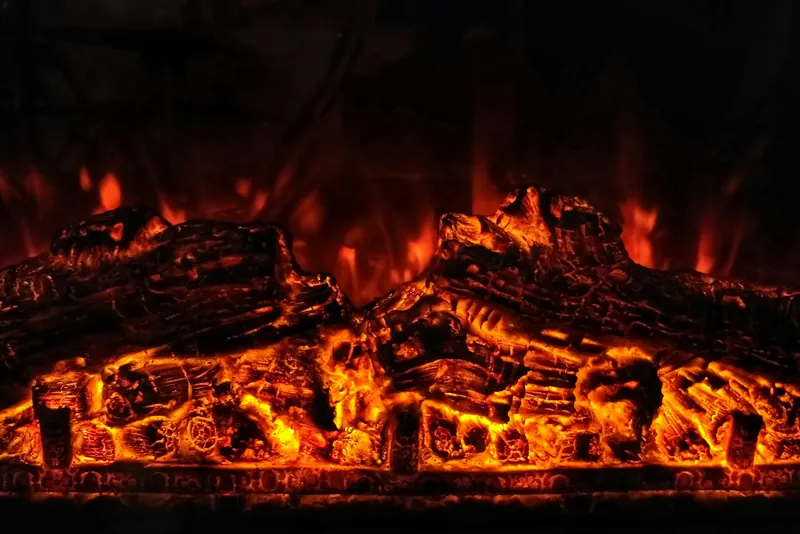 Vented vs Ventless Gas Logs: What Is the Difference?Vented gas logs send their exhaust up the chimney, so they need a working flue and an open damper, and they give tall, yellow, wood-like flames with little heat.Read the guide
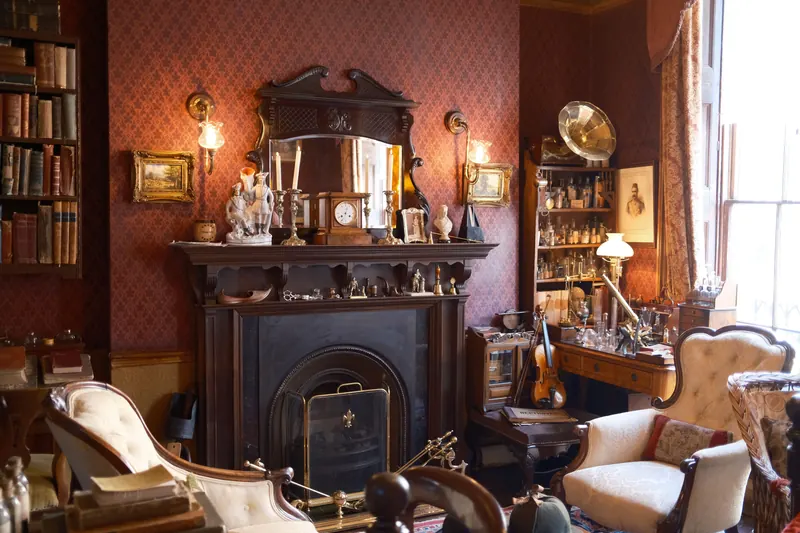 What Is a Fireplace Smoke Chamber?The smoke chamber is the funnel-shaped space above the fireplace damper where the wide firebox narrows into the much smaller flue.Read the guide
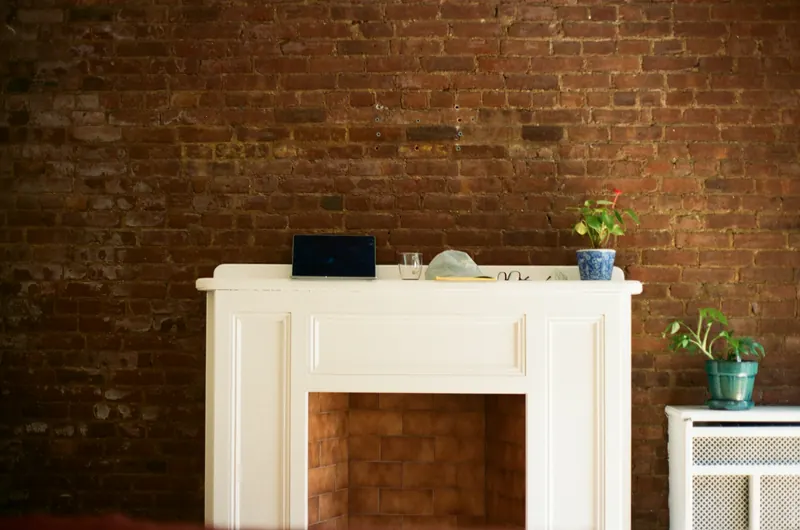 What Is a Rumford Fireplace?A Rumford fireplace is a tall, shallow masonry fireplace with steeply angled side walls and a smooth, rounded throat.Read the guide
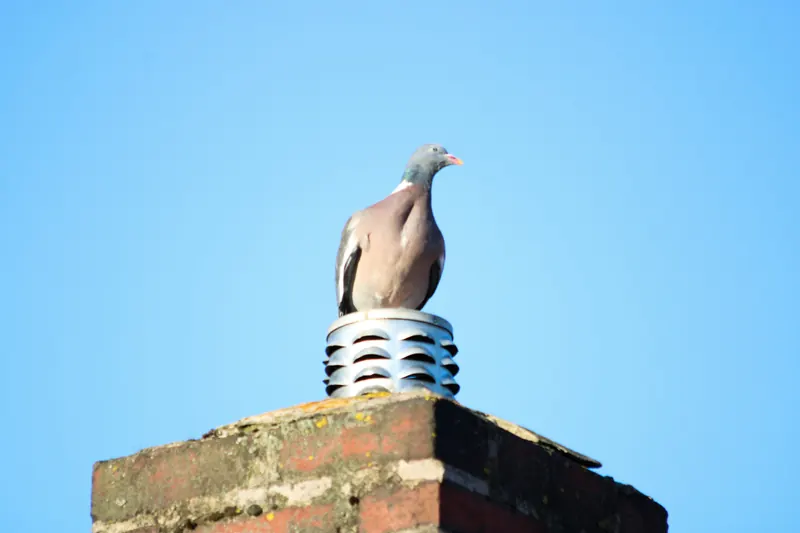 What Is a Top Sealing Damper?A top sealing damper is a spring-loaded metal lid mounted on top of the chimney, with a rubber or silicone gasket that seals the flue when closed.Read the guide
 When Should a Fireplace Damper Be Replaced?Replace the damper when the plate or frame has rusted through, warped so it no longer seals, or broken in a way a new handle or hinge cannot fix.Read the guide
 Why Does My Fireplace Smell Like Burning Plastic?Something is heating that should not be, or a new unit is still curing.Read the guide
 Why Does My Gas Fireplace Smell Like Gas?A rotten-egg or sulfur smell near a gas fireplace should be treated as a leak.Read the guide
 Why Is My Fireplace Smoke Coming Into the House?Smoke rolls into the room when the chimney cannot carry it away as fast as the fire makes it.Read the guide
 Zero-Clearance vs Masonry Fireplace: How to TellA zero-clearance fireplace is a factory-built metal unit, made to sit close to wood framing and vent through a metal chimney pipe.Read the guide
Dryer Vent Cleaning
Dryer Vent Cleaning Guides
 Bird Nest in the Dryer Vent: What to DoTurn the dryer off as soon as you suspect a bird or a nest in the vent.Read the guide
 Can a Dryer Vent Catch on Fire?A dryer vent can catch fire, and lint is the fuel.Read the guide
 Can a Gas Dryer Cause Carbon Monoxide?Yes.Read the guide
 Dryer Vent Booster Fans: When a Long Run Needs OneBooster fans earn their place when a dryer duct is too long or has too many turns for the dryer to push air through, and the route cannot be shortened.Read the guide
 Dryer Vent Condensation: Why Water CollectsWater collects in a dryer vent when warm, damp exhaust cools inside the duct and the moisture turns back into liquid.Read the guide
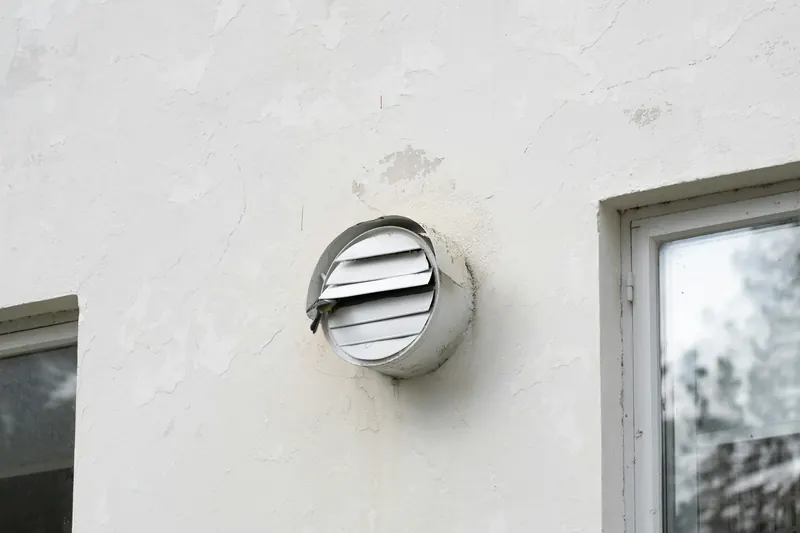 Dryer Vent Flap Not Closing: Causes and FixesLint packed around the hinge is the usual reason an outside dryer vent flap stays open, followed by a bent or warped flap, paint, ice, or a broken spring on a spring-loaded hood.Read the guide
 Dryer Vent Frozen Shut: Causes and Safe FixesIce builds up in a dryer vent when warm, moist exhaust condenses in a cold section of duct or at the outside hood and turns to ice, or when snow and ice seal the flap shut.Read the guide
 Dryer Vent Through the Wall or the Roof?Through the wall is usually the better choice when a wall is close to the dryer.Read the guide
 Foil Dryer Vent Hose: Is It a Fire Hazard?A thin foil accordion hose raises the fire risk when it is crushed, kinked, overly long or hidden in a wall, because its ridges hold lint and a squashed bend chokes the airflow.Read the guide
 How Long Can a Dryer Vent Be?Your dryer's installation instructions and the local code set the maximum vent length, and every elbow and the exterior hood count against that limit.Read the guide
 How Much Does Dryer Vent Cleaning Cost?Dryer vent cleaning is priced by how much work the vent takes: duct length, number of turns, where it exits, how easy the dryer and outside hood are to reach, and how badly it is clogged.Read the guide
 How Often Should a Dryer Vent Be Cleaned?Most households should have the dryer vent cleaned about once a year, and sooner with several loads a day, pets, a long duct or a roof exit.Read the guide
 Why Does a Roof Dryer Vent Keep Clogging?Roof dryer vents clog more than wall vents because lint has to be pushed up a long vertical climb.Read the guide
 Why Is My Dryer Taking Longer to Dry Clothes?A load that suddenly needs two cycles usually means the hot, damp air is not getting out of the house.Read the guide
Local guides
Chimney Care Where You Live
- Chimney Care in Brooklyn, NY: What Local Homeowners Should Know
- Chimney Care in Queens, NY: What Local Homeowners Should Know
- Chimney Care in Manhattan, NY: What Local Homeowners Should Know
- Chimney Care in The Bronx, NY: What Local Homeowners Should Know
- Chimney Care in Staten Island, NY: What Local Homeowners Should Know
- Chimney Care in Nassau County, NY: What Local Homeowners Should Know
- Chimney Care in Suffolk County, NY: What Local Homeowners Should Know
- Chimney Care in Westchester County, NY: What Homeowners Should Know
- Chimney Care in Bergen County, NJ: What Local Homeowners Should Know
- Chimney Care in Passaic County, NJ: What Local Homeowners Should Know
- Chimney Care in Essex County, NJ: What Local Homeowners Should Know
- Chimney Care in Hudson County, NJ: What Local Homeowners Should Know
- Chimney Care in Union County, NJ: What Local Homeowners Should Know
- Chimney Care in Morris County, NJ: What Local Homeowners Should Know
- Chimney Care in Somerset County, NJ: What Homeowners Should Know
- Chimney Care in Middlesex County, NJ: What Homeowners Should Know
- Chimney Care in Monmouth County, NJ: What Homeowners Should Know
- Chimney Care in Hunterdon County, NJ: What Homeowners Should Know
- Chimney Care in Mercer County, NJ: What Homeowners Should Know
- Chimney Care in Camden County, NJ: What Homeowners Should Know
- Chimney Care in Burlington County, NJ: What Homeowners Should Know
- Chimney Care in Gloucester County, NJ: What Homeowners Should Know
- Chimney Care in Cumberland County, NJ: What Homeowners Should Know
- Chimney Care in Salem County, NJ: What Local Homeowners Should Know
- Chimney Care in Sussex County, NJ: What Local Homeowners Should Know
- Chimney Care in Warren County, NJ: What Local Homeowners Should Know
- Chimney Care in Ocean County, NJ: What Local Homeowners Should Know
- Chimney Care in Atlantic County, NJ: What Homeowners Should Know
- Chimney Care in Cape May County, NJ: What Homeowners Should Know
- Chimney Care in Philadelphia, PA: What Local Homeowners Should Know
- Chimney Care in Bucks County, PA: What Local Homeowners Should Know
- Chimney Care in Montgomery County, PA: What Homeowners Should Know
- Chimney Care in Delaware County, PA: What Homeowners Should Know
- Chimney Care in Chester County, PA: What Local Homeowners Should Know
- Chimney Care in Lehigh County, PA: What Local Homeowners Should Know
- Chimney Care in Northampton County, PA: What Homeowners Should Know
- Chimney Care in New Castle County, DE: What Homeowners Should Know
