
Why there is no single price
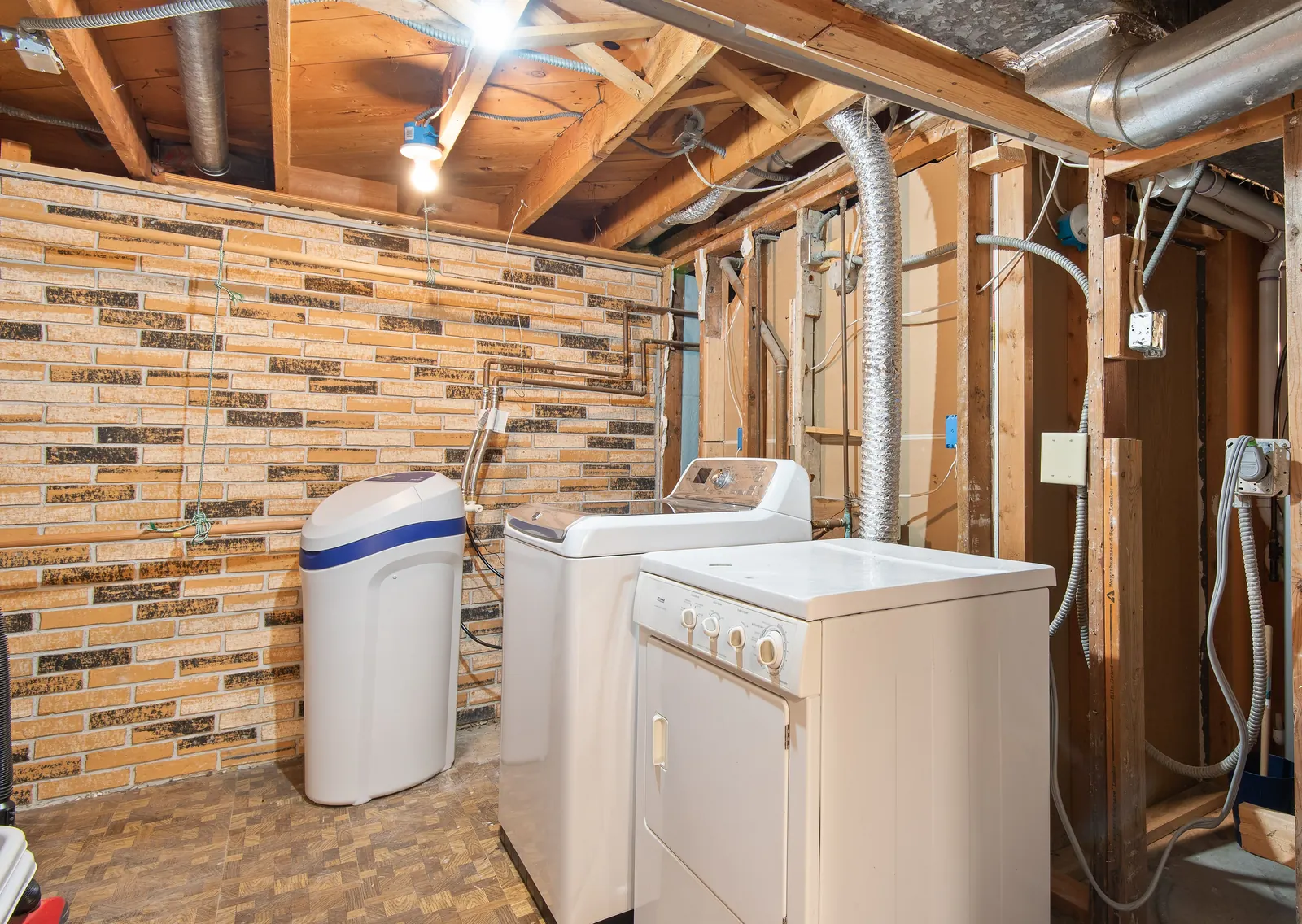
Two dryers on the same block can need very different amounts of work. One sits against an outside wall with four feet of duct and a hood you can touch from the yard. The next is in a basement laundry with a duct that runs the length of the house along the joists before it leaves under the front stoop. Same appliance, same lint, very different job.
A vent cleaning is labor plus access. The price follows how long it takes to reach both ends, clean everything in between and confirm the air moves freely afterward. Anything that adds steps, like a roof climb, a stacked washer and dryer in a closet or a clog that has to be pulled out in pieces, adds time.
What moves the price
These are the factors a technician weighs when quoting. Most homes have two or three that matter and several that do not.
- Length of the duct from the dryer to the exit
- Number of elbows and turns along the route
- Exit through a wall, a basement rim joist, a soffit or the roof
- Where the dryer sits and how easy it is to move and reconnect
- How much lint is packed in, or whether a nest is blocking the line
- Parts that need replacing, such as a crushed hose or a broken hood
How common setups compare
The route of the duct is the biggest single driver. In the brownstones, rowhouses and twins we work in, these setups come up again and again, listed roughly from quickest to slowest.
- Dryer on an outside wall with the hood at ground level: short run, both ends easy to reach
- Basement laundry exiting at the rim joist: moderate run, hood often behind shrubs or in a window well
- Long basement run to the front of the house: several elbows and joints hidden in a finished ceiling
- Stacked unit in a closet or upper-floor laundry: tight access to move the machines and reach the duct
- Roof exit from a laundry in the middle of the house: long climb, lint packed near the top, roof access needed
What a full cleaning includes
Compare quotes by what they cover. A proper cleaning treats the vent as one system. The dryer is moved and disconnected. The transition hose behind it is inspected and cleaned or replaced. The full duct is brushed and blown out from the dryer end to the exit, and the outside hood or roof cap is cleared so its flap opens and closes freely. After the dryer is reconnected, the airflow is checked at the outlet with the machine running.
The visit should also tell you what condition the system is in. Plastic or thin foil hose, crushed sections, a hood with a screen that traps lint, joints that have come apart inside a wall or ceiling, or a run longer than the dryer's manual allows are all things you should hear about, even if you decide to deal with them later.
A very low phone price with no questions about where the vent exits often means the work stops at the hose behind the machine. Ask whether the hood or roof cap is included and whether airflow is checked afterward. A crushed hose or broken hood is easy to show you; if a recommended replacement cannot be shown or explained plainly, take time before agreeing to it.
Repairs that can add to the job
Cleaning restores airflow through the duct you have. Sometimes the duct itself is the problem. A plastic or foil hose is usually swapped for metal. A crushed section is cut out and replaced. A hood with a stuck or broken flap, or one fitted with a screen, is changed for a dryer-rated hood. A joint that has separated inside a ceiling has to be reconnected, which can mean opening an access panel.
On roof vents, the cap is a common culprit. Many were fitted with caps made for bath fans, with louvers or mesh that catch lint every week. Swapping it for a cap designed for dryer exhaust changes how often the run clogs. Each of these is priced separately, and you decide on them before any work beyond the cleaning starts.
Where DIY brush kits fit
Rotary brush kits with flexible rods that spin on a drill are sold for homeowners, and on a short, straight run you can reach from both ends they do a reasonable job. Go slowly, keep the rod turning in the direction the kit specifies so the sections do not unscrew inside the duct, and work from the dryer toward the outside.
They are a poor match for long runs, many turns or roof exits. A brush head can jam at an elbow, joints hidden in a ceiling can pull apart, and a dense clog can be packed tighter instead of removed. A kit also does nothing about the hood or roof cap, which is often where the blockage sits.
Why a neglected vent costs more to clean
Lint does not build up in an even coat. It catches first at elbows, joints and any screw that pokes into the duct, then each catch point grabs more. A vent cleaned on a regular schedule usually has a light layer that brushes out quickly. One left for years can hold dense plugs at every turn, sometimes damp and matted from condensation, and those come out slowly, piece by piece, with more passes and more checks.
Large households, pets, heavy towels and bedding, and long runs all fill a vent faster. The dryer's manual and the airflow at the hood are better guides to timing than a fixed calendar. A vent that is checked before drying times climb is the cheapest version of this job.
What a clogged vent costs in other ways
The cleaning price is one number among several. A restricted vent makes every load run longer, so the dryer uses more electricity or gas and its heater, motor and belt work more hours. The thermostats that protect the machine cycle the heat on and off repeatedly, and the parts that wear out first on a struggling dryer are often the ones an appliance repair visit replaces.
There is a safety side too. Lint is flammable, and a clogged duct holds heat right where lint collects. On a gas dryer, a blocked exhaust can push combustion gases, including carbon monoxide, back into the house. Working carbon monoxide alarms belong in every home with gas appliances, and an alarm, or anyone feeling unwell, means getting everyone outside and calling 911.
Getting a clear price
When you call, tell us where the dryer is, where the vent comes out, whether it goes through the roof and roughly when it was last cleaned. Mention any symptoms: long drying times, a hot laundry room, lint around the door, a flap that stays open. That is usually enough to describe the job accurately before the visit.
On site, the technician confirms the route and quotes any parts before using them, with upfront pricing and no hidden fees. If you are booking a chimney sweep, the dryer vent can be handled on the same trip, which saves a second visit.
Common Questions
Is a professional dryer vent cleaning service worth it?
Which dryer vent cleaning tool should I buy?
Why does a roof vent cost more to clean than a wall vent?
How long does a dryer vent cleaning take?
Does the price include replacing the hose behind the dryer?
Need help with this? See our dryer vent cleaning service, or call (844) 468-2410 for a free written estimate.

