
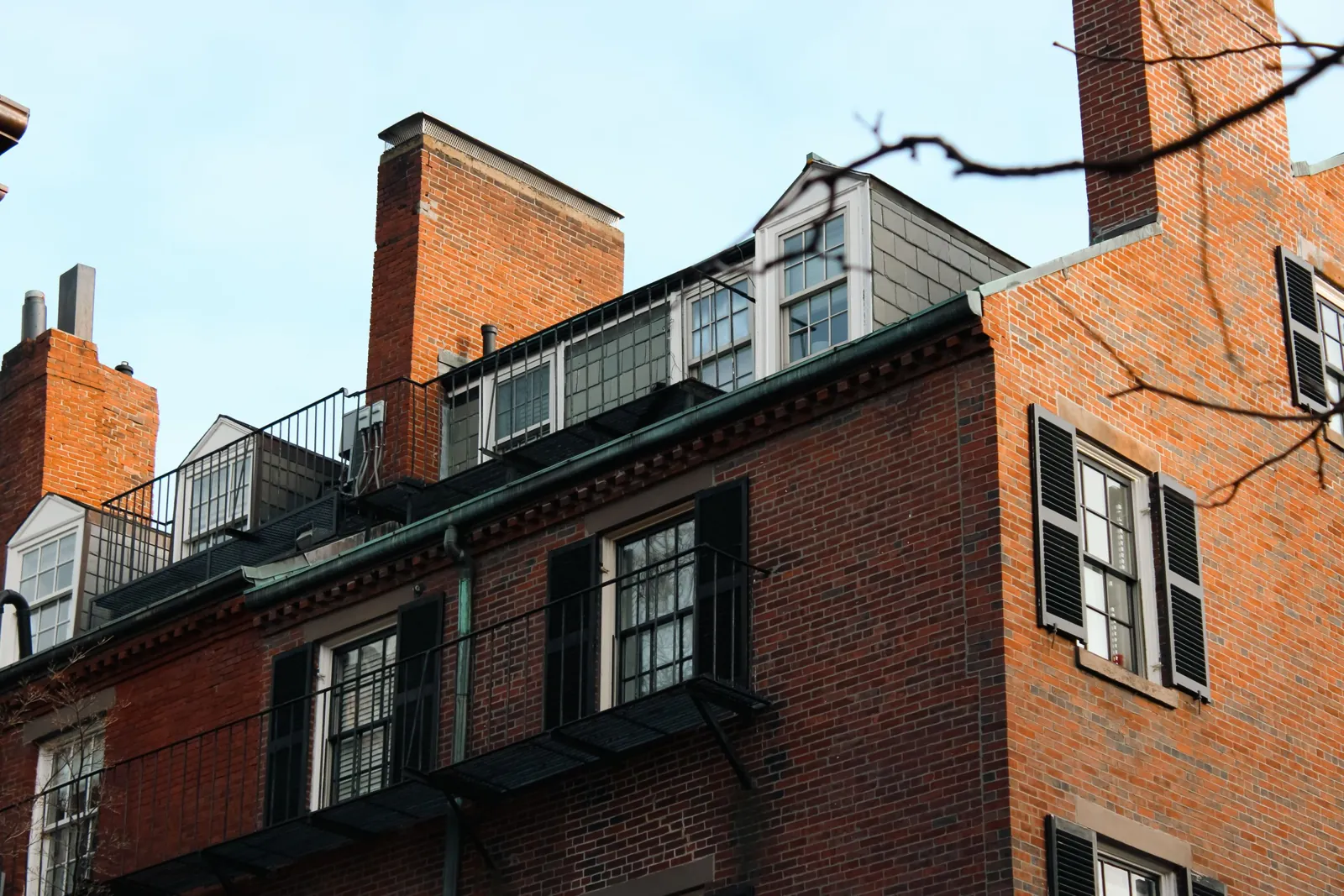
Your Local Chimney Sweeping Pros
Every fire leaves creosote on the inside of the flue. A sweep removes it before it narrows the flue, slows the draft or catches fire. Our crew cleans the firebox, the smoke chamber and the full length of the flue, then checks what we saw on the way up.
About Chimney Sweeping
Wood smoke is full of unburned gases and tar. As it climbs, it meets flue walls that are cooler than the fire, and part of it condenses there as creosote. Early deposits are dry, black and flaky. Left alone, they turn crusty and tar-like, and in the worst case they harden into a shiny glaze that coats the tile like varnish. Every stage burns, and every stage narrows the passage the smoke has to use.
Older housing in New York, New Jersey and around Philadelphia makes this worse. Brownstone and rowhouse flues were often built large, for coal grates, and a wide flue stays cool, so smoke lingers and condenses. Exterior chimneys on colonials and capes lose heat to the wind on three sides. Short evening fires that fail to heat the flue properly, and logs that were split last spring, add more deposits each season.
A thorough sweep treats the fireplace as one system. The firebox and grate area are cleared, the damper is opened and brushed, the smoke shelf behind it is scooped clean, and the smoke chamber walls are scraped before brushes work the full height of the flue. The brush head has to match the flue: square heads for square clay tile, round ones for round liners, softer bristles for stainless. The soot is contained, bagged and carried out, and you hear what the light showed along the way.
What Our Crew Does
- Drop cloths laid from the entry door to the hearth, with the fireplace opening sealed off
- Grate, ash and loose debris lifted out of the firebox
- Damper plate and frame brushed so the handle moves freely
- Smoke shelf cleared of the soot and grit that settles behind the damper
- Smoke chamber walls scraped where deposits cling to the brick
- Flue brushed top to bottom with heads sized to its shape and material
- Cap screen cleaned so the draft is not choked at the top
- Debris bagged and removed, and a plain account of the flue's condition
When to Call Us
- Smoke rolls into the room when the fire starts
- A strong campfire smell on humid days
- Black flakes falling into the firebox
- You do not remember the last sweep
- You bought a house with a fireplace you have never used
How the Job Goes
- We protect the room
Drop cloths go down from the door to the hearth and the opening is sealed before any brush goes in.
- We clean the whole system
Firebox, damper, smoke shelf, smoke chamber and flue, with rods and brushes sized to your flue.
- We look while we clean
We check the damper, the flue joints and the crown and cap, and tell you plainly what we found.
- You get it in writing
If anything needs repair, you get a free written estimate before any work starts.
Your Options
Sectional rods with a brush head pushed and pulled through the flue. Good control on old clay tile and in tight smoke chambers.
Flexible whips spun by a drill, working from below or above. Useful for stubborn crusty deposits, used with care on cracked or fragile tile.
Glazed creosote does not brush off. A chemical treatment applied over one or more fires turns it brittle enough to remove on a later visit.
Steel wire bristles cut through deposits on clay tile and masonry. Poly bristles are the choice inside stainless steel liners, where wire would scratch the metal.
What Affects the Cost
- How many flues need cleaning, since a fireplace, boiler and water heater flue are each their own job
- How long since the last sweep and how heavy the deposits are
- Glazed creosote that needs a treatment and a second visit
- Roof pitch, height and whether a ladder can reach the top safely
- A stove or insert that has to be disconnected or pulled out to reach the flue
- Nests, leaves or fallen tile that have to come out before brushing
Every job starts with a free written estimate, so you know the price before we start.
When It Cannot Wait
- A roaring or rushing sound in the chimney with the fire burning: get everyone out and call 911
- Black, tar-like drips running down the inside of the firebox
- Smoke pouring into the room even with the damper wide open
- Your carbon monoxide alarm sounding: get outside first, then call 911
Make It Last
- Burn only split hardwood that has dried under cover until the ends show cracks
- Build fires hot enough to warm the flue, instead of letting them smolder for hours
- Leave the damper fully open until the last ember is out
- Get on the calendar while it is still warm out, ahead of the first cold night
- Keep the cap mesh intact so leaves and nests stay out of the flue
Questions About Chimney Sweeping
How often should a chimney be swept?
Do gas fireplaces need sweeping?
Will it be messy?
Do you sweep from the roof or from inside the house?
Where does the creosote go once it is out of the flue?
Will a sweep fix a fireplace that smokes?
Guides From Our Crew
 How Often Should a Chimney Be Swept?Sweep the chimney whenever the yearly inspection finds soot or creosote building up, which is how NFPA 211 frames it.
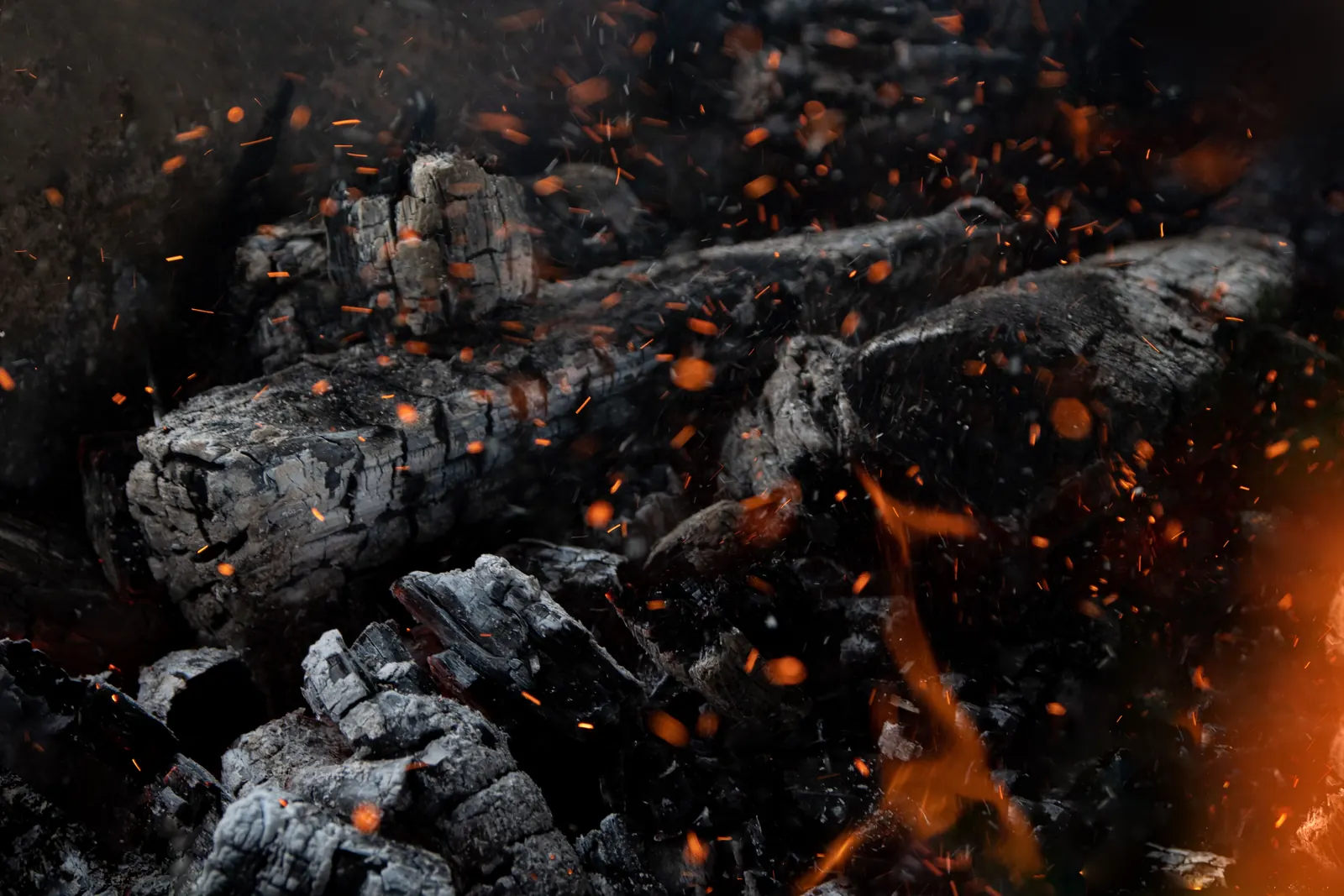 The 3 Stages of Creosote, Including Glazed CreosoteSweeps sort creosote into three stages by how it looks and how hard it is to remove.
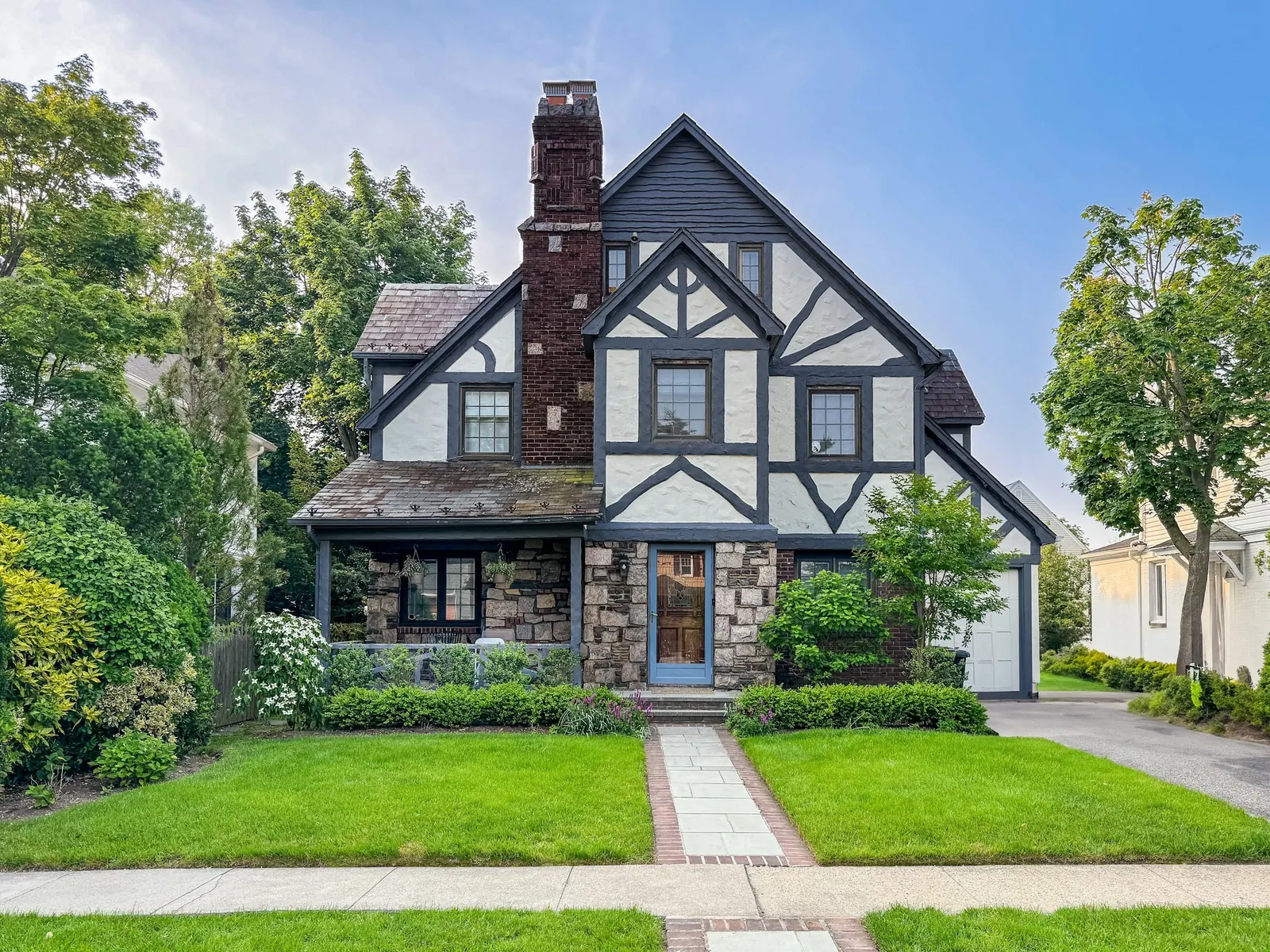 How to Tell If Your Chimney Needs CleaningBlack flakes falling into the firebox, a strong sour campfire smell, fires that start slowly or smoke into the room and dark staining above the opening are the usual signs.
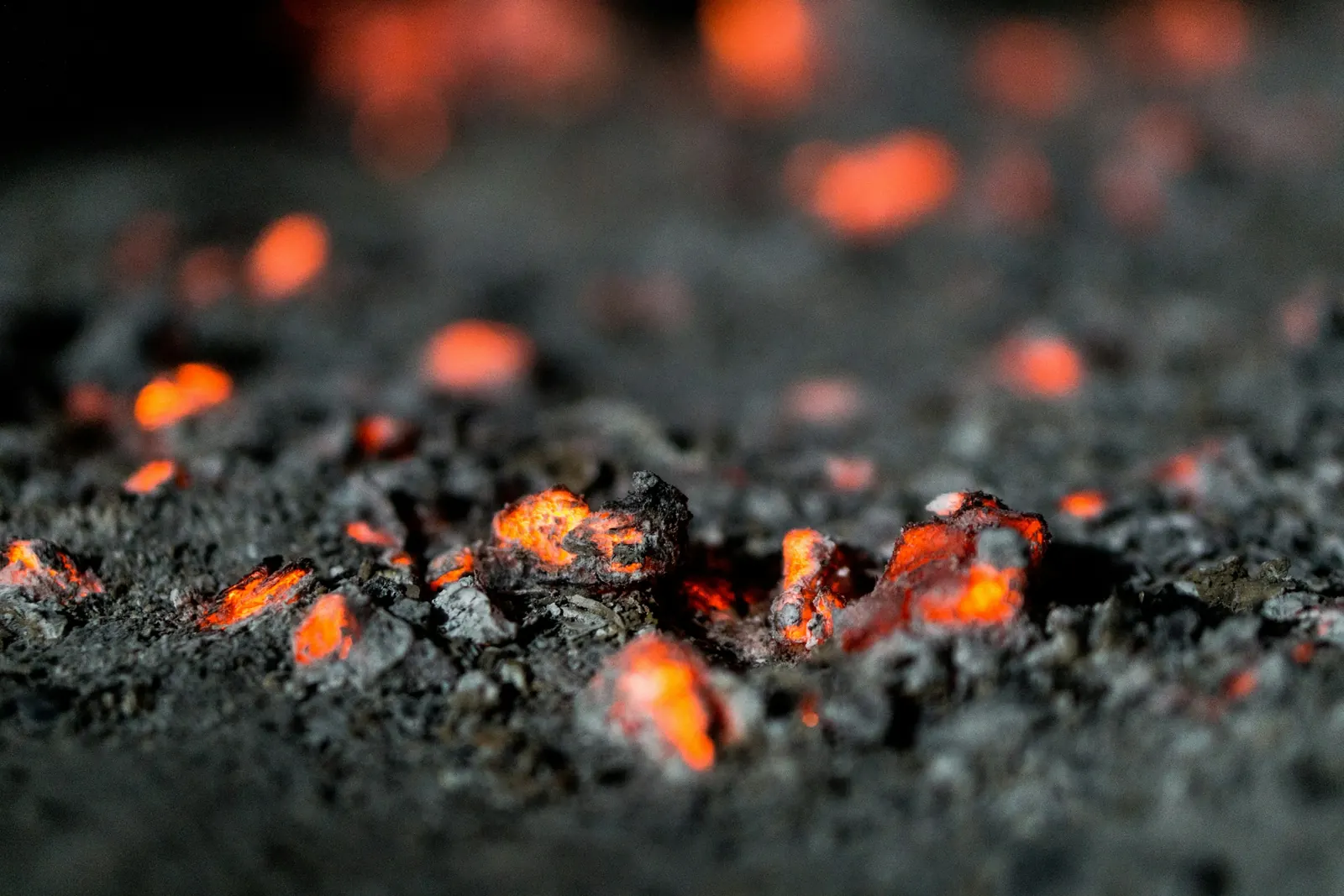 What Is Creosote Buildup in a Chimney?Creosote is the dark, tarry residue that forms when wood smoke cools on the inside of a chimney.
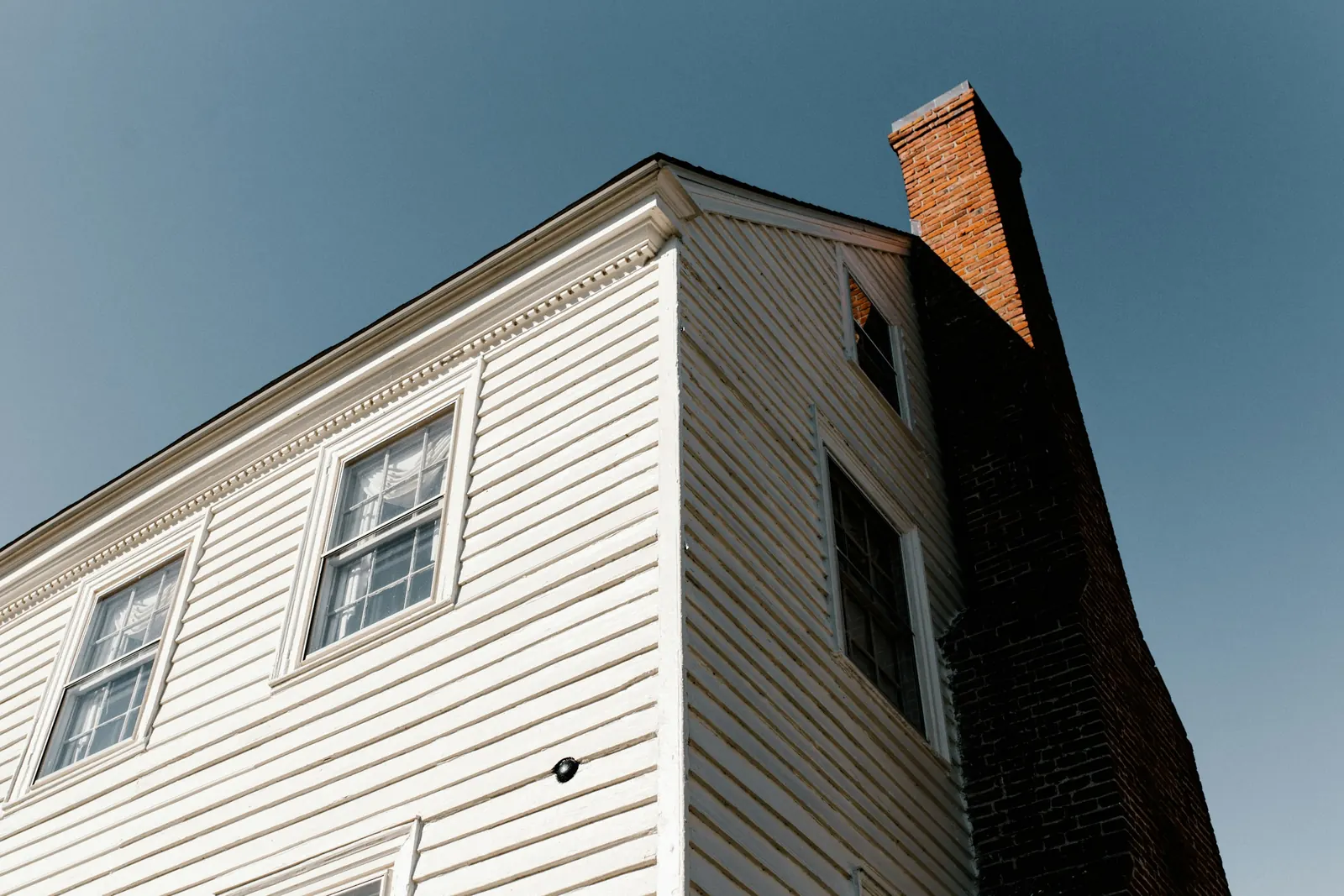 How to Prepare for a Chimney Sweep VisitLet the fireplace or stove go cold for at least a full day, clear the hearth and a path from the door, and move rugs, screens and anything fragile out of the way.
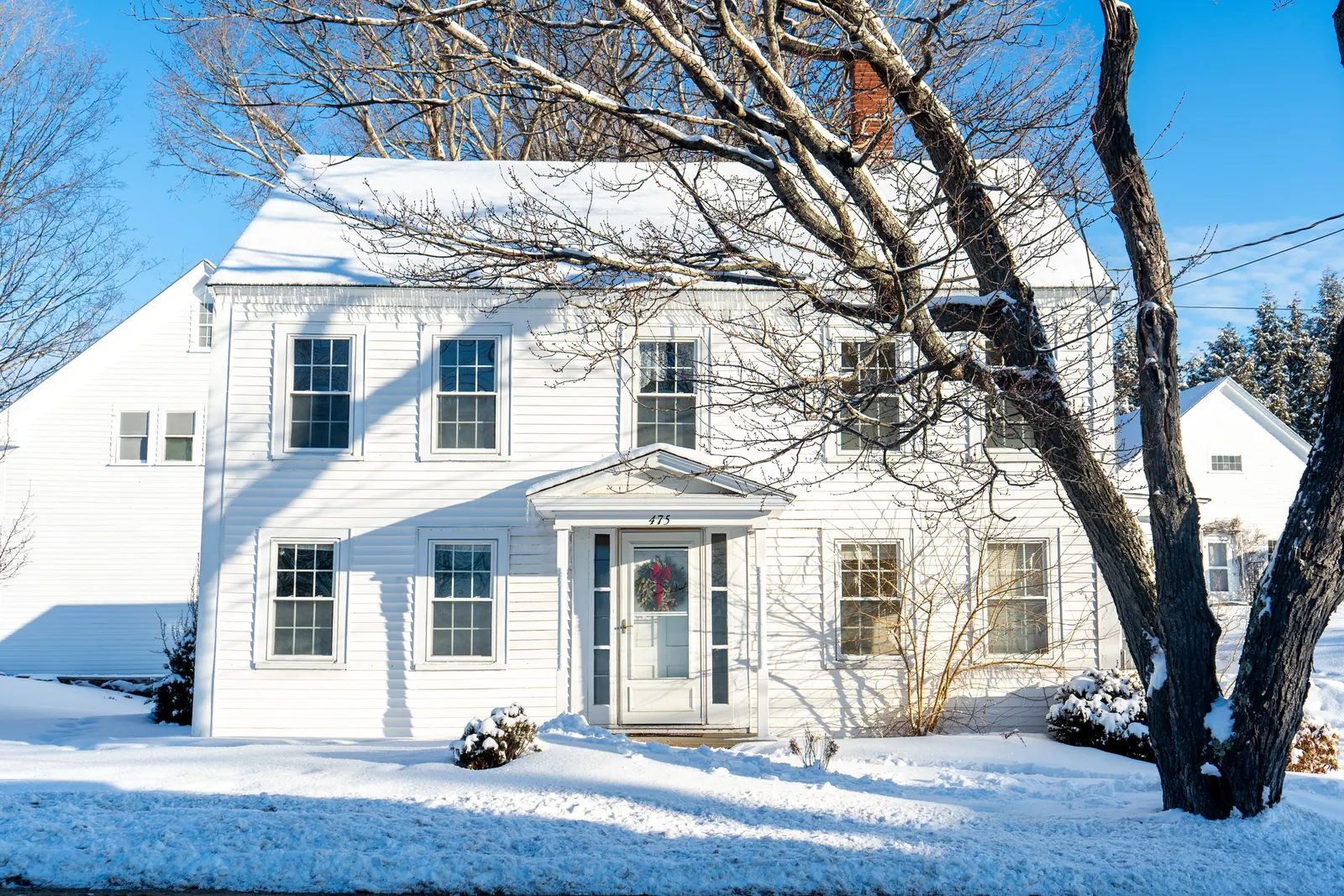 How Much Does a Chimney Sweep Cost?Sweeping is priced by the job, not by a single rate.
Why homeowners call Pro 1
18,000+ Chimney Jobs. One Standard.
15+ years and 18,000+ chimney jobs taught us what homeowners want: a crew that shows up, explains it plainly and leaves the house as clean as they found it.
$500 OFF any chimney service
- Our own local crews
The people at your door work for us and live in the area. We never send subcontractors.
- Licensed and insured
Your home and our crew are covered on every job, from a sweep to a full rebuild.
- Free written estimate
You see what we found and what it takes to fix it, in writing, before any work starts.
- Upfront pricing
The price we write down is the price you pay. No hidden fees and no surprise add-ons.
- Fast response
Open 24 hours Sunday to Friday, with a real person on the phone and same-day visits when we can.
- Clean, careful work
Floors and furniture covered, the roof and yard cleaned up, and a walk-through when we finish.
Chimney Sweeping Near You
- Chimney Sweeping in Brooklyn, NY
- Chimney Sweeping in Queens, NY
- Chimney Sweeping in Manhattan, NY
- Chimney Sweeping in The Bronx, NY
- Chimney Sweeping in Staten Island, NY
- Chimney Sweeping in Nassau County, NY
- Chimney Sweeping in Suffolk County, NY
- Chimney Sweeping in Westchester County, NY
- Chimney Sweeping in Bergen County, NJ
- Chimney Sweeping in Passaic County, NJ
- Chimney Sweeping in Essex County, NJ
- Chimney Sweeping in Hudson County, NJ
- Chimney Sweeping in Union County, NJ
- Chimney Sweeping in Morris County, NJ
- Chimney Sweeping in Somerset County, NJ
- Chimney Sweeping in Middlesex County, NJ
- Chimney Sweeping in Monmouth County, NJ
- Chimney Sweeping in Hunterdon County, NJ
- Chimney Sweeping in Mercer County, NJ
- Chimney Sweeping in Camden County, NJ
- Chimney Sweeping in Burlington County, NJ
- Chimney Sweeping in Gloucester County, NJ
- Chimney Sweeping in Cumberland County, NJ
- Chimney Sweeping in Salem County, NJ
- Chimney Sweeping in Sussex County, NJ
- Chimney Sweeping in Warren County, NJ
- Chimney Sweeping in Ocean County, NJ
- Chimney Sweeping in Atlantic County, NJ
- Chimney Sweeping in Cape May County, NJ
- Chimney Sweeping in Philadelphia, PA
- Chimney Sweeping in Bucks County, PA
- Chimney Sweeping in Montgomery County, PA
- Chimney Sweeping in Delaware County, PA
- Chimney Sweeping in Chester County, PA
- Chimney Sweeping in Lehigh County, PA
- Chimney Sweeping in Northampton County, PA
- Chimney Sweeping in New Castle County, DE

Limited time offer
$500 OFF
Any chimney service. Mention it when you call or book online.
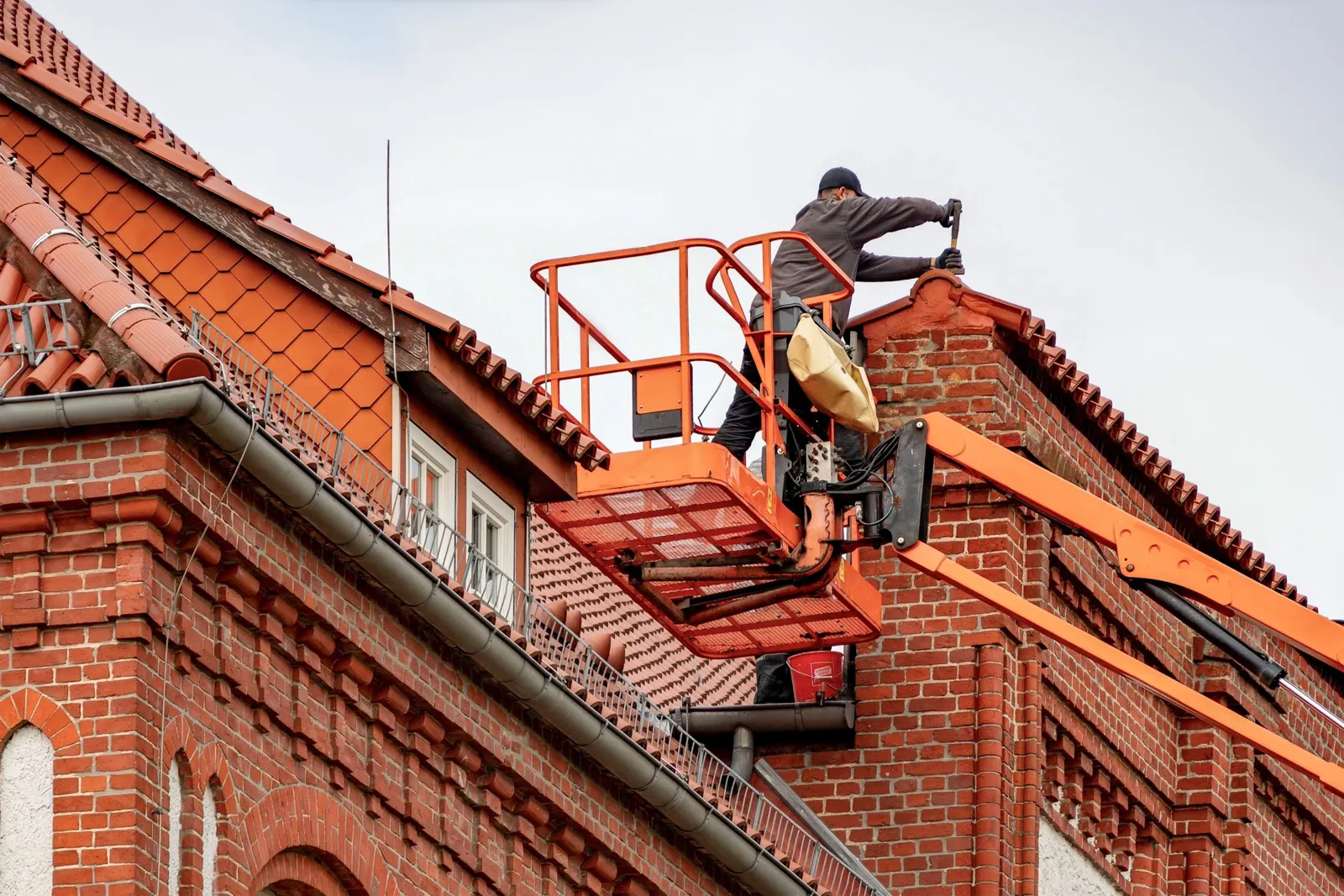
Simple from the first call
How It Works
- Your callCall, text or book online
Tell us what you see or smell. A real person from our team answers and sets a time that suits you.
- The visitFree chimney inspection
Our own crew arrives in a marked Pro 1 van, covers the floor and inspects the chimney from the firebox to the cap, free of charge.
- The estimateFree written estimate
We walk you through what we found, in plain words, and put any repair in writing before work starts.
- The workThe job, done right
We do the work, clean up the roof, the yard and the room, and walk you through the finished job.
Book before the holidays. Fireplaces get their heaviest use from Thanksgiving to New Year. A free inspection now catches nests, creosote and cracked flue tiles before the first big fire and the family gatherings.
Book My Free InspectionGet a Free Estimate
Leave your details and our local team calls you back to set a time.
