
Animals in the Chimney? Local Help in NY, NJ and Philadelphia
An open flue looks like a hollow tree to a bird, a squirrel or a raccoon. Once inside, they bring in nesting material that can block the flue, and they leave droppings and smells behind. Getting the animal out is the first step. Closing the way in is what keeps it from happening again.
About Chimney Animal Removal
To many animals an open chimney looks like a hollow tree: dark, sheltered and out of reach from the ground. Squirrels drop in and nest on the smoke shelf. Raccoons climb in during late winter and spring to raise their young. Birds build nests on the damper or on the walls of the flue. Bats can roost there in warm months. Each of them brings in nesting material, droppings and smells, and some can enter the house through an open damper.
Houses in leafy suburbs and older city neighborhoods alike see this. Trees overhanging the roof give squirrels a bridge. Uncapped flues on rowhouses and attached homes are easy entry points. Chimney swifts, a bird that nests only in chimneys and hollow trees, return each spring to the same flues, and because the species is protected by federal law, an active nest with eggs or young stays in place until the birds leave.
Removing an animal correctly means knowing which animal it is and whether young are present. Some leave on their own once disturbed. Others have to be guided out or removed with a method suited to the species, following local wildlife rules. Only after the chimney is confirmed empty is the flue cleaned and capped, so nothing is trapped inside.
What Our Crew Does
- The chimney checked from the firebox and the roof to identify the animal
- Young or eggs confirmed present or absent before any removal
- The animal guided or removed out of the chimney by a method suited to it
- Nest material, debris and droppings cleared from the damper and flue
- The flue swept and checked for damage
- A cap with intact mesh fitted to close the flue
- Crown, flashing and chase checked for other gaps
When to Call Us
- Scratching, chirping or rustling inside the chimney
- Sticks, leaves or nest material falling into the firebox
- A strong animal smell near the fireplace
- Droppings on the smoke shelf or damper
- No cap, or a cap with torn mesh
How the Job Goes
- See what is there
We look from the firebox and the roof to see what animal it is and whether young are present.
- Get it out humanely
We make sure the animal is out before the top is closed, so nothing is trapped inside.
- Clear and clean
Nest material, debris and droppings come out, and the flue is swept.
- Close the way in
A cap with intact mesh goes on, and we check the damper and flue for damage.
Your Options
For animals that leave daily to feed. A device lets them out but not back in, and the cap goes on after.
For animals stuck in the damper area or flue, removed carefully and released outside where allowed.
For protected birds with active nests. The nest stays until the young leave, then the chimney is cleaned and capped.
What Affects the Cost
- Type of animal and whether young are present
- How much nesting material and droppings fill the flue
- Damage to the damper, flue or cap
- Odor removal after a dead animal
- Cap material and size
- Work at the top of a steep or tall roof
Every job starts with a free written estimate, so you know the price before we start.
When It Cannot Wait
- An animal trapped below the damper that could enter the house
- A strong smell of a dead animal from the fireplace
- A nest blocking a boiler or water heater flue, which can push exhaust into the house
- Scratching or noise in a flue that serves a heating appliance
Make It Last
- Fit a cap with intact mesh on every flue
- Trim tree branches near the roof so animals cannot jump to the chimney
- Keep the damper closed when the fireplace is not in use
- Have gaps around the crown and flashing sealed
Questions About Chimney Animal Removal
Can I light a fire to drive it out?
What about birds nesting in the chimney?
Will it come back?
Is a nest in the boiler flue more serious than one in the fireplace?
Should I close the damper if I hear an animal?
Do you remove dead animals from the chimney?
Guides From Our Crew
 What Should You Do If an Animal Is in Your Chimney?Shut the damper and the fireplace doors first, so whatever is in the flue stays there and not in your living room.
 What to Do About a Raccoon in Your ChimneyDo not smoke it out, light a fire or open the damper to look.
 Squirrel in the Chimney: What to DoA squirrel in the chimney has usually either fallen in and cannot climb the smooth flue, or it is a mother nesting on the smoke shelf.
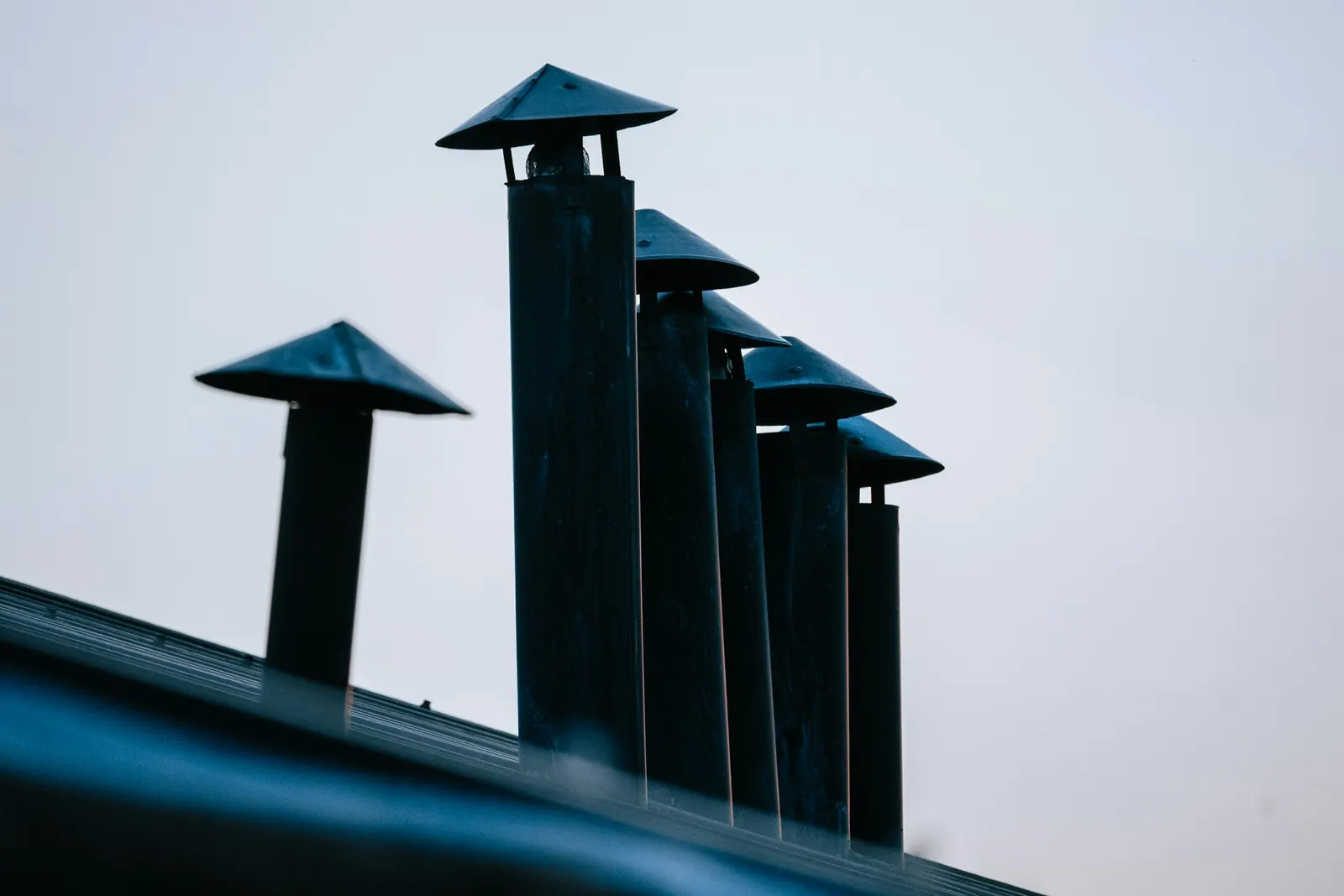 Bats in the Chimney: What to Do and WhenLeave bats in the chimney alone for now: keep the damper and fireplace doors shut, and do not touch a bat with bare hands.
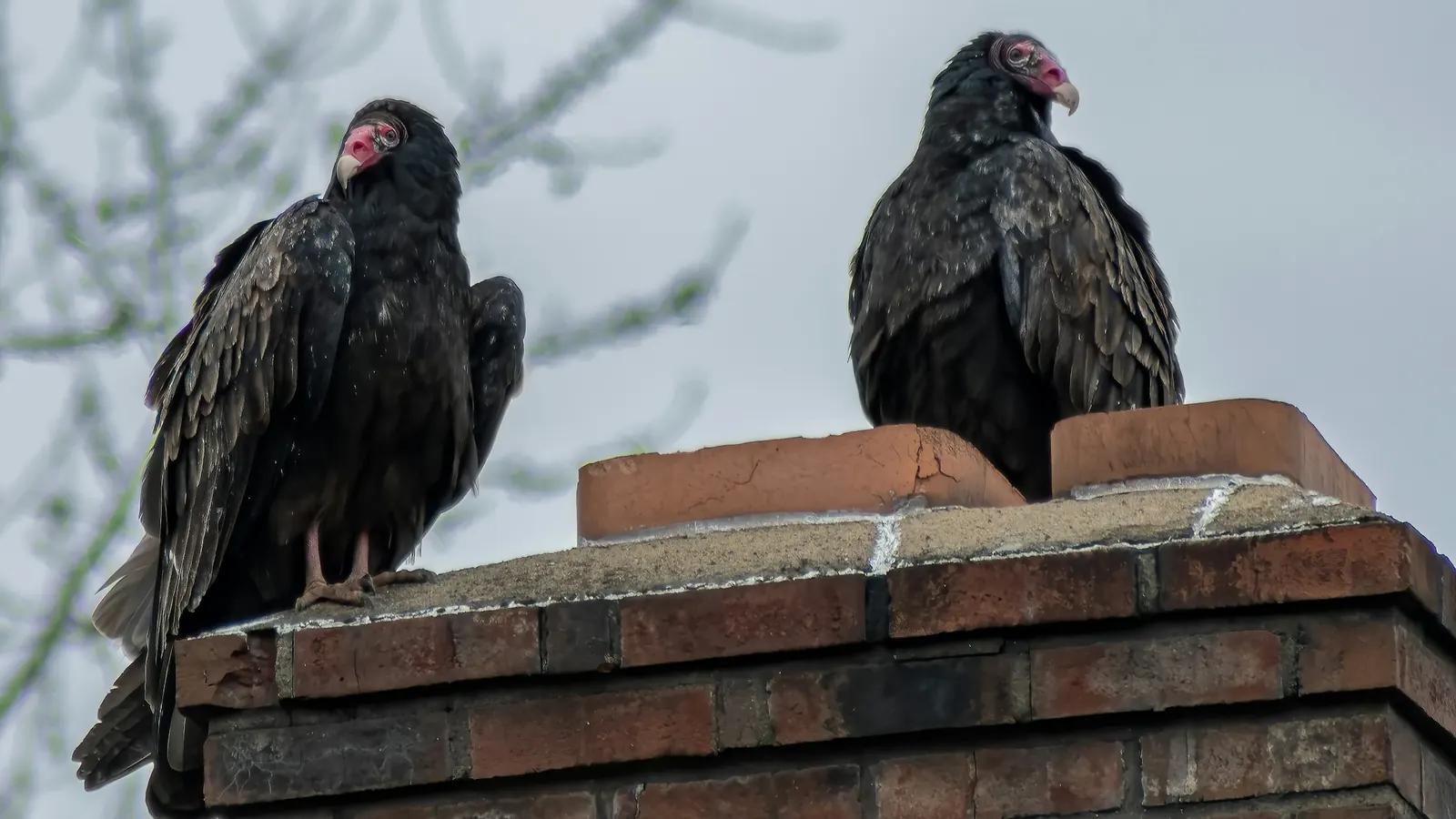 Chimney Swifts in Your Chimney: What to KnowChimney swifts stay for one nesting season, roughly late spring to late summer.
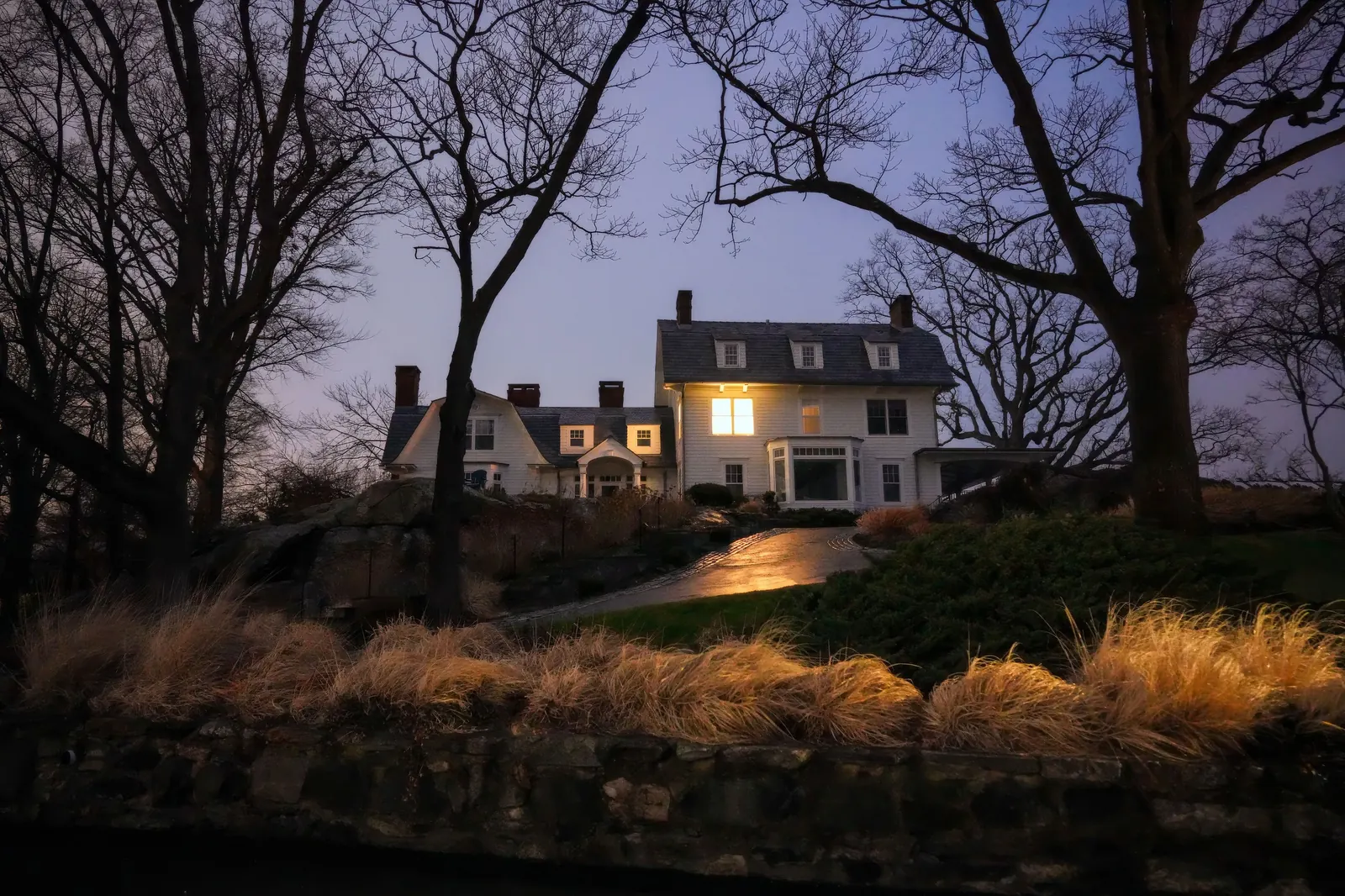 Chimney Smells Like a Dead Animal: What to DoThat sweet, rotten smell usually means an animal died somewhere in the chimney: on the smoke shelf, on top of the damper or at the base of a boiler flue behind the cleanout.
Why homeowners call Pro 1
18,000+ Chimney Jobs. One Standard.
15+ years and 18,000+ chimney jobs taught us what homeowners want: a crew that shows up, explains it plainly and leaves the house as clean as they found it.
$500 OFF any chimney service
- Our own local crews
The people at your door work for us and live in the area. We never send subcontractors.
- Licensed and insured
Your home and our crew are covered on every job, from a sweep to a full rebuild.
- Free written estimate
You see what we found and what it takes to fix it, in writing, before any work starts.
- Upfront pricing
The price we write down is the price you pay. No hidden fees and no surprise add-ons.
- Fast response
Open 24 hours Sunday to Friday, with a real person on the phone and same-day visits when we can.
- Clean, careful work
Floors and furniture covered, the roof and yard cleaned up, and a walk-through when we finish.

Limited time offer
$500 OFF
Any chimney service. Mention it when you call or book online.

Simple from the first call
How It Works
- Your callCall, text or book online
Tell us what you see or smell. A real person from our team answers and sets a time that suits you.
- The visitFree chimney inspection
Our own crew arrives in a marked Pro 1 van, covers the floor and inspects the chimney from the firebox to the cap, free of charge.
- The estimateFree written estimate
We walk you through what we found, in plain words, and put any repair in writing before work starts.
- The workThe job, done right
We do the work, clean up the roof, the yard and the room, and walk you through the finished job.
Book before the holidays. Fireplaces get their heaviest use from Thanksgiving to New Year. A free inspection now catches nests, creosote and cracked flue tiles before the first big fire and the family gatherings.
Book My Free InspectionGet a Free Estimate
Leave your details and our local team calls you back to set a time.
