 Somerset County
Local guide
Chimney Care in Somerset County, NJ: What Homeowners Should Know
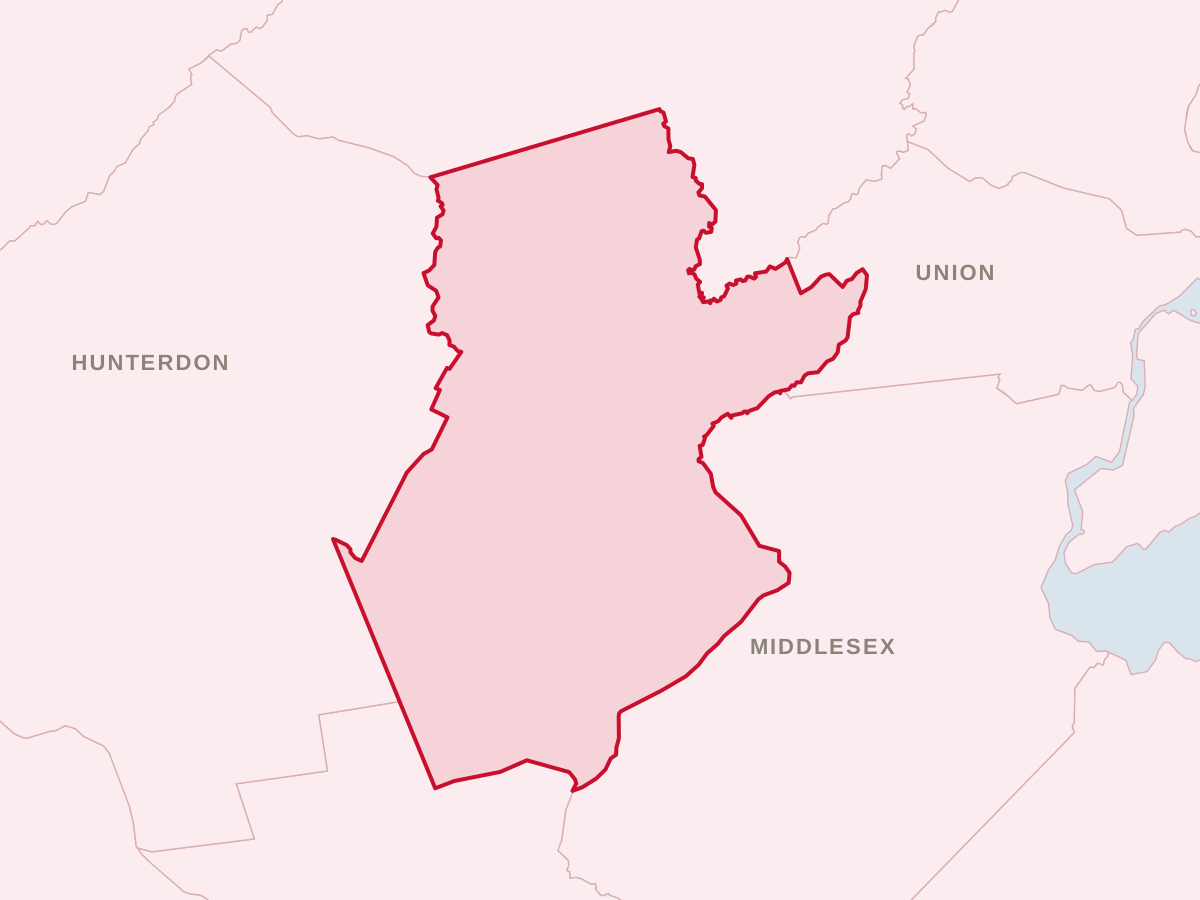
Somerset County runs from the Raritan River flood plain up into the Somerset Hills, with Dutch colonial farmhouses, Victorian streets in Somerville and large suburbs built from the 1960s on. January nights in Somerville average about 18 degrees, so freeze-thaw wears on crowns and brick. Most homes heat with gas. A yearly inspection and a sound cap and crown cover most needs.
Cold nights along the Raritan
In Somerville, the county seat, average January lows sit around 18 degrees Fahrenheit, and the record is 16 below zero, set in January 1984. Monthly precipitation ranges from about 2.8 inches in February to 4.8 inches in July. Most of the county has a hot-summer humid continental climate, with milder conditions only in the low land along the Raritan from Bound Brook downstream.
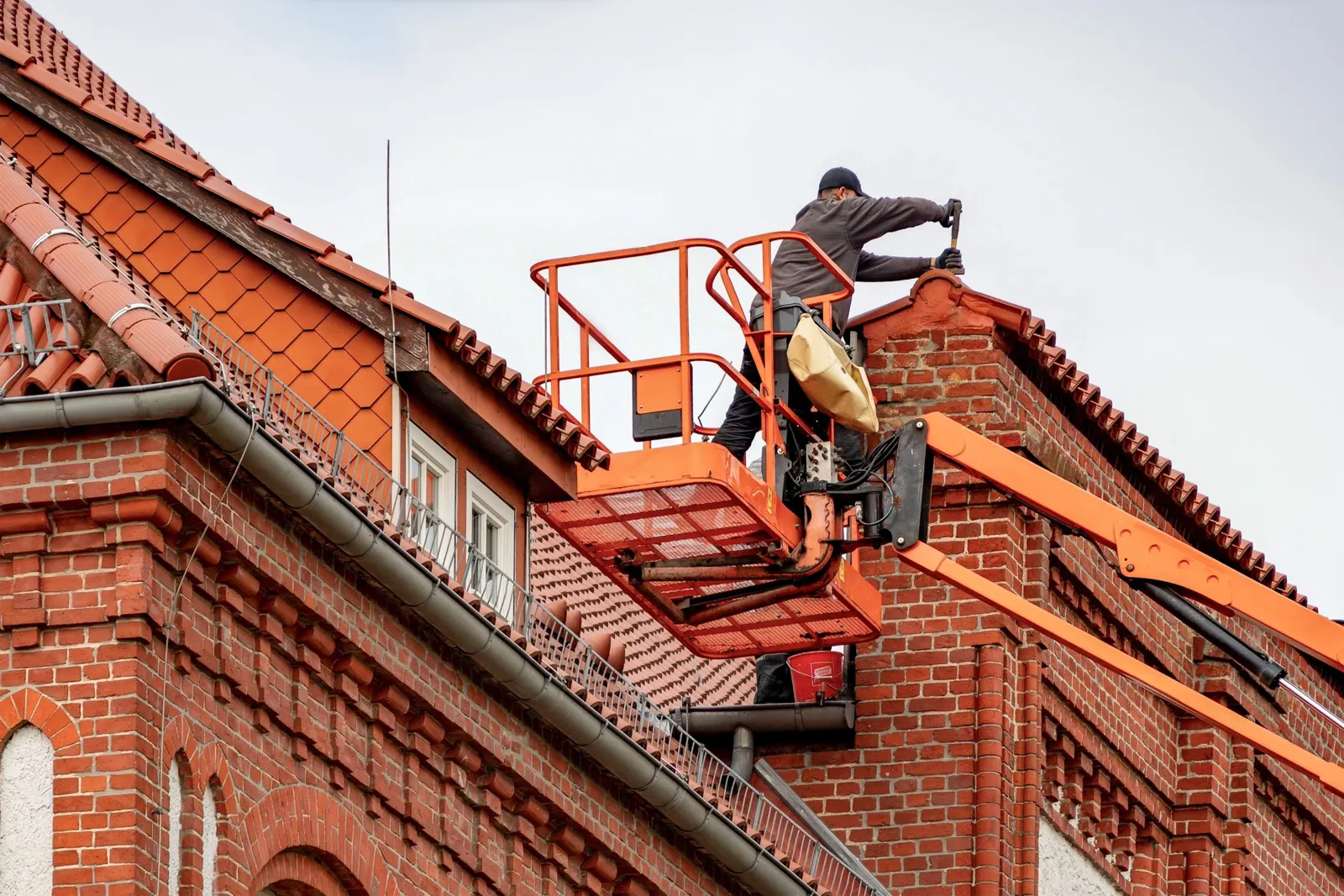
For a masonry chimney, what counts is how often the temperature crosses freezing. Rain and melting snow soak into brick, mortar and the concrete crown, then freeze overnight. Ice takes up more room than the water did, and over several winters it opens cracks, loosens bricks near the top and lets water reach the flue and the roof framing around it.
Water from below matters as well. Downtown Bound Brook sits on the Raritan flood plain, and Main Street has flooded many times, including in 1938, 1955, 1973, 1996 and 2010. Flood control work between 1999 and 2015 removed flood insurance requirements for most of the borough, but houses that took on water in the past can still have damp chimney bases, rusted cleanout doors or damaged basement flue connections.
From Dutch farmhouses to 1960s subdivisions
Somerset's oldest homes are farmhouses from the colonial era. The Van Wickle House beside the Delaware and Raritan Canal in Franklin Township was built by Dutch settlers in 1722, and South Middlebush Road has the Wyckoff-Garretson House from 1730. In Bedminster, parts of the Vanderveer-Knox House date to the 1770s. Houses of that age often have big fireplaces and wide chimneys that have been rebuilt or patched more than once.
Somerville adds a Victorian layer along Main Street and in several neighborhoods, and brick made from the local red clay and shale was one of the borough's early industries. Most of the county is newer, though. Townships that had been purely agricultural turned into suburbs in the 1960s, and Census estimates for 2024 show the 1980s and 1990s as the busiest building decades, at about 17% and 15% of homes. Only about 10% of the housing predates 1940.
Historic villages and who to ask
The county has a long list of National Register districts: Neshanic Station and North Branch in Branchburg, Pluckemin Village and Lamington in Bedminster, Franklin Corners and Liberty Corner in Bernards Township, Blawenburg and Bridgepoint in Montgomery, and Kingston Mill, Middlebush Village, Six Mile Run, Griggstown and East Millstone in Franklin Township. North Plainfield's Washington Park Historic District was listed in 1987.
Work on a landmarked or locally regulated historic property can need approval from the town's historic preservation body, especially when it changes how the chimney looks from the street. Outside those areas, ask your town's building department about permits before a rebuild or a new liner.
Practical care for Somerset homes
Taking the weather and the housing together, these are the checks that come up most:
- Crowns and caps first: the top of the chimney takes the most freeze-thaw, and a cracked crown or missing cap is the usual source of leaks.
- Old farmhouse chimneys often hold several flues and past repairs in mixed materials, so each flue that serves a fireplace or appliance should be checked on its own.
- In homes near the Raritan or the Millstone that have flooded before, look at the base of the chimney, the cleanout and any metal parts in the basement.
- If a fireplace has sat unused for years, have it inspected before the first fire, since nests and debris collect in idle flues.
Gas heat and the masonry flue
Utility gas heats about 78% of occupied homes in the county, according to Census estimates for 2024, with electricity at about 16% and fuel oil under 4%. In many older houses the furnace or boiler and the water heater still vent into a masonry chimney.
Gas burns clean, but its exhaust is full of water vapor. In a cold, oversized flue that vapor condenses on the inside walls and slowly breaks down mortar and clay tiles, so a gas-venting chimney can look fine outside while its liner fails. NFPA 211 calls for chimneys and vents to be inspected at least once a year, and that visit is the time to confirm the liner still suits the appliances using it.