
Your Local Spark Arrestor Installers
Burning embers can ride the draft out of a wood-burning flue and land on the roof, the gutters or dry leaves in the yard. A spark arrestor is the metal mesh screen at the top of the flue that stops them. Many old caps have mesh that has rusted open. The mesh opening matters too: too coarse lets embers out, too fine clogs.
About Spark Arrestor Installation
When wood burns, the draft carries more than smoke. Bits of burning bark, paper and charcoal ride the hot gases up the flue, and some are still glowing when they reach the top. A spark arrestor is the mesh screen around the flue opening that stops embers large enough to land and smolder. It is usually built into the cap, but some caps have only a hood, and older screens rust open or tear over time.
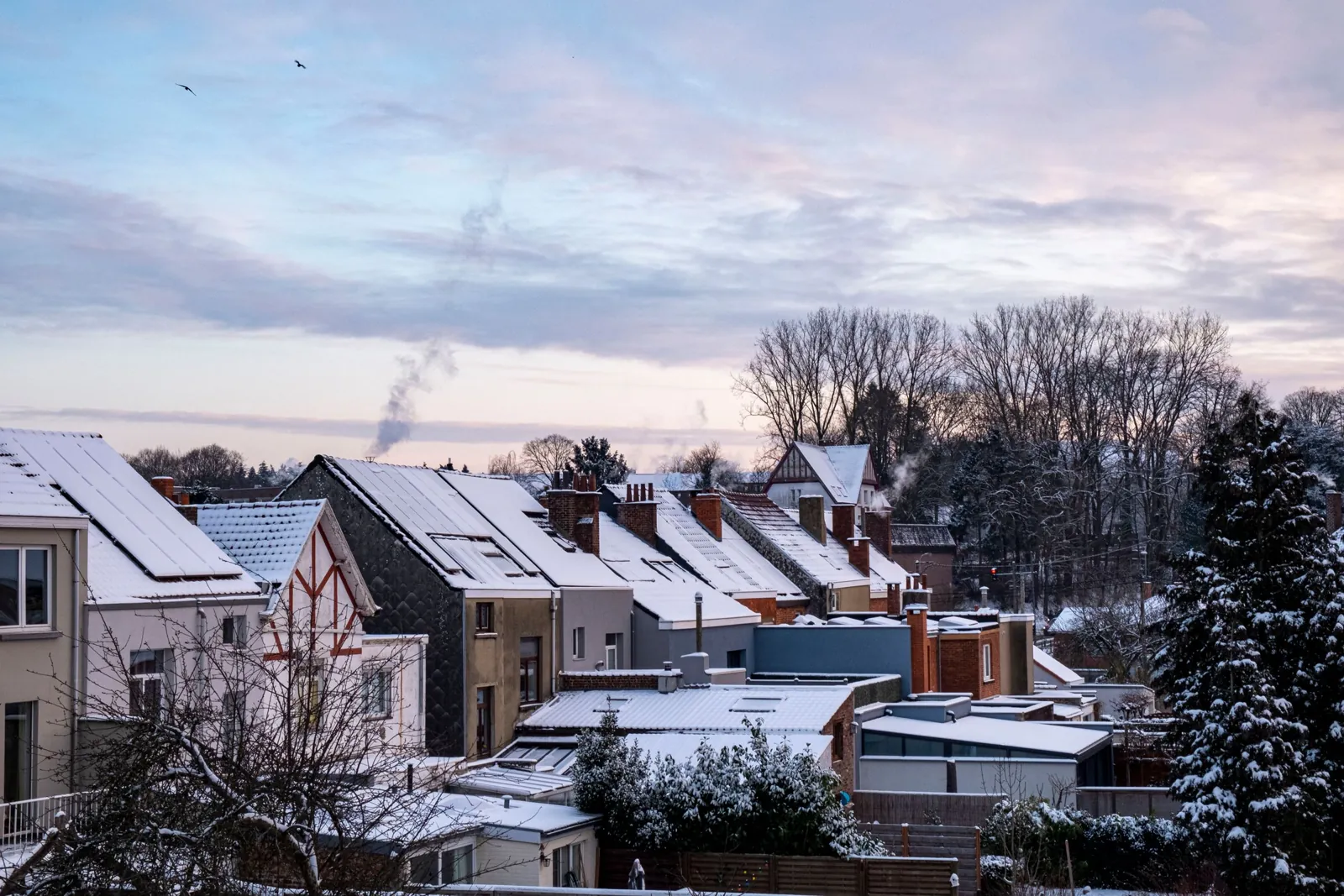
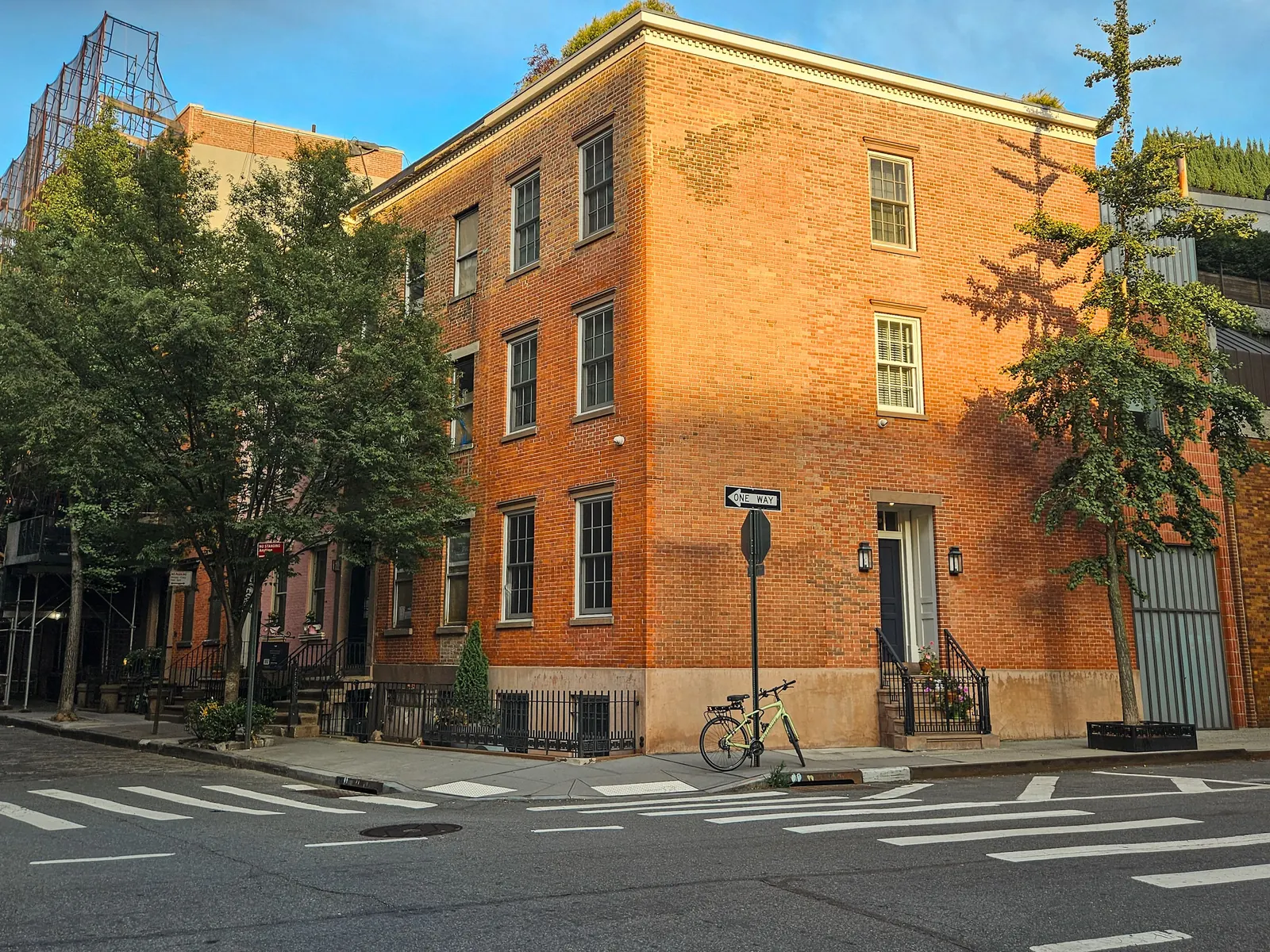
The risk is real on many roofs in the region. Wooded suburbs in New Jersey, Westchester and the Philadelphia area have trees overhanging roofs, gutters full of dry leaves in fall, and wood shake or asphalt roofs that can catch an ember. Flat-roofed rowhouses sit close to neighbors' roofs and rooftop decks. Strong winter winds carry embers farther than they would on a still night.
The mesh has to balance two jobs: openings small enough to stop embers, but large enough not to clog with soot and creosote. Local code and the appliance instructions often set the opening size. Stainless steel mesh resists rust and lasts. The arrestor is fixed to the flue or crown so wind cannot lift it, and it is cleaned at every sweep so soot cannot choke the draft.
What Our Crew Does
- The flue matched to what burns below it: an open fireplace, a stove or an insert
- Existing hood and screen checked for rust holes, tears and soot buildup
- Mesh opening chosen to follow local code and the appliance instructions
- A screened cap fitted, or a mesh band added around a sound hood
- Fasteners set into the flue tile or crown so gusts cannot lift the screen
- Mesh brushed clean and the draft watched with the fire going
When to Call Us
- You have seen glowing embers leave the top of the chimney
- Trees hang over the roof near the chimney
- The mesh on the cap is torn, rusted or missing
- The wood-burning flue has a rain hood but no screen
- The fireplace smokes more as the season goes on
How the Job Goes
- Check the top
We look at the flue, the existing cap and the mesh, and note what burns below: an open fireplace, a stove or an insert.
- Choose the screen
Stainless steel mesh with openings that follow local code and the appliance instructions, on a new cap or fitted to a sound one.
- Fasten it
The arrestor is fixed to the flue tile or crown so wind and animals cannot work it loose.
- Keep it clear
The screen is brushed clean with every sweep, and we tell you the signs that it is starting to clog between visits.
Your Options
Hood and screen made as one unit. The usual choice on a wood-burning flue that needs a new top anyway.
A stainless screen added around a hood that is still sound but was sold without mesh.
One screened cover over every flue on the crown, useful when several wood-burning flues share a chimney.
Coarser mesh resists clogging; finer mesh stops smaller embers. The opening is set by local code and the appliance maker rather than by preference.
What Affects the Cost
- How many wood-burning flues need a screen and their tile sizes
- Whether the existing hood can take a band or the whole cap must be replaced
- Custom fabrication for oversized or oval flues
- Stainless steel or copper construction
- Clearing a screen already packed with creosote before fitting a new one
- Ladder or roof work needed to reach a high or steep top
Every job starts with a free written estimate, so you know the price before we start.
When It Cannot Wait
- Glowing embers drifting out of the chimney top while the fire burns
- Smoke backing into the room as the season goes on, a sign of a choked screen
- Scorch marks or small burn holes on the roofing around the chimney
- Mesh torn open or blown off after a storm, with fires still being lit
Make It Last
- Have the screen brushed at every sweep, since soot collects on the mesh first
- Burn split, seasoned hardwood, which leaves less sticky residue on the screen
- Cut back branches that hang over the chimney or the roof around it
- Clean leaves out of gutters and valleys near the chimney before the burning season
Questions About Spark Arrestor Installation
Is a spark arrestor the same as a chimney cap?
Can a spark arrestor clog?
Does a gas flue need one?
Why do I still see sparks when I have a cap?
What are the signs that the screen is clogging?
Does a wood stove flue need a spark arrestor too?
Guides From Our Crew
 Is It Normal for Sparks to Come Out of a Chimney?A few small sparks when you light paper, cardboard or dry kindling can happen, and they usually burn out within a second or two.
 Does My Chimney Need a Cap?Almost every working flue benefits from a cap.
 Copper vs Stainless Steel Chimney CapsBoth metals make a long-lasting chimney cap, so the choice usually comes down to looks, the fuel in the flue and what sits below the chimney.
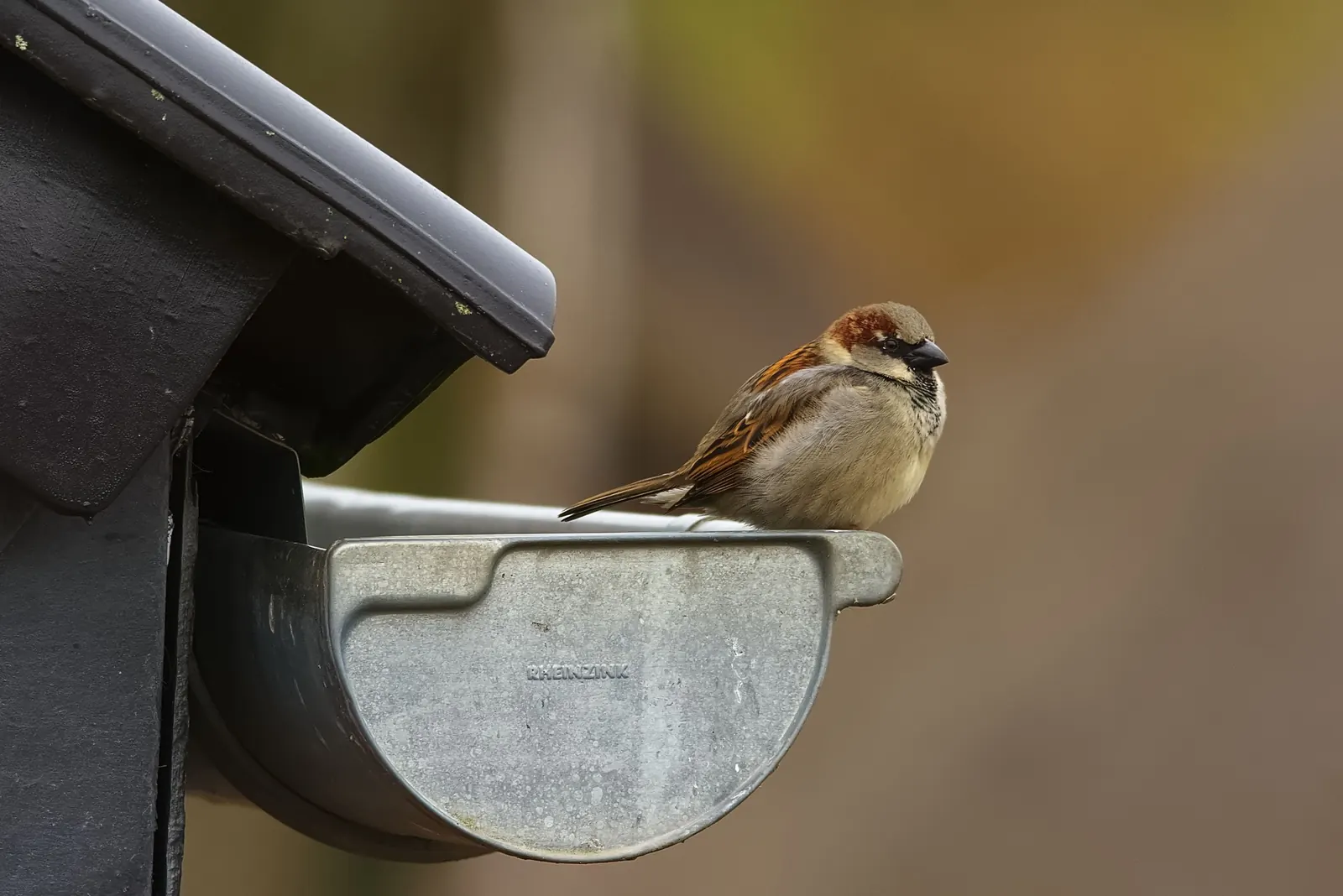 Can a Chimney Cap Cause a Downdraft?A cap can cause downdraft, but only in specific cases: mesh clogged with soot or leaves, a hood set too low over the flue, or a cap too small for the opening.
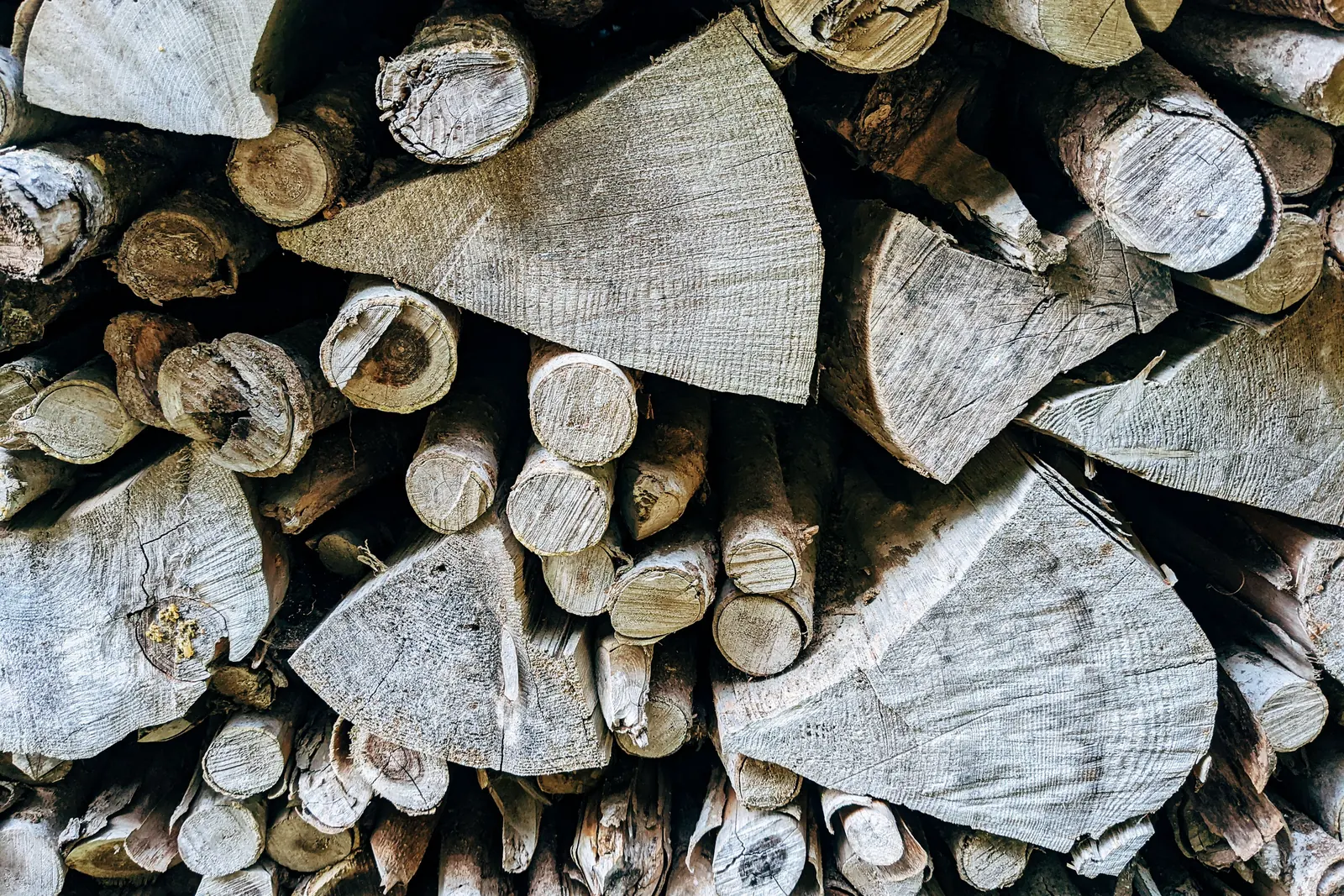 How to Tell If Firewood Is SeasonedSeasoned firewood feels lighter than it looks, has gray, cracked ends and loose bark, and gives a sharp clack when two pieces are knocked together.
Why homeowners call Pro 1
18,000+ Chimney Jobs. One Standard.
15+ years and 18,000+ chimney jobs taught us what homeowners want: a crew that shows up, explains it plainly and leaves the house as clean as they found it.
$500 OFF any chimney service
- Our own local crews
The people at your door work for us and live in the area. We never send subcontractors.
- Licensed and insured
Your home and our crew are covered on every job, from a sweep to a full rebuild.
- Free written estimate
You see what we found and what it takes to fix it, in writing, before any work starts.
- Upfront pricing
The price we write down is the price you pay. No hidden fees and no surprise add-ons.
- Fast response
Open 24 hours Sunday to Friday, with a real person on the phone and same-day visits when we can.
- Clean, careful work
Floors and furniture covered, the roof and yard cleaned up, and a walk-through when we finish.

Limited time offer
$500 OFF
Any chimney service. Mention it when you call or book online.
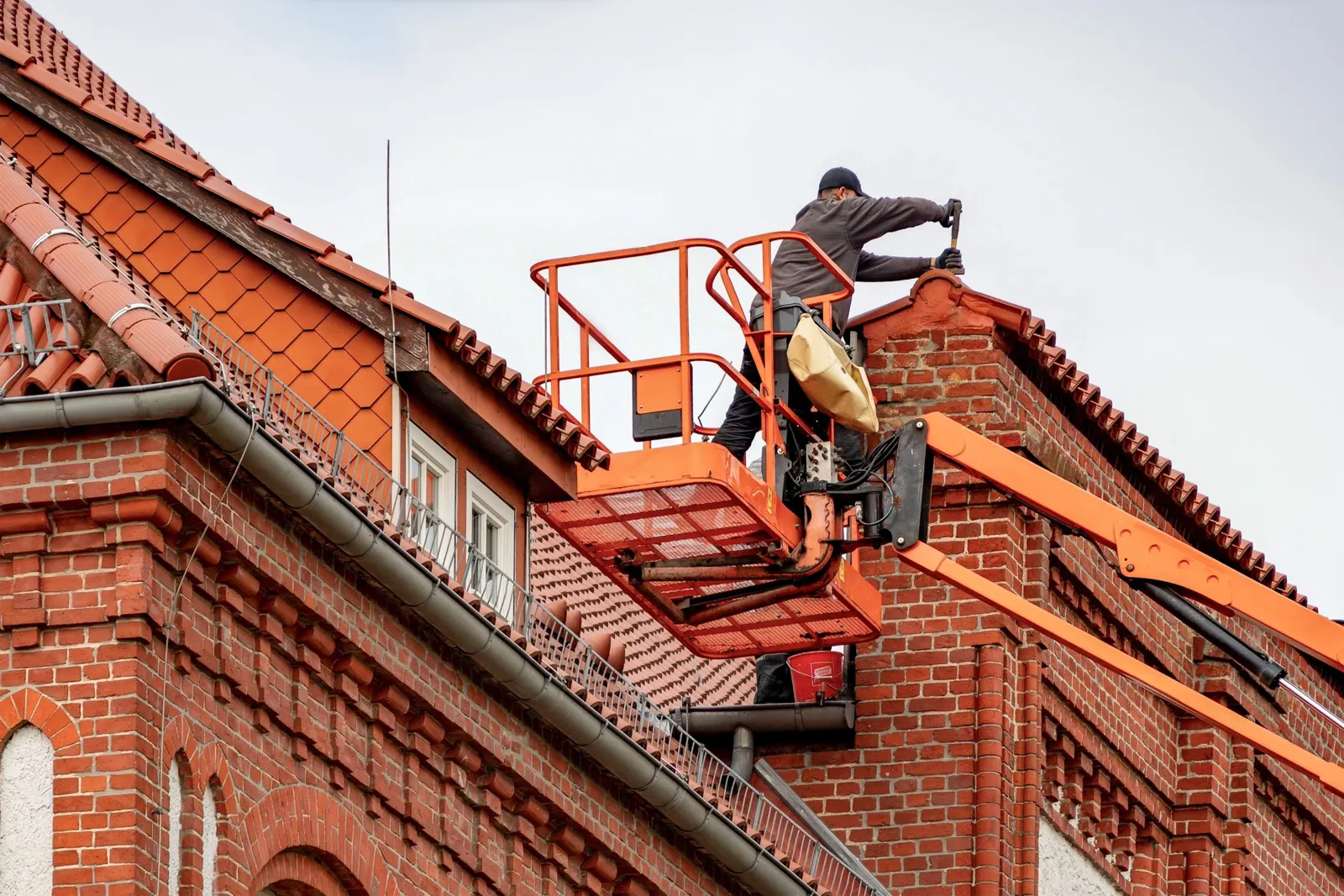
Simple from the first call
How It Works
- Your callCall, text or book online
Tell us what you see or smell. A real person from our team answers and sets a time that suits you.
- The visitFree chimney inspection
Our own crew arrives in a marked Pro 1 van, covers the floor and inspects the chimney from the firebox to the cap, free of charge.
- The estimateFree written estimate
We walk you through what we found, in plain words, and put any repair in writing before work starts.
- The workThe job, done right
We do the work, clean up the roof, the yard and the room, and walk you through the finished job.
Book before the holidays. Fireplaces get their heaviest use from Thanksgiving to New Year. A free inspection now catches nests, creosote and cracked flue tiles before the first big fire and the family gatherings.
Book My Free InspectionGet a Free Estimate
Leave your details and our local team calls you back to set a time.
