

Dryer Vent Cleaning by Your Local Pros
Lint that gets past the screen collects in the duct and at the outside hood. A clogged vent makes the dryer run longer and hotter. We clean the duct from the dryer to the outside and check the hood flap.
About Dryer Vent Cleaning
A clothes dryer pushes hot, damp air loaded with fine lint out through a duct to an exterior hood. The lint screen catches most of the fibers, but not all of them. What gets past it settles wherever the air slows down: at elbows, in sagging sections, behind the dryer where the flexible connector is crushed, and at the outside flap. As the duct narrows, airflow drops, drying takes longer and the dryer runs hotter, and lint is highly flammable.
Housing in the region makes dryer ducts longer and harder to reach than they should be. Rowhouses and attached homes often have the laundry in the basement or a middle floor with the duct running to a back wall or up to a roof. Apartments and converted two-families may have ducts snaking through ceilings. Roof terminations clog faster because lint has to be lifted up and out, and birds like the warm, sheltered hood.
Duct material and layout matter as much as cleaning. Plastic and foil accordion hose sag, trap lint and can melt or burn. Building codes and dryer makers generally call for smooth metal duct, joined without screws poking into the airflow, ending at a hood with a backdraft flap and no screen. A thorough cleaning clears the full run, fixes what is crushed or disconnected, and checks the airflow at the outside hood.
What Our Crew Does
- Dryer pulled out with care and the transition hose disconnected
- Lint cleared from the dryer's own exhaust outlet and the area behind it
- Full duct run brushed and blown out from the inside to the exterior hood
- Elbows and joints checked for crushed sections, gaps and screws in the airflow
- Outside hood cleaned and the flap checked for free movement
- Plastic or foil hose flagged for replacement with metal duct
- Dryer reconnected without kinks and airflow confirmed at the hood
When to Call Us
- Clothes take more than one cycle to dry
- The dryer or laundry room gets hot
- A burning smell when the dryer runs
- Lint around the outside vent
- The outside flap does not open
How the Job Goes
- Disconnect
We move the dryer carefully and disconnect the duct.
- Clean
Brushes and air clear the whole run to the outside hood.
- Check
We check the duct for crushed sections and the hood for a working flap.
- Reconnect
The dryer goes back and we confirm air flow at the hood.
Your Options
Smooth inside and the least likely to trap lint. Used for the concealed run through walls, floors and ceilings.
The short connector between the dryer and the wall. Bends enough to move the dryer while staying smoother than foil hose.
A wall hood is easier to reach and clean. A roof termination is sometimes the only route but tends to clog sooner.
For runs longer than the dryer's instructions allow. Installed inline with a sensor so it runs when the dryer does.
What Affects the Cost
- Length of the duct and how many elbows it has
- A roof termination that has to be reached from above
- Access behind stacked units or in tight laundry closets
- Nests or heavy lint blockages at the hood
- Duct sections that need replacing rather than cleaning
- A new hood if the flap is broken or screened
Every job starts with a free written estimate, so you know the price before we start.
When It Cannot Wait
- A burning or scorched smell while the dryer runs
- The dryer shuts itself off mid-cycle or is too hot to touch on top
- Lint spilling from behind the dryer into the room
- With a gas dryer, a carbon monoxide alarm in or near the laundry area: leave and call 911
Make It Last
- Empty the lint screen before every load, not just when it looks full
- Wash the screen with soap and water now and then if dryer sheets leave a film that blocks air
- Keep the dryer far enough from the wall that the transition hose is not crushed
- Check from outside that the flap opens when the dryer runs
- Keep plantings, snow and stored items clear of the exterior hood
Questions About Dryer Vent Cleaning
How often should a dryer vent be cleaned?
Can I clean it myself?
Do you replace damaged duct?
Can the dryer vent share a duct with the bathroom fan?
Does a gas dryer need more attention than an electric one?
Can a stacked washer and dryer in a closet be cleaned?
Guides From Our Crew
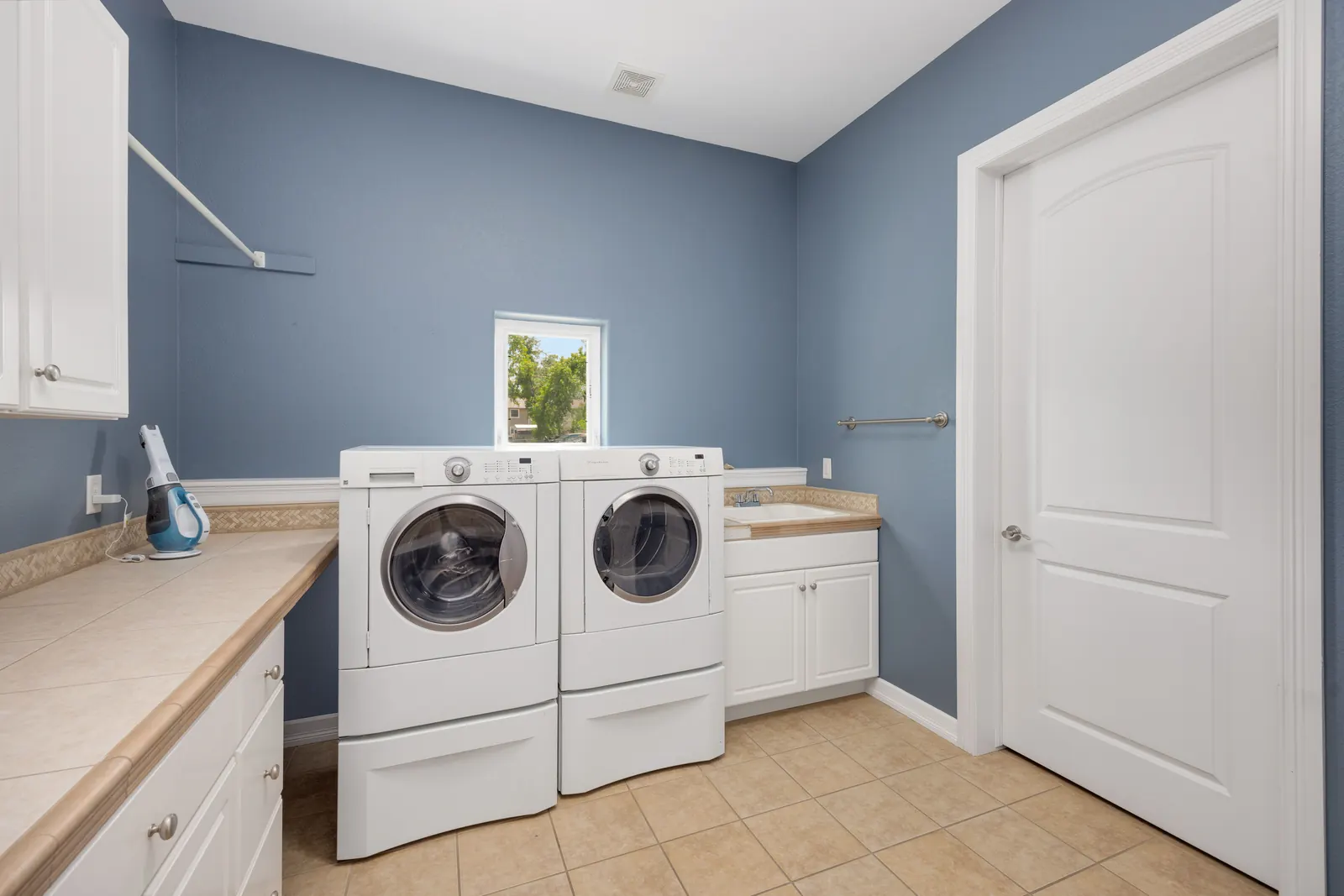 How Often Should a Dryer Vent Be Cleaned?Most households should have the dryer vent cleaned about once a year, and sooner with several loads a day, pets, a long duct or a roof exit.
 Why Is My Dryer Taking Longer to Dry Clothes?A load that suddenly needs two cycles usually means the hot, damp air is not getting out of the house.
 Can a Dryer Vent Catch on Fire?A dryer vent can catch fire, and lint is the fuel.
 Foil Dryer Vent Hose: Is It a Fire Hazard?A thin foil accordion hose raises the fire risk when it is crushed, kinked, overly long or hidden in a wall, because its ridges hold lint and a squashed bend chokes the airflow.
 Why Does a Roof Dryer Vent Keep Clogging?Roof dryer vents clog more than wall vents because lint has to be pushed up a long vertical climb.
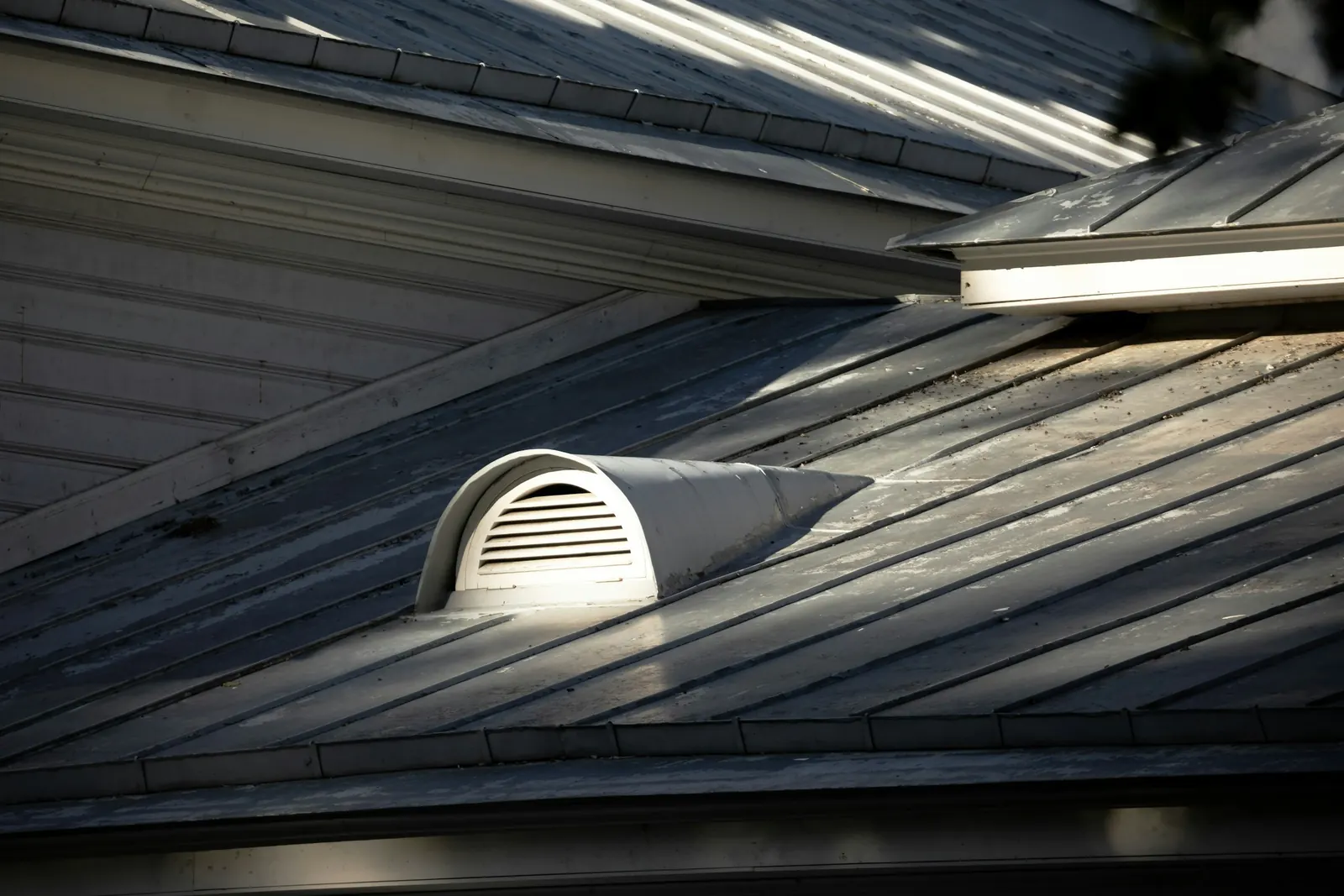 How Long Can a Dryer Vent Be?Your dryer's installation instructions and the local code set the maximum vent length, and every elbow and the exterior hood count against that limit.
Why homeowners call Pro 1
18,000+ Chimney Jobs. One Standard.
15+ years and 18,000+ chimney jobs taught us what homeowners want: a crew that shows up, explains it plainly and leaves the house as clean as they found it.
$500 OFF any chimney service
- Our own local crews
The people at your door work for us and live in the area. We never send subcontractors.
- Licensed and insured
Your home and our crew are covered on every job, from a sweep to a full rebuild.
- Free written estimate
You see what we found and what it takes to fix it, in writing, before any work starts.
- Upfront pricing
The price we write down is the price you pay. No hidden fees and no surprise add-ons.
- Fast response
Open 24 hours Sunday to Friday, with a real person on the phone and same-day visits when we can.
- Clean, careful work
Floors and furniture covered, the roof and yard cleaned up, and a walk-through when we finish.

Limited time offer
$500 OFF
Any chimney service. Mention it when you call or book online.

Simple from the first call
How It Works
- Your callCall, text or book online
Tell us what you see or smell. A real person from our team answers and sets a time that suits you.
- The visitFree chimney inspection
Our own crew arrives in a marked Pro 1 van, covers the floor and inspects the chimney from the firebox to the cap, free of charge.
- The estimateFree written estimate
We walk you through what we found, in plain words, and put any repair in writing before work starts.
- The workThe job, done right
We do the work, clean up the roof, the yard and the room, and walk you through the finished job.
Book before the holidays. Fireplaces get their heaviest use from Thanksgiving to New Year. A free inspection now catches nests, creosote and cracked flue tiles before the first big fire and the family gatherings.
Book My Free InspectionGet a Free Estimate
Leave your details and our local team calls you back to set a time.
