
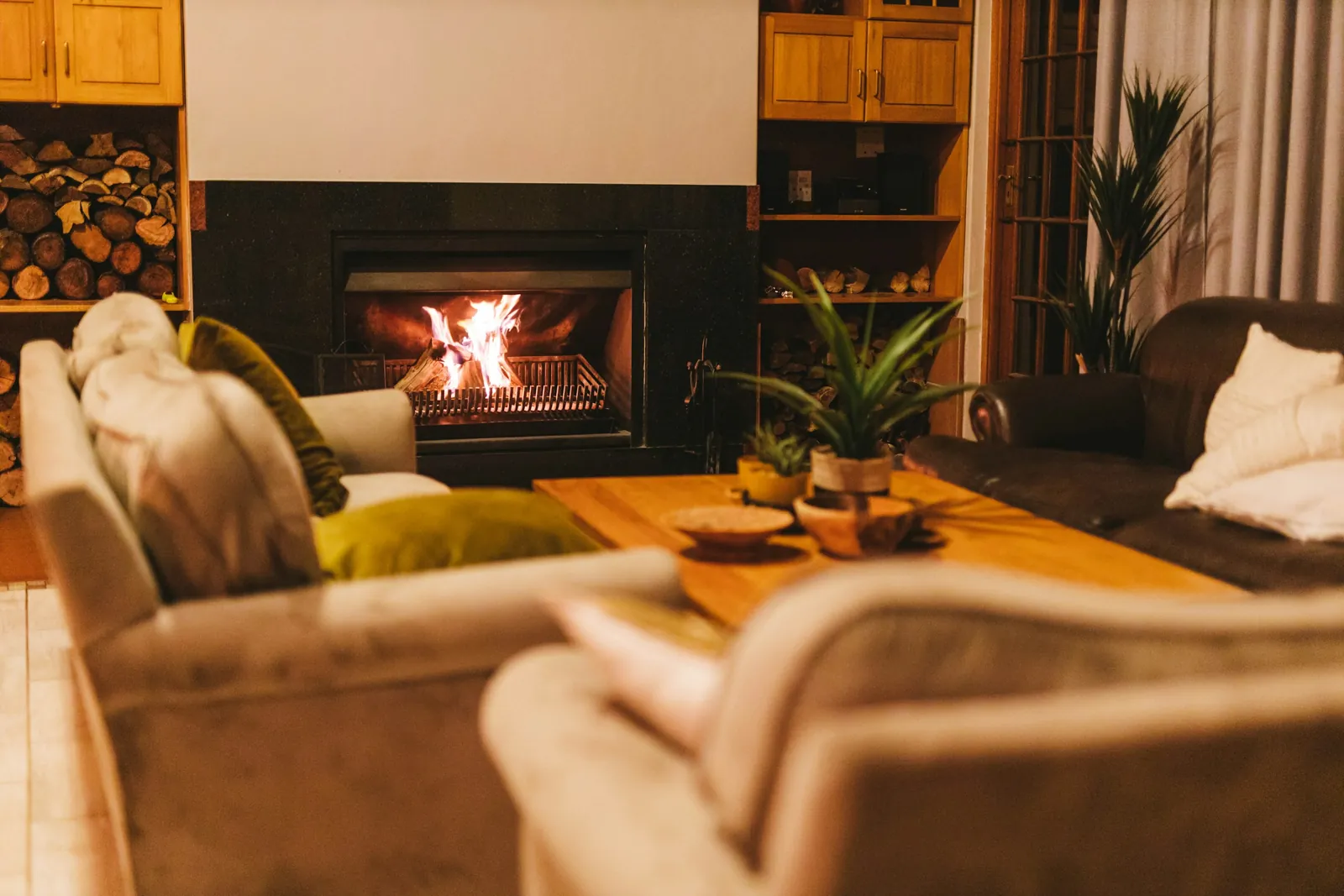
Fireplace Inserts Installed by Your Local Crew
An open masonry fireplace sends much of its heat up the chimney. An insert is a closed firebox that slides into the opening, so more of that heat comes into the room. A good result depends on the fit: the size of the opening, the condition of the firebox and a liner that connects the insert to the top of the chimney.
About Fireplace Insert Installation
A fireplace insert is a closed firebox, wood, gas or pellet, that slides into an existing masonry fireplace. Glass doors and controlled air turn an open fireplace, which sends much of its heat up the chimney, into a heater that warms the room. The insert sits inside the old firebox, and a decorative surround covers the gap around it.
Openings in older houses here vary widely in size and shape. Shallow coal-era openings may not fit a standard insert. Wide midcentury fireplaces can take a large unit but often have flues far too big for it. Factory-built fireplaces usually cannot take an insert at all unless their maker lists one. That variety is why measuring and checking the chimney comes before choosing a unit.
Insert manufacturers commonly require a full-length liner from the outlet to the chimney top, matched to the unit's flue size. The liner keeps exhaust in a flue matched to the insert, helps the draft and makes cleaning practical. The firebox and damper area are checked and repaired before the insert goes in, since they will be hidden afterward. Clearances to the mantel and trim follow the insert's instructions.
What Our Crew Does
- Fireplace opening, depth, hearth and flue measured
- Chimney swept and checked before installation
- Firebox and damper area repaired or cleared as needed
- Liner sized to the insert outlet run to the top of the chimney
- Insert set, leveled and connected to the liner
- Surround panel fitted and the top capped
- Controls and first-use steps explained
When to Call Us
- The fireplace looks nice but barely warms the room
- Cold drafts come down the chimney all winter
- You want to burn wood with the doors closed
- You are switching from wood to gas
- An old insert has no liner behind it
How the Job Goes
- Measure the fireplace
Opening, depth, hearth and flue size, so the insert you choose fits and meets the clearances in its instructions.
- Prepare the chimney
The flue is swept and checked, and any firebox or damper issue is handled before the insert goes in.
- Line and set
A liner sized to the insert outlet runs to the top and connects to the unit, which is then set and leveled.
- Finish and walk through
The surround panel goes on, the top is capped and we go over the controls with you.
Your Options
Burns firewood behind glass doors. Gives real fire and heat but needs regular sweeping and a supply of dry wood.
Burns natural gas or propane with a sealed vent system. Clean and easy to run but needs a gas line to the fireplace.
Burns compressed wood pellets fed automatically. Needs electricity and regular ash cleaning.
What Affects the Cost
- Type and size of the insert
- Liner length, size and insulation
- Firebox or damper repairs before installation
- A gas line run by a licensed gas fitter
- Surround and finishing work
- Permits where the town requires them
Every job starts with a free written estimate, so you know the price before we start.
When It Cannot Wait
- Smoke leaking from around the surround
- An insert installed without a liner
- The carbon monoxide detector sounding with the insert running: get out and call 911
- Cracked glass on the insert door
Make It Last
- Sweep the liner each year for wood inserts
- Burn only dry, seasoned wood in a wood insert
- Have a gas insert serviced by a gas technician as its maker recommends
- Keep the area in front of the insert clear of furniture and decorations
Questions About Fireplace Insert Installation
Does an insert need a liner?
Wood or gas?
Can any fireplace take an insert?
What happens to my old damper?
Does an insert need electricity?
Who connects the gas line for a gas insert?
Guides From Our Crew
 Is a Fireplace Insert Better Than an Open Fireplace?For heating a room, an insert is far more effective than an open fireplace.
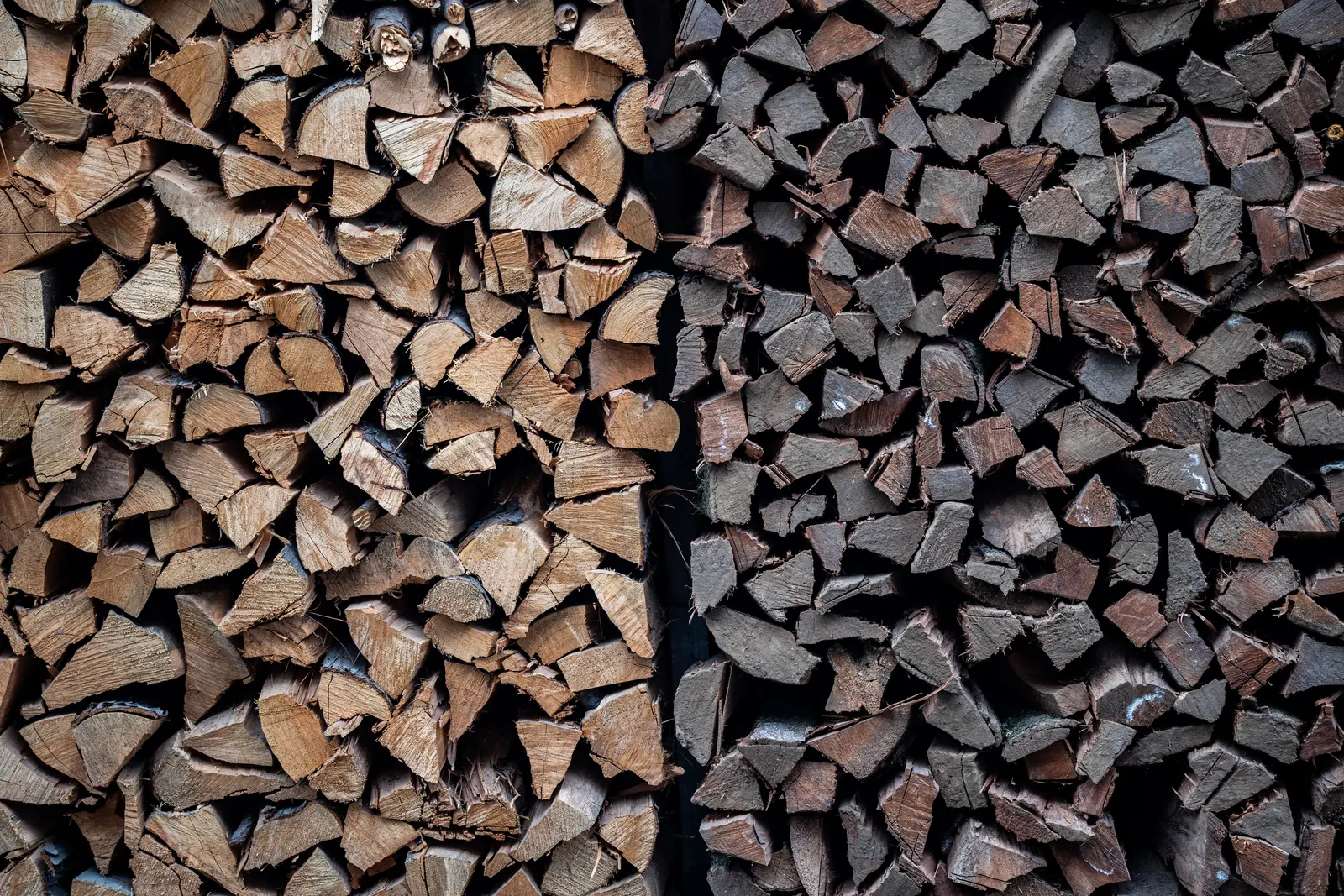 Wood Stove vs Fireplace Insert: How to ChooseA freestanding wood stove usually puts more of its heat into the room, because all of its sides and top are exposed.
 Chimney Liner for a Wood Stove InsertEvery wood stove insert needs a stainless steel liner connected directly to its flue collar and run the full height of the chimney, sized to the insert's outlet.
 Can You Convert a Wood Fireplace to Gas?In most cases a wood-burning masonry fireplace can be converted to gas, provided the chimney is sound and a gas line can reach it.
 Does a Fireplace Actually Heat the House?An open fireplace warms the people sitting in front of it, but it rarely heats a house.
 Flexible vs Rigid Chimney Liner: Which One Fits Your Flue?Choose by the path of the flue first and the appliance second.
Why homeowners call Pro 1
18,000+ Chimney Jobs. One Standard.
15+ years and 18,000+ chimney jobs taught us what homeowners want: a crew that shows up, explains it plainly and leaves the house as clean as they found it.
$500 OFF any chimney service
- Our own local crews
The people at your door work for us and live in the area. We never send subcontractors.
- Licensed and insured
Your home and our crew are covered on every job, from a sweep to a full rebuild.
- Free written estimate
You see what we found and what it takes to fix it, in writing, before any work starts.
- Upfront pricing
The price we write down is the price you pay. No hidden fees and no surprise add-ons.
- Fast response
Open 24 hours Sunday to Friday, with a real person on the phone and same-day visits when we can.
- Clean, careful work
Floors and furniture covered, the roof and yard cleaned up, and a walk-through when we finish.

Limited time offer
$500 OFF
Any chimney service. Mention it when you call or book online.

Simple from the first call
How It Works
- Your callCall, text or book online
Tell us what you see or smell. A real person from our team answers and sets a time that suits you.
- The visitFree chimney inspection
Our own crew arrives in a marked Pro 1 van, covers the floor and inspects the chimney from the firebox to the cap, free of charge.
- The estimateFree written estimate
We walk you through what we found, in plain words, and put any repair in writing before work starts.
- The workThe job, done right
We do the work, clean up the roof, the yard and the room, and walk you through the finished job.
Book before the holidays. Fireplaces get their heaviest use from Thanksgiving to New Year. A free inspection now catches nests, creosote and cracked flue tiles before the first big fire and the family gatherings.
Book My Free InspectionGet a Free Estimate
Leave your details and our local team calls you back to set a time.
