
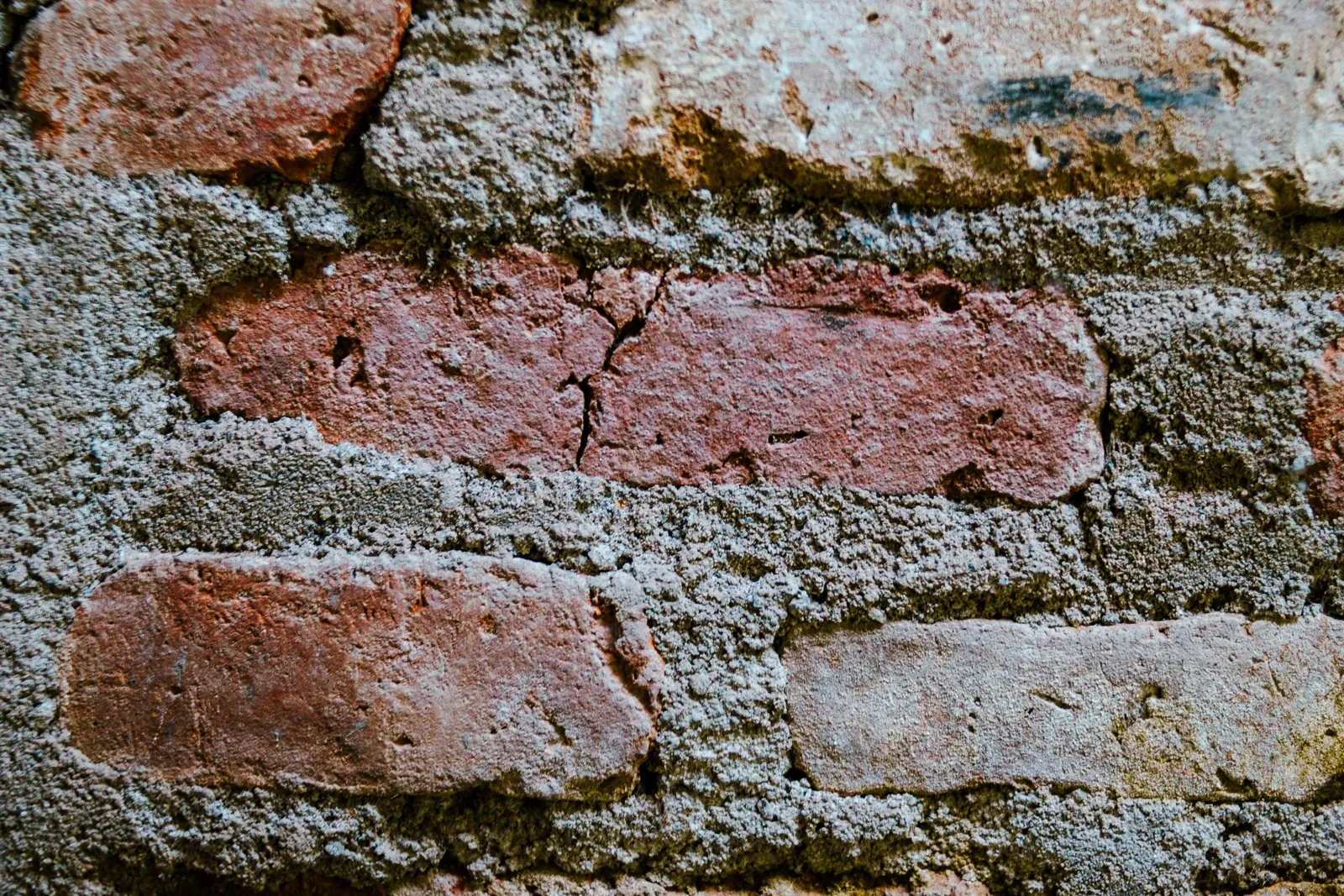
Chimney Masonry & Tuckpointing
Mortar wears out before brick does. When the joints go soft, water soaks in and the bricks start to loosen. Tuckpointing grinds out the failed mortar and fills the joints with fresh mortar, which keeps the chimney tight for years.
About Masonry & Tuckpointing
Mortar is meant to be the weaker partner in a brick wall. It is softer and more porous than the brick, so moisture moves out through the joints and stress cracks the joints instead of the bricks. Joints wear back over time, and that is by design: they can be renewed while the brick stays. Repointing means cutting the old mortar out to a sound depth and packing fresh mortar back in layers.
Many chimneys in prewar housing here were laid in lime-rich mortar that is softer than modern mixes. Later repairs often used hard cement-heavy mortar instead. That mismatch is behind a lot of damage: a hard joint does not give, so the next crack runs through the old soft brick, and water that cannot leave through the joint leaves through the brick face, which then spalls off in the next freeze.
Careful repointing shows in the details. Old mortar is removed to a depth of roughly twice the joint width, without widening the joints or chipping brick edges. The new mix is chosen for the brick it sits against, not just pulled from a bag. Joints are filled in lifts, allowed to firm up between layers, then tooled to the same profile as the old work. The color is matched to the cured mortar, which dries lighter than it looks wet.
What Our Crew Does
- Joints checked side by side to map which ones have failed
- Old mortar sampled by eye and feel to judge how soft it is
- Failed joints cut out to a sound, even depth without chipping the brick edges
- Dust blown out and the joints dampened so the fresh mortar bonds
- New mortar packed in layers, each allowed to firm up before the next
- Joints tooled to the profile already on the chimney
- Mortar smears brushed off the brick faces once set
- Cracked or spalled bricks flagged for replacement while the joints are open
When to Call Us
- Sandy or recessed mortar joints
- Gaps you can see daylight through
- Loose bricks near the top
- Water stains inside near the chimney
- Plants or moss growing in the joints
How the Job Goes
- Grind out
Failed mortar is removed to a sound depth without harming the brick.
- Repoint
Fresh mortar is packed in and tooled to match the existing joints.
- Replace bricks
Spalled or broken bricks are cut out and replaced.
- Clean up
Mortar dust and debris are cleaned off the roof and the yard.
Your Options
Soft and breathable, suited to older, softer brick. It cures more slowly and needs protection from rain and frost while it sets.
A medium-strength mix that suits most twentieth-century chimney brick. It balances durability with enough give for the brick.
Used for crowns, below-grade work or hard modern brick. On old soft brick it is usually the wrong choice.
Only the failed joints, or every joint on the exposed faces. A full repoint gives an even look and resets the whole stack at once.
What Affects the Cost
- How many joints have failed and how deep the damage goes
- Staging, since a low chimney on a flat roof is far easier to reach than a tall one on a steep slope
- Hard cement mortar from earlier repairs that is slow to remove
- Color and texture matching on older or historic houses
- Bricks that need replacing once the joints are opened
- Weather protection while the fresh mortar cures
Every job starts with a free written estimate, so you know the price before we start.
When It Cannot Wait
- Mortar washing out into the gutters or onto the roof after rain
- Bricks near the top that move when pushed
- Daylight visible through joints from inside the attic
- Stains spreading on interior walls next to the chimney
Make It Last
- Keep the crown and caps in good repair so water does not soak the joints from the top
- Clear moss, ivy and seedlings from the joints before roots widen them
- Fix gutters that overflow onto the chimney
- Let the new mortar cure fully before any water repellent goes on
Questions About Masonry & Tuckpointing
What is tuckpointing?
Will the new mortar match?
How long does repointing last?
Can repointing be done in cold weather?
Why does the new mortar look a different color at first?
How do I know if my chimney has soft or hard mortar?
Guides From Our Crew
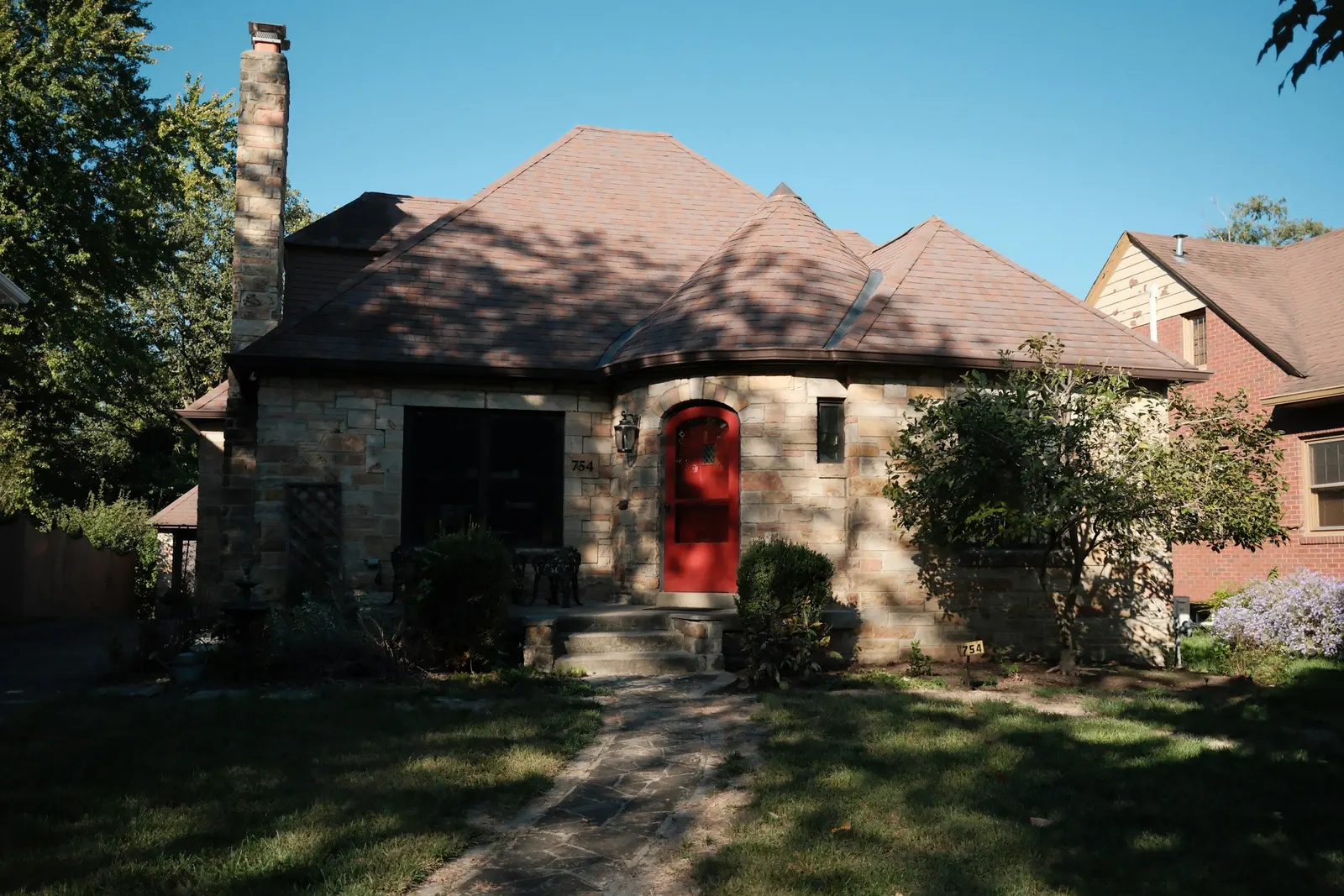 Does My Chimney Need Repointing?Soft, sandy mortar is the clearest sign.
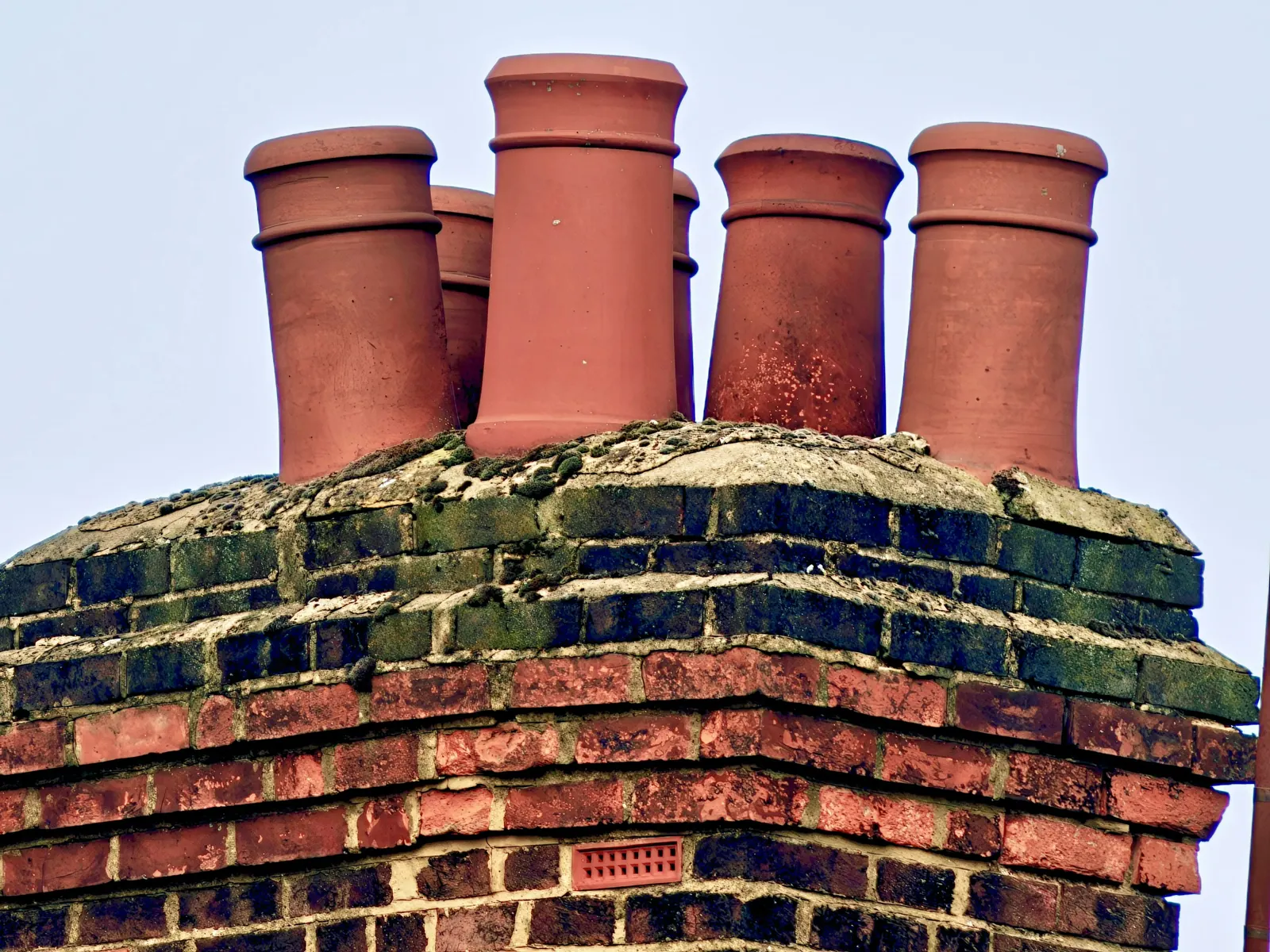 Tuckpointing vs Repointing: What Is the Difference?Repointing is the repair: worn mortar is ground or raked out of the joints and fresh mortar is packed in.
 What Kind of Mortar Is Used on a Chimney?Above the roof, brick chimneys are usually repointed with a Type N or Type S masonry mortar, picked so it is softer than the brick around it.
 How Much Does Brick Repointing Cost?Three things set the price of repointing: how much mortar has to come out, how hard the wall is to reach, and how many bricks need replacing along the way.
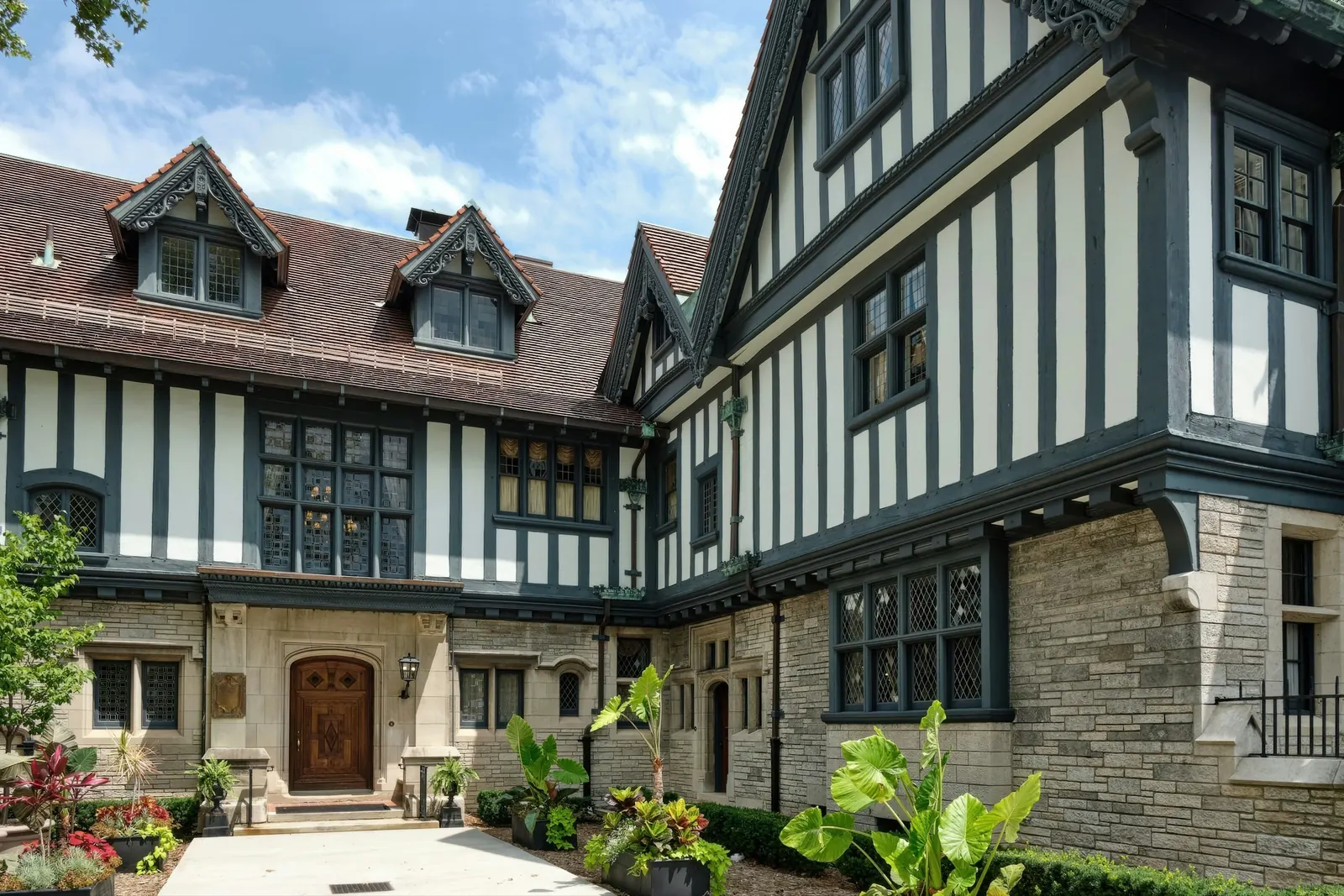 Repairing a Chimney on a Historic or Landmarked HomeHistoric chimney repair keeps as much original masonry as possible and matches whatever has to be replaced: brick size and color, a mortar softer than the old brick, joint width and profile, and the shape of the top.
 What Is the White Residue on My Brick Chimney?That white, chalky powder is efflorescence.
Why homeowners call Pro 1
18,000+ Chimney Jobs. One Standard.
15+ years and 18,000+ chimney jobs taught us what homeowners want: a crew that shows up, explains it plainly and leaves the house as clean as they found it.
$500 OFF any chimney service
- Our own local crews
The people at your door work for us and live in the area. We never send subcontractors.
- Licensed and insured
Your home and our crew are covered on every job, from a sweep to a full rebuild.
- Free written estimate
You see what we found and what it takes to fix it, in writing, before any work starts.
- Upfront pricing
The price we write down is the price you pay. No hidden fees and no surprise add-ons.
- Fast response
Open 24 hours Sunday to Friday, with a real person on the phone and same-day visits when we can.
- Clean, careful work
Floors and furniture covered, the roof and yard cleaned up, and a walk-through when we finish.
Masonry & Tuckpointing Near You
- Masonry & Tuckpointing in Brooklyn, NY
- Masonry & Tuckpointing in Queens, NY
- Masonry & Tuckpointing in Manhattan, NY
- Masonry & Tuckpointing in The Bronx, NY
- Masonry & Tuckpointing in Staten Island, NY
- Masonry & Tuckpointing in Nassau County, NY
- Masonry & Tuckpointing in Suffolk County, NY
- Masonry & Tuckpointing in Westchester County, NY
- Masonry & Tuckpointing in Bergen County, NJ
- Masonry & Tuckpointing in Passaic County, NJ
- Masonry & Tuckpointing in Essex County, NJ
- Masonry & Tuckpointing in Hudson County, NJ
- Masonry & Tuckpointing in Union County, NJ
- Masonry & Tuckpointing in Morris County, NJ
- Masonry & Tuckpointing in Somerset County, NJ
- Masonry & Tuckpointing in Middlesex County, NJ
- Masonry & Tuckpointing in Monmouth County, NJ
- Masonry & Tuckpointing in Hunterdon County, NJ
- Masonry & Tuckpointing in Mercer County, NJ
- Masonry & Tuckpointing in Camden County, NJ
- Masonry & Tuckpointing in Burlington County, NJ
- Masonry & Tuckpointing in Gloucester County, NJ
- Masonry & Tuckpointing in Cumberland County, NJ
- Masonry & Tuckpointing in Salem County, NJ
- Masonry & Tuckpointing in Sussex County, NJ
- Masonry & Tuckpointing in Warren County, NJ
- Masonry & Tuckpointing in Ocean County, NJ
- Masonry & Tuckpointing in Atlantic County, NJ
- Masonry & Tuckpointing in Cape May County, NJ
- Masonry & Tuckpointing in Philadelphia, PA
- Masonry & Tuckpointing in Bucks County, PA
- Masonry & Tuckpointing in Montgomery County, PA
- Masonry & Tuckpointing in Delaware County, PA
- Masonry & Tuckpointing in Chester County, PA
- Masonry & Tuckpointing in Lehigh County, PA
- Masonry & Tuckpointing in Northampton County, PA
- Masonry & Tuckpointing in New Castle County, DE

Limited time offer
$500 OFF
Any chimney service. Mention it when you call or book online.

Simple from the first call
How It Works
- Your callCall, text or book online
Tell us what you see or smell. A real person from our team answers and sets a time that suits you.
- The visitFree chimney inspection
Our own crew arrives in a marked Pro 1 van, covers the floor and inspects the chimney from the firebox to the cap, free of charge.
- The estimateFree written estimate
We walk you through what we found, in plain words, and put any repair in writing before work starts.
- The workThe job, done right
We do the work, clean up the roof, the yard and the room, and walk you through the finished job.
Book before the holidays. Fireplaces get their heaviest use from Thanksgiving to New Year. A free inspection now catches nests, creosote and cracked flue tiles before the first big fire and the family gatherings.
Book My Free InspectionGet a Free Estimate
Leave your details and our local team calls you back to set a time.
