
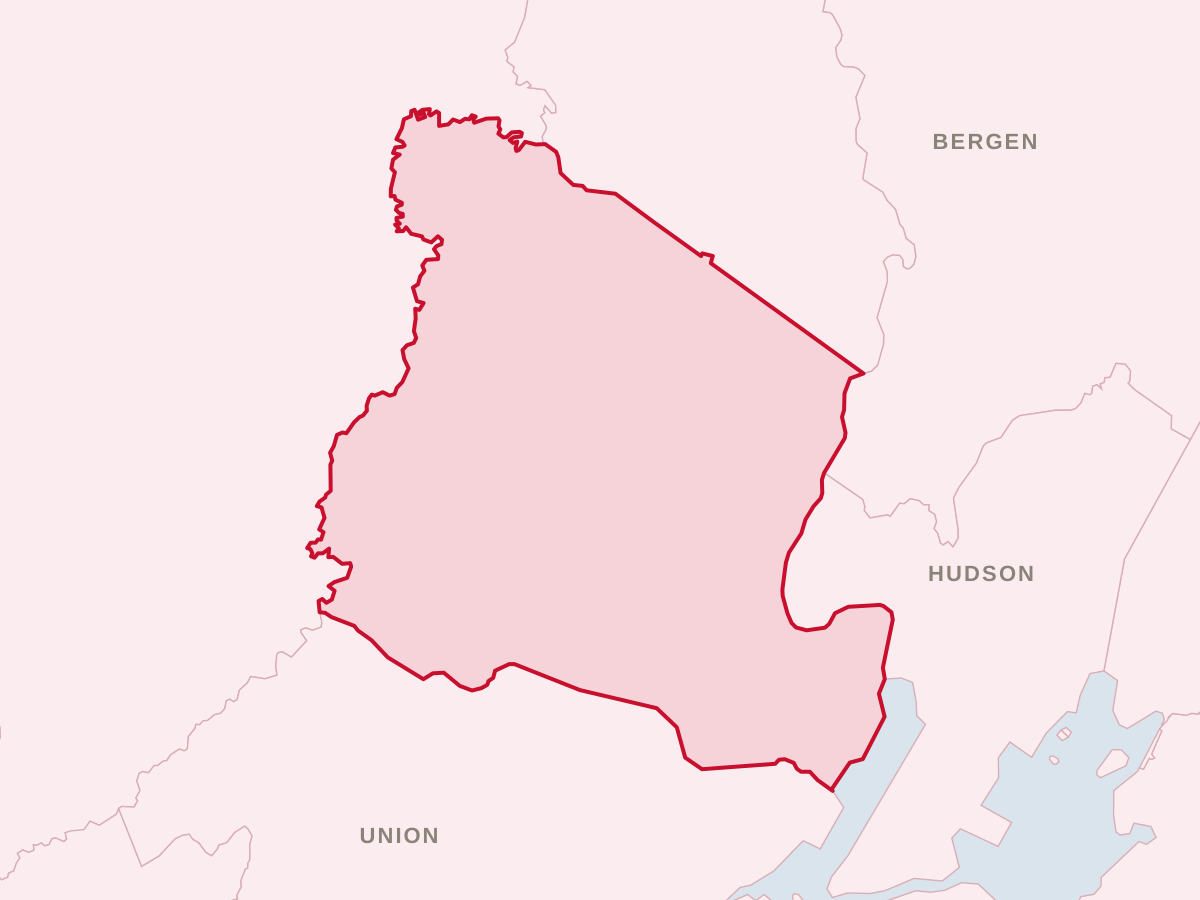

Map of Essex County, NJ, an area served by Pro 1 Chimney
Essex County

Your Local Essex County Chimney Team

Pro 1 Chimney serves homes across Essex County, NJ. Call or book online and our team sets a time that works for you.

Call (844) 468-2410 or email info@pro1chimney.com.

Local guide

Chimney Care in Essex County, NJ: What Local Homeowners Should Know

Short answer

Essex County has some of the oldest suburban housing in New Jersey: more than half the homes in Montclair and Maplewood predate 1940. Many of those chimneys serve gas boilers, with a share still on oil. Watchung ridge winters bring freeze-thaw wear. Inspect every year, reline when heating changes, and check local historic rules first.

Old suburbs on the Watchung slopes

About 30% of housing units in Essex County date from 1939 or earlier, according to recent Census estimates, and some towns go much further. Montclair, on the slopes of the Watchung Mountains, has about 59% of its housing from before 1940, six historic districts and 92 individually listed landmarks. Maplewood is at about 55% and South Orange about 44%, where most homes are wood-frame houses ranging from brick English cottages and Tudors to Victorians, Colonials and big Mansard-roofed houses.

West Orange includes Llewellyn Park, a Victorian enclave on First Mountain and one of the first planned residential communities in America. Newark's Forest Hill Historic District holds older mansions and colonial homes. Postwar growth shaped Livingston, while Millburn grew from a farm settlement into a Victorian residential community that includes Short Hills.

The older cities and inner suburbs add more. Bloomfield has about 38% of its housing from before 1940, Belleville about 32% and Nutley about 31%; Nutley's first major industry was quarrying brownstone, beginning by the early 1700s. East Orange's Greenwood section has large homes on streets lined with old shade trees, and in West Orange's Hutton Park and Gregory neighborhoods, Victorian, Jazz Age and Tudor houses mix with large estates and postwar homes.

What older Essex chimneys need

A chimney on a 1920s house has lived through a hundred winters and several generations of heating equipment. Mortar softens, clay liners crack, and a fireplace built for regular use may have sat cold for decades. In a wood-frame house, the clearance between the chimney and the framing around it matters too.

The basics follow NFPA 211: inspection at least once a year, cleaning when deposits build up, and another inspection after a chimney fire or any event that may have caused damage. Owners of very old homes should also ask whether each flue is lined and whether the liner suits the appliance it serves.

Large 1920s houses, like those built around the Orange Lawn Tennis Club in South Orange, often have several flues and more than one fireplace. Each one deserves attention, including the flues nobody has used in years.

Ridge weather

The county rises from flat land in the east to the twin ridges of the Watchung Mountains in the west, with high points around 660 feet. Average January lows in Newark are around 24 degrees, and the elevation in the western towns makes for some differences in temperature. Rain and snow soak into brick, freeze overnight and thaw by day, and over time that cycle breaks down crowns, bricks and joints.

In Roseland, on the county's western side, average monthly temperatures run from about 29 degrees in January to about 75 in July.

Gas boilers and a stubborn share of oil

Countywide, recent Census estimates show utility gas heating about 71% of occupied homes and electricity about 22%. Oil persists in the older suburbs: about 10% of homes in Maplewood, about 8% in Montclair and about 5% in South Orange, Bloomfield and Belleville. Livingston is about 89% gas. Oil leaves soot and acidic deposits in a masonry flue, while gas exhaust condenses in flues that are too large for modern equipment, so a liner is often the right fix after a boiler change.

Historic districts and local approval

Besides Montclair's districts, Essex has the Bloomfield Green, Llewellyn Park, Maplewood Village, Montrose Park and Short Hills Park historic districts, among others, and Newark has several in addition to Forest Hill. On a locally designated property, exterior chimney work can need approval from the town's historic preservation commission. For other homes, check with your town's building department. Pro 1 Chimney is a family-owned company with 15+ years in the trade.

Older individual houses are listed too, including the Old Force Homestead in Livingston, the Oakes Estate in Bloomfield and Kingsland Manor in Nutley.


Essex County Chimney Questions

Our Montclair house is in a historic district. Can we rebuild the chimney?
Exterior work on a locally designated property can need approval from the township's historic preservation commission. Ask before you schedule the work, and plan on matching the existing brick and style.
Why reline a chimney when we replace the boiler?
A modern boiler can produce cooler exhaust than the old flue was built for. In an oversized masonry flue that exhaust condenses and damages mortar, so a liner sized to the new boiler is often needed.
Is a wood-frame South Orange house a special case?
The chimney needs proper clearance from the wood framing around it, and old fireplaces should be checked for cracks and gaps before regular use. An annual inspection covers both.

By the numbers

What Essex County’s Weather and Homes Mean for Your Chimney

1958
Median year homes were built, Essex County
29.1%
Of homes built before 1940
118
Nights a year at or below freezing
21.4°F
Average January low
48.6 in
Rain and melted snow a year

Essex Fells, in the county's western hills, hosts the closest in-county station with temperature normals: a January low of 21.4 degrees and freezing lows on 117.9 days. Precipitation reaches 48.61 inches, and the station does not report a snowfall normal. Water in a cracked crown can freeze and thaw many times between December and March, prying the crack wider each time.

Essex County's median home dates from 1958, and 29.1% of units predate 1940; in Montclair and Maplewood more than half the homes are that old. Many are large prewar houses with several flues and slate or tile roofs, where flashing takes careful work and original clay liners are often cracked or missing sections. Essex needs 5,437 heating degree days of warmth a year, so check every flue in use annually and sweep the ones that show deposits.

Sources: NOAA 1991-2020 U.S. Climate Normals, Essex Fells Service Bldg station; U.S. Census Bureau, American Community Survey 2023 5-year estimates (Essex County, New Jersey). NOAA data · Census data

Tall brick chimney with a capSAVE$500 OFFANY SERVICE

Limited time offer

$500 OFF

Any chimney service. Mention it when you call or book online.

Mason working on a brick building from a lift
18,000+ projects completed by our own crew

Simple from the first call

How It Works

  1. Your callCall, text or book online

    Tell us what you see or smell. A real person from our team answers and sets a time that suits you.

  2. The visitFree chimney inspection

    Our own crew arrives in a marked Pro 1 van, covers the floor and inspects the chimney from the firebox to the cap, free of charge.

  3. The estimateFree written estimate

    We walk you through what we found, in plain words, and put any repair in writing before work starts.

  4. The workThe job, done right

    We do the work, clean up the roof, the yard and the room, and walk you through the finished job.

Book before the holidays. Fireplaces get their heaviest use from Thanksgiving to New Year. A free inspection now catches nests, creosote and cracked flue tiles before the first big fire and the family gatherings.

Book My Free Inspection

Free Estimate in Essex County

Leave your details and our local team calls you back to set a time.

Talk to your local Essex County team

(844) 468-2410Book Online
Text us