
Homeowners
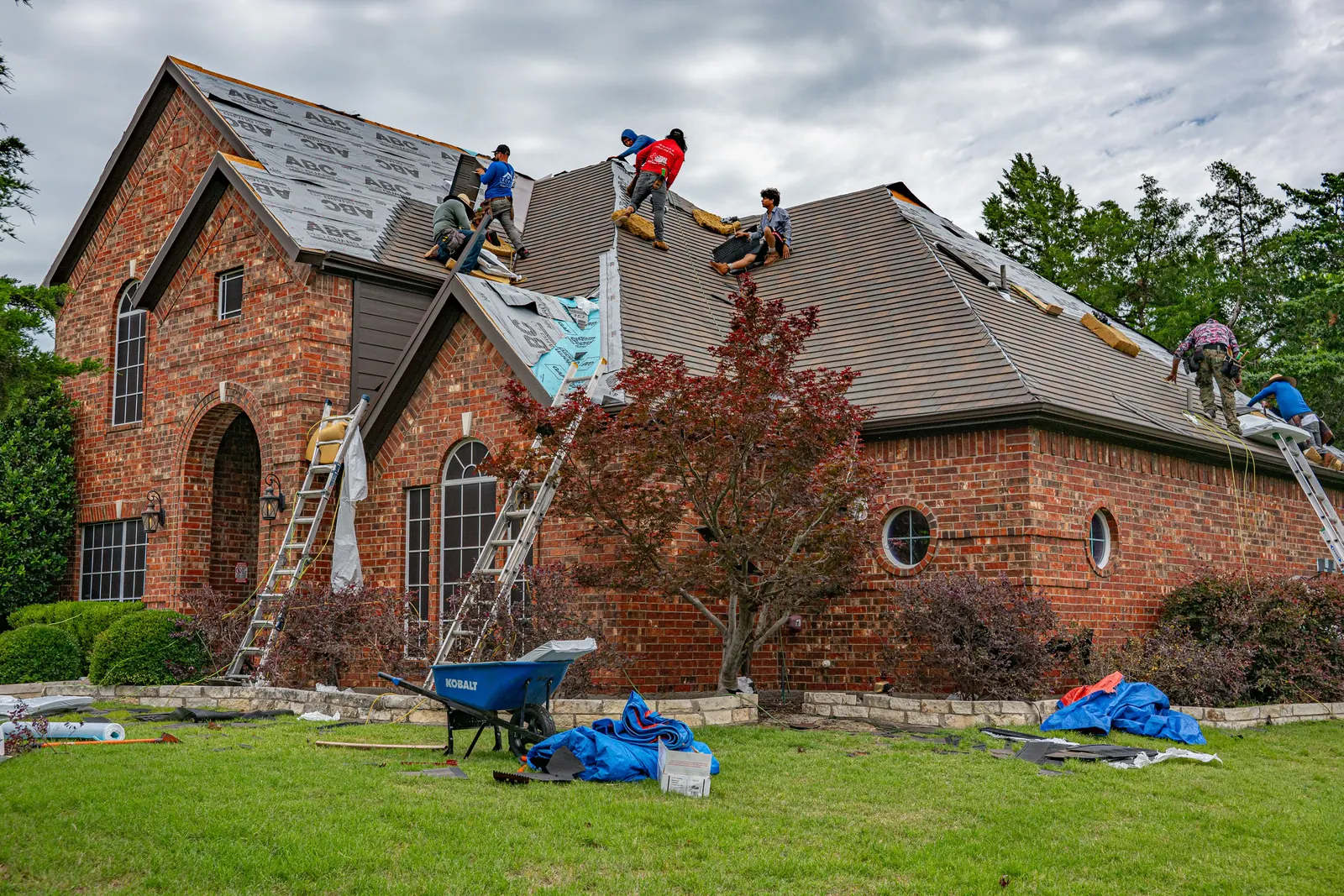
If you own a single-family house, the chimney is yours to maintain, top to bottom: the masonry, crown, cap, flashing, liner and the fireplace or appliance connection. That includes flues you no longer use, which still take weather and can leak into the house.
Homeowners insurance may cover sudden damage, such as a chimney hit by a falling tree, struck by lightning or damaged by a chimney fire, but many policies treat wear, leaks from worn mortar and neglect as maintenance. Read your policy or ask your agent before assuming either way, and keep records of inspections and repairs, since they show the chimney was maintained.
Buying a house shifts the question to timing. Once you close, the chimney's condition is your responsibility, so a chimney inspection before closing tells you what you are taking on. A seller's disclosure may mention known leaks or repairs, but it rarely covers the inside of a flue. If an inspection turns up problems, they can become part of the negotiation while there is still time.
Landlords and tenants
The structure of a rental building, including the chimney and the heating flue, is generally the owner's job. In New York City, the housing agency's owner guide says owners must keep common areas and apartments safe and well maintained under the city's Housing Maintenance Code and the Multiple Dwelling Law, and must provide heat. In most older buildings, heat depends on a working boiler flue.
Who pays to sweep a fireplace the tenant uses is less settled and often comes down to the lease. Some leases make the tenant responsible for cleaning and for not using the fireplace without permission. Others keep all of it with the owner. If the lease says nothing, ask in writing before lighting a fire, and keep the answer.
- Chimney structure, crown, flashing and boiler flue: usually the owner
- Sweeping a fireplace the tenant uses: depends on the lease
- Damage caused by misuse, such as burning trash: may fall on the person responsible
- Smoke and CO detectors in NYC apartments: owners install, tenants maintain
How responsibility usually splits
The table below is a general guide to the usual pattern. Your lease, condo documents or local law can change any line of it.
| Situation | Usually responsible | What decides it |
|---|---|---|
| Single-family house | Homeowner | Ownership |
| Rental: structure and heating flue | Owner or landlord | Local housing law and the lease |
| Rental: sweeping a tenant's fireplace | Varies | The lease |
| Condo chimney | Association or unit owner | Declaration and bylaws |
| Co-op fireplace and flue | Varies | Proprietary lease and house rules |
| Shared rowhouse stack | Both owners | Agreement, deed or neighbor arrangement |
Condos and co-ops
In a condo, the declaration and bylaws define which parts of the building are common elements, maintained by the association, and which belong to each unit. Chimneys often run through several units and the roof, so they are frequently treated as common elements, but the documents decide. Some buildings make the unit owner responsible for their own fireplace and flue while the association handles the outside masonry and roof.
Co-ops work through the proprietary lease and house rules. Before booking work on a condo chimney or a co-op fireplace, check with the board or managing agent. They may need to approve roof access, insurance certificates or the contractor, and they may already have a building-wide inspection schedule.
Where the documents are unclear, many boards handle the exterior masonry, crown, cap and roof flashing as building work and leave the inside of the fireplace to the unit owner. Asking the board for its written position before any work avoids paying twice.
When a neighbor's construction affects your chimney
A taller building or addition next door can leave a chimney too short, which affects draft. Some cities address who does what in that situation. Philadelphia, for example, has a regulation that puts the first duty to extend or offset an adjoining chimney on the person doing the construction, with a written notice process. Rules elsewhere differ, so check with your local building department if construction next door rises above your roof.
Insurance claims and documentation
When sudden damage happens, such as a tree limb hitting the stack, a lightning strike or a chimney fire, the owner of the property usually makes the claim. Photograph the damage before anything is moved, keep people clear of loose masonry, and call the insurer before permanent repairs begin. Temporary steps to prevent further damage, such as covering an open flue or securing loose brick, are generally expected and worth documenting.
Insurers often ask for a written assessment that describes the damage and separates it from older wear. An inspection report that photographs each problem and states its likely cause helps the adjuster and avoids disputes about what was already there. Tenants should report damage to the landlord promptly and in writing.
Getting it sorted before work starts
A written inspection report helps whoever pays. It shows what is wrong, which flue or part of the chimney it affects, and what the fix involves, which makes it easier for a landlord, a board or two neighbors to agree. Estimates that are itemized, separating shared work from single-flue work and urgent items from those that can wait, make the conversation easier still.
Keep copies of reports, estimates, invoices and any permits. They help with insurance questions, future repairs and the sale of the property.
A plain summary, not legal advice
This is general information. Housing laws and lease terms vary by city and state, and condo and co-op documents differ from building to building. For a dispute, contact your local housing agency, the board or a lawyer. In New York City, tenants with heat or safety problems can contact the owner first and then call 311.
Common Questions
Is the landlord or the tenant responsible for chimney cleaning?
Is a landlord responsible for a chimney sweep?
Who pays for condo chimney repair?
Who pays to fix a chimney shared with my neighbor?
Does homeowners insurance pay for chimney repair?
Need help with this? See our chimney repair service, or call (844) 468-2410 for a free written estimate.

