
Seal or replace: the deciding question
Sealing a solid crown with fine cracks means cleaning the surface, opening the cracks slightly so the material can bond, and applying a flexible crown sealant that bridges small movement. Materials are modest and the time on the roof is short. It works when the crown itself is sound, still has its slope, and is firmly attached to the brick below. Done on a crown in that condition, sealing slows the freeze-thaw damage considerably and can be repeated every few years for a fraction of the cost of a new crown.
Replacement is real masonry work. The old crown comes off down to sound brick, the debris is bagged and carried down, forms are built to give the new crown its slope and its overhang, and the concrete or crown mix is placed and finished. The crown then needs time to cure before the caps go back on. It is a bigger job, and the estimate reflects that.
How a technician judges the crown
The verdict comes from a close look on the roof, not from the yard. A few conditions point clearly one way or the other.
- Hairline surface cracks on a thick, sloped crown: usually a sealing job
- Cracks that run all the way through to the brick: replacement territory
- A thin mortar wash, flat or sloping toward the tiles: replacement with a proper crown
- Pieces lifting, hollow-sounding areas or chunks missing: replacement
- No overhang or drip edge, with stained brick faces below: replacement is worth discussing
- Mortar packed tight against the flue tiles with no expansion gap: cracking will return after sealing
Why so many local chimneys need a new crown
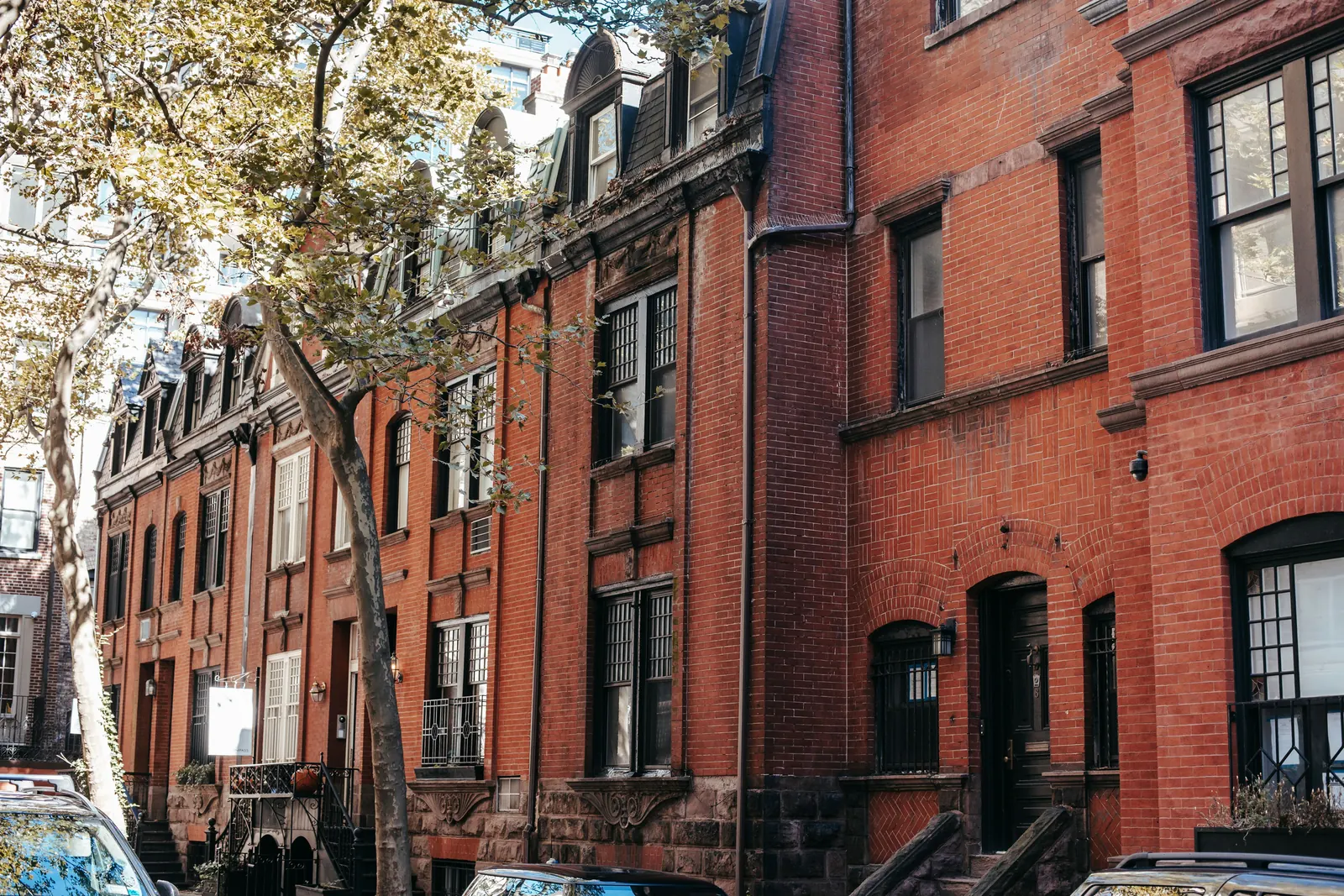
Many chimneys on pre-war brick homes, brownstones and Philadelphia rowhouses were finished with a mortar wash: a thin layer of ordinary mortar troweled over the top course of brick. Mortar is not made for a horizontal surface that takes direct rain, sun and ice. It shrinks, cracks and lets water into the brick below.
Freeze-thaw winters make it worse. Water in a crack freezes, expands and pushes the crack wider, and the next thaw lets more water in. A crown that looked fine in October can be in pieces by March after a winter of cycles above and below freezing. Coastal wind and nor'easter rain drive water sideways into any opening on the weather side.
What changes the price
Within each type of repair, these are the factors that move the number. Asking about each one on the first call brings the estimate much closer to the final bill.
- Size of the chimney top and how many flue tiles pass through it
- Height of the house and how the crew reaches the roof
- Roof type and pitch, and what needs protecting below
- Condition of the top courses of brick under the crown
- Whether caps are replaced or upgraded when the crown is redone
- Coordination with a neighbour on a shared party-wall chimney
- Any permit or sidewalk protection the work requires in your town
What a properly built crown includes
Whatever the price, these are the features to look for in the estimate and on the finished work. A crown missing them tends to crack along the same lines as the one it replaced.
- A slope that runs water away from the flue tiles toward the edges
- An overhang past the brick faces, ideally with a drip groove underneath so water falls clear
- A small gap around each flue tile, filled with a flexible sealant so the tile can expand with heat
- Enough thickness to resist cracking, rather than a thin skim over the brick
- Sound brick underneath, with loose courses reset first
- Caps refitted or replaced after the crown has cured
Timing, weather and season
Fresh concrete and mortar should not be placed in freezing conditions, because water in the mix can freeze before it cures and weaken the crown. That pushes full replacements toward milder days in spring, summer and fall, with winter work limited to stretches of mild weather. In practice, a replacement takes a dry day for removal and forming, a decent stretch for placing and finishing, and then a curing period before the caps and any sealer go back on.
Sealing is more flexible but still needs a dry surface. If a crown fails in January, a temporary measure can slow the water until conditions allow a proper replacement, and the estimate should say which is which. Booking crown work in late summer or early fall avoids the rush that follows the first heating-season leaks.
Paying now versus later
Sealing costs much less than replacing, which is why it pays to catch cracks while they are still fine. Once the crown is broken through, sealing is money spent on a temporary fix. Once water has loosened the brick under it, a crown job turns into a partial rebuild of the chimney top, and damp has often reached the flashing and the ceiling below.
A crown has to be seen to be priced fairly. Pro 1 Chimney looks at the crown, the caps and the top courses, then puts the price in a free written estimate with every item listed before any work begins.
Common Questions
How much does chimney crown replacement cost compared to repair?
What does chimney crown crack repair cost?
Does the roofer fix the crown when the roof is replaced?
How long does a new chimney crown last?
Need help with this? See our caps & crowns service, or call (844) 468-2410 for a free written estimate.

