
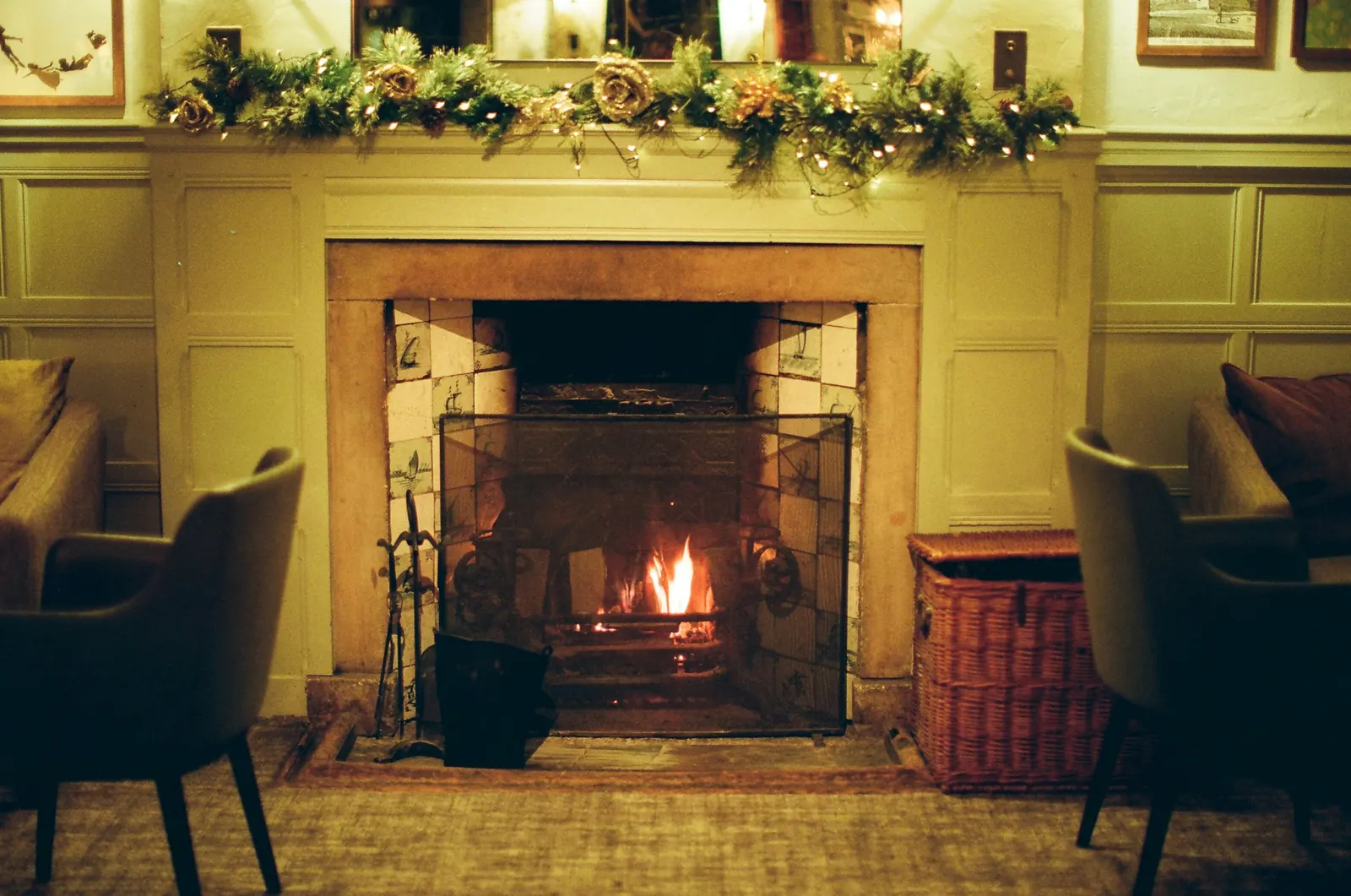
Why beach wood is tempting
Anyone who walks the beaches of Long Island, the Jersey Shore or the Delaware coast after a winter storm sees it: bleached, smooth branches and logs piled along the wrack line. It looks seasoned, it costs nothing, and it is right there after a nor'easter has done the cutting. Some people have heard that it burns in unusual colors, which adds to the appeal.
The appearance is the trap. Driftwood is gray and light on the outside because sun and wind have dried the surface. The salt that soaked into it while it floated does not leave with the water. It stays in the wood, and it goes up the chimney when the wood burns.
What the EPA says
The EPA's guidance on wood burning lists materials that can release toxic or harmful chemicals when burned and may damage a wood-burning appliance. Ocean driftwood is on that list, next to plywood, particle board, painted and pressure-treated wood, and household trash. The same guidance recommends burning only dry, split, well-seasoned wood.
This is guidance for indoor appliances, and it reflects what chemistry would predict. Sea salt is mostly sodium chloride. Burning chlorides along with wood can produce compounds you do not want to breathe or to deposit inside a flue. We are not in a position to describe health effects, and it is not necessary: the practical answer is simply not to burn it.
What salt does to a chimney
Even setting the smoke aside, salt is hard on the chimney. Chloride residue is corrosive to steel, and a fireplace and chimney are full of it: the damper plate and frame, the cap and its mesh, the smoke chamber's metal parts on some fireplaces, and, in many homes, a stainless steel liner serving a stove or insert. Stainless steel resists ordinary rust well but is vulnerable to chloride attack, which shows up as pitting.
The residue also tends to attract moisture. A damp, salty film in the firebox and flue keeps metal wet longer after every rain, and in a coastal house that is already exposed to salt air, the extra exposure from inside adds up. A damper that rusts shut or a cap that crumbles years early is a repair nobody wanted.
- Damper plates and frames, which rust and stick
- Chimney caps and their mesh screens
- Stainless steel liners for stoves and inserts, prone to chloride pitting
- Stove fireboxes, grates and baffles in closed appliances
Dry on the outside, wet inside
Driftwood rarely burns as cleanly as it looks like it should. Logs that floated for weeks or months absorb a great deal of water, and the outer layer dries long before the core does. Large pieces in particular can hiss and steam when burned, which means cool, smoky combustion and more creosote in the flue.
Good firewood gives a low reading when a moisture meter is pushed into the middle of a newly split piece. Driftwood is often hard to split cleanly and is full of sand, grit and sometimes small stones lodged in cracks. Those do not burn, and they end up in the ash or scratch the firebox.
The colored flame myth
Driftwood is sometimes said to burn with blue, green or purple flames. When there is a color, it comes from salts and minerals in the wood burning off, which is the same chemistry behind the warnings. A color in the flame is not a feature to aim for in an indoor fireplace.
If colored flames are what you want for a holiday evening, products sold for that purpose come with instructions for where they can and cannot be used, and many are not meant for closed stoves or inserts. Read the package and the appliance manual first.
River and lake driftwood
Wood that washed up on a river or lake shore did not soak in seawater, so the salt concern does not apply in the same way. It can still be waterlogged deep inside, coated in silt and carrying sand in every crack. If you want to burn it, split it, stack it off the ground with the top covered and let it dry for at least the six months the EPA recommends for any firewood, then check it with a moisture meter.
If you are not certain where a piece came from, treat it as ocean driftwood. Brackish water in tidal rivers and bays near the coast carries salt too.
Collecting and outdoor fires
Whether you may take driftwood from a beach at all depends on who manages that beach. Some parks and protected shorelines do not allow removal of natural materials, and rules differ between towns, counties, state parks and federal land. Check with the managing agency before you load the car.
Burning it in an outdoor fire pit or on the beach is a separate question with its own local rules on open burning. The chemistry of burning salty wood does not change outdoors, so the same caution applies to the smoke, and a steel fire pit will feel the corrosion too.
Driftwood as decoration near the hearth
Plenty of shore houses keep a few sculptural pieces of driftwood on the mantel or stacked in an unused firebox, and that is a fine use for it. The thing to watch is distance. Dry driftwood is light, full of cracks and catches easily, so it belongs well away from a working fireplace or stove.
The U.S. Fire Administration recommends keeping anything that can burn at least three feet from fireplaces and wood stoves. A display of driftwood on the hearth of a fireplace that is still used counts as fuel within that zone. If the fireplace is decorative only, make sure the damper is closed and nobody lights it by mistake.
If driftwood has already been burned
A single small piece is not a disaster. If driftwood has been burned regularly, though, it makes sense to have the chimney looked at. A sweep checks the damper, cap and liner for corrosion, clears salty ash and residue from the firebox and smoke shelf, and looks for unusual deposits in the flue. Stoves and inserts with stainless liners deserve particular attention.
For the fires you have ahead, stick to dry, split hardwood or softwood bought from a local seller, stored off the ground with the top covered. If you would like the chimney checked after a season of mixed fuel, our licensed and insured crew can inspect it and tell you plainly whether anything needs repair.
Common Questions
Is it bad to burn driftwood?
Is it illegal to burn driftwood?
Can you burn driftwood in a fire pit?
Does drying driftwood remove the salt?
Need help with this? See our chimney sweeping service, or call (844) 468-2410 for a free written estimate.

