
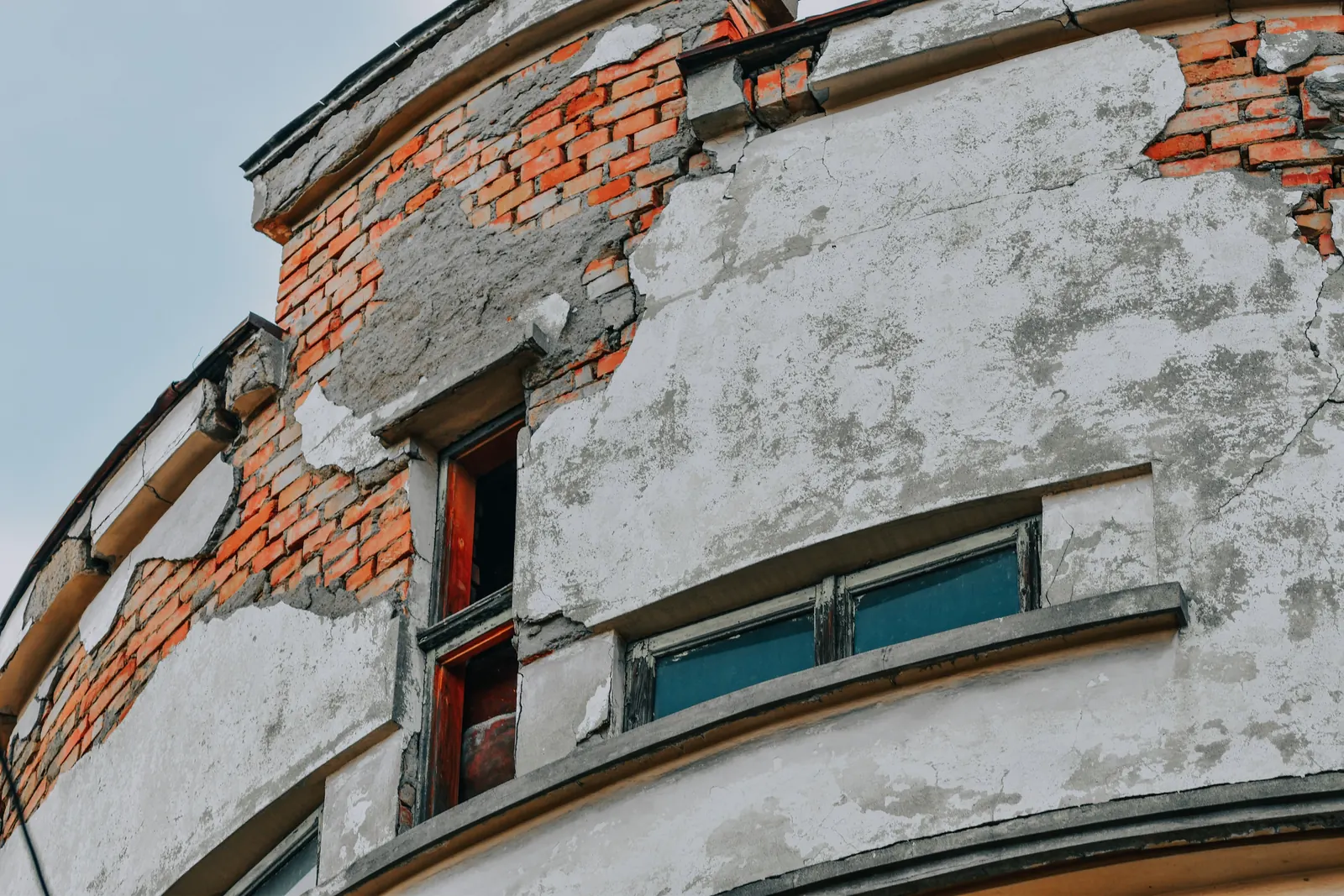
Why there is no single price
Chimney repair is a label for a dozen different jobs. Fastening a new stainless cap on a short chimney and rebuilding a leaning stack on a four-story brownstone are both chimney repairs, and they have almost nothing in common in labor, materials or setup. Any number quoted without knowing which job you have is a guess.
What does carry over from house to house is the set of factors that move the price. Understanding them helps you read an estimate, compare two quotes and decide what to fix first when there is more than one problem.
Combining work also changes the math. Once ladders, brackets or scaffolding are set up for one repair, adding a second item on the same chimney costs much less than bringing everything back for it next year. If the crown and the flashing both need attention, doing them in one visit is usually the more economical choice, even if one of them could technically wait.
Common repairs, from small to large
Most chimney work falls somewhere on this ladder. The further down the table, the more labor, material and staging the job usually involves.
- Cap or chase cover: stops rain, animals and debris entering the flue; the price follows the flue size, the number of flues and the material
- Crown seal or new crown: stops water soaking in through the top; the price follows how far the cracks go, the crown's size and whether it is rebuilt
- Flashing: stops leaks where the chimney meets the roof; the price follows the roof type, the chimney's width and whether a cricket is needed
- Repointing and brick replacement: closes open joints and replaces damaged faces; the price follows the joint area, brick matching and height
- Flue liner: replaces cracked or missing tile or corrects flue size; the price follows height, liner type, insulation and offsets
- Partial rebuild: replaces a loose, leaning or badly spalled top; the price follows the number of courses, access, and the crown and flashing work
The cause sets the price, not the symptom
A water stain on the ceiling might be solved by a cap, or it might need new flashing and a new crown. The visible damage tells you something is wrong but not what. The price follows the cause, which is why a technician traces the problem before quoting rather than pricing the stain.
In older homes, the most common sources of chimney repair work, roughly in order, are water entering through the crown and cap, failed flashing at the roof, mortar joints worn open by freeze and thaw, and flue tile damaged by heat or by acidic condensation from a newer boiler venting into an old unlined flue. Several of these often show up together on the same chimney, and fixing one while ignoring another leaves the leak or the damage in place.
Why the same repair costs more on one house
Access is a large part of any chimney job. A short chimney on a low, gentle roof is quick to reach. A tall stack on a three- or four-story rowhouse may need roof brackets, extra ladders, scaffolding or sidewalk protection before any repair starts, and that setup is part of the cost.
Roof type matters too. A flat rowhouse roof reached through a hatch is a different day's work from a steep slate roof on a detached colonial, where every step has to protect fragile slate. Multi-flue chimneys, common in attached houses, take longer to cap, line or rebuild than a single-flue stack.
Matching old brick and mortar
On older brick chimneys, finding brick that matches in size, color and hardness can take time, and mortar has to be mixed to suit soft old brick rather than poured from any bag. A mortar much harder than the brick forces water and stress into the brick faces, which then spall. That care keeps the repair from looking patched and keeps it from damaging the masonry around it.
Joint profile matters on visible faces. Matching the way the original joints were tooled makes a repair blend in from the street, which is often a concern in historic districts.
Problems that appear once work starts
Some damage hides until the masonry is opened. Once loose bricks come off, the crew may find more deterioration behind them, a cracked flue tile, or framing around the chimney that has been wet for years. A good estimate says how that kind of finding will be handled: shown to you, explained and priced before anything extra is done.
Careful inspection before quoting reduces these surprises. Looking at the flue from top and bottom and checking the chimney from the attic catches much of what would otherwise show up mid-job.
What is urgent and what can wait
Some repairs should not wait: loose or falling brick, a leaning stack, an active leak into the house, or a heating flue with damaged tile or a blockage, since that can push carbon monoxide indoors. Others can be planned for good weather, such as cosmetic repointing on a sound chimney.
Small problems grow, though. Water through a hairline crown crack or an uncapped flue keeps damaging brick, mortar and the flue every winter. Fixing it early usually costs much less than repairing what it would cause later.
What the inspection and repair visit include
An honest price starts with a look at the whole chimney. The technician checks the crown, cap, brick and joints and flashing from the roof, the flue from the top and from the fireplace or cleanout, and the attic or ceiling near the chimney for water marks. Questions about when a leak appears, which appliances vent into the chimney and when it was last serviced fill in the rest.
You then hear what is wrong, what caused it and what each fix involves, with the items ranked by urgency. On the repair day, the roof and the room are protected, the work is done as written, and the crew shows you the finished repair before leaving.
Comparing quotes, averages and square-foot figures
Be cautious with very low phone quotes that leave the details vague. A repair priced only to get in the door can grow into a list of urgent extras once the truck is parked outside. Asking what the quote includes, and getting the answer in writing, avoids most of that.
Some masonry, like repointing a large wall, is measured by area. Chimney repairs are usually priced by the job, because staging, access and the specific repair weigh more than the square footage of brick involved. A per-square-foot figure for a chimney rarely tells you what your job will cost. Averages have the same weakness. They blend cap replacements with full rebuilds, so they say little about your chimney. The useful number comes from someone looking at it, saying what is wrong and why, and pricing that.
Put two estimates side by side and check that each names the cause, the specific repair, the materials, how access will be handled and what happens if hidden damage turns up. A lower number that leaves out the crown or the flashing is a different job, not a better price. Our estimates are free, written and itemized, so you can see what each part costs and decide what to do first.
Common Questions
What is the average chimney repair cost?
What affects brick chimney repair cost the most?
Is it cheaper to fix chimney problems early?
Does homeowners insurance pay for chimney repair?
Can I fix just one problem and leave the rest?
Need help with this? See our chimney repair service, or call (844) 468-2410 for a free written estimate.

