
The date and the habit
Under current U.S. rules, daylight saving time ends at 2 a.m. on the first Sunday of November. In 2026 that was November 1, when clocks went back to 1 a.m. and the hour repeated.
Fire departments across the country tie alarm checks to the twice-yearly clock change because it is easy to remember. The routine is simple: press the test button on every smoke and CO alarm, replace batteries where the unit uses replaceable ones, and look at the date on the back of each alarm. Units past the replacement date printed by the maker should be swapped out.
What the CPSC recommends
The CPSC's guidance is to have smoke alarms and CO detectors on each level of the home and outside separate sleeping areas, to use battery-powered units or ones with battery backup, to test them often, and to buy units that meet the UL 217 standard for smoke alarms and UL 2034 for CO. In October 2026 the agency also warned consumers about a combination alarm sold online that failed to sound in fires, so a quick check of the model and standard on the label is worthwhile this year.
Placement matters as much as the brand. An alarm mounted right beside a fireplace, a kitchen range or a bathroom door tends to give nuisance alarms, and nuisance alarms are the ones people disable. Follow the maker's instructions on distance from cooking appliances, fireplaces and steamy rooms, and keep at least one CO alarm on the level with the bedrooms, where it can wake people up.
Why early November matters for chimneys
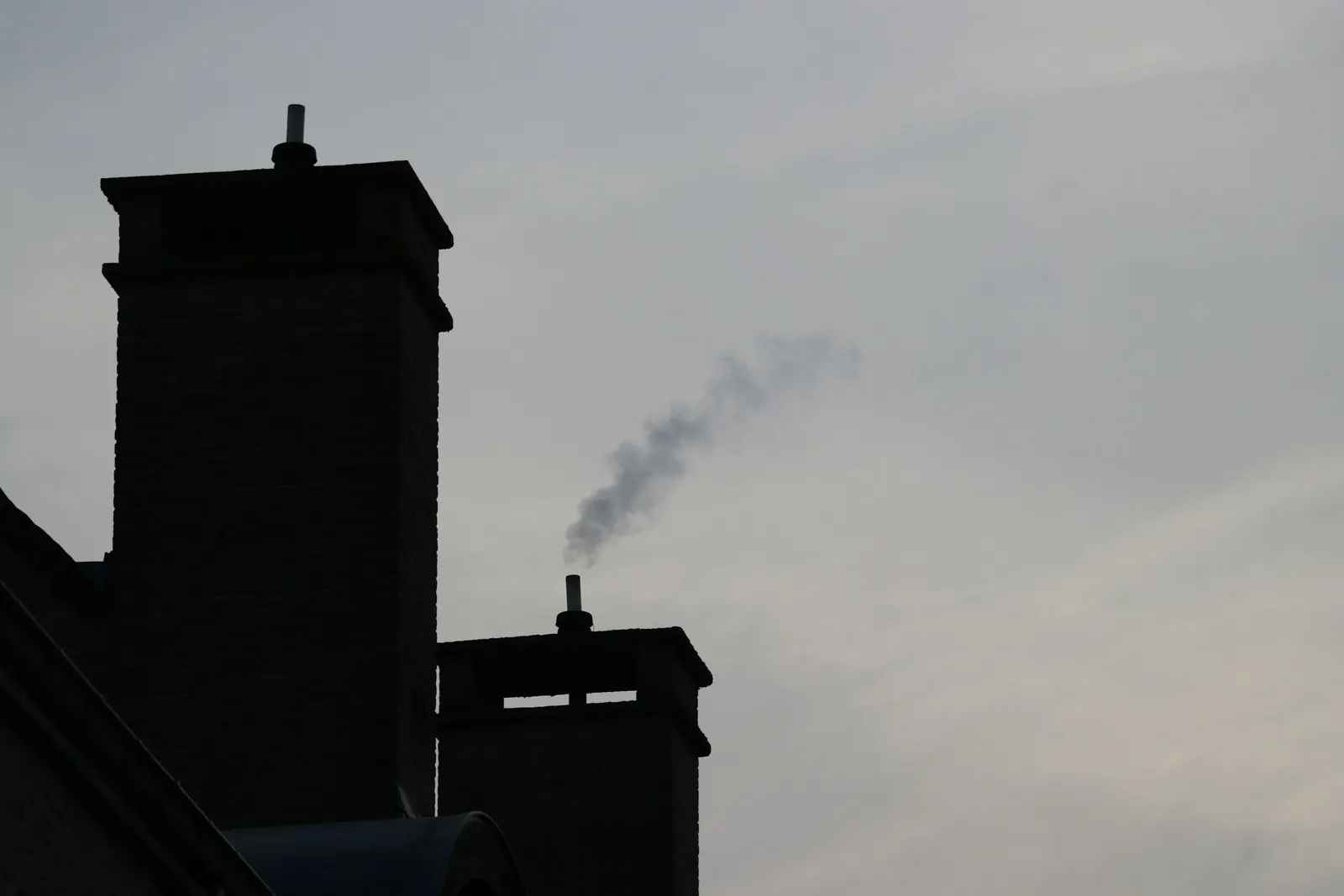
By the first week of November, most homes in the region have the heat on every day. Boilers and furnaces that vent into masonry chimneys are cycling regularly, and fireplaces and stoves are lit on more evenings. That is the point when a summer's worth of changes in a chimney starts to matter: a bird's nest in a flue, a liner damaged by condensation, a connector pipe that has rusted at the breach, or a cap that came off in a storm.
Any of those can push smoke or carbon monoxide back into the house. A carbon monoxide alarm cannot tell you which one it is, but it can tell you to get out. If it sounds, leave the house and make the call to 911 or your gas company from outside.
A short November checklist
Pair the alarm test with a few easy observations. Is there a cap on every flue when you look from the street? Does the fireplace draw cleanly, or does smoke curl into the room? Is there soot or rust around the boiler's pipe where it enters the chimney? Any yes or doubt is a reason to book an inspection before December.
If the house has a fireplace that only gets used a few times a year, test the damper while you are at it. Open and close it fully. A damper that sticks, grinds or will not seal, or shows heavy rust on the plate, often means water has been getting into the flue from the top.
Want a professional look? See our chimney inspection service, or call (844) 468-2410 for a free written estimate.

