
The forecast
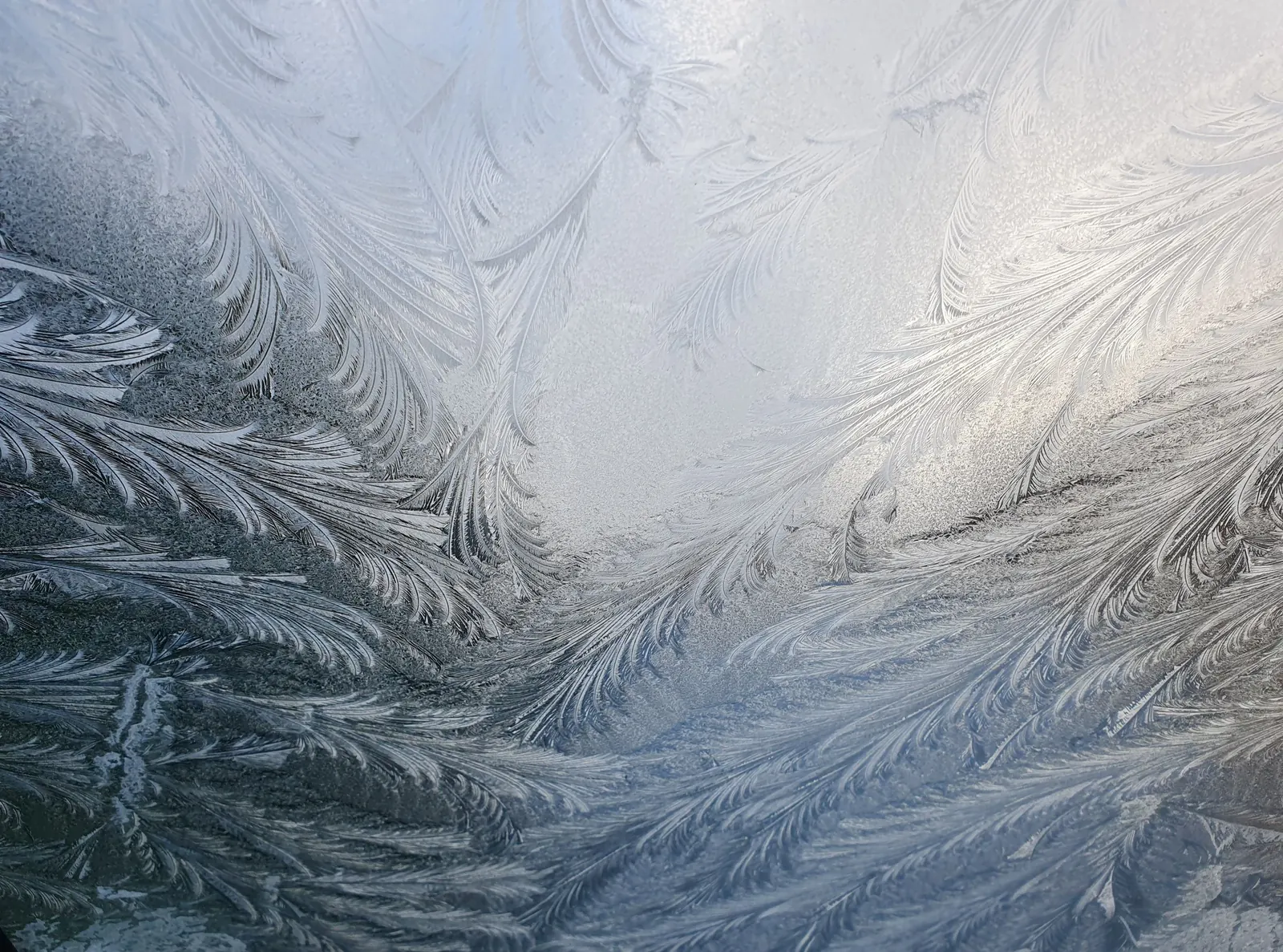
A forecast published Friday, October 16, 2026 laid out a busy weekend: a line of strong to severe thunderstorms Friday evening with damaging winds the main concern, gusts of 30 to 40 mph on Saturday, and then, once the wind calmed, the coldest air of the season so far. Sunday morning looked like New Jersey's first widespread frost or freeze, with readings in the 30s across most of the state and the coldest spots in the northwest dropping below 32.
For comparison, normal lows for mid-October in New Jersey are in the mid to upper 40s.
Why the first cold night matters
Most households turn on the heat for the first time on a night like this, and many light the first fire of the year. That first start-up often happens without a look at the chimney since spring. Over the summer, birds and squirrels may have nested in an uncapped flue, leaves can collect on the smoke shelf, and a wet summer may have loosened flue tiles.
A cold chimney can also resist the first fire. Cold, heavy air sitting in the flue pushes back against rising smoke, so the first few minutes may fill the room with smoke even in a chimney that drafts well later. Warming the flue first, by holding a lit roll of newspaper up near the open damper for a moment, often helps.
Gas and oil heating systems need the same attention. A furnace or boiler that has sat idle since April may start with a puff of dust or a brief odor, which is common, but a flue blocked by a summer nest or fallen debris is not visible from the basement. A boiler service before the first cold snap, and a look at the chimney top for a cap, cover most of this.
The start of the freeze-thaw season
The first frost also marks the start of the cycle that does the most damage to masonry in this region. On nights below freezing, water inside cracks and porous brick freezes and expands; during the day it thaws and soaks in further. A crown with small cracks in October can have open gaps by March. Sealing those cracks while the weather is still mild is easier and lasts longer than patching in winter.
The same is true of the mortar joints in the top courses and the flashing at the roof. Repointing and resetting flashing are cleanest when the masonry is dry and temperatures are well above freezing, which in northern New Jersey usually means getting it done in October or early November.
Smoke in the room is a signal
If smoke keeps rolling into the room after the flue has warmed, something is wrong: a blocked or partly blocked flue, a damper that is not fully open, a fireplace opening too large for the flue, or a house so tight it cannot supply air for the fire. Do not keep feeding a fire that smokes. Let it burn down, open a window, and have the cause found.
Want a professional look? See our smoke & draft problems service, or call (844) 468-2410 for a free written estimate.

