
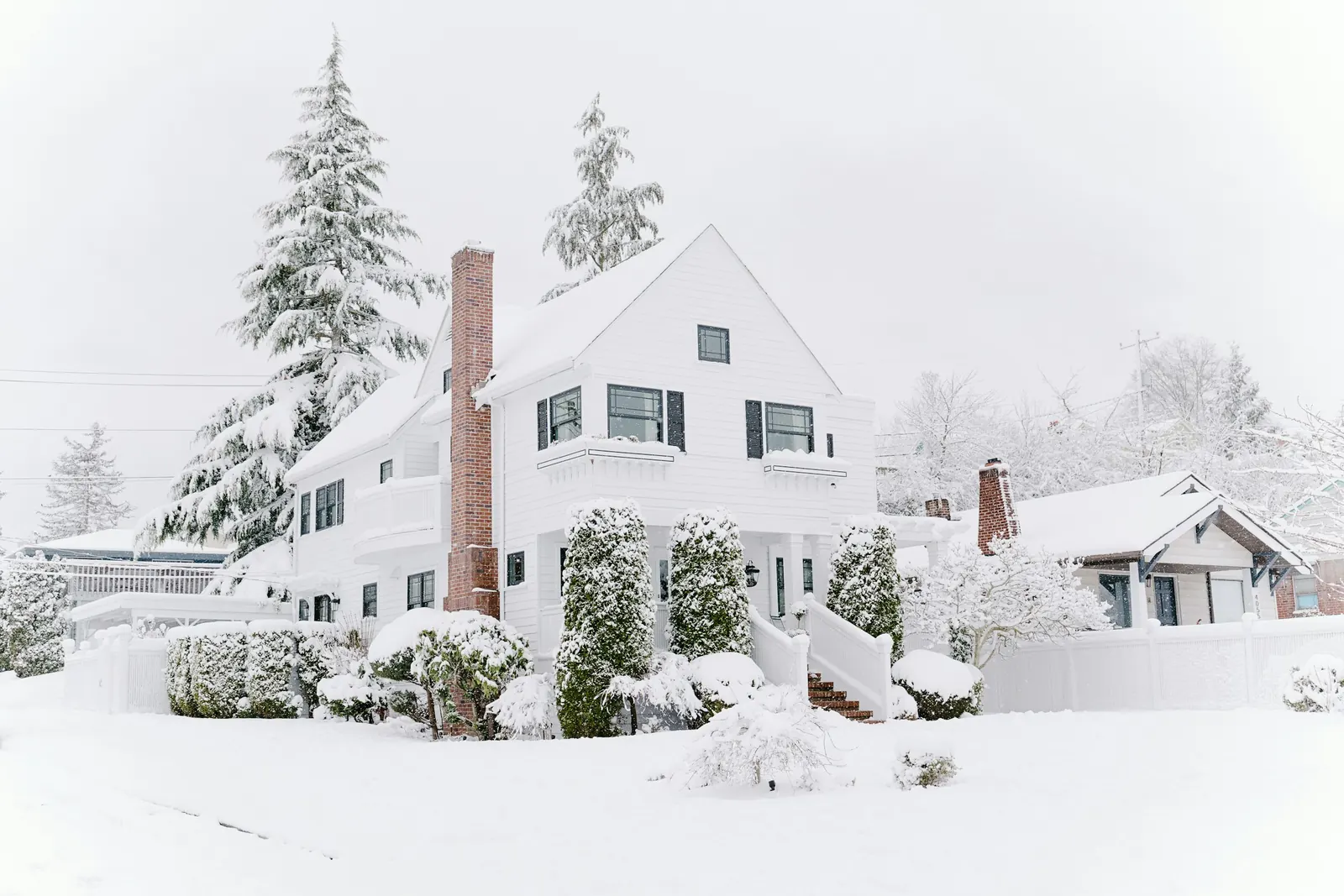
What NOAA said
On October 15, 2026, NOAA released its outlook for December 2026 through February 2027. Above-average temperatures are favored across much of the East, and wetter-than-average conditions are most likely along the East Coast. The main driver is El Nino: forecasters said a very strong event will likely shift the jet stream south and east this winter.
That El Nino had been building for months. The Climate Prediction Center issued an El Nino Advisory in its June 11, 2026 update, saying El Nino conditions were present and expected to strengthen into the 2026-27 winter, and gave roughly a two in three chance of a very strong event during November through January.
What the outlook does not say
The outlook gives odds for average temperature and precipitation over three months. It does not project seasonal snowfall, because snow depends on individual storms that cannot be forecast reliably more than about a week ahead. A winter that averages warm can still deliver a major snowstorm if cold air lines up with a wet system. Nor'easters are just as possible in a mild winter as in a cold one.
Mild and wet is still hard on masonry
It is tempting to read a warm winter as an easy one for the house. For a brick chimney, the opposite can be true. Rain soaks the crown and the brick far more than dry snow does. When temperatures hover around freezing rather than staying well below it, that water can freeze and thaw again and again, and each cycle opens cracks a little more. A winter of cold rain and slush tends to show up in spring as crown cracks, spalled brick faces and leaks at the flashing.
Wetter weather also means more water reaching any flue without a cap, more rust on dampers and more chance of a damp, smelly fireplace.
Older chimneys across the region are built of soft, porous brick and lime-based mortar that were made to breathe. They tolerate being wet and then drying, but not repeated freezing while saturated. Chimneys on the north side of a house, or shaded by trees and neighboring buildings, dry slowest and usually show damage first. Flues serving gas appliances add their own moisture from the inside through condensation, so they can take water from both directions in a wet winter.
Getting ready while it is still fall
Repairs to crowns and mortar need temperatures above freezing to cure properly, so the window for them narrows as December approaches. A cap, sealed crown cracks and sound flashing are the three things that keep most water out of a chimney through a wet winter. If the chimney serves a boiler or furnace, an inspection of the flue before the heaviest heating months also catches liner problems early.
It is also a reasonable winter to keep an eye on the attic. Leaks around the chimney in a wet season often show first as damp insulation or a dark stain on the roof sheathing rather than a ceiling spot, and catching them there keeps the damage small.
Want a professional look? See our chimney crown repair service, or call (844) 468-2410 for a free written estimate.

