
The rule
According to the city's housing agency, heat season runs from October 1 to May 31. Between 6 a.m. and 10 p.m., if the outside temperature falls below 55 degrees, the inside temperature must be at least 68 degrees. Between 10 p.m. and 6 a.m., the inside temperature must be at least 62 degrees regardless of the outside temperature. Hot water must be provided all year at a constant minimum of 120 degrees.
Building owners are legally responsible for providing heat and hot water to tenants. Tenants who are not getting it are told to contact the landlord first, then file a complaint through 311 by phone, online or the mobile app. Complaints can be filed anonymously.
Why the chimney is part of the heating system
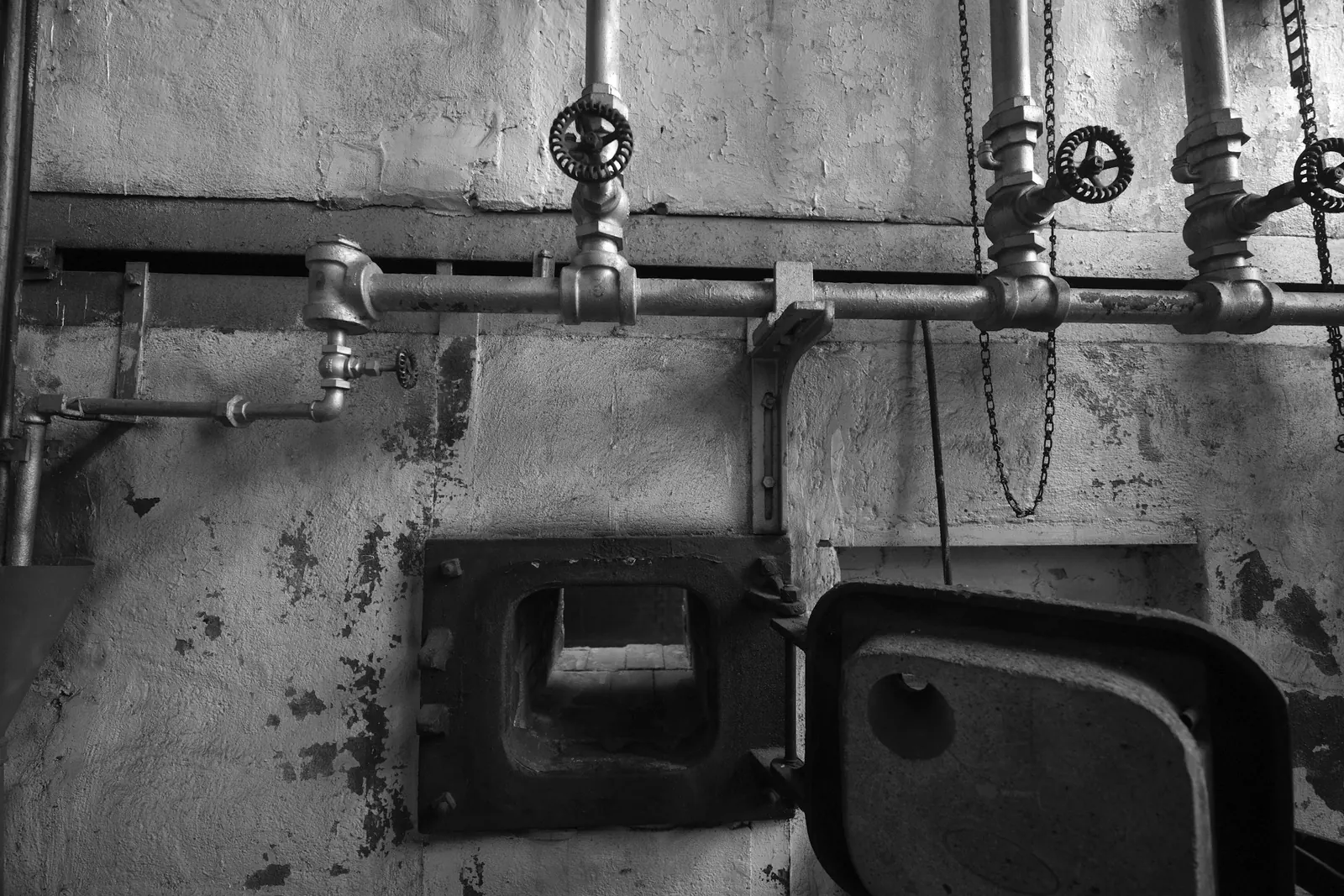
In brownstones, rowhouses, walk-ups and many larger buildings, heat comes from a boiler that burns oil or gas and sends its exhaust up a masonry chimney. The boiler can only run safely if that exhaust leaves. Modern burners and controls watch for it: a blocked or poorly drafting flue can trip a safety switch and shut the boiler down, which in a cold snap means a no-heat call.
Common causes in older buildings include soot and scale built up at the base of the flue and in the breach where the boiler connects, fallen clay tiles narrowing the flue, a liner that has corroded from years of acidic condensation, and a missing cap that lets rain, debris and birds into the opening.
Oil, gas and soot
Oil-fired boilers produce soot, and a burner that is out of adjustment produces a lot of it. Soot settles in the connector pipe, the breach and the bottom of the chimney, and over a season it can restrict the opening enough to affect draft. Gas boilers burn cleaner but produce more water vapor, and in an oversized or unlined flue that vapor condenses, attacks the mortar and can leave the bottom of the chimney wet and crumbling.
Cleaning the flue and the breach on a regular schedule, along with a check of the liner and cap, keeps the boiler's exhaust path open through the months when the rules require it to run the most.
Before the coldest weeks
October and November are the practical window. The boiler is running but not yet at full load, temperatures still allow masonry work at the top of the chimney, and any liner or cap problem found can be corrected before January. A building that had no-heat complaints last winter, or a boiler technician who noted poor draft, is a good reason to have the chimney looked at now.
For owners of one- to four-family homes, the same logic applies on a smaller scale. A brownstone or two-family house with a gas boiler and water heater sharing an old flue can run into the same draft and condensation problems as a large building, and a single blocked flue can leave every unit in the house without heat or hot water.
Want a professional look? See our boiler flue cleaning service, or call (844) 468-2410 for a free written estimate.

