
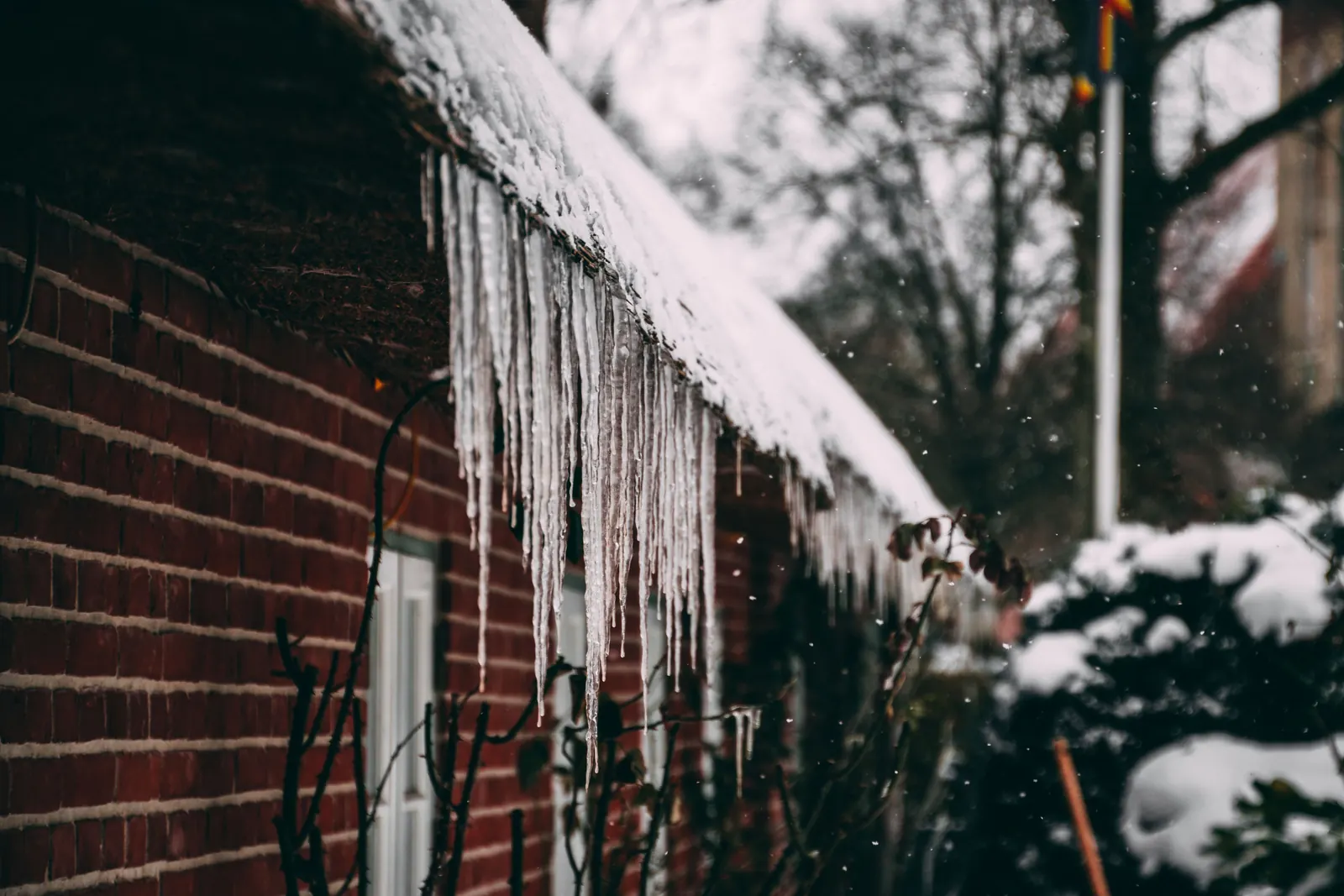
What fell and how cold it stayed
The storm that crossed the city on Sunday, January 25, 2026 put 11.4 inches on the ground in Central Park, a record for the calendar day according to reports citing the National Weather Service. Parts of the wider region came close to a foot and a half, and neighborhoods north of Midtown generally saw more than Manhattan did. Those were early numbers, and reporters noted they could still rise.
The snow was only half the story. The day before, wind chills had already dropped below zero, and the outlook after the storm called for bitter air to hang on for at least seven more days. Highs were not expected to reach freezing until early February.
Why a snowy, frozen week is hard on a chimney
A masonry chimney sits through the roof with its top exposed on every side. Snow piles against the uphill face, packs into the gap behind it, and sits on the crown. When the sun or heat from inside the house melts the lower layer, that water looks for the weakest joint: a lifted piece of step flashing, a hairline crack in the crown, a mortar joint that has gone soft. At night it freezes again and pries the opening a little wider.
Inside, the heating system runs for long stretches. In many city houses an oil or gas boiler vents into an old clay-lined or unlined brick flue. Long run times mean more exhaust and more water vapor moving up that flue, and in a cold, oversized chimney the vapor can condense on the walls before it ever reaches the top. That moisture is acidic and works on mortar and clay tile over time.
The vent most people forget
Newer high-efficiency boilers, water heaters and many gas fireplaces do not use the chimney at all. They vent through a pipe in the side wall, often only a foot or two above grade. After a storm like this one, those terminals can disappear under a drift or a pile thrown off a shovel. A blocked intake or exhaust can shut the appliance down, or worse, push combustion gases back into the house.
Carbon monoxide has no smell. A working CO alarm on each level, and outside the sleeping areas, is the practical warning. If an alarm sounds, get everyone outside and call 911 or the gas utility from there.
What a storm like this tends to leave behind
Damage from a record snow rarely shows the next morning. It tends to show weeks later as a brown ring on a ceiling beside the chimney breast, white salt bloom on the brick, flakes of brick face on the roof, or a rusty damper. Those signs point back to water that got in while the snow sat and melted. A look at the crown, cap and flashing in early spring, before the next round of rain, catches most of it while it is still a small repair.
Want a professional look? See our chimney inspection service, or call (844) 468-2410 for a free written estimate.

